
· kitchen
Kitchen Communication Systems: From Expo Calls to Digital Solutions
A breakdown of every layer of restaurant kitchen communication — voice calls, expo management, and the digital systems that tie front and back of house together.
A breakdown of every layer of restaurant kitchen communication — voice calls, expo management, and the digital systems that tie front and back of house together.

Real data from restaurant Google Ads campaigns — what the ROI looks like, how Performance Max changes the equation, and the strategy behind the numbers.

The most effective food waste reduction tool in your restaurant is your menu. How you design dishes, structure portions, and overlap ingredients determines whether ingredients get used or thrown away.

Consistency is the product your guests actually buy — here is how to build the systems that deliver it shift after shift.

A good restaurant mentor does not just give advice — they shorten your learning curve by years and help you avoid the specific mistakes that close most new restaurants.

How to calculate the right ice machine capacity, choose the correct ice type, and decide between buying and leasing for your restaurant.

How to design recognition programs that align with what restaurant employees actually value — and move the needle on retention, performance, and morale.

Women make up most of the restaurant workforce but hold only 19% of chef positions and 33% of management roles. The gender gap is a talent problem that the industry cannot afford.
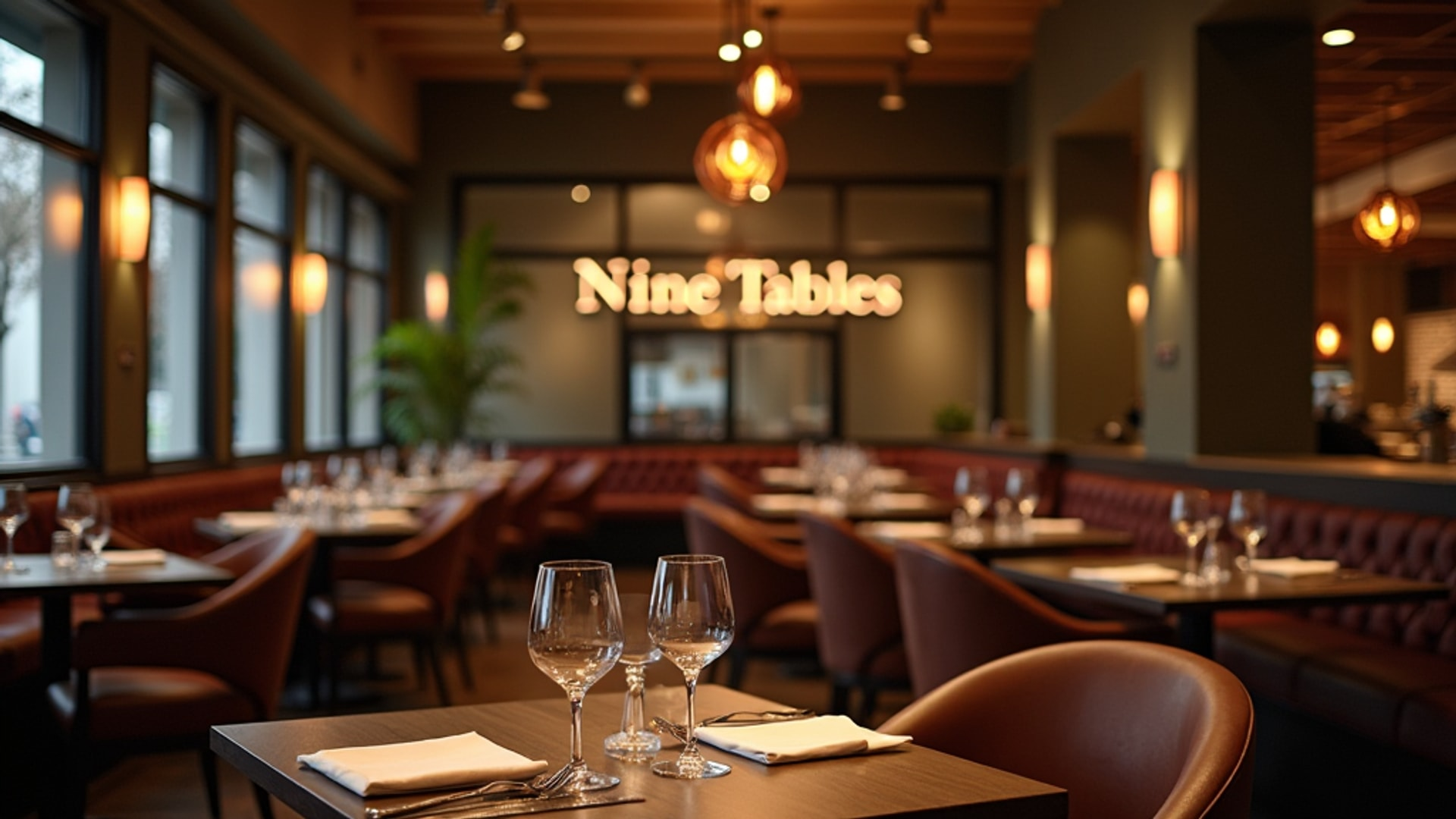
A practical guide to designing restaurant sound systems with multiple audio zones, choosing the right equipment, and staying legal with music licensing.
The business case and practical playbook for sustainable kitchen operations — from ENERGY STAR equipment savings and demand-controlled ventilation to composting programs, waste tracking, and the $8 return on every $1 invested in food waste reduction.

When a food safety incident, viral complaint, or negative news story hits, your response in the first 24 hours determines how bad the damage gets.

How strategic seasonal sourcing reduces food costs by 15–25% while improving ingredient quality and giving you a marketing advantage.