· Finance · 18 min read
Restaurant Startup Costs: Averages by Type and a Checklist
Average restaurant startup costs by type, a worked small-restaurant budget, build-out cost per square foot, and a categorized startup costs checklist.
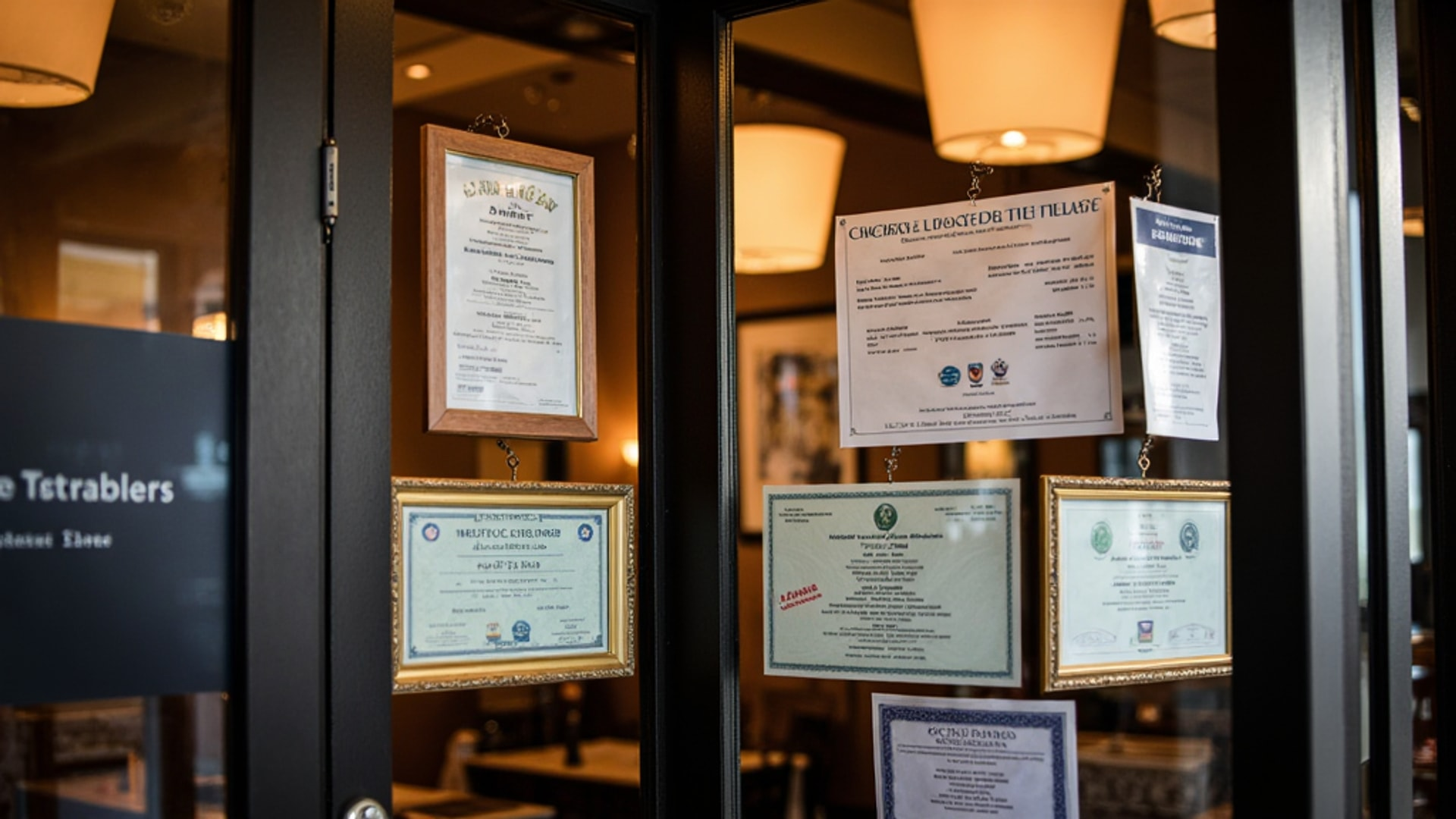
An independent restaurant costs a median of $375,000 to open, or about $3,586 per seat, in RestaurantOwner.com’s survey of more than 350 owners. Food trucks start near $50,000, coffee shops run $80,000 to $400,000, and a full-service restaurant usually needs $500,000 or more once you count first-year operating cash. First-time owners typically underestimate the total by 25% to 35%.
That last number is the one to take seriously. Lightspeed puts the average overrun at $63,598 beyond the owner’s own projection, and that gap is usually what closes a restaurant in its first year.
What Is the Average Startup Cost for a Restaurant?
The median independent restaurant cost $375,000 to open in RestaurantOwner.com’s 2018 Cost to Open a Restaurant survey, which works out to $113 per square foot and $3,586 per seat. The space mattered more than the concept: remodeling an existing restaurant had a median of $275,500, converting a non-restaurant space $425,500, and new construction $650,000 before real estate (AZ Big Media).
Those are 2018 prices. Construction labor and equipment have both climbed since, so read the survey as a floor rather than a target.
Average Restaurant Startup Costs by Type
| Restaurant type | Typical startup cost | Build-out per sq ft | Source |
|---|---|---|---|
| Food truck | $50,000 – $250,000+ (about $100,000 average) | n/a; used trucks $30,000 – $100,000, new $75,000 – $200,000 | Homebase, 2025 |
| Ghost kitchen | $50,000 – $100,000 | Shared commissary space | Square |
| Coffee shop / café | $80,000 – $400,000 (carts from $60,000) | Fit-out is 30% – 50% of the total | Crimson Cup via Lightspeed; Coffee Business Basics |
| QSR / counter service | $300,000 – $1.9 million, including first year of operations | $100 – $650 | SpotOn; EB3 Construction |
| Franchised sub or deli shop | $203,583 – $1,317,005 | Set by the franchisor | Jersey Mike’s 2024 FDD via Franchise Chatter |
| Fast casual (chain benchmark) | About $1.5 million per new unit, $1.3 million after landlord contributions | $100 – $650 | Chipotle 2025 Form 10-K |
| Casual full-service | About $375,000 for a moderately sized room; $500,000 – $2.5 million including first year of operations | $200 – $850 | Toast; SpotOn; EB3 Construction |
| Fine dining | $900,000 – $5 million+ in build-out alone for 3,000 – 5,000 sq ft | $300 – $1,000 | EB3 Construction |
| Bar | $174,000 – $850,000 | n/a | Homebase, 2025 |
The ranges overlap because the sources count different things. SpotOn’s figures include a full year of operating costs, EB3’s are construction only, and a franchise’s Item 7 range bundles the franchise fee, build-out, equipment and an allowance for the first months of cash. Compare like with like before you decide a concept is cheap. Chipotle’s number is a national chain’s average for new units; an independent fast-casual operator in a second-generation space should expect to spend well under it.
In high-cost cities like San Francisco or New York, a full-service restaurant can pass $2 million before the first plate goes out, according to Square’s startup cost analysis.
Cost per Seat and per Square Foot
| Benchmark | Figure | Source |
|---|---|---|
| Median total cost, independent restaurant | $375,000 | RestaurantOwner.com, 2018 |
| Median cost per seat | $3,586 | RestaurantOwner.com, 2018 |
| Median total cost per sq ft | $113 | RestaurantOwner.com, 2018 |
| Average per seat, leased space | $3,046 ($275,000 total) | WebstaurantStore |
| Average per seat, with land purchase | $3,734 ($425,000 total) | WebstaurantStore |
| Build-out cost per sq ft, industry average | About $404 | EB3 Construction, 2025 |
The gap between $113 and $404 per square foot looks like a contradiction. It isn’t. The survey median is total project cost across hundreds of owners, many of them taking over old restaurants at 2018 prices. EB3 is a contractor quoting full build-outs at 2025 prices. Use per-seat figures as a sanity check (40 seats × $3,586 is roughly $143,000) and the per-square-foot construction figures when you start collecting real bids.
Franchise Startup Costs
A franchise discloses its startup cost in Item 7 of the Franchise Disclosure Document (FDD), and the FTC’s franchise guide says you must receive that document at least 14 days before you sign or pay anything. For a counter-service deli concept, Jersey Mike’s 2024 FDD lists a total estimated investment of $203,583 to $1,317,005, including an $18,500 franchise fee. Royalties of 4% to 8% of sales and marketing-fund contributions of 2% to 5% come on top (CloudKitchens), so model the ongoing cost as well as the entry price.
How Much Does It Cost to Open a Small Restaurant?
In the worked budget below, a 40-seat restaurant in a leased second-generation space needs about $330,000 on a lean build and about $670,000 with a moderate refresh, including three months of working capital and a 15% contingency. A counter-service concept that takes over a working kitchen and skips the bar can come in under $200,000 (WebstaurantStore).
The assumptions: 40 seats in about 1,800 square feet, a former restaurant with a working hood, walk-in and grease trap, a beer and wine license rather than full liquor, and rent of $6,000 a month.
| Line item | Lean | Moderate | Basis |
|---|---|---|---|
| Deposits and upfront rent | $18,000 | $24,000 | First and last month plus a 1 – 2 month security deposit |
| Renovation and finishes | $90,000 | $180,000 | 1,800 sq ft at $50 – $100 per sq ft for budget finishes (Mastt) |
| Kitchen equipment to fill gaps | $50,000 | $100,000 | Lower half of Square’s $50,000 – $150,000 mid-size range, since the hood and walk-in stay |
| Furniture, tableware, smallwares | $20,000 | $40,000 | Low end of WebstaurantStore’s $20,000 – $80,000 |
| POS, Wi-Fi, cameras | $5,000 | $15,000 | Cloud POS hardware at up to $2,000+ per terminal (EB3) |
| Signage and branding | $5,000 | $20,000 | EB3 |
| Permits, licenses, legal | $15,000 | $35,000 | Toast’s $10,000 – $50,000 permit range plus lease and entity legal work |
| Opening food and beverage inventory | $8,000 | $20,000 | WebstaurantStore’s $5,000 – $25,000 |
| Pre-opening payroll and training | $12,000 | $25,000 | RestaurantOwner.com medians for limited-service and full-service |
| Launch marketing | $3,000 | $15,000 | Square’s $3,000 – $20,000 |
| Insurance, first payment | $2,000 | $5,000 | SpotOn’s annual range |
| Working capital, 3 months | $60,000 | $105,000 | $20,000 – $35,000 a month, inside SpotOn’s operating-cost ranges |
| Subtotal | $288,000 | $584,000 | |
| Contingency (15%) | $43,000 | $88,000 | Industry-standard buffer |
| Total | $331,000 | $672,000 |
Three lines decide where you land. Renovation is the biggest controllable cost; a true turnkey space where you repaint and reupholster can shrink it dramatically, so check in writing whether the equipment that stays comes with the lease or is sold separately. Working capital is the line owners cut when the build runs over, and it’s the one you’ll miss most in month four. And the liquor license can dwarf everything else: WebstaurantStore’s range for a full liquor license tops out at $400,000, which is more than the whole lean budget.
Rent is the other check. SpotOn suggests rent should sit at 5% to 10% of sales, so $6,000 a month only works if you can realistically sell $720,000 or more a year. If the sales forecast can’t support the rent, no amount of savings on chairs will fix it.
How Much Does a Restaurant Build-Out Cost per Square Foot?
Restaurant build-out typically costs $100 to $800 per square foot, with an industry average of about $404 and a median of about $450, in EB3 Construction’s 2025 estimate. Taking over a second-generation space runs $150 to $300 per square foot, against $300 to $600 for shell or new construction, so the space you pick can cut the construction budget by 30% to 50%.
| Space or concept | Build-out cost per sq ft |
|---|---|
| Second-generation (former restaurant) | $150 – $300 |
| Shell / new construction | $300 – $600 |
| Fast food / QSR (typically 1,500 – 2,500 sq ft) | $100 – $650 |
| Casual dining (typically 3,000 – 5,000 sq ft) | $200 – $850 |
| Fine dining (typically 3,000 – 5,000 sq ft) | $300 – $1,000 |
| Industry average | About $404 |
At $400 per square foot, EB3 notes, a 3,000 to 5,000 square foot casual or fine-dining project easily reaches $1.2 million to $2 million. WebstaurantStore’s $140,000 to $350,000 construction range sits much lower, closer to the survey’s remodel medians. A second-generation space may already have the plumbing, ventilation, grease trap and electrical capacity a kitchen needs, and that is the single biggest cost decision you make.
What the Build Includes
Restaurant construction covers demolition and site preparation, framing, plumbing and grease traps, electrical panels, HVAC sized for kitchen heat, hood and exhaust, fire suppression, ADA-compliant restrooms and entrances ($10,000 to $30,000 on their own, per WebstaurantStore), dining room finishes and the bar.
Some line items from EB3: electrical at $4 to $9 per square foot, plumbing at $4 to $5, lighting at $2 to $4, and utility connections to raw land at $9,000 to $34,500. Mastt adds finish levels of $50 to $100 per square foot for budget work or $100 to $200 for premium, design and consulting fees of 5% to 15% of construction, and landlord tenant improvement (TI) allowances of $10 to $40 per square foot. Coastal and urban markets run 20% to 40% above average.
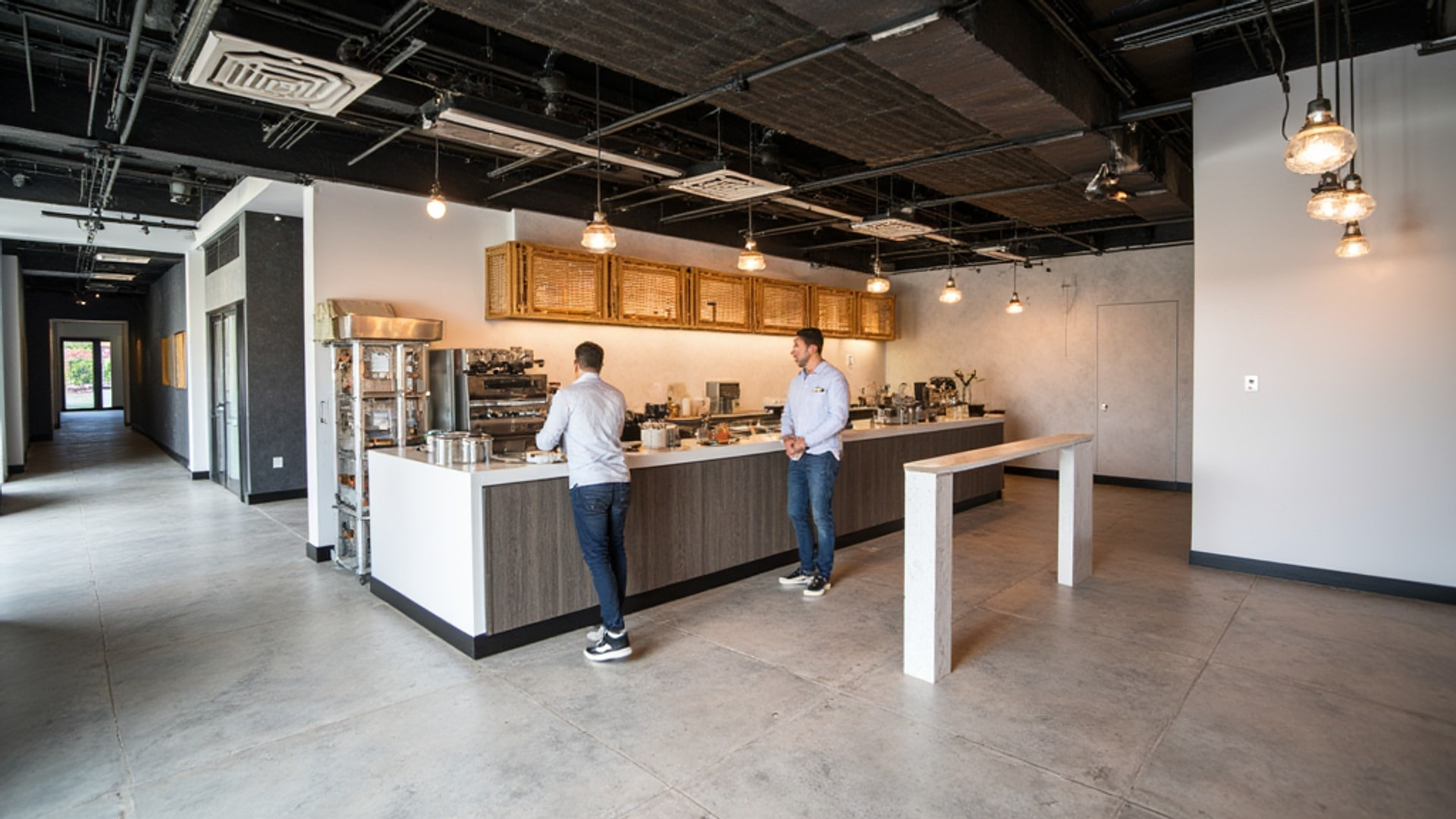
Timeline Is a Cost
You’re usually paying rent, insurance and utilities while you build. Encore Construction puts typical build-outs at about 8 weeks for fast food, 10 to 12 weeks for fast casual, and 20 weeks or more for full-service or fine dining. EB3 warns that permit delays can add $15,000 to $30,000 a month in carrying costs and that sequencing errors can push an opening back 4 to 6 months.
Budget a 10% to 15% construction contingency, more for complex projects, and get at least three itemized bids from contractors who have built restaurants before. General contractors routinely underestimate grease traps, hoods and fire suppression.
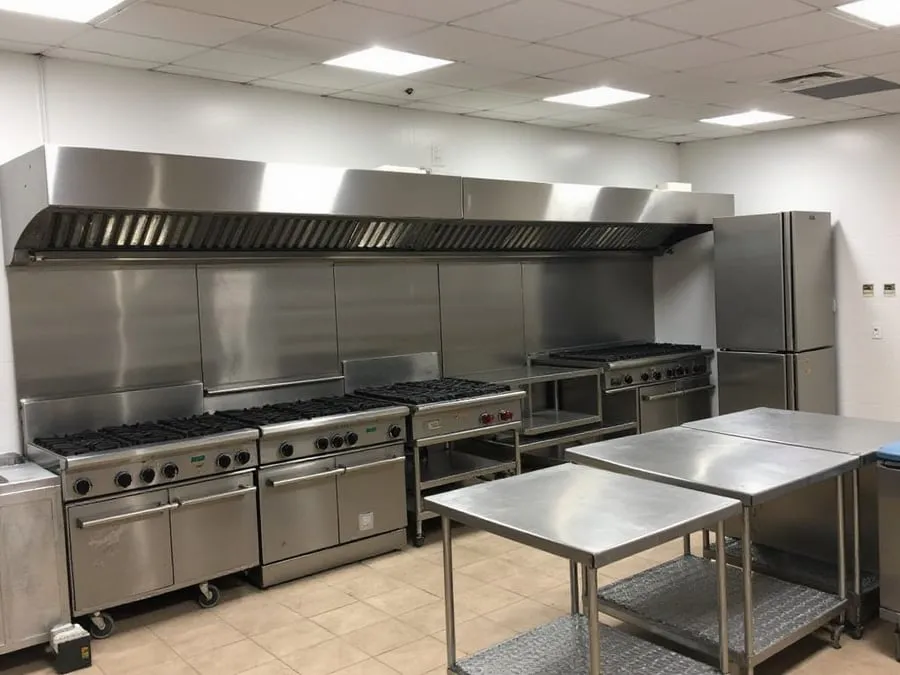
Kitchen Equipment: $50,000 to $250,000+
Kitchen equipment is usually the second-largest capital cost. WebstaurantStore puts a mid-range setup at $75,000 to $115,000; SpotOn’s full range runs from $50,000 to $500,000 depending on concept and capacity.
The core list and typical prices:
- Cooking: ranges ($1,500 – $15,000+), ovens, grills, fryers ($500 – $5,000 each)
- Cold storage: walk-in coolers ($4,000 – $30,000), reach-in refrigerators and freezers
- Prep: stainless tables, mixers, food processors
- Sanitation: commercial dishwashers ($3,000 – $20,000+), three-compartment sinks
- Ventilation: hood and exhaust systems
GoFoodservice recommends buying essentials 4 to 6 weeks before opening for delivery, installation and staff training, then adding efficiency equipment 2 to 4 weeks into service once you see the real bottlenecks. Specialty equipment can wait until month three to six. EB3 notes lead times of 12 to 16 weeks on some items, so order the walk-in and hood early.
Buy, Lease, or Buy Used?
In Lightspeed’s data, 45% of operators buy or lease used equipment and 42% choose leasing over buying new. BEP Back Office shows that mixing new, used and leased equipment can bring a $200,000 kitchen down to about $150,000. Lease what breaks or dates quickly (dishwashers, ice machines, espresso machines, POS hardware). Buy what lasts (stainless tables, shelving, sinks).
Equipment financing typically asks 10% to 20% down over 12 to 72 months; SBA loans go up to $5 million, and some suppliers offer 0% interest for the first year. Buying a bundle from one supplier can save 10% to 15%.
Furniture, Fixtures, and Technology
Furniture and tableware run $20,000 to $80,000 depending on seat count (WebstaurantStore): tables, chairs, booths, bar seating, plateware, glassware and flatware. EB3 puts furniture, fixtures and equipment (FF&E) as a whole at 30% to 40% of the build-out budget, and up to 75% for some concepts. Signage and branding add $5,000 to $20,000.
Budget for loss from day one. TouchBistro’s example: a 100-seat restaurant that opens with 200 forks loses about five a day to the trash and wear, and half are gone within a month. The same happens to glassware and smallwares.
For the POS, WebstaurantStore quotes $12,500 to $20,000 for a full initial setup with about $400 a month in software. Cloud systems have pushed that down: EB3 puts hardware at $0 to $2,000+ per terminal with subscriptions around $99 a month, against $50,000 to $60,000 for a legacy system on a 5 to 7 year refresh cycle. Add Wi-Fi, cameras, kitchen display screens, reservations and online ordering to the same budget line.
Permits, Licenses, and Legal: $10,000 to $50,000+
Toast estimates permits and licenses at $10,000 to $50,000 in total, and the spread comes almost entirely from where you are. WebstaurantStore’s line items:
- Business license: $50 to $400
- Liquor license: $300 to $400,000, depending on state and license type
- Health permit and food service license: $250 to $2,000
- Certificate of occupancy, building, sign and fire permits: set by your municipality
- Music licenses (ASCAP, BMI, SESAC): required if you play music
Missed permits are expensive; TouchBistro cites a potential $15,000 fine in Chicago alone. Start with the SBA’s licensing guidance for your state, then use a local attorney who knows restaurant licensing. Start the liquor license first; it’s often the longest lead-time item on the whole project.
Legal fees for entity formation, lease review and partnership agreements typically run $5,000 to $15,000. A badly reviewed lease or a loosely written partnership costs far more than that later.
Real Estate and Lease Costs
Expect first and last month’s rent plus a security deposit before construction starts, typically $20,000 to $100,000 depending on the market (Toast). A loan down payment, if you need one, adds $12,500 to $40,000. Monthly rent runs $1,500 to $10,000 in SpotOn’s data and should sit at 5% to 10% of sales; Paytronix puts total occupancy cost (rent, CAM charges, property tax and building insurance) at 6% to 10% of gross sales, ideally 7% to 9%.
DoorDash’s lease negotiation guide points to the clauses that lower your upfront cash:
- A tenant improvement allowance toward the build-out, usually traded for a longer term
- Free or reduced rent during construction and the soft opening
- A short initial term of 1 to 2 years with renewal options
- A permit-protection clause so you aren’t paying full rent while the city holds up your opening
- An exclusivity clause that stops the landlord leasing to a competing concept in the same development

Inventory, Insurance, and Pre-Opening Expenses
Opening food inventory runs $5,000 to $25,000 depending on menu size and storage (WebstaurantStore), enough for the first one to two weeks. A full cocktail program adds $10,000 to $30,000 in spirits, wine, beer and mixers. Don’t forget cleaning supplies, paper goods, to-go containers and uniforms.
Pre-opening payroll is the expense most first budgets leave out: you are paying a full team to train with zero revenue coming in. RestaurantOwner.com respondents reported median pre-opening and training costs of $12,000 for limited-service, $20,000 for a bar or tavern and $25,000 for full-service (Restaurant Dive).
Insurance costs $1,000 to $10,000 a year for small and medium restaurants (WebstaurantStore), with SpotOn putting typical restaurants at $2,000 to $5,000. Premiums are often due upfront or quarterly, so the first payment belongs in the startup budget. Launch marketing runs $6,000 to $30,000 by WebstaurantStore’s estimate or $3,000 to $20,000 by Square’s, covering brand design, website, social media, signage, local PR and the opening event. Build the social following before you open; afterwards you have missed the curiosity wave.
On taxes: the IRS lets you elect to deduct up to $5,000 of business startup costs in the year you open, but that $5,000 shrinks dollar for dollar once total startup costs pass $50,000, and the rest is amortized over 180 months (IRS Schedule C instructions). Once qualifying startup costs (pre-opening wages, training, advertising, professional fees) pass $55,000, the immediate deduction is gone and the whole amount is amortized. Equipment and build-out are capital assets you depreciate separately. Your accountant should sort the categories before the first return.
How Much Working Capital Does a New Restaurant Need?
Keep at least three to six months of operating expenses in cash on top of your one-time startup costs; Toast and Square both recommend that range. Owners who have been through a closure often say nine to twelve months. For a small restaurant that means roughly $50,000 to $100,000 in operating reserves, and for a full-service restaurant considerably more.
The Fork CPAs breaks total startup capital down like this:
| Restaurant size | Components | Total needed |
|---|---|---|
| Small restaurant | Initial inventory ($10K – $25K) + pre-opening ($15K – $30K) + 3 months operating ($50K – $100K) | $150,000 – $350,000 |
| Full-service restaurant | All of the above at higher scale + 6 – 12 months operating reserves | $500,000 – $1,000,000+ |
It typically takes two to three months to build sales volume, and many restaurants need a year or more to reach consistent profit; TouchBistro notes some take three to five years. YouTube creator Wilson K Lee and the Coffee Business Basics channel both push for 9 to 12 months of expenses saved beyond startup costs. One owner interviewed on the Home Cafe by Charlie channel put everything into the fit-out, had nothing left for operating costs, and closed within three months.

Monthly Operating Cost Benchmarks
SpotOn’s monthly ranges are useful for sizing the reserve:
| Expense | Full-service | Counter-service |
|---|---|---|
| Total monthly operating | $30,000 – $110,000 | $15,000 – $60,000 |
| Commercial rent | $1,500 – $10,000 | $1,500 – $10,000 |
| Food costs | ~30% of food sales | ~30% of food sales |
| Labor | 25% – 35% of total sales | 25% – 35% of total sales |
| Marketing | 3% – 6% of revenue | 3% – 6% of revenue |
| POS and technology | $150 – $700/month | $150 – $700/month |
| Utilities | $1,000 – $2,500 | $1,000 – $2,500 |
ENERGY STAR data shows restaurants use 2.5 times more energy per square foot than other commercial buildings, averaging $2.90 per square foot a year for electricity and $0.85 for natural gas. Utilities come to 3% to 5% of operating costs.
Restaurant Startup Costs Checklist
Use this as the skeleton of your budget spreadsheet. Every line should have a quote or a sourced estimate next to it before you sign a lease. The SBA also publishes a fillable startup cost worksheet that separates one-time from monthly costs.
Real Estate and Lease
- Security deposit and first and last month’s rent
- Broker or attorney fees for lease review
- Utility deposits and connection fees
- Tenant improvement allowance and rent abatement negotiated in writing
- Rent during build-out, if abatement doesn’t cover it
Design and Construction
- Architect, designer and engineering fees (5% – 15% of construction)
- Plan review and building permit fees
- Demolition and site preparation
- Plumbing, grease trap, electrical and HVAC
- Hood, exhaust and fire suppression
- ADA restrooms and entrance
- Dining room, bar and restroom finishes
- Exterior signage
- Construction contingency (10% – 15%)
Kitchen and Bar Equipment
- Cooking line (ranges, ovens, fryers, grills)
- Walk-in and reach-in refrigeration
- Dishwasher and sinks
- Prep tables, shelving and storage
- Bar equipment, ice machine, beverage system
- Smallwares (pans, utensils, storage containers)
- Delivery, installation and start-up fees
Front of House and Technology
- Tables, chairs, booths and bar seating
- Plateware, glassware and flatware, with spares for attrition
- POS hardware, software setup and card terminals
- Kitchen display screens or printers
- Wi-Fi, cameras and sound system
- Reservation and online ordering setup
- Decor and lighting
Licenses, Permits and Professional Fees
- Business entity formation and registered agent
- Federal EIN and state tax registrations
- Business license and health permit
- Liquor license, if serving alcohol
- Certificate of occupancy, sign permit and fire inspection
- Music licensing (ASCAP, BMI, SESAC)
- Food handler and manager certifications
- Accountant setup and bookkeeping system
Pre-Opening Operations
- Pre-opening payroll for hiring and training
- Opening food and beverage inventory
- Cleaning supplies, paper goods and to-go packaging
- Uniforms
- Insurance first payment (liability, property, workers’ comp, liquor liability)
- Brand design, website and menu printing
- Launch marketing and soft-opening comps
Cash Reserves
- Working capital for at least 3 – 6 months of operating costs
- Overall contingency of 15% – 20% of the total budget
- Loan payments that start before you are profitable
Restaurant Startup Costs Breakdown: Full-Service Example
Here is the consolidated view for a mid-range full-service restaurant in a leased second-generation space:
| Category | Estimated range |
|---|---|
| Lease deposits and upfront rent | $20,000 – $100,000 |
| Construction and renovation | $140,000 – $350,000 |
| Kitchen equipment | $75,000 – $150,000 |
| Furniture, fixtures, tableware | $20,000 – $80,000 |
| POS and technology | $13,500 – $22,000 |
| Permits, licenses, legal | $10,000 – $50,000 |
| Initial inventory (food and bar) | $15,000 – $55,000 |
| Insurance (first year) | $2,000 – $10,000 |
| Pre-opening marketing | $6,000 – $30,000 |
| Working capital (3 – 6 months) | $100,000 – $300,000 |
| Contingency (15% – 20%) | $60,000 – $175,000 |
| Total | $460,000 – $1,320,000 |
For context, 36% of restaurateurs in Lightspeed’s data spent $100,000 or less in total. Those are mostly ghost kitchens, food trucks and very small operations in existing spaces.
Why Startup Budgets Run Over
The pattern is consistent across sources. First-time owners underestimate by 25% to 35% (SpotOn, Delivisor), construction comes in 15% to 30% over estimate (Delivisor, Toast), and permit delays leave you paying rent and utilities with nothing coming in. The costs that catch people:
- Renovation surprises that easily add $5,000 to $10,000 (SpotOn)
- Equipment lead times of 12 to 16 weeks (EB3 Construction)
- Employee turnover, which costs about $5,864 per lost employee in hospitality (Lightspeed)
- Architect and design fees billed separately from construction
- Menu photography, accountant setup and bookkeeping configuration
Add a 15% to 20% buffer to the whole budget. The Fork CPAs suggests 10% to 20% as an emergency reserve, and Toast recommends 10% to 15% for construction alone. If your funding only works without the buffer, the funding doesn’t work.
Seven Ways to Reduce Your Startup Costs
- Take a second-generation space. The 30% to 50% saving over new construction (EB3 Construction) can be six figures.
- Phase equipment purchases. Buy essentials for opening and add the rest at 2 to 4 weeks and 3 to 6 months, when real demand shows you what you need (GoFoodservice).
- Mix new, used and leased equipment. It can cut a $200,000 kitchen to $150,000 (BEP Back Office).
- Negotiate the lease hard. TI allowances, rent abatement during the build and permit protection all reduce the cash you need upfront.
- Open with a focused menu. Fewer items means less equipment, less inventory, less waste and faster training.
- Choose ENERGY STAR equipment. Certified fryers use about 30% less energy and save around $120 a year per unit, and the savings repeat on every piece.
- File permits early. Start applications during pre-construction so you aren’t paying rent on a space you can’t open.
After Opening
The startup budget doesn’t end at opening day. Average restaurant profit margins run 3% to 5% (Peppr POS), with full-service at 2% to 4%, and the James Beard Foundation and Deloitte’s 2025 Independent Restaurant Industry Report describes independents operating with thinner margins and less purchasing power than chains, with the owner’s personal finances fully exposed. SpotOn puts first-year failure at 26%. Know your break-even point before you sign the lease, and plan cash flow week by week for the first year.
Budget for reality, not for hope.