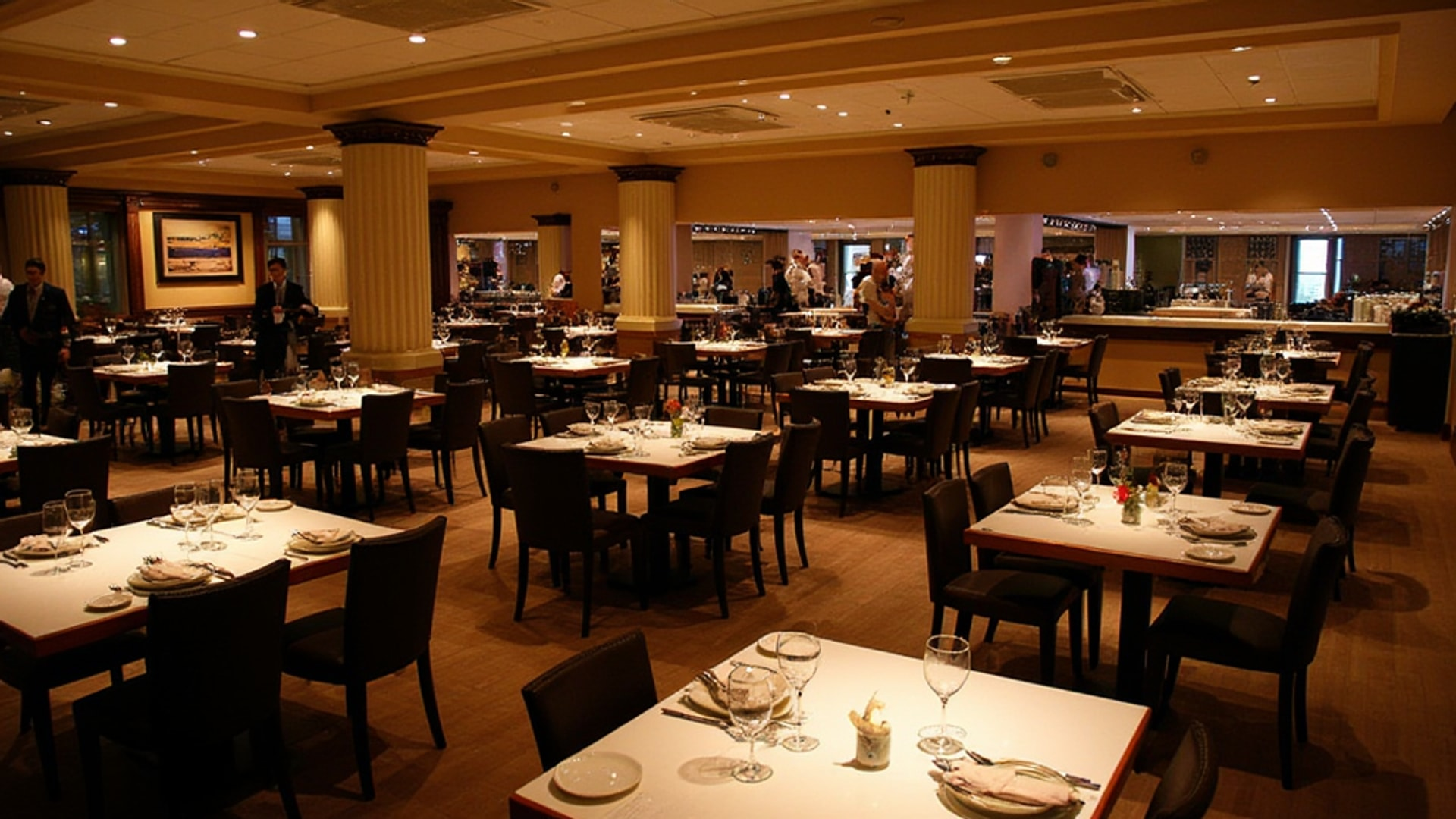
A Day in the Life of a Restaurant Owner: What You Actually Do All Day
What does a successful restaurant owner actually do between opening and close? The answer determines whether you are building a business or just working a very demanding job.
What does a successful restaurant owner actually do between opening and close? The answer determines whether you are building a business or just working a very demanding job.

The U.S. catering market is projected to reach $124 billion by 2032 — restaurants that build operational catering programs tap a revenue stream that leverages existing kitchen infrastructure and brand equity.
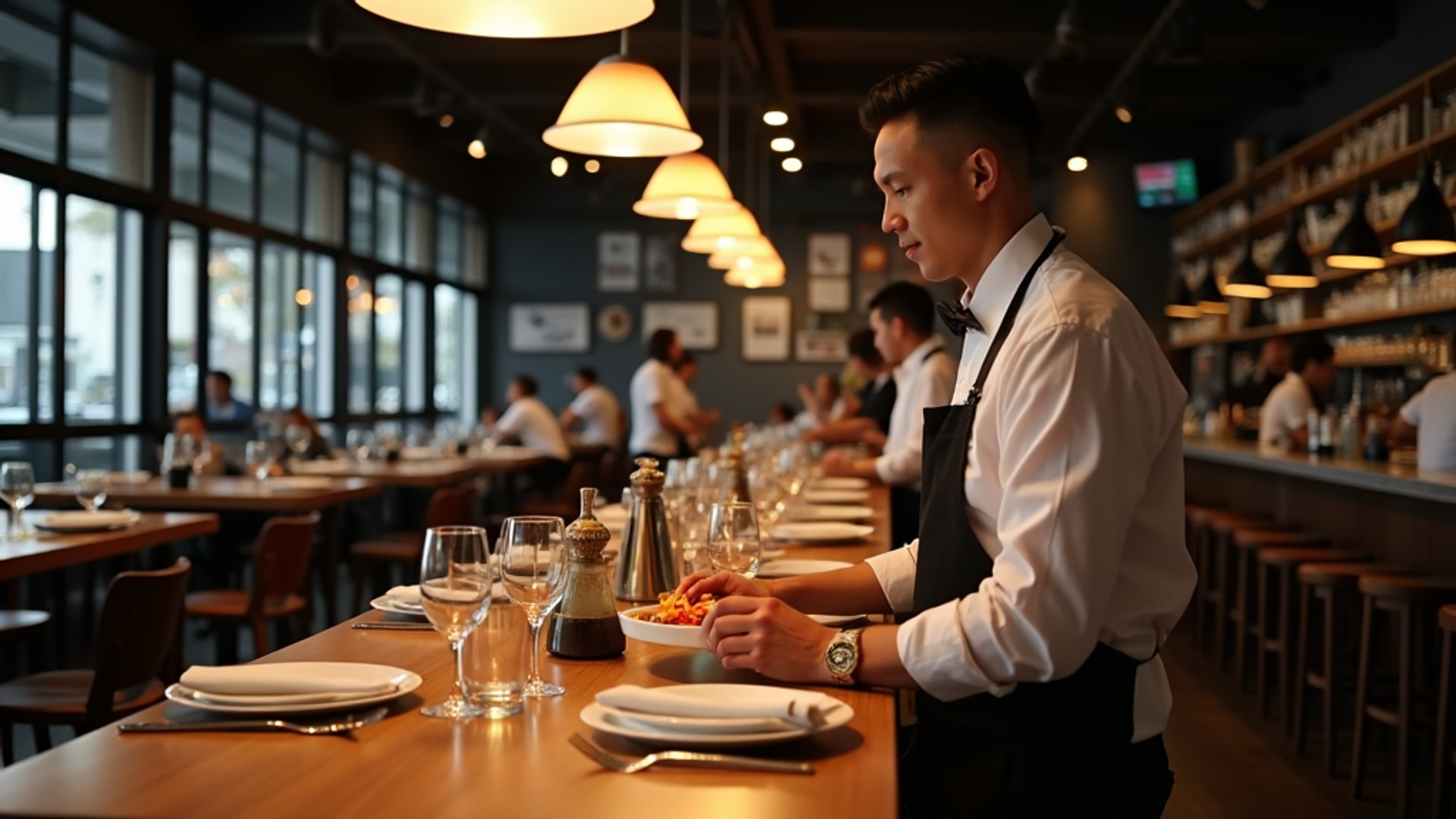
Ghost kitchens strip restaurant operations to their production core — no dining room, no servers, no storefront — and the model is projected to reach $157 billion globally by 2030.
Everything you need to know about running a food truck or mobile food business — from permit applications to daily workflow and route planning.
Industry benchmarks for restaurant speed of service across every format — from greeting time to ticket time — plus the measurement systems to track and improve your performance.
How to operationally prepare your restaurant for each season — adjusting staffing, menus, outdoor seating, and supply ordering before each transition, not after.
How to plan, staff, and operate outdoor dining that captures the revenue opportunity of patio season without the operational chaos that undermines service quality.

Ambiance is not decoration — it is an operational system that directly influences guest spending, satisfaction, and return rates.
Nearly 43% of fast-food orders go through the drive-through window — a 5-second reduction in service time can generate over $9,500 in additional revenue per location per year.
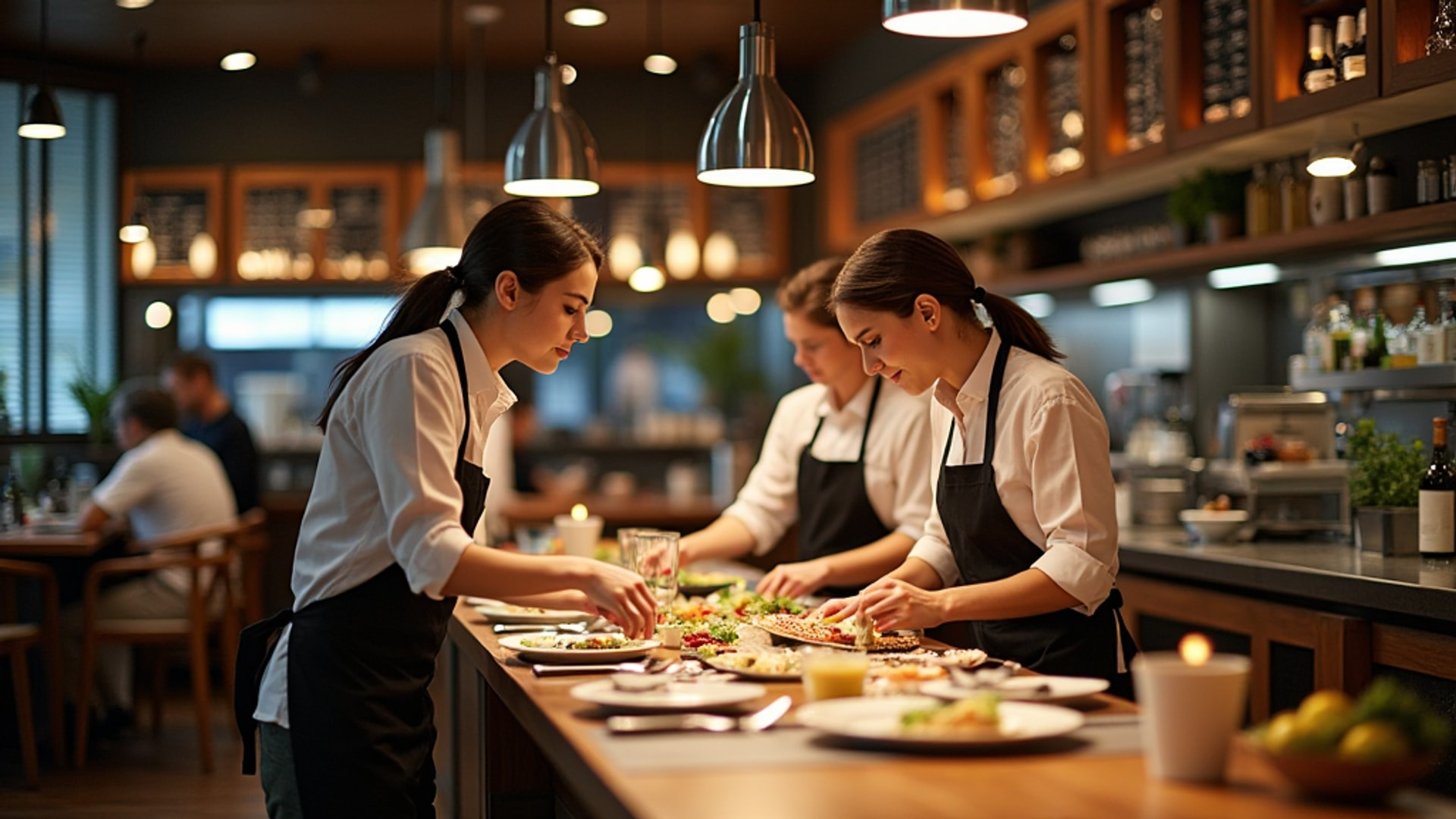
Cross-training transforms your team from a fixed collection of single-role workers into a flexible, resilient operation that can adapt to anything service throws at it.

A complete guide to restaurant tip management — covering federal law, tip pooling structures, distribution methods, and the documentation practices that keep your operation compliant.
Most restaurant emergencies are survivable with a plan — the operators who lose their businesses to crises are almost always the ones who had no plan at the time the crisis arrived.