
· kitchen
Commercial Kitchen Ventilation: Hood Systems, Codes, and Maintenance
Everything a restaurant operator needs to know about Type I and Type II hoods, exhaust rates, NFPA 96 cleaning schedules, and keeping inspectors happy.
Everything a restaurant operator needs to know about Type I and Type II hoods, exhaust rates, NFPA 96 cleaning schedules, and keeping inspectors happy.
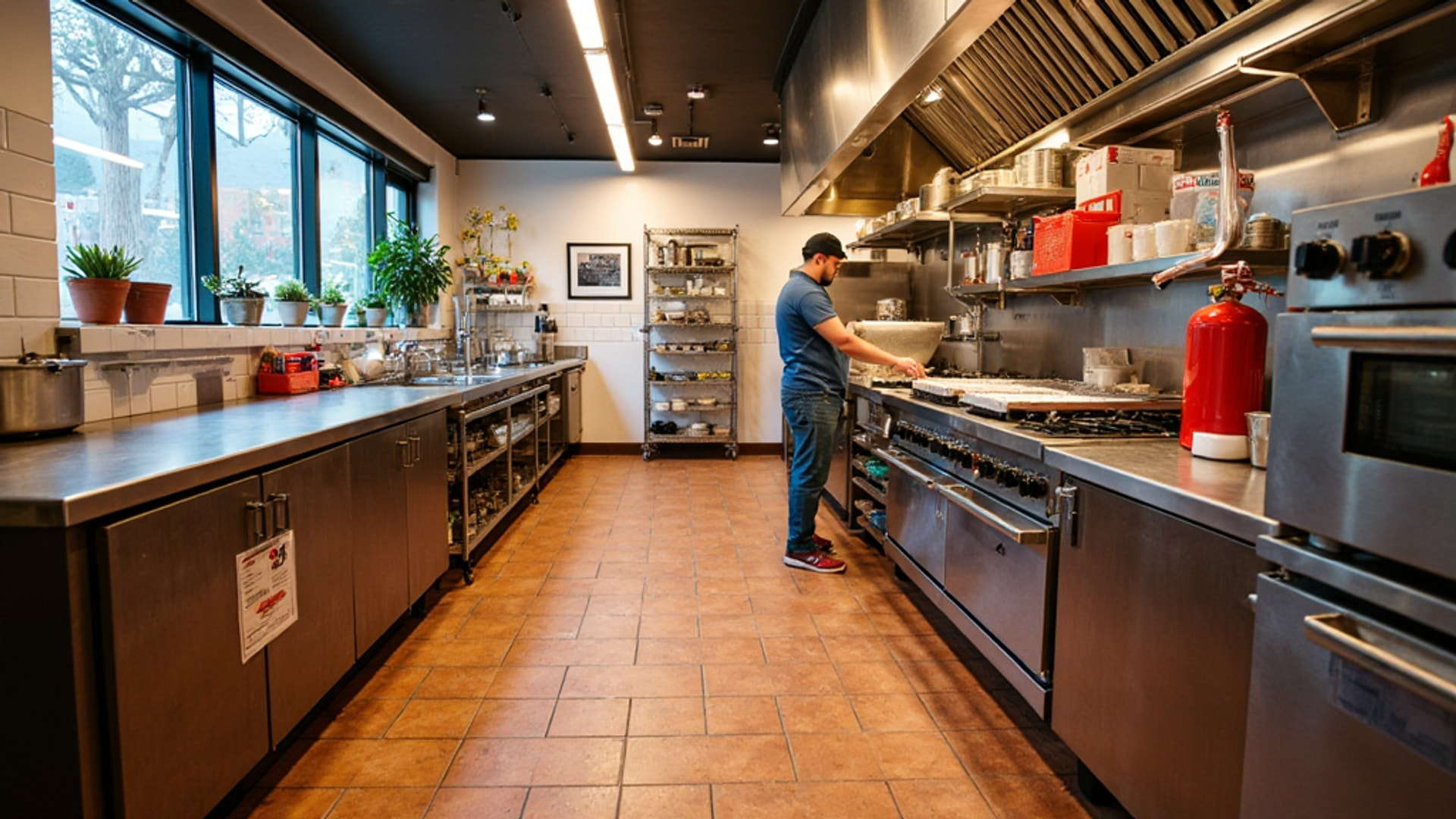
The service industry has the highest injury rate among workers ages 16-19, and research shows 90% of women in restaurants experience harassment. This guide covers OSHA compliance, the most common violations, harassment prevention programs, and the safety systems that protect your team and your business.
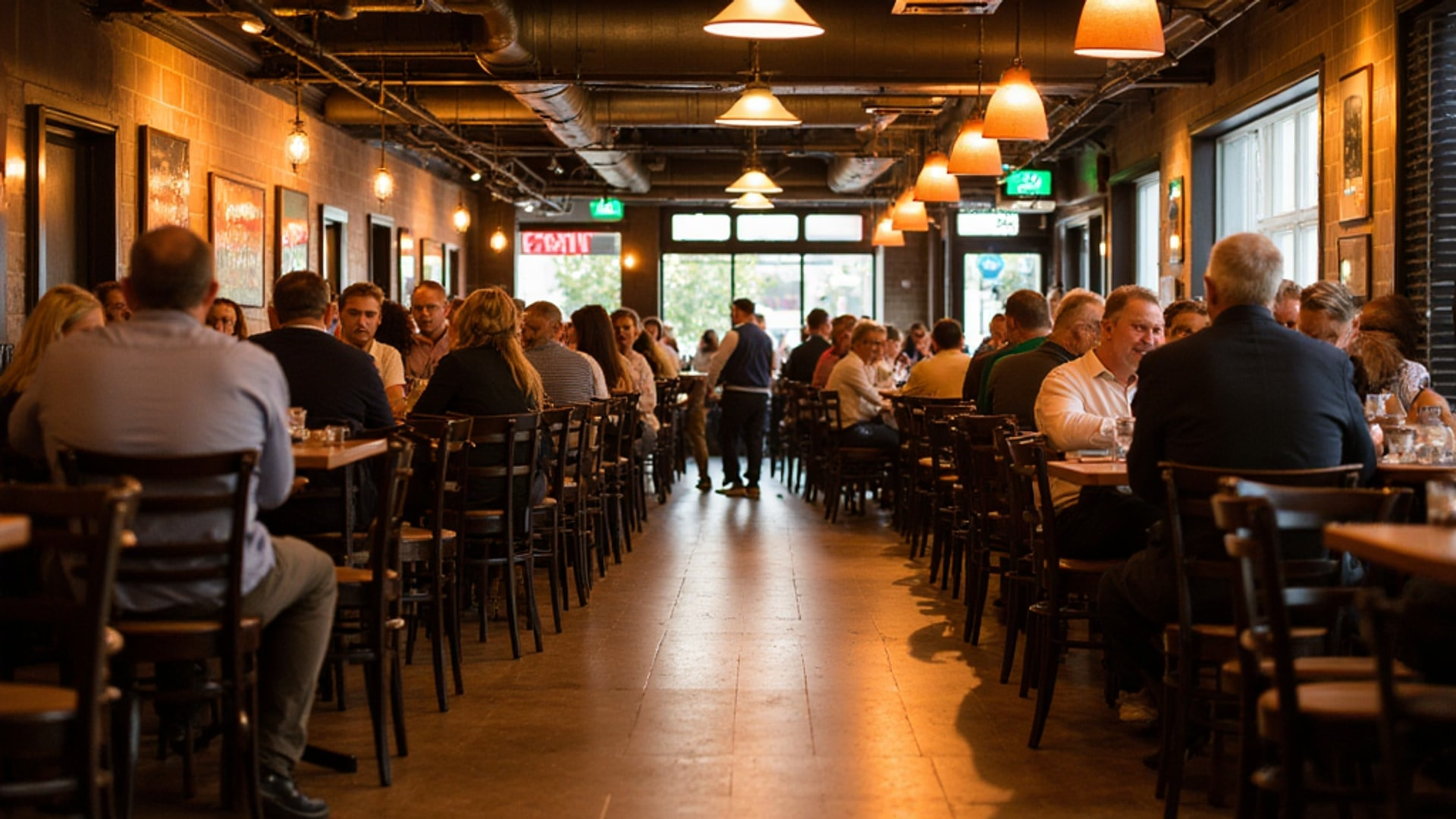
How occupancy limits are calculated, what fire suppression systems are required, egress rules, and the inspection obligations that determine whether your restaurant can legally stay open.
Kitchen fire suppression systems explained: NFPA 96 and UL 300 requirements, installation steps, inspection schedule, discharge rules, and costs.
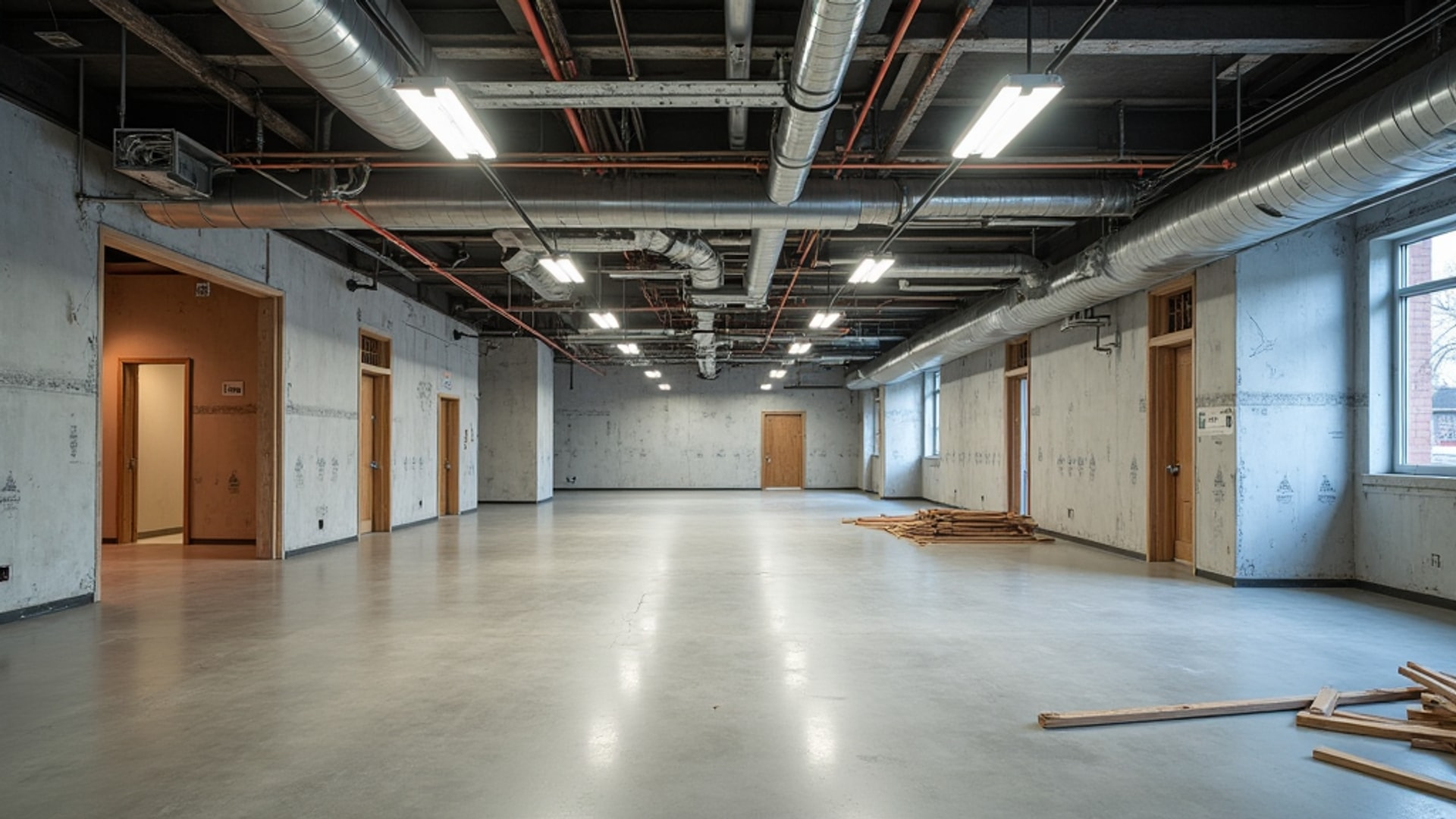
Fire safety and egress requirements are non-negotiable in restaurant design — understanding the code principles protects your guests, your staff, and your license to operate.
How to meet NFPA 96 exhaust cleaning requirements, what professional service costs, and how to build a maintenance program that prevents grease fires.