· kitchen
HACCP for Restaurants: The 7 Principles With an Example Plan
HACCP for restaurants: the 7 principles in one table, a worked HACCP plan for a chicken dish, where HACCP begins, and when a plan is legally required.
HACCP for restaurants: the 7 principles in one table, a worked HACCP plan for a chicken dish, where HACCP begins, and when a plan is legally required.
A practical guide to food safety compliance in restaurants — covering HACCP implementation, temperature control, cross-contamination prevention, allergen management, health inspections, and the documentation that holds it all together.
Health inspection grades are posted on your window and searched online by every potential customer — understanding how scoring systems work is the foundation of protecting your score.
A practical guide to FDA Food Code temperature requirements, the danger zone, cold and hot holding standards, receiving inspection procedures, and FIFO rotation systems that prevent spoilage and protect your health score.
How to choose the right commercial refrigeration equipment, organize your walk-in for safety and efficiency, and keep cold storage compliant with FDA Food Code temperature requirements.
How to build and execute a kitchen cleaning program that satisfies health inspectors, prevents pest infestations, and keeps food contact surfaces safe — including daily, weekly, and monthly task schedules and proper sanitizer concentrations.
Health inspections are unannounced and can shut you down. Here's exactly what inspectors examine, how scoring works, and the daily systems that keep you always ready instead of scrambling.

Food safety certification is not just a regulatory checkbox — it is the foundation of your operation's credibility, your defense in a liability situation, and your team's understanding of why the rules exist.
The operational systems restaurants need to prevent cross-contamination from pathogens and cross-contact from food allergens — two distinct hazards that require different prevention strategies.
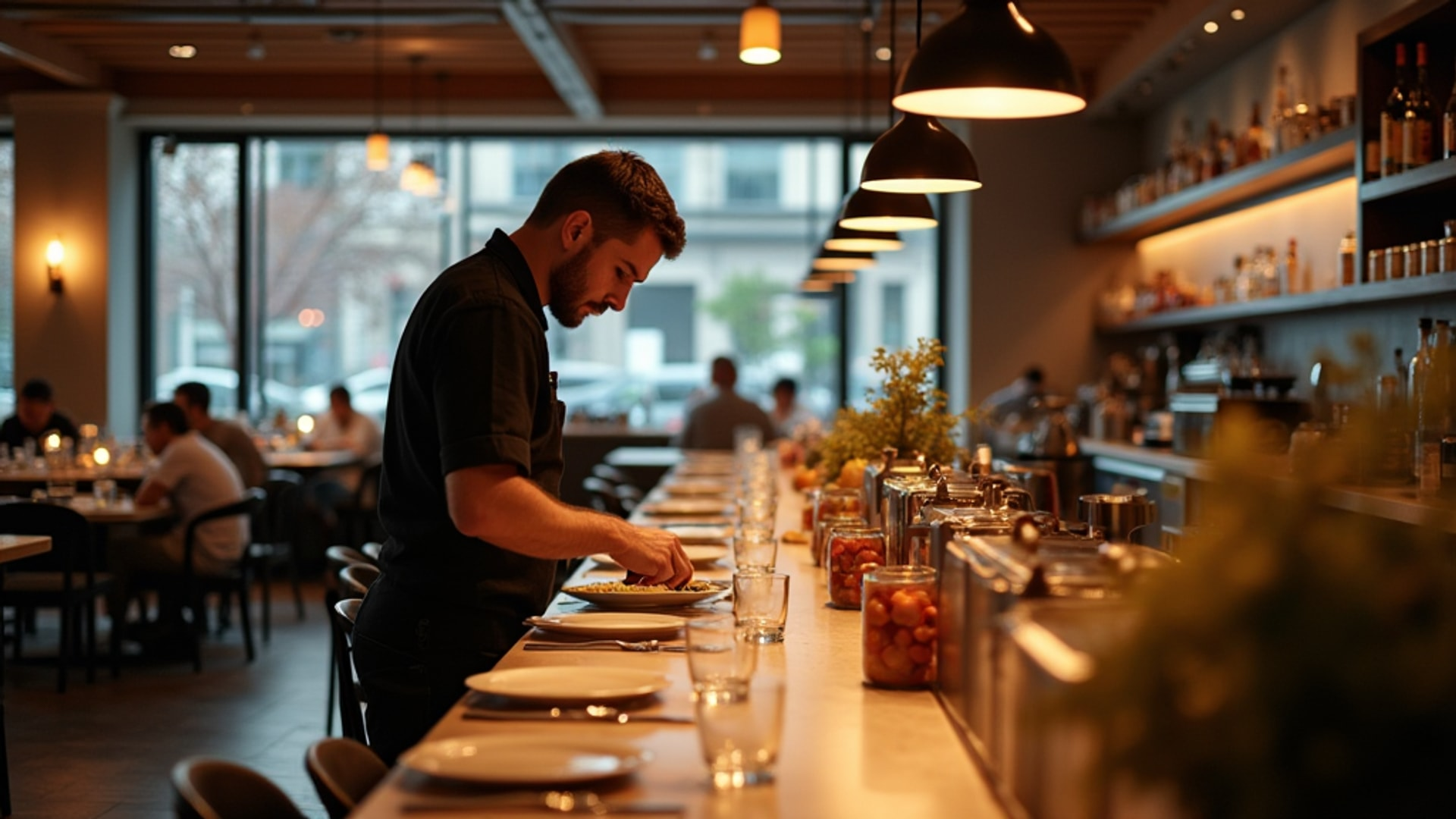
The CDC's outbreak data reveals the specific practices that cause most restaurant foodborne illness events — and most of them are entirely preventable.
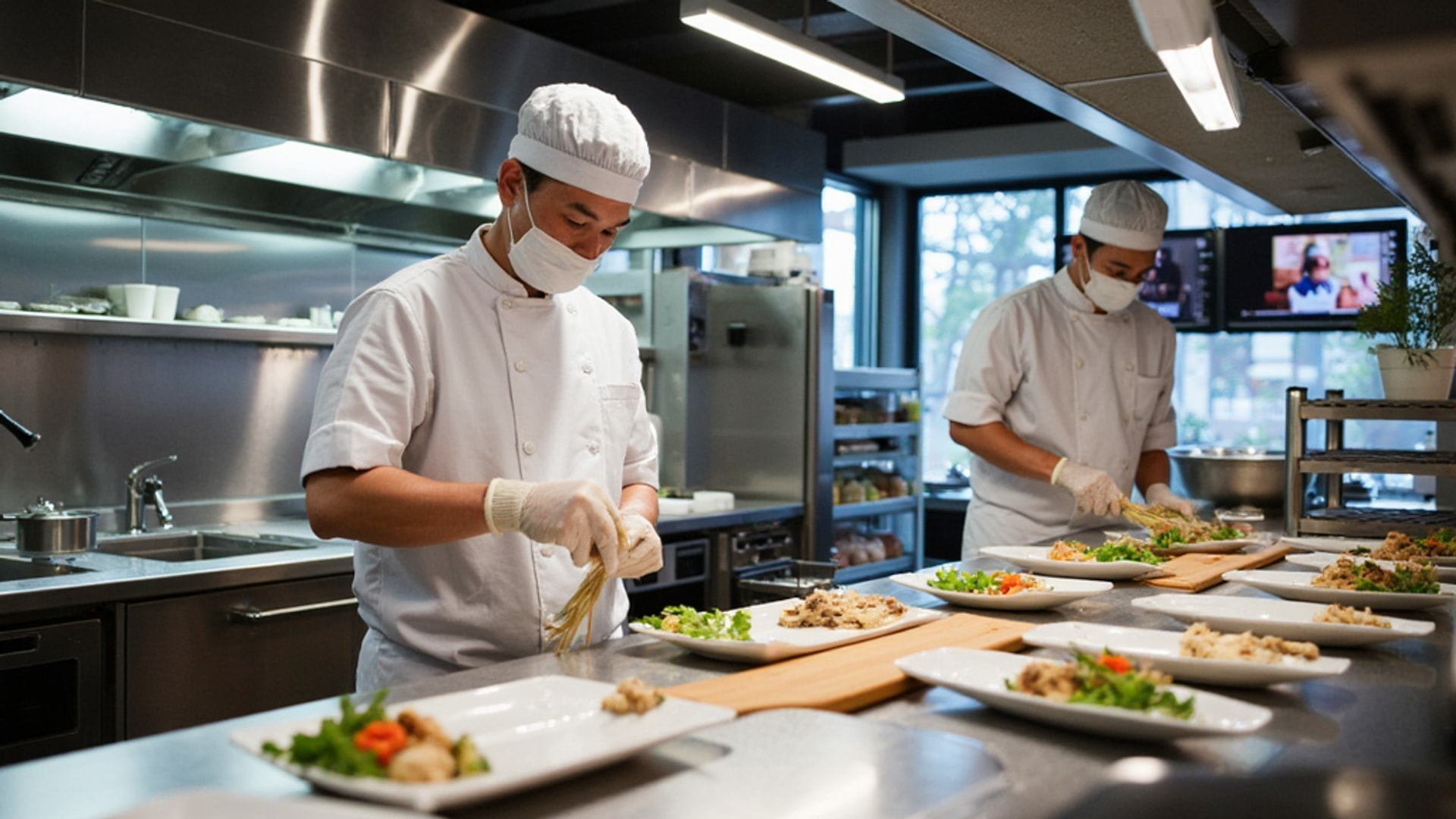
Chipotle's 2015-2016 food safety crisis wiped out over 50% of its stock value and collapsed net income from $475 million to $22.9 million — and then the company rebuilt through a combination of operational overhaul, leadership replacement, and digital transformation.
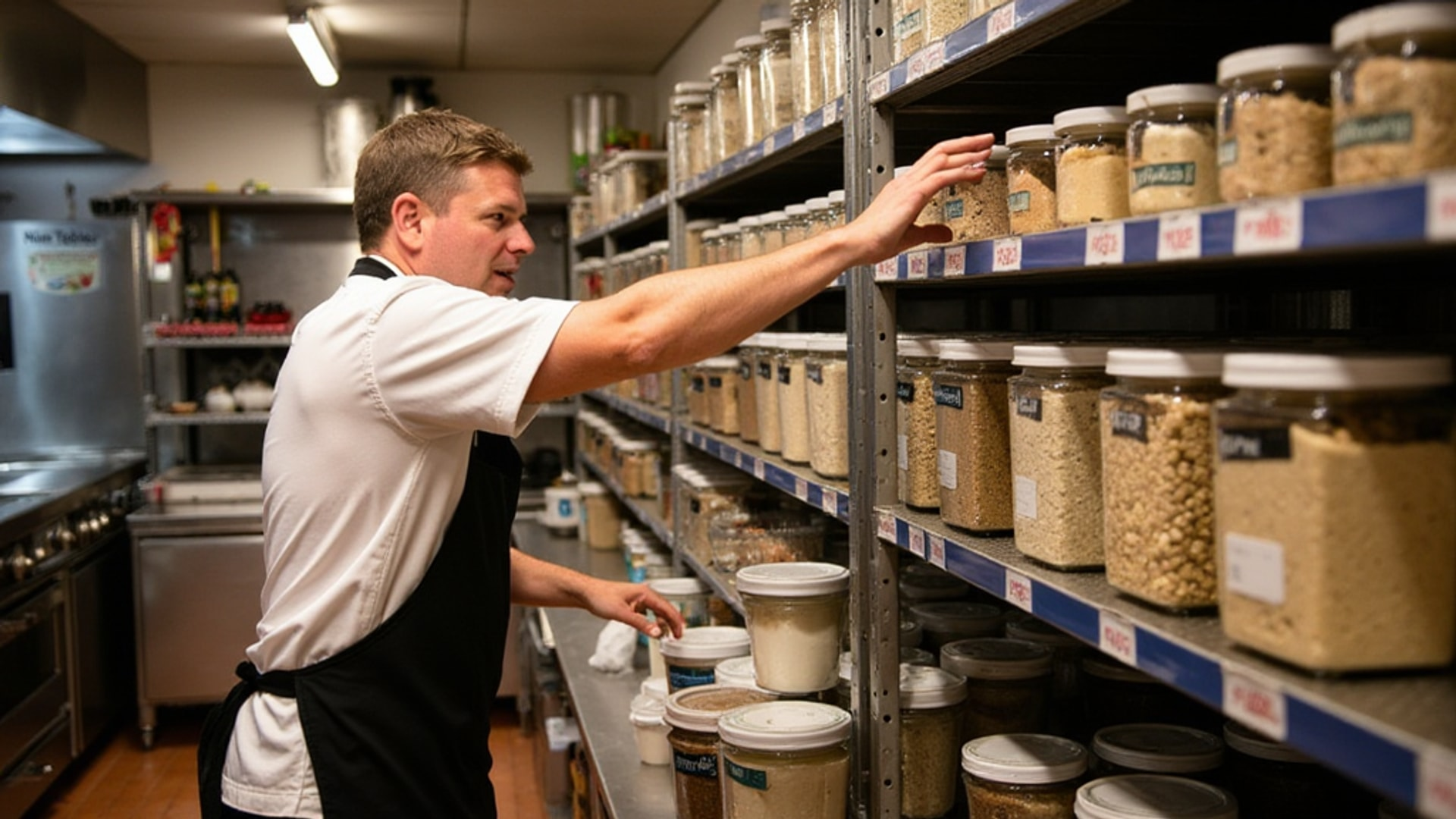
The nine major food allergens, federal and state disclosure requirements, how restaurant liability works when allergic reactions occur, and practical risk management strategies.