· Culture & Sustainability · 10 min read
DEI, Mental Health, and the Tipping Debate: The Human Side of Running a Restaurant
76% of hospitality workers report mental health issues. 41% of Americans think tipping is out of control. And the DEI landscape is shifting under everyone's feet. Here's what operators need to know about the human side of the industry.

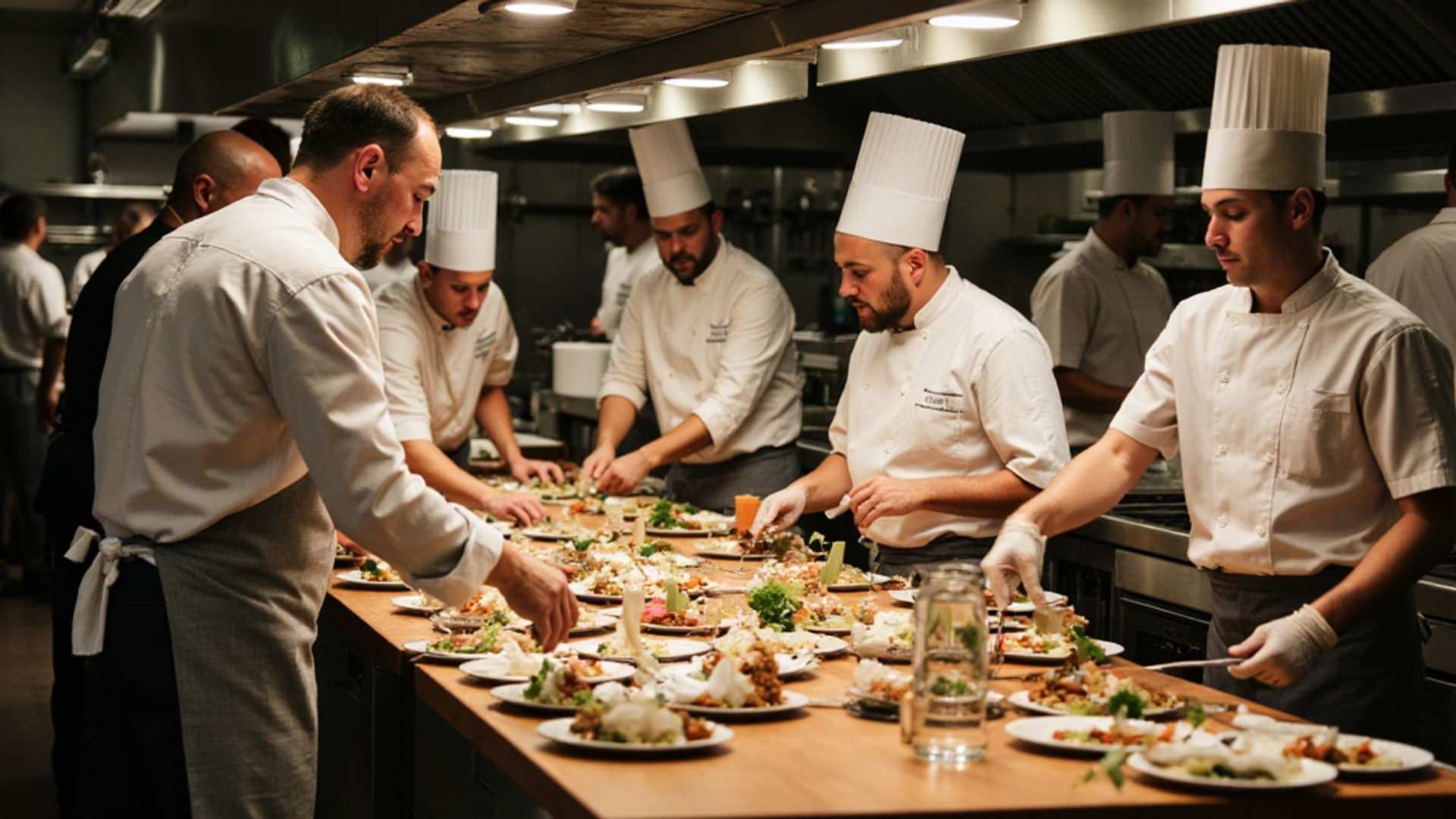
The restaurant industry runs on people. Not concepts, not menus, not technology. People. And right now, the people who make this industry work are under extraordinary pressure from three directions simultaneously: a mental health crisis that has reached alarming proportions, a diversity and inclusion conversation that is shifting rapidly, and a tipping system that satisfies almost no one.
These are not separate issues. They are interconnected forces that shape who works in your restaurant, how long they stay, and whether they can sustain the quality of work that your business depends on. Understanding them is not a human resources exercise. It is a survival strategy.
The Mental Health Crisis: The Numbers Are Alarming
The restaurant industry scored 98 out of 100 on the burnout scale, according to Bar & Restaurant’s industry analysis, effectively leading all industries in worker stress and psychological strain. The Burnt Chef Project’s 2024 data shows over 76 percent of hospitality workers reported experiencing mental health issues during their careers, a significant rise from 56 percent in 2018.
The statistics for chefs specifically are even more sobering:
| Metric | Percentage |
|---|---|
| Chefs reporting depression | 63% |
| Sleep deprived to exhaustion | 74% |
| Feeling pushed to breaking point | 53% |
| Likelihood of alcohol dependence vs. general population | Nearly 2x |
Bar & Restaurant’s research puts the number even higher: 80 percent of hospitality professionals report experiencing at least one mental health issue during their career. And 17 percent of restaurant workers have been diagnosed with a substance abuse disorder, the highest rate of any industry.
Why Restaurant Work Breaks People
These numbers are not accidents. They are the predictable result of structural conditions that have been normalized for decades:
- 60 to 80 hour weeks are treated as standard in kitchen culture
- Intense physical demands in hot, high-pressure environments for entire shifts
- Thin profit margins creating constant financial pressure on owners
- Dual burden of creative menu development combined with grinding operational management
- High emotional demands (constant customer interaction, need for flawless service) combined with low job control (rigid scheduling, management directives)
- Financial instability inherent in tipped work creating chronic anxiety
- Irregular hours disrupting sleep, social relationships, and access to healthcare
The pandemic did not create this crisis. It amplified conditions that already existed. Supply chain stress, staffing shortages, and existential uncertainty added fresh layers of strain to an already overstressed workforce.
What You Can Do About It
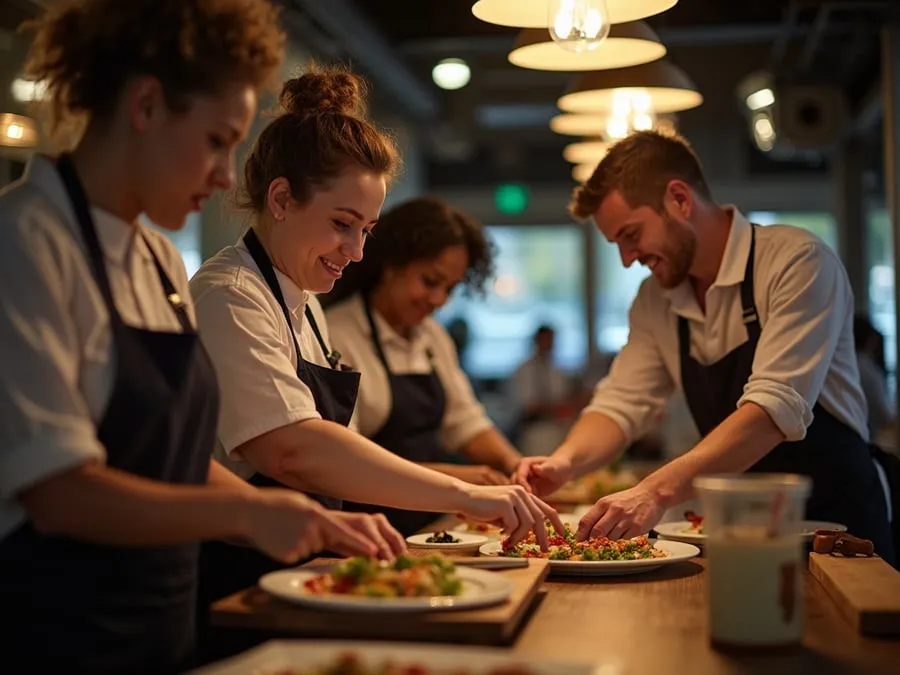
The industry is slowly acknowledging that the traditional kitchen culture of endurance and suffering is neither sustainable nor necessary. Younger chefs are more willing to discuss mental health openly, but structural change in hours, compensation, and working conditions remains uneven.
Immediate actions:
- Schedule recovery time without exception. One or two days off every week is not a luxury. It is a minimum requirement for sustainable performance.
- Delegate and develop. Delegation requires investing in staff development and trusting others to maintain standards. This investment pays dividends in reduced owner burnout and stronger team capability.
- Establish boundaries. The always-on nature of restaurant operations makes this particularly difficult, but it is critical for sustainable leadership.
Structural changes:
- Limit shifts to a maximum of 10 to 12 hours, with adequate breaks
- Provide predictable scheduling at least two weeks in advance
- Offer access to mental health resources as a standard benefit
- Train managers to recognize signs of burnout and respond supportively
- Challenge the glorification of overwork in your kitchen culture
Support resources:
Several organizations now provide specialized support:
| Organization | What They Offer |
|---|---|
| The Burnt Chef Project | Free 24-hour mental health support for hospitality workers |
| CHOW | Mental health resources, training, online guides, weekly support groups |
| Staff therapists (emerging practice) | Some restaurants now hiring dedicated therapists as a business investment |
One restaurant owner featured by NPR addressed burnout by hiring a staff therapist, recognizing that restaurant work has become more stressful than ever and that proactive mental health support is a business investment, not just a perk.
The DEI Conversation: Navigating the Shift
The diversity, equity, and inclusion conversation in the restaurant industry has entered a complicated new phase. Following executive orders issued in January 2025 that characterized DEI programs as potentially discriminatory, major restaurant chains have been rolling back or rebranding their diversity initiatives.
What the Major Chains Have Done
NRN’s reporting documents the changes:
- McDonald’s retired some DEI practices and renamed its diversity division to the Global Inclusion team
- Wendy’s changed its chief DEI officer title to global chief culture and inclusion officer
- Yum Brands renamed their chief diversity officer role to chief culture, opportunity, and belonging officer
- Starbucks shareholders voted to remove the link between executive compensation and diversity goals
One in eight companies planned to scale back DEI commitments in 2025, with nearly half citing the political climate as the reason.

The Industry’s Unique Position
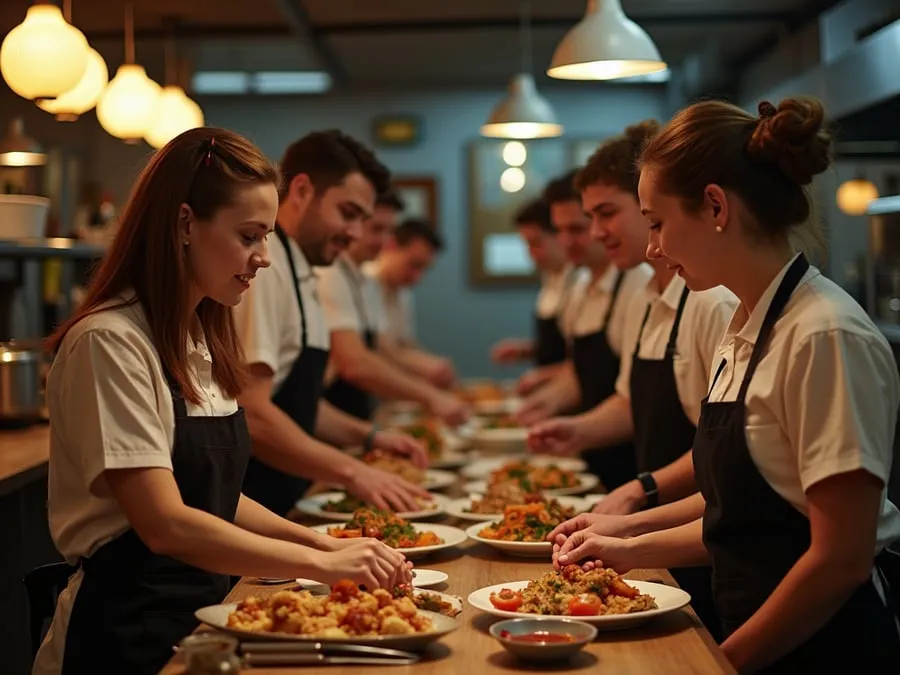
The restaurant industry occupies a distinctive position in the DEI conversation. NRA research shows 40 percent of restaurant businesses are majority-owned by minorities, compared to 29 percent across all industries. And 40 percent of restaurant managers and supervisors are minorities.
But ownership diversity does not automatically translate into equitable employee experiences. But the NRA also found that only 30 percent of current employees believe DEI programs positively impact their workplace. A gap exists between how diverse companies believe they are and what employees actually report experiencing.
The Gender Gap Persists
NRN’s data on the gender gap in restaurant leadership is stark:
| Position | Women’s Representation |
|---|---|
| Leadership positions (vs. men) | 1 for every 10.3 men |
| Restaurant management | 33% |
| Chefs and head cooks | 19% |
| C-suite executives | 20% |
| Chef salary gap | Women earn ~28% less |
Entry-level positions show diversity, but senior positions do not. Women are disproportionately placed in “cold section” kitchen roles while men occupy “hot section” positions, perpetuating a structural barrier to advancement.
What This Means for Your Restaurant
Regardless of your position on corporate DEI programs, several practical realities apply:
The business case is clear. NRA data shows workplaces where employees report feeling respected and a sense of belonging have higher job satisfaction and lower turnover. In an industry with chronic labor shortages, that is not a social statement. It is an operational advantage.
Focus on outcomes, not labels. Whether you call it DEI, inclusion, culture, or simply good management, the practices that matter are concrete:
- Fair and transparent hiring and promotion processes
- Equal pay for equal work, verified through regular audits
- Mentorship programs that actively develop underrepresented talent
- A workplace culture where all staff feel respected and heard
- Clear pathways from entry-level to management for all employees
The restaurant industry’s diversity is an asset. With 40 percent minority-owned businesses and one of the most diverse workforces in the economy, the industry has a genuine foundation to build on, if operators invest in making that diversity an authentic competitive advantage rather than a talking point.
The Tipping Debate: Out of Control and Getting Worse
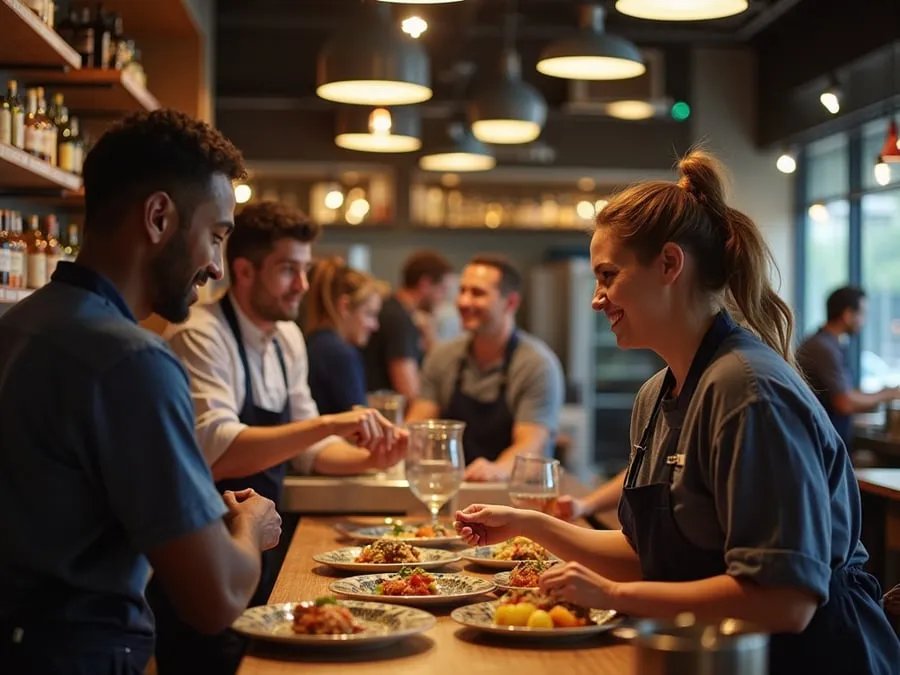
A 2025 Bankrate survey found 41 percent of Americans think tipping culture is out of control. Pew Research found 65 percent say they are tired of tipping and tip prompts appearing everywhere. Toast’s analysis puts it even higher: nearly 9 in 10 Americans say tipping culture has gotten out of control.
The numbers paint a picture of a system under severe strain.
Consumer Sentiment by the Numbers
Data from Pew Research, Bankrate, and Toast:
| Metric | Data |
|---|---|
| Americans who feel tipping is “out of control” | 41% (Bankrate) / ~90% (Toast) |
| Reporting “tipping fatigue” | 65% |
| Feeling asked to tip in more places than 5 years ago | 72% |
| Willing to tip a table server | 79% |
| Willing to tip at a counter | 17% |
| Willing to tip at a drive-through | 12% |
| Holding at least one negative view about tipping | 63% |
The pattern is clear: consumers accept tipping for traditional table service but increasingly resent prompts for counter service, takeout, and non-table-service interactions.
The Paradox: Fatigue Without Collapse
Despite all the stated frustration, actual tipping rates have not collapsed. Square’s Q3 2025 data shows full-service restaurant tips on major payment platforms hovering around 19 to 20 percent. The disconnect between stated frustration and actual behavior suggests that social pressure and digital tip screens continue to influence gratuity decisions at the point of sale.
The Service Charge Alternative
Toast’s data shows 54 percent of full-service operators now add service charges or automatic gratuities to checks. In fine dining, that figure reaches 67 percent. Some restaurants are experimenting with more radical models:
- Service-inclusive pricing: Building gratuity into menu costs for stable staff wages
- Flat service charges: Pooled across all staff for more equitable distribution
- No-tipping policies: Higher menu prices that include full staff compensation
Each model has tradeoffs. Service-inclusive pricing faces customer resistance to visibly higher menu prices. Fixed-wage models may cause top servers to leave for traditional tipping environments where they earn more. The “no tax on tips” legislation creates additional complications for mandatory gratuity structures.
Navigating the Tipping Question
There is no perfect solution, but here are practical considerations:
If you keep traditional tipping:
- Remove tip prompts from counter-service and takeout transactions where customers clearly resent them
- Train servers on genuine hospitality rather than tip-maximizing tactics
- Consider tip pooling to reduce back-of-house/front-of-house pay disparities
If you explore service-inclusive pricing:
- Test the model on specific shifts or menu categories before full rollout
- Communicate clearly why prices reflect included service
- Monitor server retention carefully during the transition
- Be prepared for customer pushback on perceived price increases
If you add a service charge:
- Be transparent about where the charge goes
- Ensure it reaches the staff it is intended to benefit
- Understand the legal distinction between a service charge (business revenue) and a tip (employee property)
How These Issues Intersect
Mental health, diversity, and tipping are not separate problems. They compound each other:
- Tipped workers have less access to health insurance, regular shifts, and paid leave. The financial instability of tip-dependent income contributes directly to anxiety and mental health challenges.
- The gender and racial pay gaps in the industry are amplified by tipping dynamics, where front-of-house positions (traditionally higher-earning through tips) have historically skewed toward certain demographics.
- Mental health stigma is stronger in kitchen cultures that value toughness and endurance, the same cultures that resist diversity and inclusion efforts.
- Burnout drives turnover, and turnover is more expensive and disruptive in workplaces that have not invested in developing diverse talent pipelines.
The operators who address these issues holistically, treating them as interconnected aspects of workplace culture rather than separate HR initiatives, will build more resilient, higher-performing teams.
An Action Framework for Operators
Mental Health (Start Today)
- Assess your current schedule: does every team member get at least one full day off per week?
- Share information about The Burnt Chef Project and CHOW with your team
- Train managers to recognize burnout symptoms
- Establish a no-retaliation policy for staff who raise mental health concerns
- Model healthy boundaries as an owner or manager
Inclusion (Start This Month)
- Audit your pay data for gaps by gender, race, and position
- Review your promotion history: who advances and who does not?
- Establish clear, documented criteria for hiring and advancement
- Create mentorship opportunities that pair experienced leaders with emerging talent
- Solicit anonymous employee feedback on workplace culture
Compensation (Start This Quarter)
- Evaluate whether your tip prompts align with customer expectations
- Analyze the pay differential between your front-of-house and back-of-house teams
- Research service-inclusive models used by restaurants in your market
- Discuss compensation structure openly with your team
- Consult a labor attorney on the legal implications of any changes
The restaurant industry has always been demanding. But demanding and exploitative are not the same thing. The operators who build workplaces where people can sustain careers, not just survive shifts, will attract better talent, retain them longer, and ultimately deliver better experiences to their customers. That is not idealism. It is the most practical competitive strategy available.
-> Read more: Chef and Owner Burnout: Recognizing the Crisis and Building a Sustainable Career
-> Read more: Women in Restaurant Leadership: The Gender Gap, the Data, and What to Do About It
-> Read more: The Tipping Culture Debate: Where Restaurants Go From Here