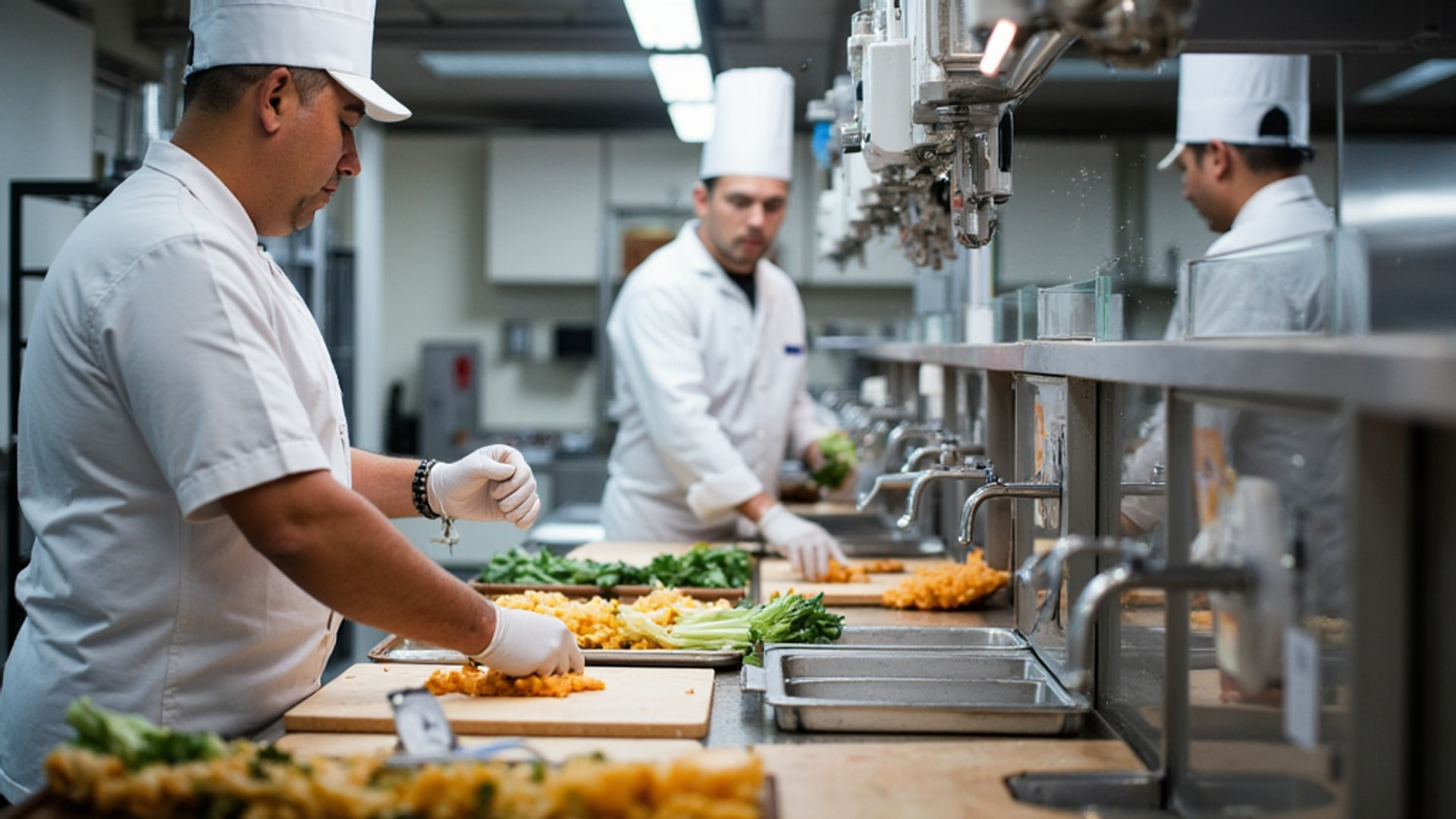
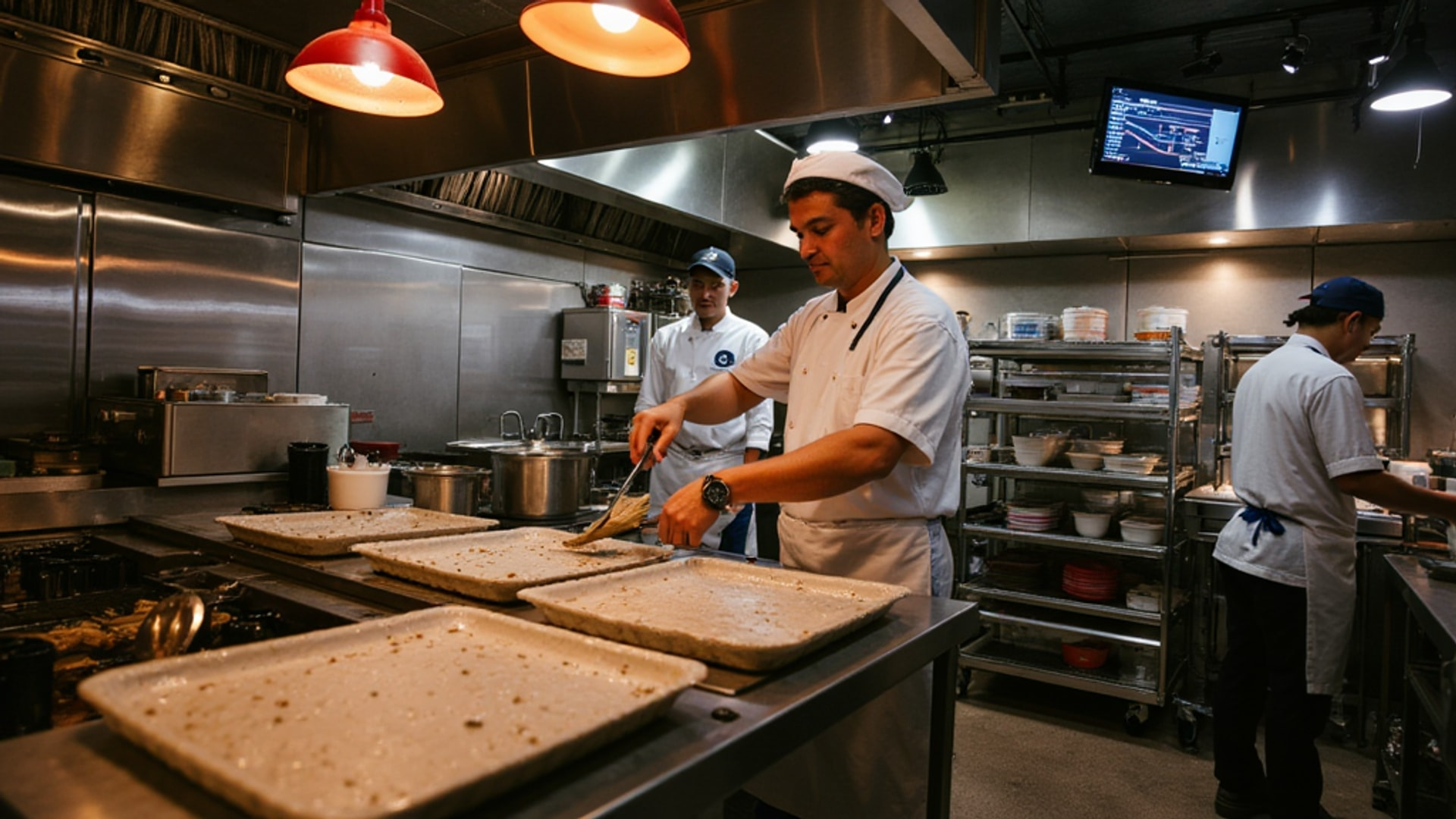
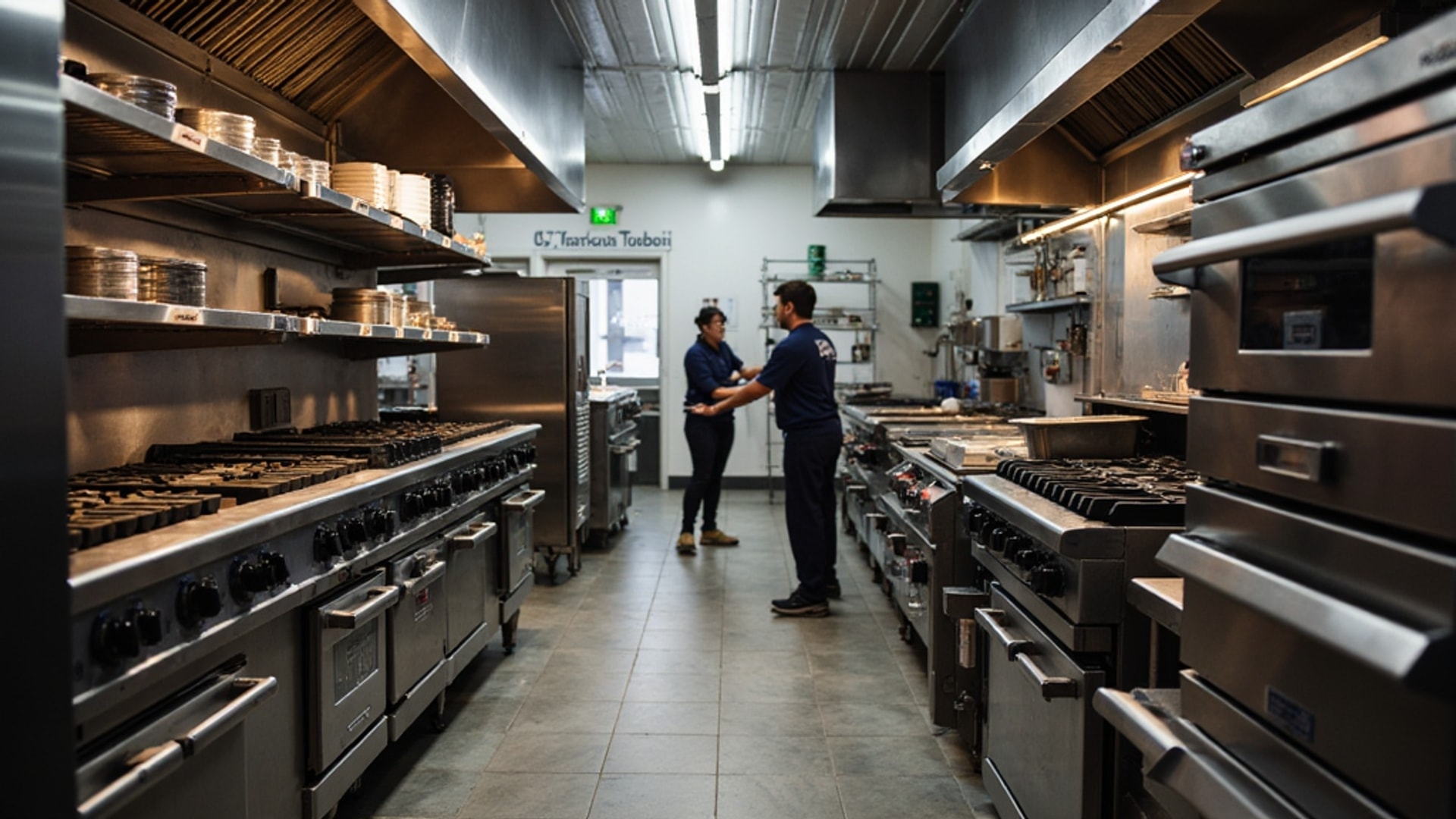
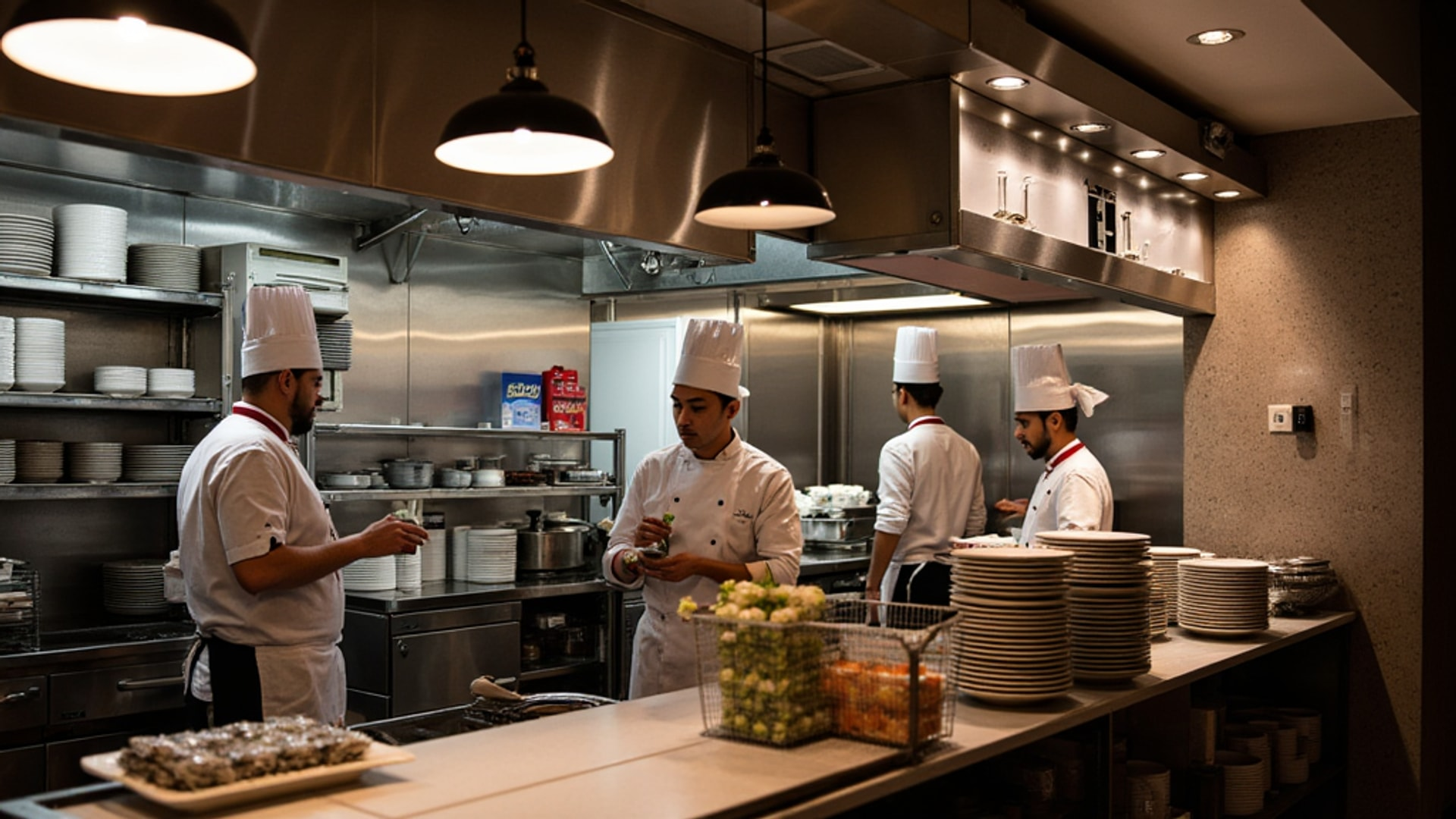
The kitchen is the engine room of every restaurant. While the dining room is where guests experience your hospitality, the kitchen is where your vision takes physical form on every plate that leaves the pass, guided by principles that organizations like the American Culinary Federation have codified over decades of professional practice. Effective kitchen management weaves together spatial organization, equipment strategy, human coordination, food safety, and relentless preparation. Master these elements and your restaurant runs like a well-tuned machine.
This pillar guide introduces the core principles every restaurateur and kitchen leader needs to understand, with links to deeper resources across NineGuides.
Kitchen Organization: Creating Order from Chaos
A well-organized kitchen is the foundation everything else rests on. Organization reduces friction so every cook can find what they need, when they need it, without thinking twice.
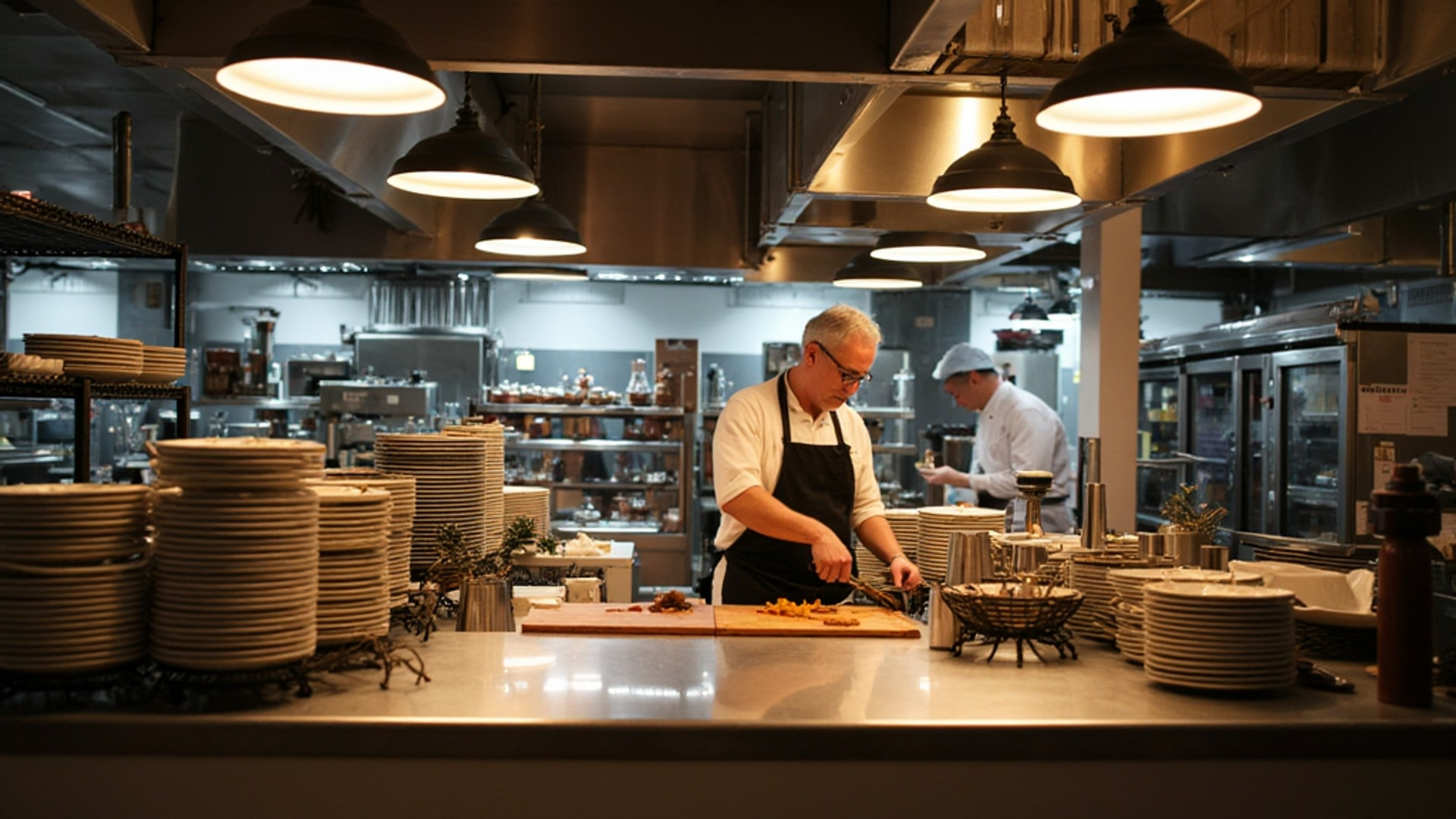
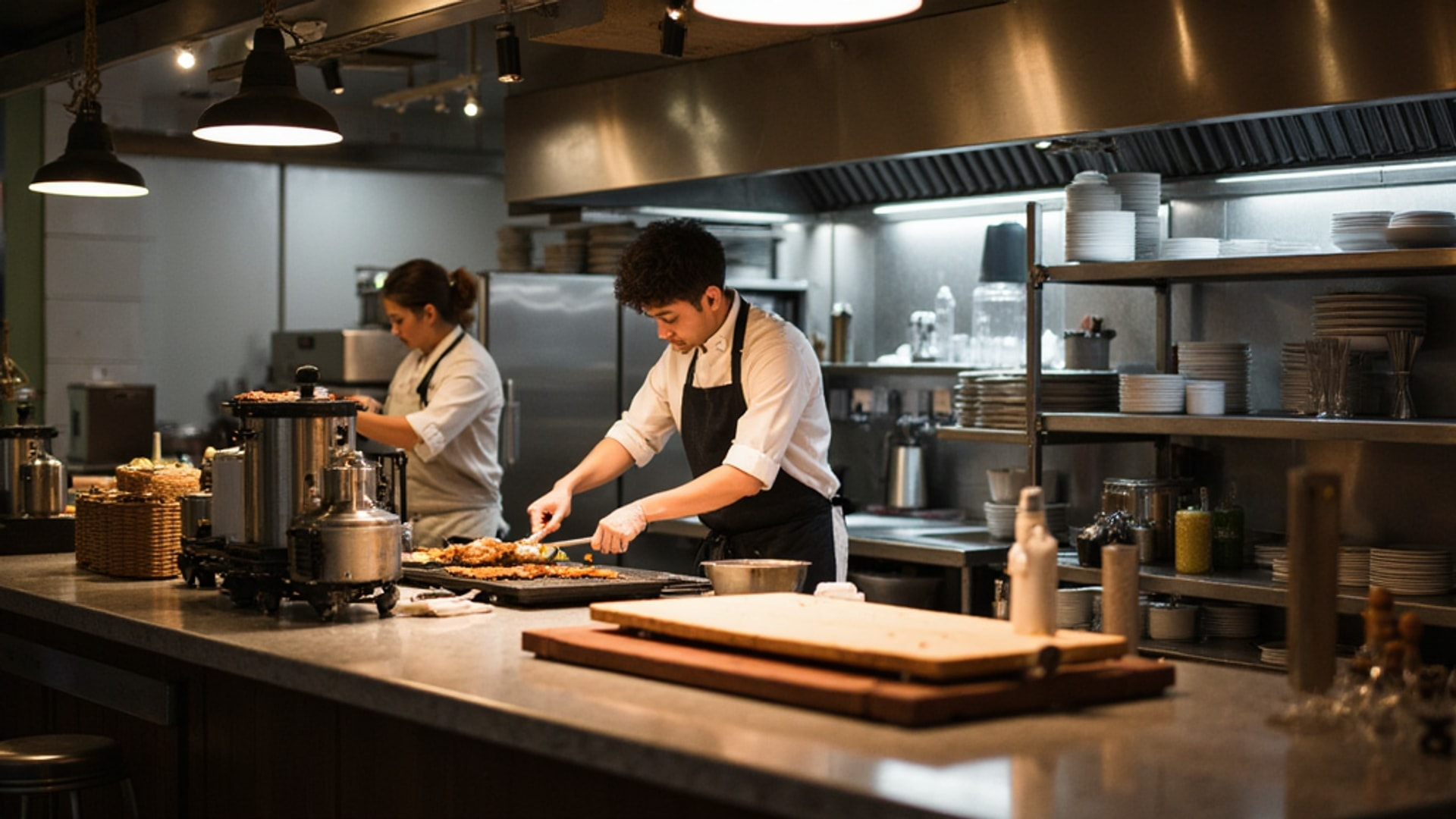
Start with a logical station layout. Every kitchen should have clearly defined zones: hot line, cold line, prep area, pastry station, dishwashing, and storage. Each zone needs dedicated tools, smallwares, and ingredient staging. When a cook crosses the kitchen to find a sixth pan, that is a design failure.
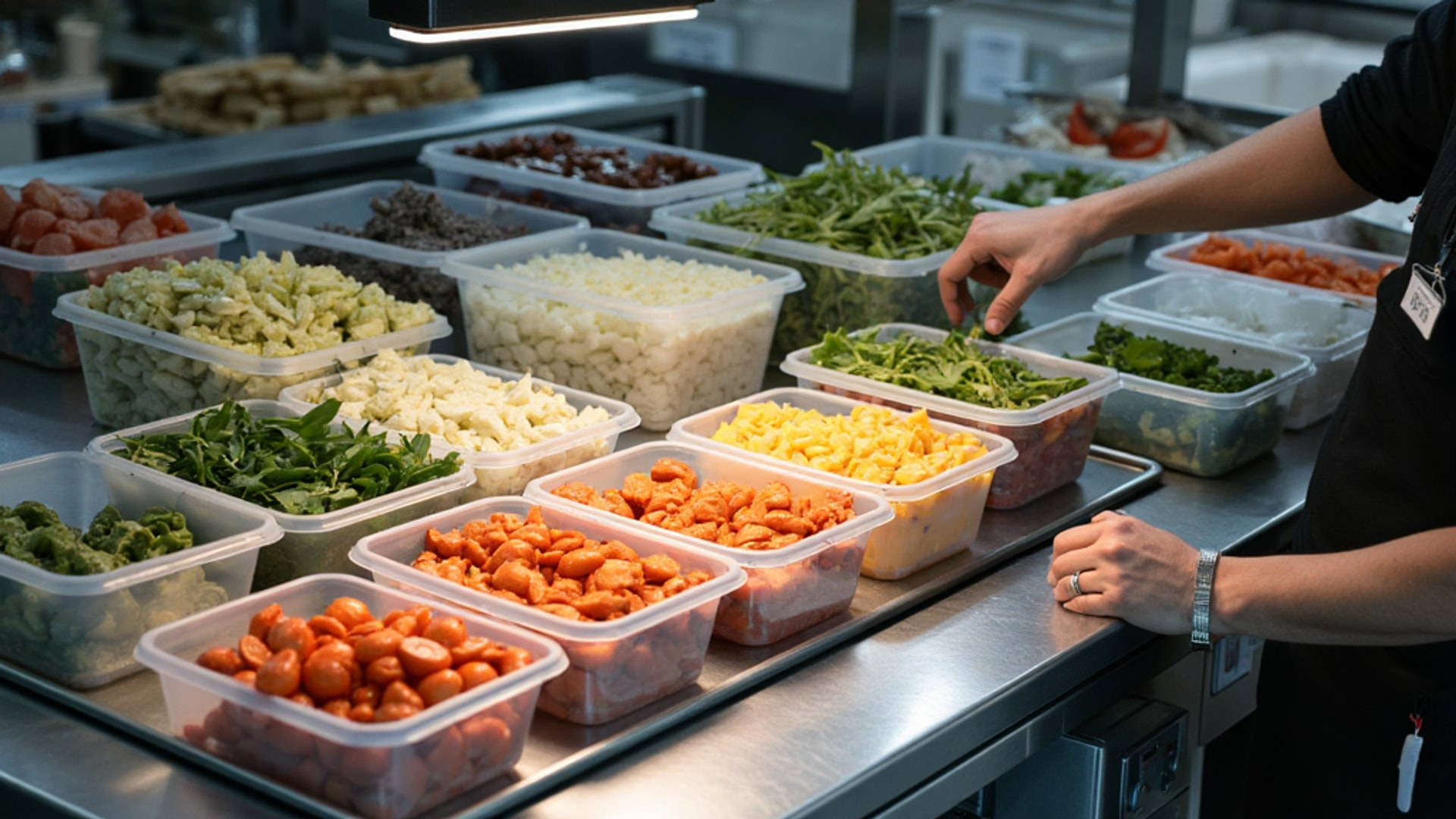
Label and date every container. Use color-coded systems for cutting boards and storage bins to prevent cross-contamination. Establish par levels so restocking happens proactively rather than mid-rush. Vertical storage with wall-mounted shelving, magnetic knife strips, and overhead pot racks keeps counters clear.
For a deeper look at how physical space shapes performance, read our guide on designing an efficient restaurant kitchen layout.
Equipment Selection: Investing Where It Matters
Commercial kitchen equipment represents one of the largest capital expenditures in opening a restaurant. The right choices pay dividends for years. The wrong ones drain your budget through repair bills and energy waste.
Begin with your menu. Every piece of equipment should trace back to a specific menu need. A wood-fired pizzeria needs a radically different package than a sushi bar. Avoid buying equipment for hypothetical future menus.
Prioritize reliability and serviceability over brand prestige. Research warranty terms, local service availability, and replacement part costs. Energy efficiency also matters: high-efficiency fryers, induction burners, and ENERGY STAR certified refrigeration pay for themselves within two to three years. Factor total cost of ownership into every decision.
→ Read more: Kitchen Equipment Essentials: What to Buy, What to Skip, and How to Save
Workflow Optimization: The Science of Smooth Service
Kitchen workflow is the sequence of steps that transforms raw ingredients into finished plates. Optimizing this flow means reducing unnecessary movement and eliminating bottlenecks.
Map the journey of your most popular dishes from delivery dock to guest table. Identify every handoff: receiving to storage, storage to prep, prep to line, line to pass, pass to server. Each handoff is a potential failure point.
The brigade system assigns clear ownership to each production stage. Even in smaller kitchens, the principle holds: every task needs an owner with the tools to execute. Ticket management is the central nervous system. Whether you use a kitchen display system or paper tickets, the expeditor must control the pace by calling tickets in logical fire sequences.
→ Read more: Kitchen Operations Efficiency: Prep Systems, Waste Reduction, and Workflow Optimization
For strategies connecting kitchen workflow to front-of-house service, explore our operations category.
Food Safety: Protecting Your Guests and Your Business
Food safety is not optional. A single foodborne illness incident can destroy a restaurant’s reputation. Building a genuine safety culture starts with leadership and extends to every person who touches food.
Every team member must understand the danger zone (40-140 degrees Fahrenheit / 4-60 degrees Celsius) and time limits for food at ambient temperature. Implement a HACCP plan tailored to your menu, record temperature logs at minimum twice daily, and consider digital monitoring systems that alert when units drift out of range.
Allergen management is equally critical: maintain allergen matrices for every menu item and train all staff on proper communication protocols.
→ Read more: Kitchen Cleaning and Sanitation: Schedules, SSOPs, and Health Code Compliance
Staff Roles: Building the Kitchen Team
A restaurant kitchen depends on clearly defined roles. The traditional brigade system provides the template most kitchens adapt to their scale.
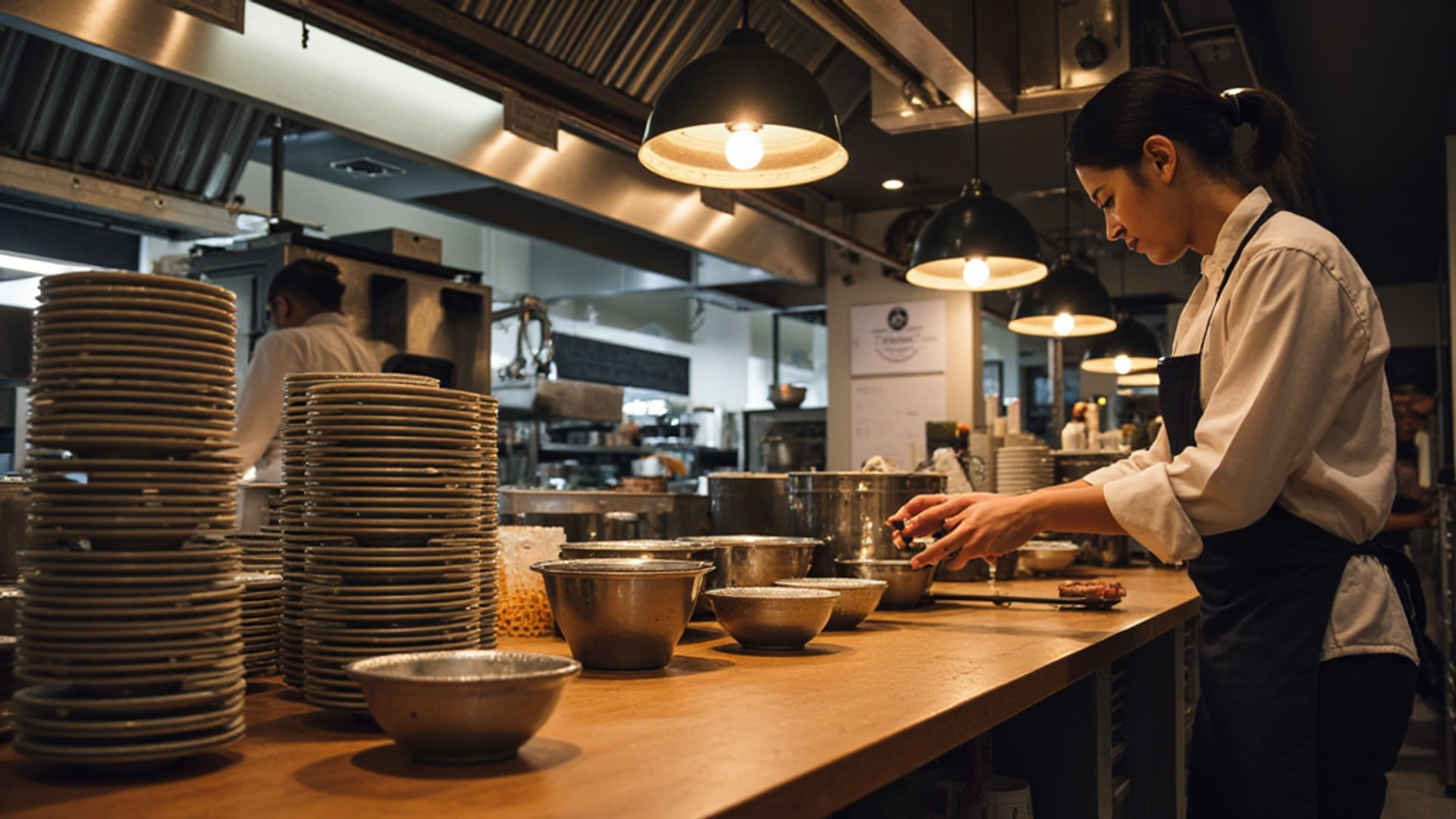
The executive chef sets culinary direction, designs menus, and manages food costs. The sous chef runs day-to-day operations. Line cooks own specific stations and execute dishes at speed. Prep cooks handle essential upstream work: breaking down proteins, cutting vegetables, making stocks, and portioning. The dishwasher, often undervalued, is among the most critical roles — without clean plates and tools on time, every station stalls.
Hiring requires evaluating both technical skill and temperament. Working under pressure and communicating clearly matter as much as knife skills. For guidance on team building, visit our staff and HR resources.
→ Read more: The Kitchen Brigade System: From Escoffier’s Hierarchy to the Modern Line
Mise en Place: The Philosophy of Preparation
Mise en place means “everything in its place,” but it is far more than a tidy station. It is a philosophy of total preparation. Before a single ticket prints, every ingredient is prepped, every tool positioned, every sauce hot, and every garnish ready.
The discipline extends to mental readiness: reviewing the reservation book, anticipating busy windows, and briefing the team pre-service. Effective mise en place requires forecasting based on historical sales data, day of week, weather, and seasonal patterns.
The payoff is profound. Kitchens with strong mise en place execute faster, waste less, maintain higher quality, and operate with lower stress.
→ Read more: Mise en Place and Prep Systems: Organizing Your Kitchen for Speed
Connecting Kitchen to the Broader Business
Kitchen management does not exist in isolation. Equipment decisions impact your design budget. Sourcing ties to supplier relationships. Staffing connects to financial planning.
The strongest operators build systems that bridge kitchen and business. Return to this guide as your reference point as you explore deeper resources across NineGuides.