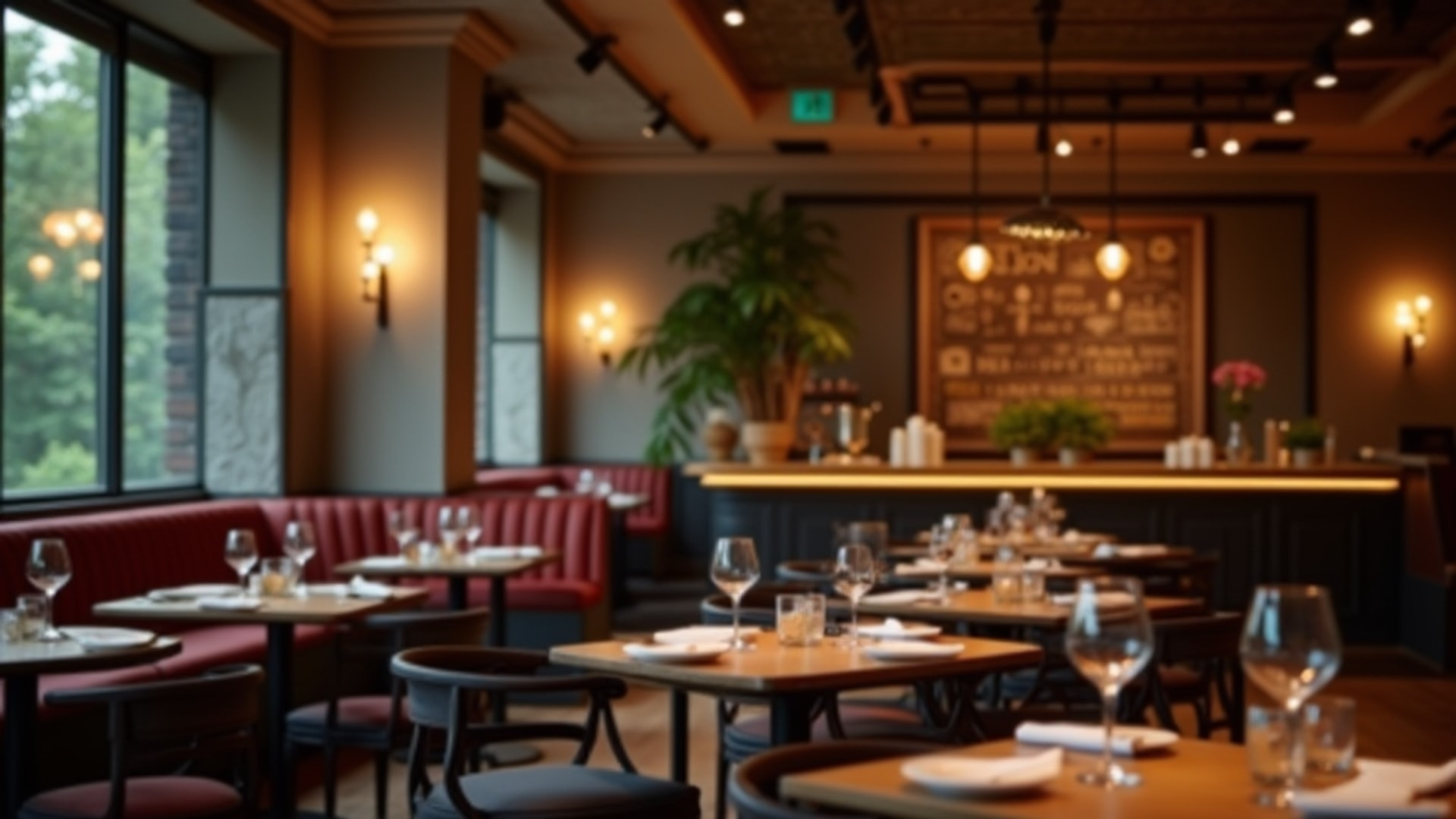
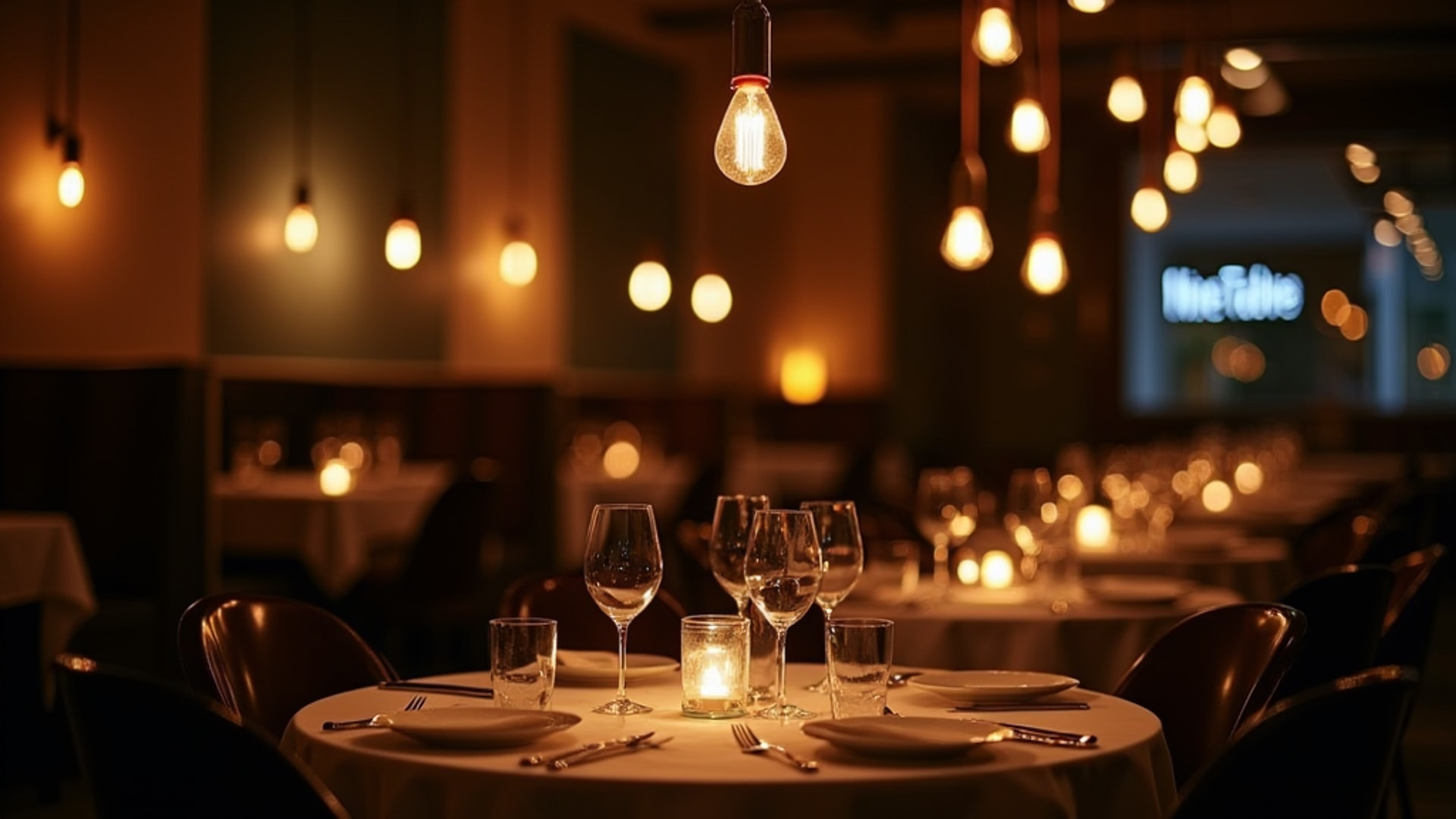
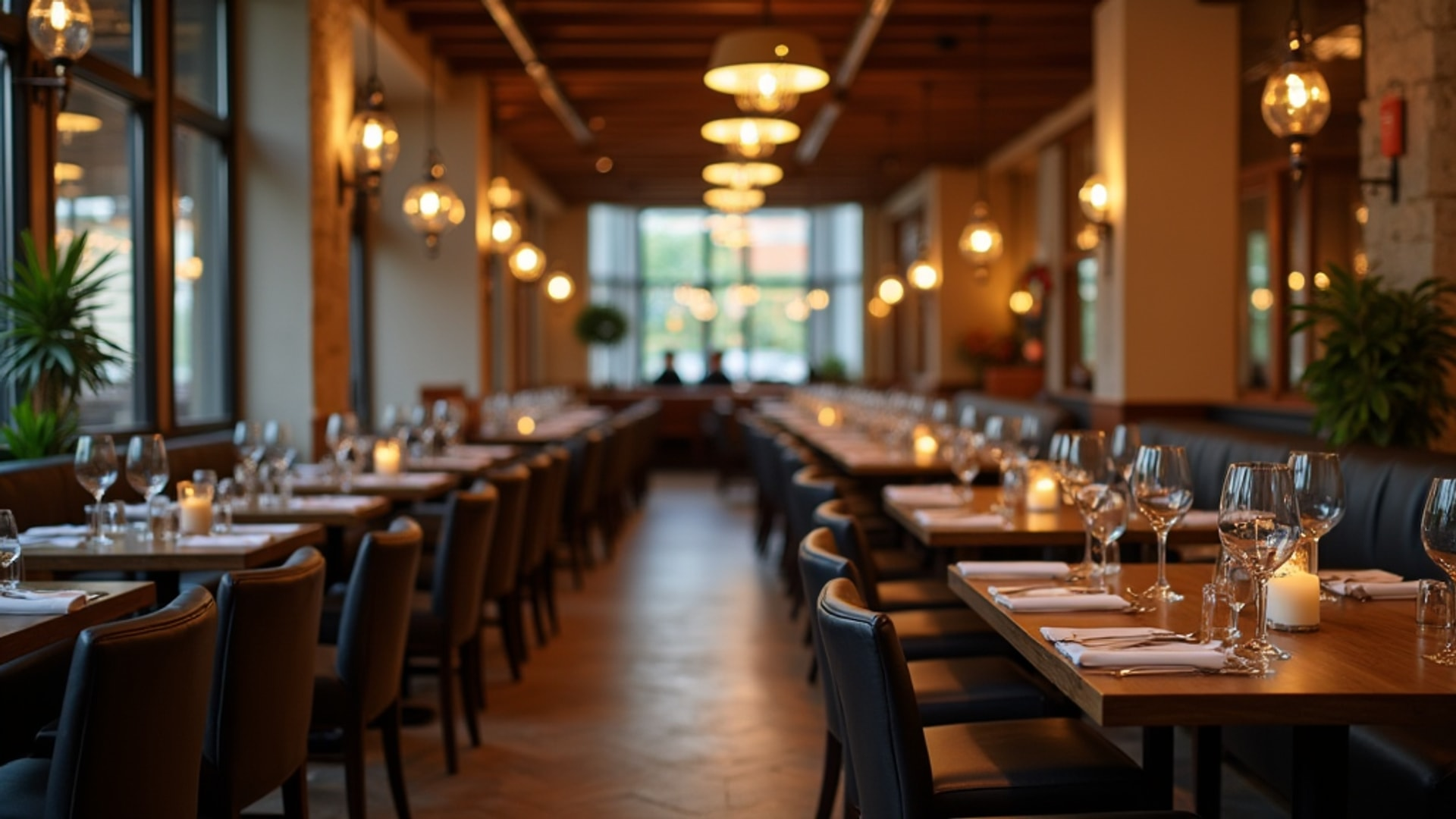
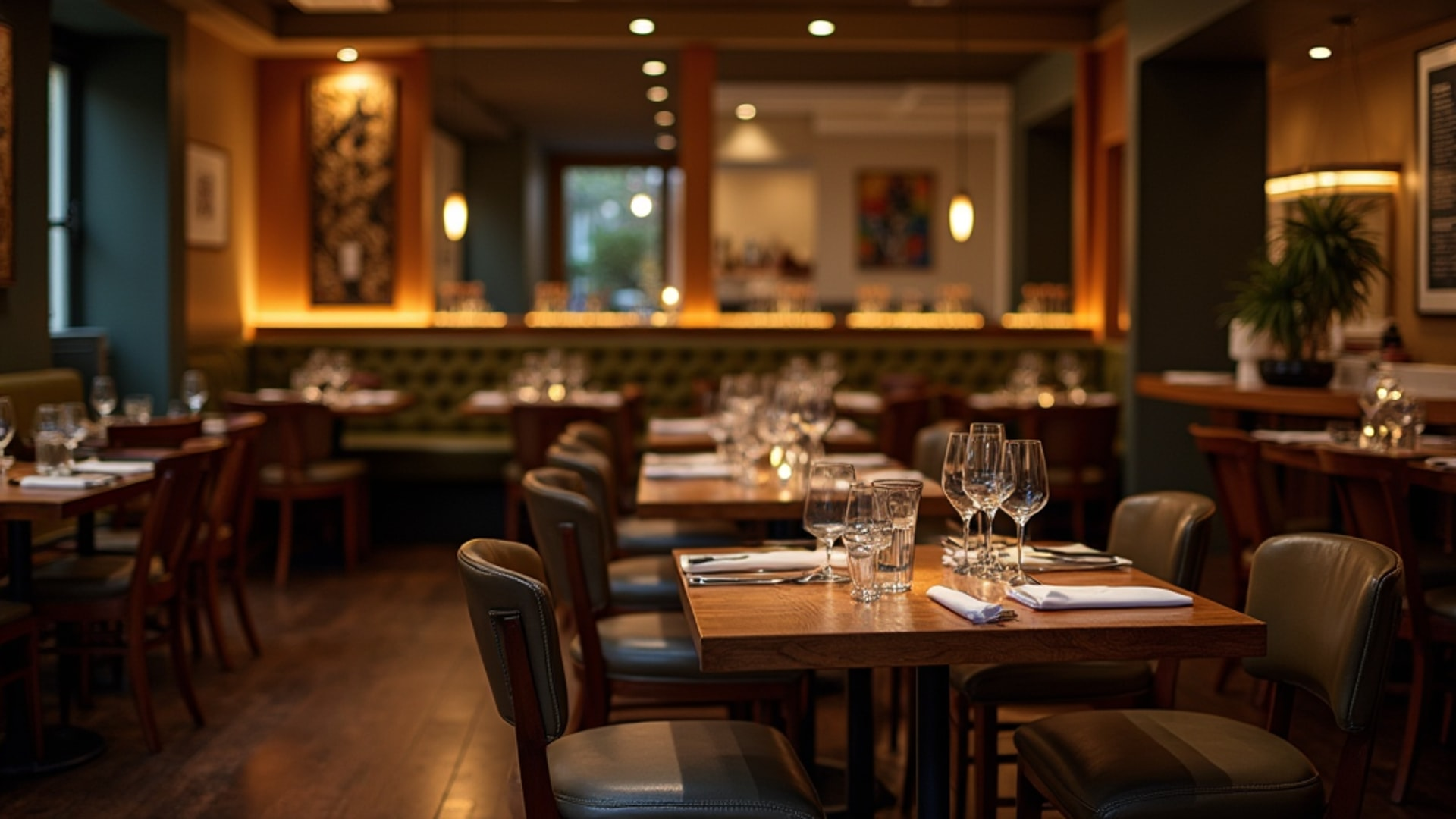
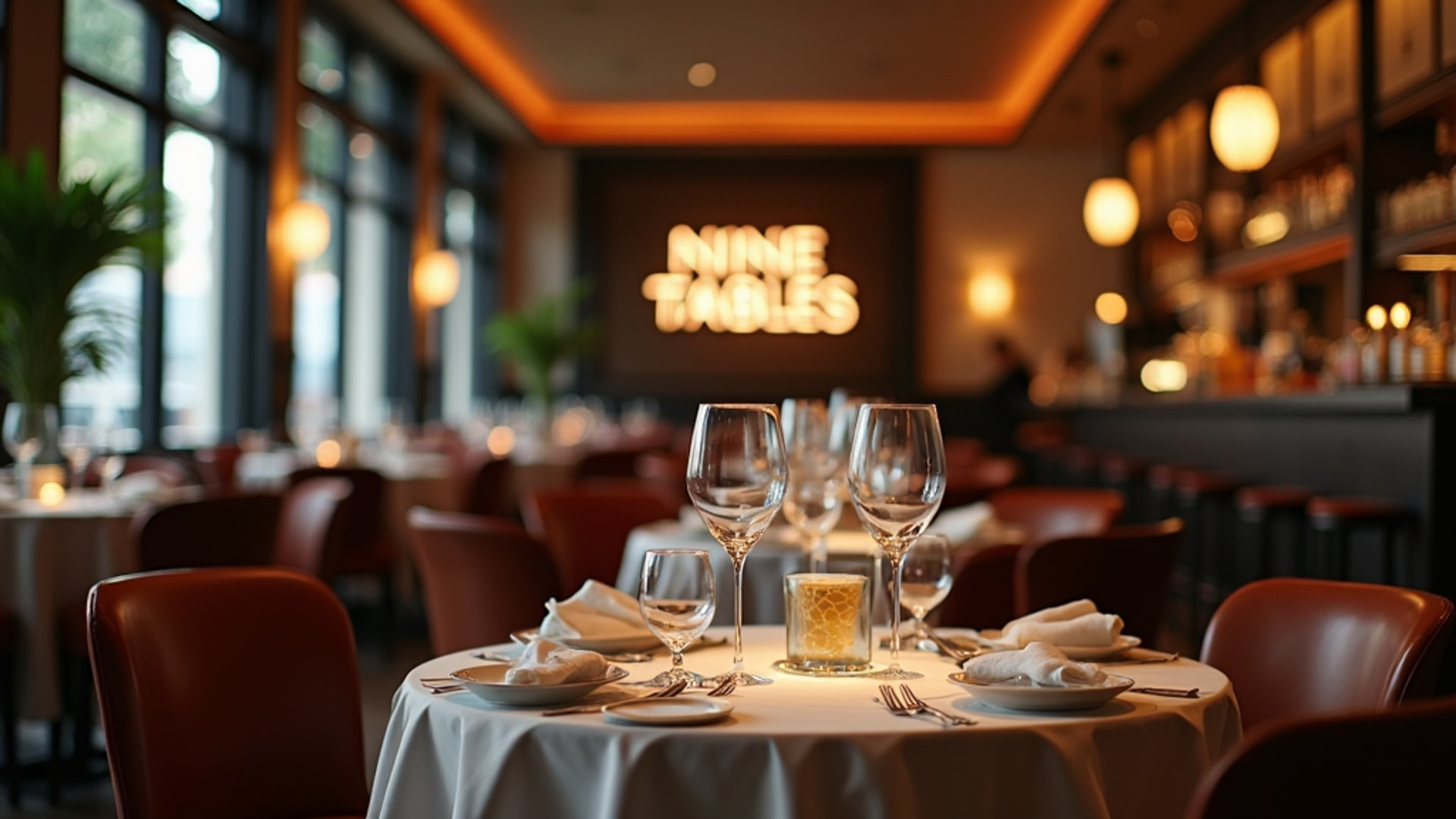
Walk into a restaurant where the chairs wobble, the music drowns out conversation and the overhead fluorescents make everyone look exhausted. The food might be excellent, but you are already reaching for the door. Now picture the opposite: warm light catches textured walls, the hum of conversation sits at just the right level, and your booth feels like it was built for exactly this evening. The second restaurant does not just serve a meal. It stages an experience.
Design is the silent partner in every successful restaurant. It shapes first impressions, influences ordering behavior and sets emotional tone. Ambiance accounts for a significant share of overall guest satisfaction, sometimes rivaling the food itself. Getting the design right is not decoration. It is strategy.
Concept-Driven Design
Every strong restaurant begins with a concept, and the physical space must tell that story from the moment a guest sees the facade. A farm-to-table bistro that feels like a corporate lobby creates cognitive dissonance. Design coherence means aligning materials, colors, furniture, art and tableware with the culinary identity.
Write a one-paragraph story of the experience you want guests to have. Use that narrative as a filter for every design decision. If the story says “rustic Provencal farmhouse,” then reclaimed wood, linen, dried herbs and hand-thrown ceramics belong. Polished chrome does not. A strong interior design concept anchors every material and finish choice that follows.
This narrative extends beyond interiors. Exterior signage, menu typography, website palette and staff uniforms should all read as chapters of the same story.
→ Read more: Branding and Interior Consistency
Read more: Starting a Restaurant: From Concept to Opening Day
Color Psychology in Restaurant Spaces
Color is one of the fastest emotional triggers in any environment. Understanding color psychology is essential for getting your palette right. Warm tones like reds, oranges and terracottas stimulate appetite and energy. They suit fast-casual and lively dining rooms where moderate table turnover is desirable. Cool tones such as deep blues, sage greens and soft grays create calm and encourage guests to linger, making them effective for fine dining and wine bars.
Neutral foundations (warm whites, natural wood, stone) give you flexibility. They let accent colors do the emotional work without overwhelming the space. Dark, saturated walls can create intimacy in large rooms, while light walls open up small ones. Keep in mind that color interacts with lighting: a warm terracotta wall under cool white light turns muddy, but under warm amber light it glows.
Test your chosen palette under the exact lighting conditions you plan to use, both at midday and at peak dinner hours, before committing.
Seating Layout and Flow
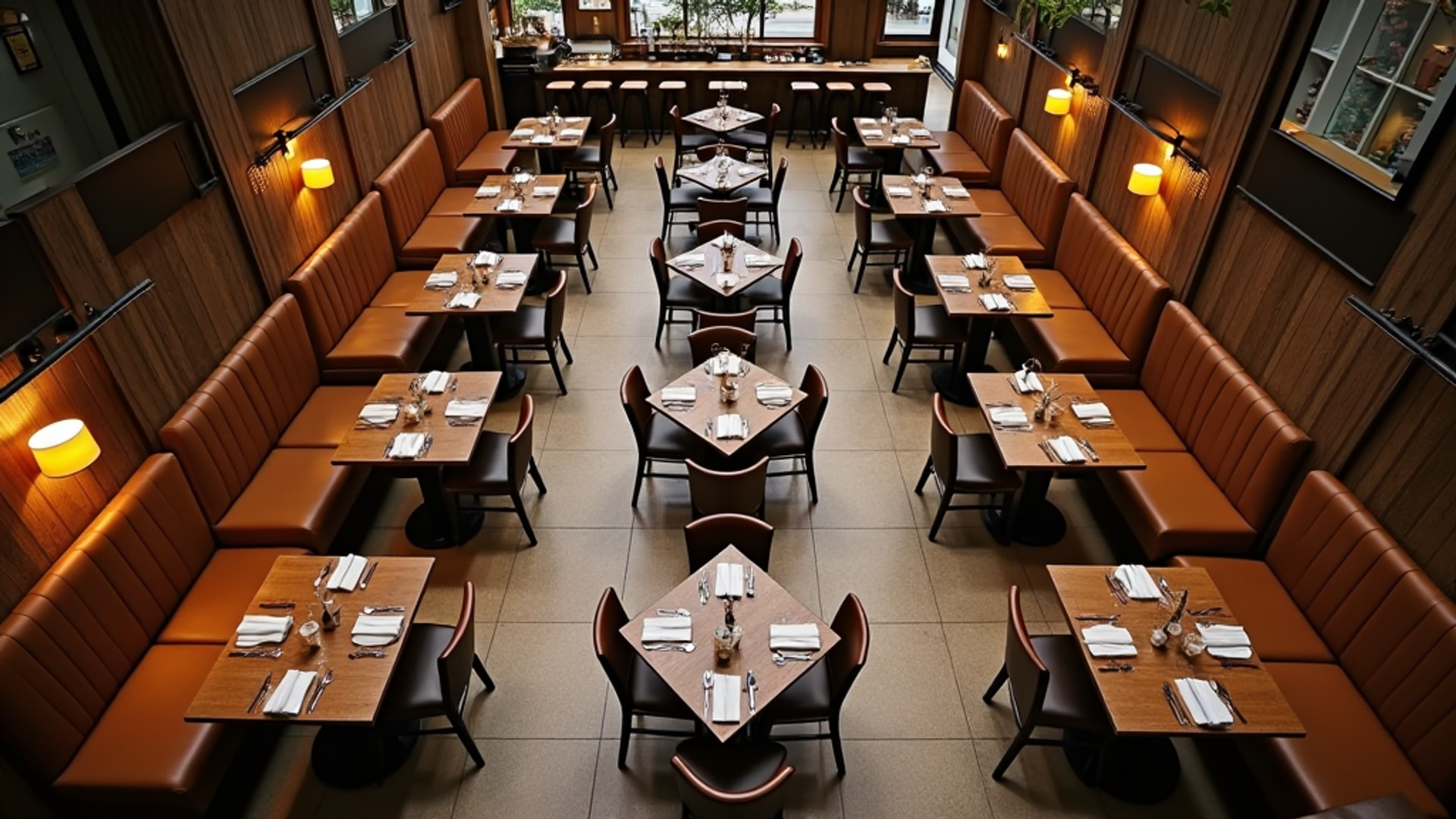
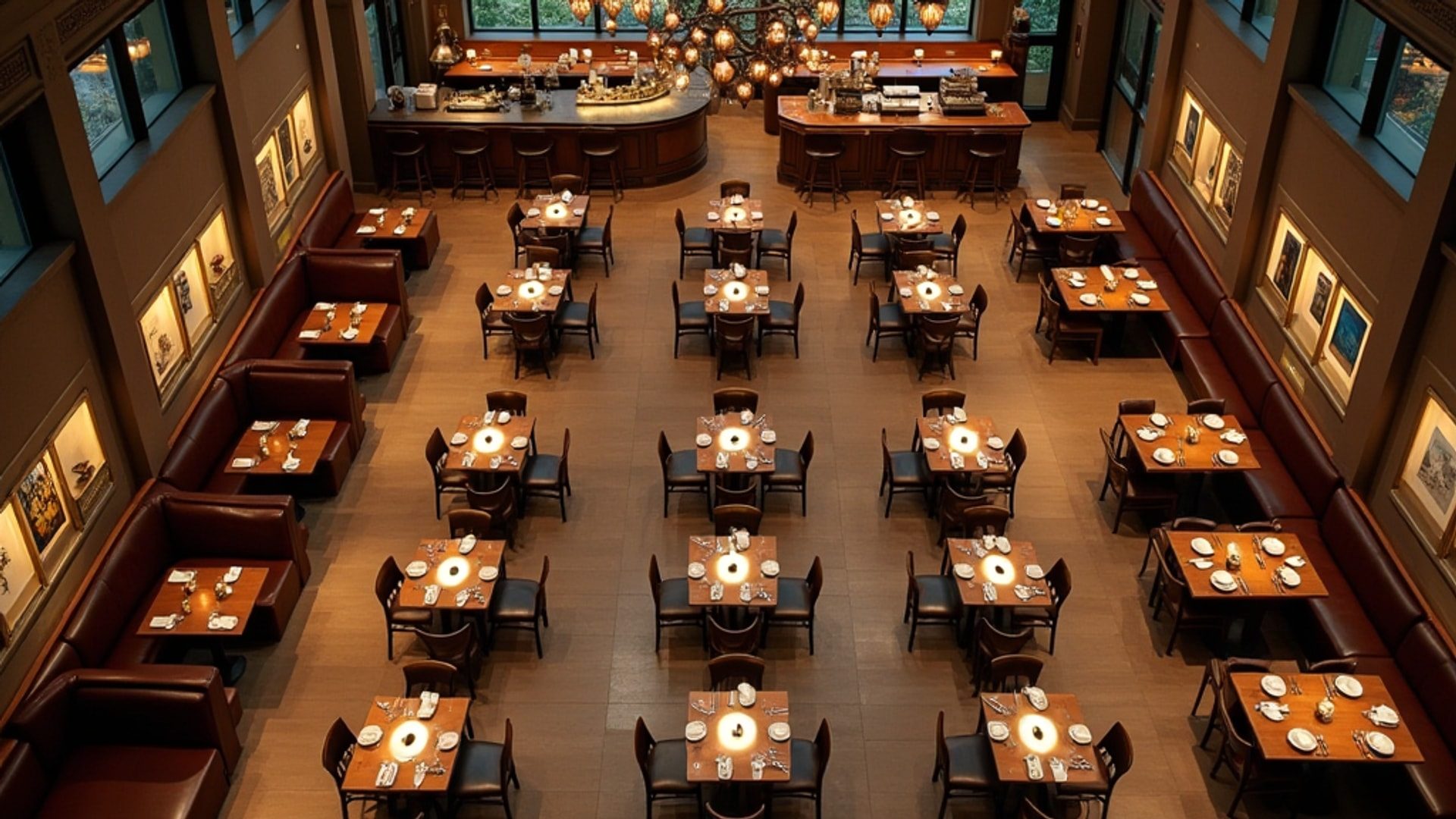
Layout is where hospitality meets operations. A well-planned floor maximizes covers without making guests feel squeezed. Industry guidelines suggest roughly 15 square feet per seat in full-service restaurants and about 12 in casual dining. But perceived spaciousness, created through sightline management, ceiling height and varied seating types, matters more than actual square footage.
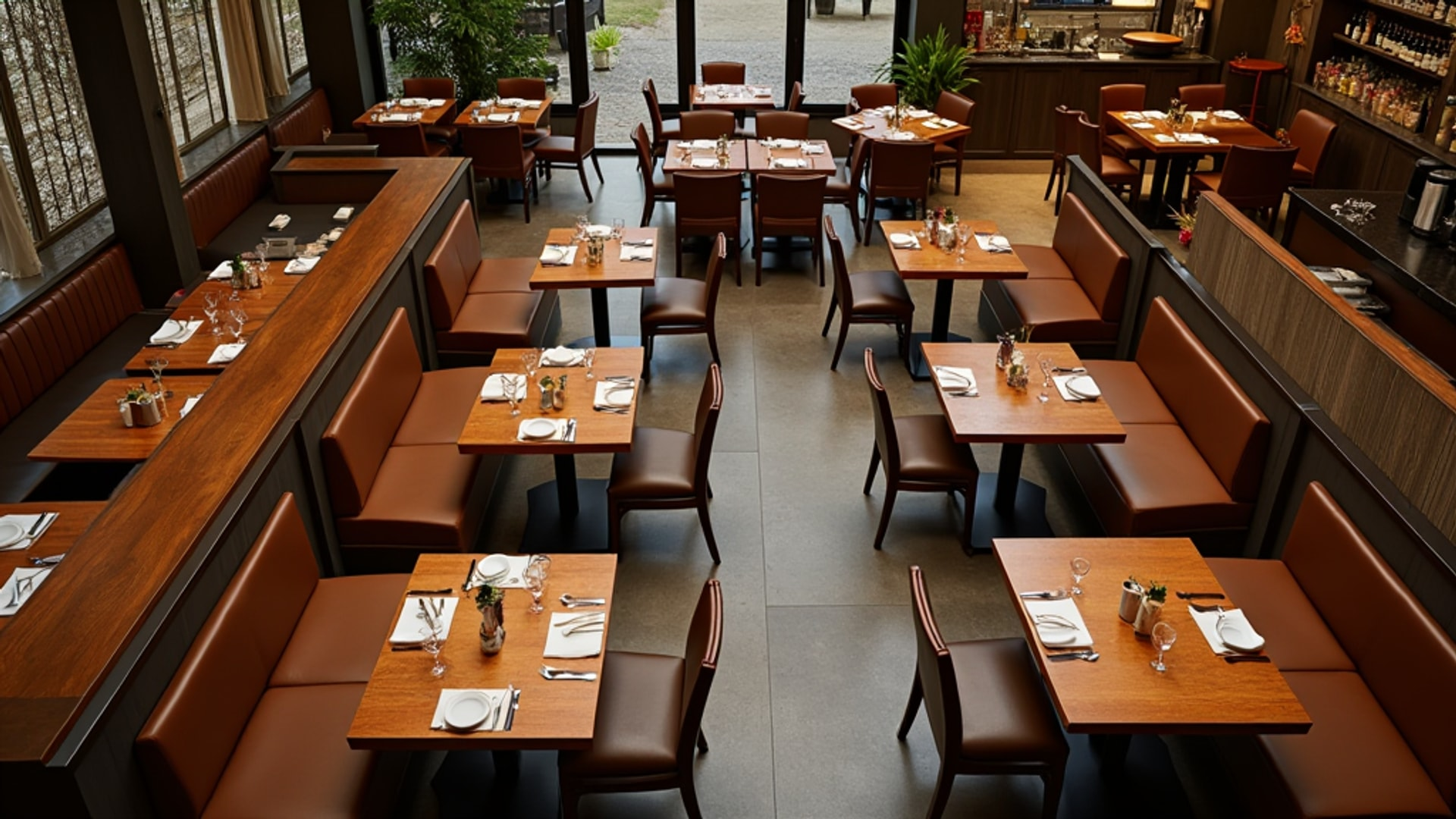
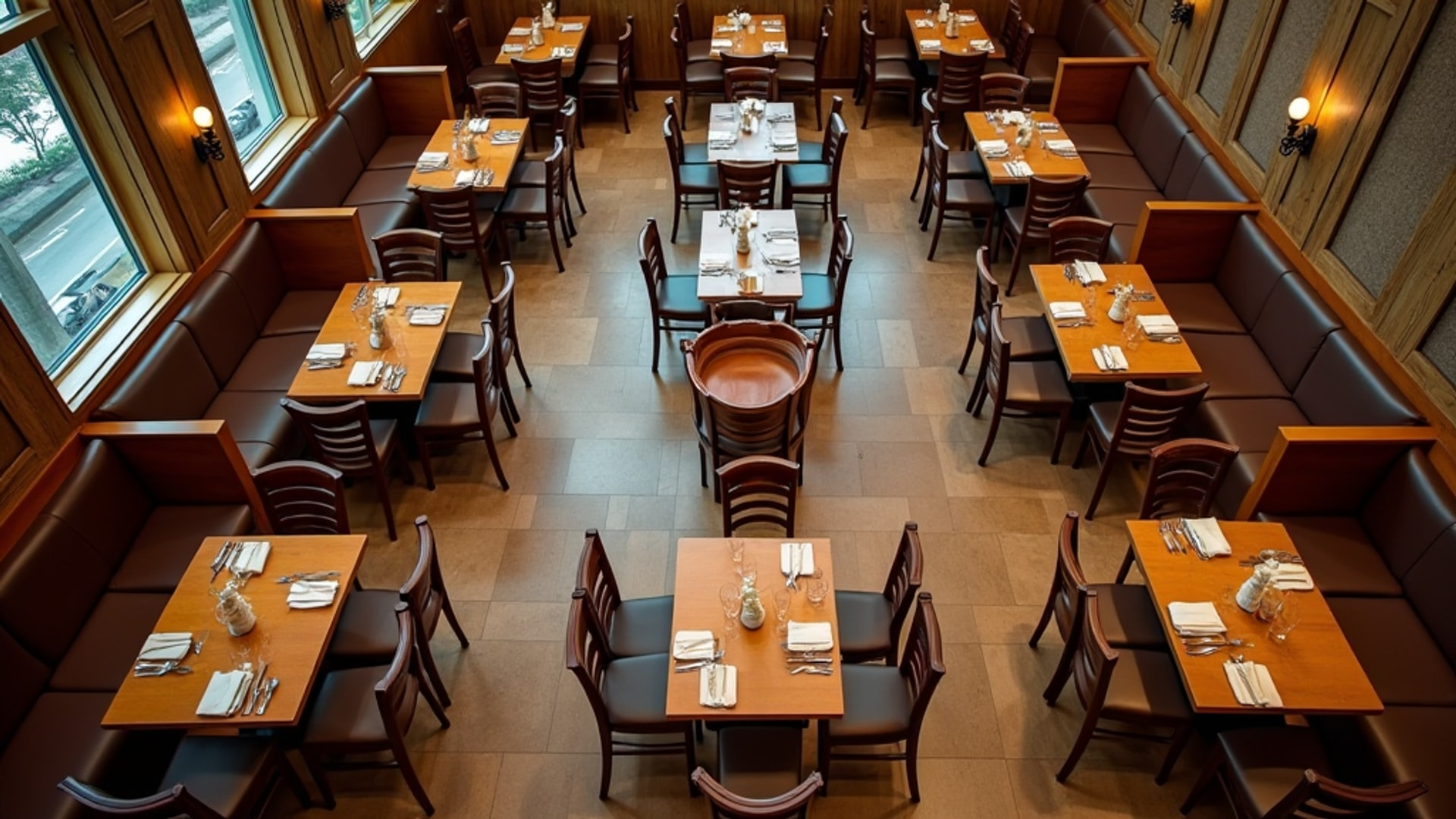
Offer a mix of seating: two-tops for couples, four-tops for families, banquettes for groups, bar seats for solo diners. Banquette seating along walls is space-efficient and preferred by many guests for the enclosure and room view it provides. Flexible furniture that can be combined or separated lets you adapt to varying party sizes.
Keep circulation paths wide enough for servers with trays. Position the host stand so arriving guests see the dining room immediately. A lively room draws people in. The kitchen door or dish pit does not.
→ Read more: Restaurant Seating Layout and Floor Plan
Read more: Restaurant Kitchen Design: Workflow, Stations and Equipment
Acoustics: The Invisible Design Element
Noise is the most underestimated factor in guest comfort. A room that is too loud forces guests to shout and shortens dining time. A room that is too quiet feels empty. The goal is a conversational buzz where guests can speak comfortably without raising their voices.
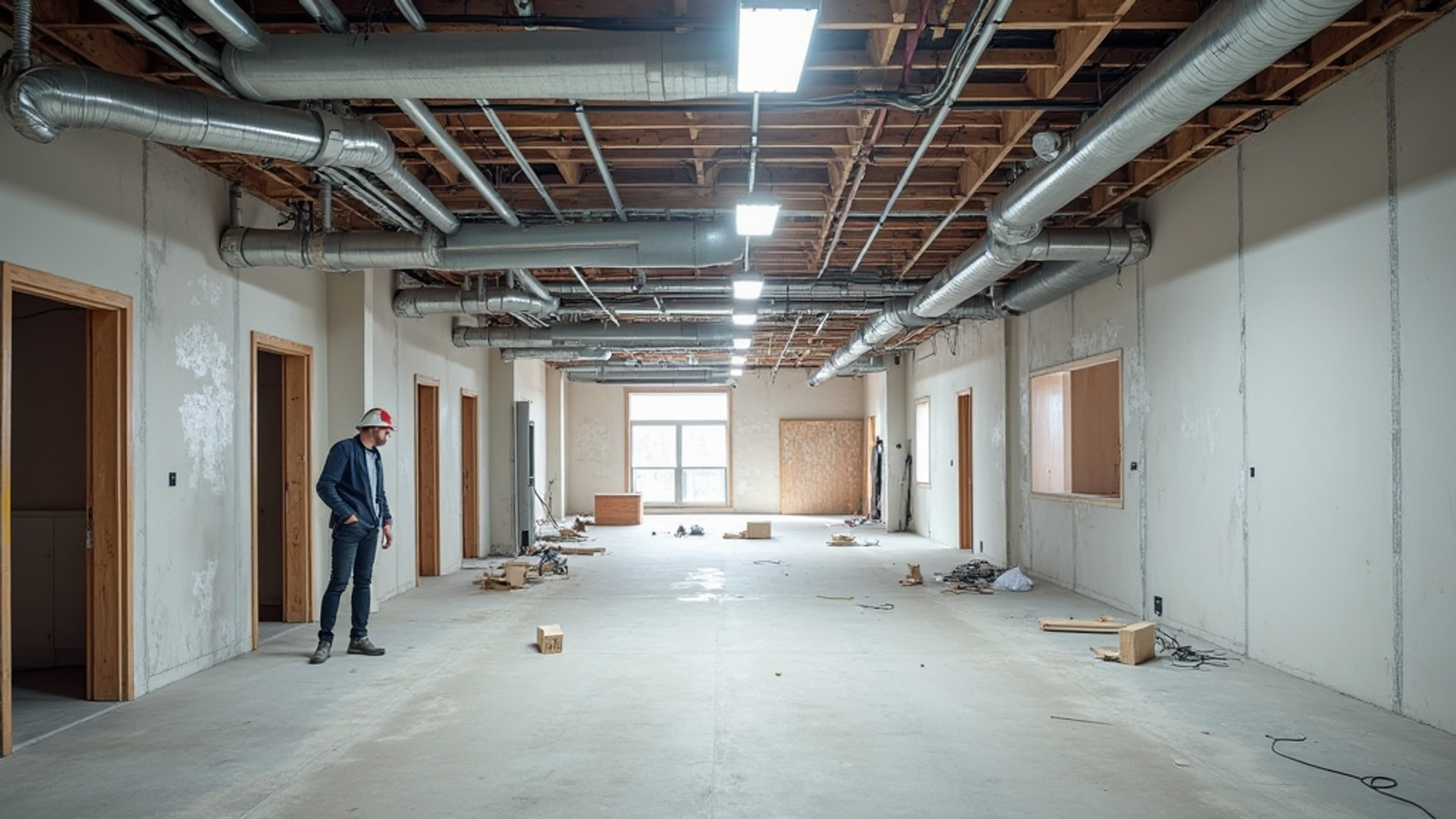
Hard surfaces (bare concrete, exposed ceilings, glass walls) reflect sound and create noise buildup. Soft materials absorb it. Upholstered seating, fabric panels on walls, acoustic ceiling tiles and curtains are all effective treatments. Strategic placement of absorption panels at the ceiling and behind banquettes can transform a room without altering its visual identity.
Background music should complement, not compete. Zoned audio systems let you adjust levels independently for the bar, dining room and private areas.
→ Read more: Restaurant Acoustics and Noise Control
Lighting: Setting the Emotional Stage
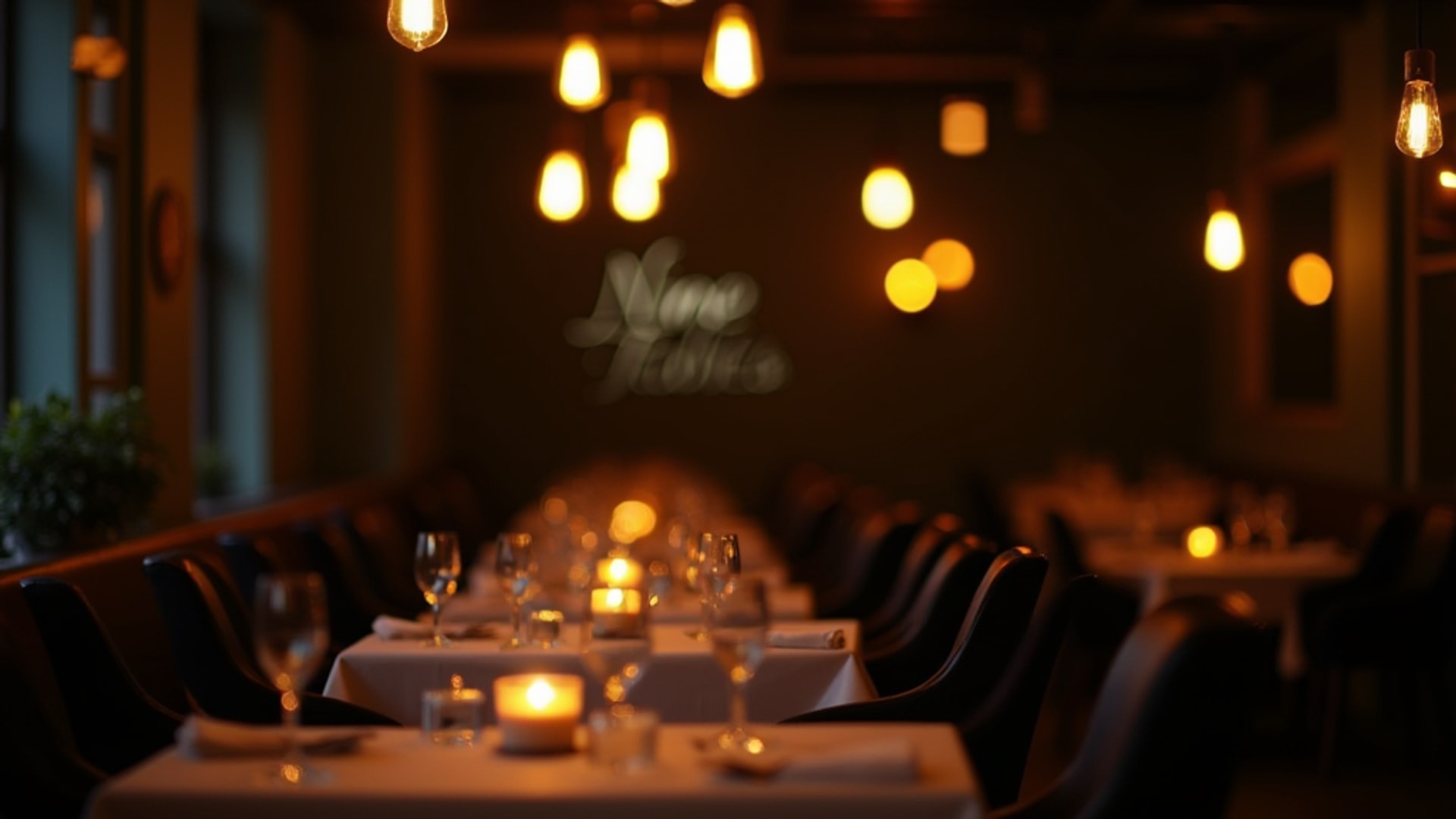
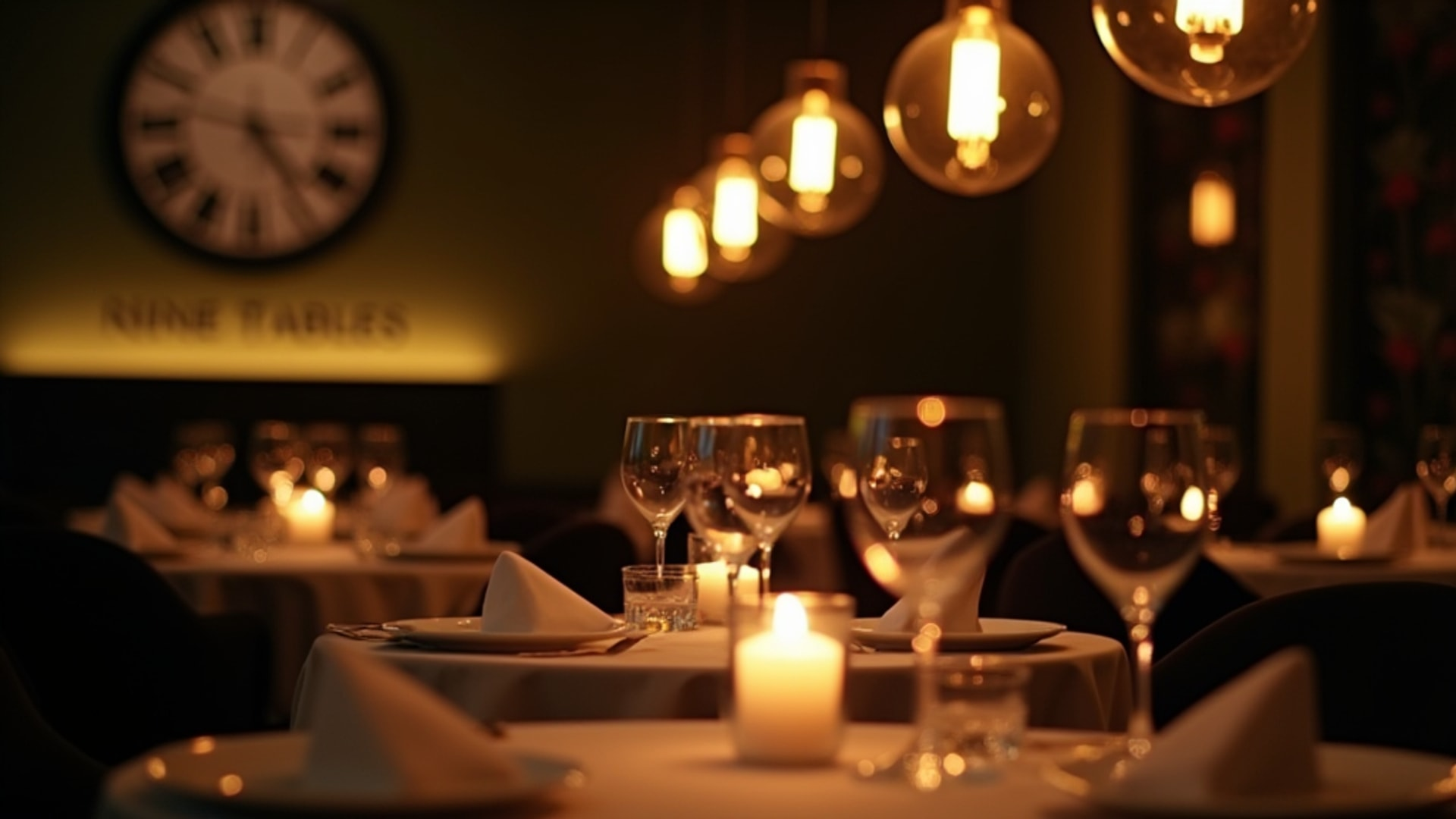
Lighting is arguably the single most powerful design tool in a restaurant. It determines mood, directs attention, flatters food and guests, and marks the transition between day and evening service. A well-designed lighting plan layers three types of light: ambient (general room illumination), task (functional light for menus and prep areas) and accent (spotlights on art, architectural features or table centerpieces).
Color temperature is critical. Warm light in the 2200 to 2700 Kelvin range makes skin tones glow, wood grain pop and food look appetizing. Cool light above 4000 Kelvin is useful in kitchens but feels clinical in dining rooms. Dimming capability is essential for transitioning from a bright, energetic lunch to a warm, intimate dinner.
Read more: Restaurant Lighting: Setting the Perfect Mood
Branding Through Space
Your restaurant’s brand is not just a logo. It is the sum of every sensory impression a guest receives. Materials, finishes, art, music, scent and even the weight of the cutlery all communicate who you are.
Consistency between physical space and digital presence is essential. If your Instagram shows warm, candlelit imagery, the dining room must deliver that warmth. Invest in a few signature design elements that become synonymous with your brand: a distinctive tile pattern, a custom light fixture, a living plant wall. These memorable touches strengthen recall and word-of-mouth.
Read more: Restaurant Marketing: Building a Brand That Fills Tables
Outdoor Dining and Terrace Design
Outdoor seating has moved from a seasonal bonus to a core revenue driver. But successful outdoor dining requires intentional design, not just dragging indoor furniture outside.
Weather protection is the foundation for any outdoor dining space. Retractable awnings, permanent pergolas or large umbrellas extend the usable season. Heating elements push it further into cooler months. Lighting is just as important outdoors as indoors: string lights, lanterns or integrated landscape lighting create atmosphere after dark.
Furniture must withstand weather. Powder-coated metal, marine-grade teak and performance fabrics are durable choices. Planters, screens and low walls define the dining area, create privacy from foot traffic and add greenery through biophilic design principles. Check zoning requirements and noise ordinances early, especially for street-side seating near busy roads.
Key Takeaways
- Anchor every design decision in a clearly articulated concept narrative.
- Use color psychology deliberately: warm tones for energy and appetite, cool tones for calm and lingering.
- Plan seating layout for both guest comfort and operational efficiency, with a mix of seating types.
- Treat acoustics as a design priority, not an afterthought.
- Layer lighting (ambient, task, accent) and always use warm color temperatures in dining areas.
- Build brand identity into the space with consistent, memorable design signatures.
- Design outdoor areas with the same care as indoor spaces, addressing weather, furniture durability and lighting.