Theory will only take you so far in the restaurant business. You can study every guide on operations, finance, and marketing, but nothing teaches quite like seeing how real restaurants navigated real challenges. Case studies give you that perspective. They show you what decisions mattered most, where operators got it right, and where things fell apart despite the best intentions.
This section of NineGuides collects detailed examinations of restaurants across the industry spectrum. Some are success stories. Others are cautionary tales. All of them contain lessons you can apply whether you are still planning or already running a restaurant.
Why Case Studies Matter
Reading about abstract best practices is useful, but it lacks context. A case study puts those practices inside a real business with real constraints — limited budgets, difficult landlords, staffing shortages, and shifting customer preferences.
When you study a restaurant that scaled from one location to fifty, you learn which specific systems they built first, what they automated, and which decisions they would reverse if they could start over. When you study a restaurant that closed after two years, you learn exactly how the numbers unraveled and what warning signs the owners missed.
Case studies also challenge assumptions. The strategies that work for a fine dining establishment in a major city are often irrelevant to a family-owned pizzeria in a small town. By reading across different types and markets, you develop a more nuanced understanding of what drives success.
What You Can Learn from These Studies
Each case study is structured around a few core questions. What was the concept, and how well did it match the market? What were the critical decisions? Where did the operators excel, and where did they struggle?
Across these studies, several themes emerge repeatedly.
Concept clarity wins. The restaurants that succeed almost always have a razor-sharp understanding of who they serve and why. Muddled concepts — restaurants that try to be everything to everyone — rarely build the loyal customer base needed to sustain a business through difficult periods.
Financial discipline is non-negotiable. Operators who track their numbers weekly and adjust quickly when food cost or labor cost drifts are far more likely to survive. Those who rely on gut feeling tend to discover problems too late.
People are the multiplier. The restaurants that achieved lasting success almost always credit their team as the decisive factor. Hiring well, training thoroughly, and creating a culture where people want to stay is the foundation of operational excellence.
Adaptability separates survivors from casualties. Markets shift, costs rise, and customer expectations evolve. Operators who treat their restaurant as a living business that must constantly adjust outperform those who cling to their original plan regardless of what the data says.
Different Restaurant Types, Different Challenges
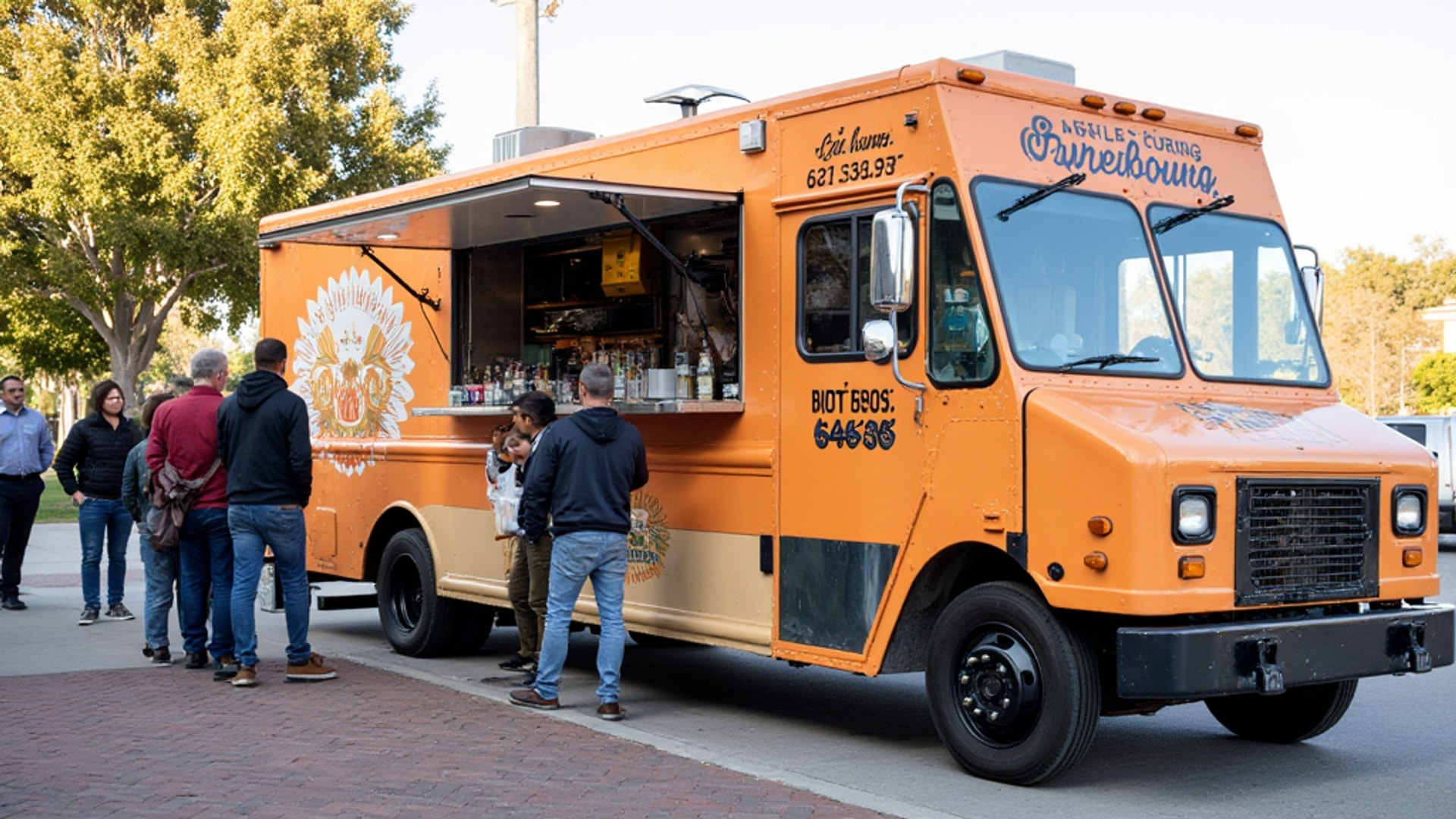
The restaurant industry is not a single business. A fine dining establishment, a fast-casual chain, a food truck, and a neighborhood diner face fundamentally different operational realities.
Fine Dining and Full Service
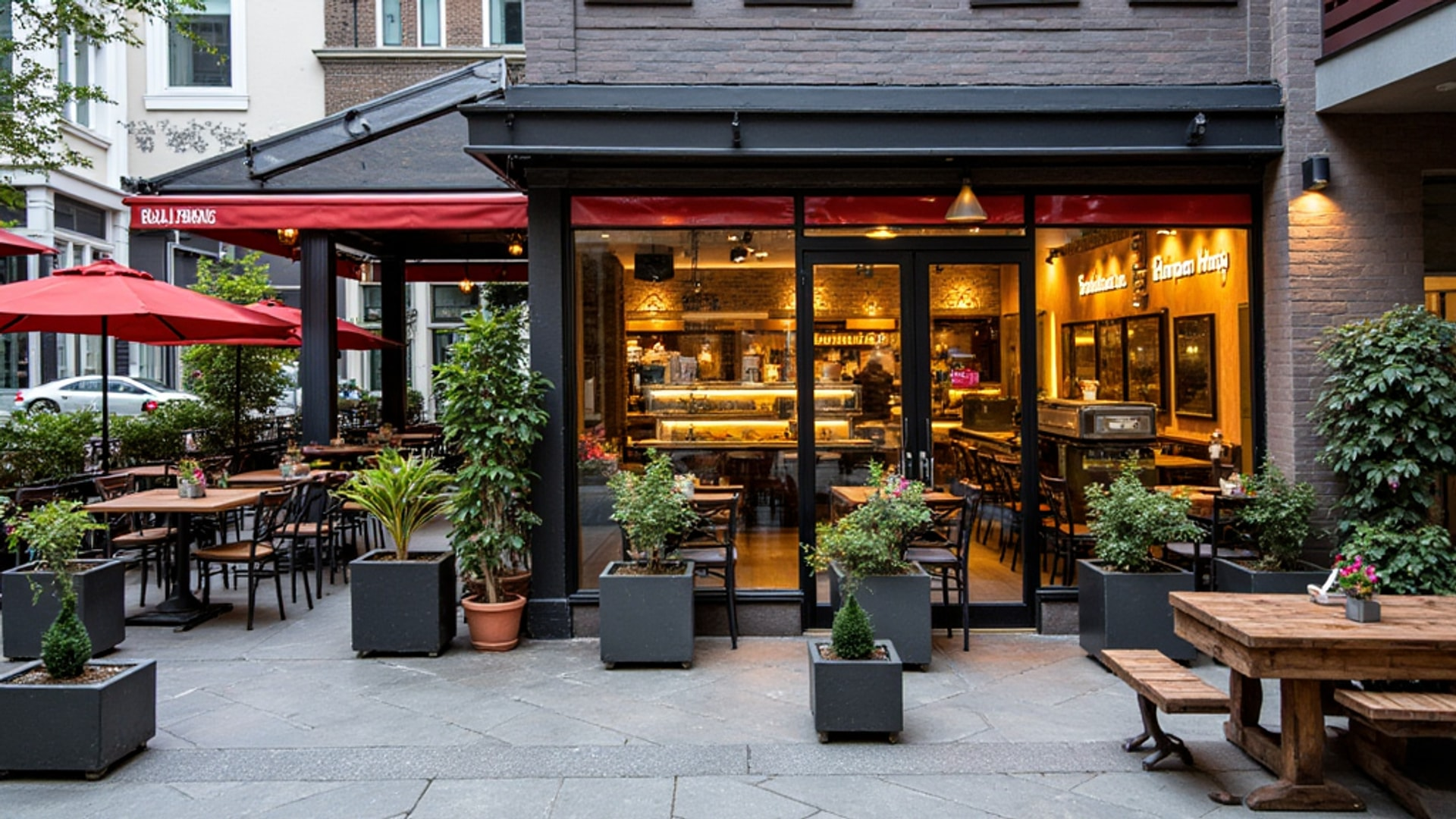
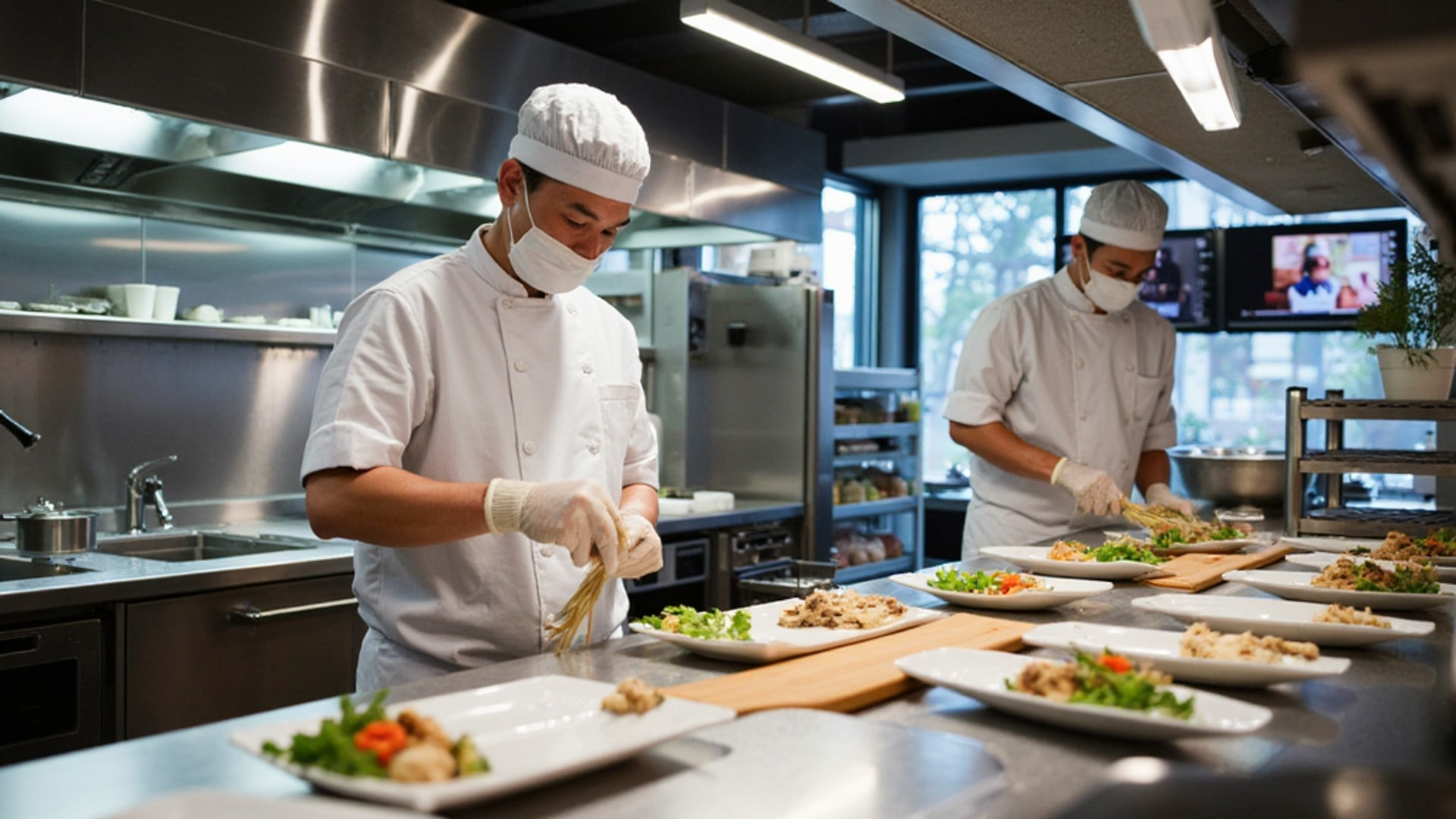
These restaurants operate with the highest costs and expectations. Labor is their largest expense, and the margin for error is razor thin. Case studies here explore how operators manage the tension between artistic ambition and financial sustainability, and how they build teams that deliver flawless service night after night.
→ Read more: Fine Dining Business Models
Fast Casual
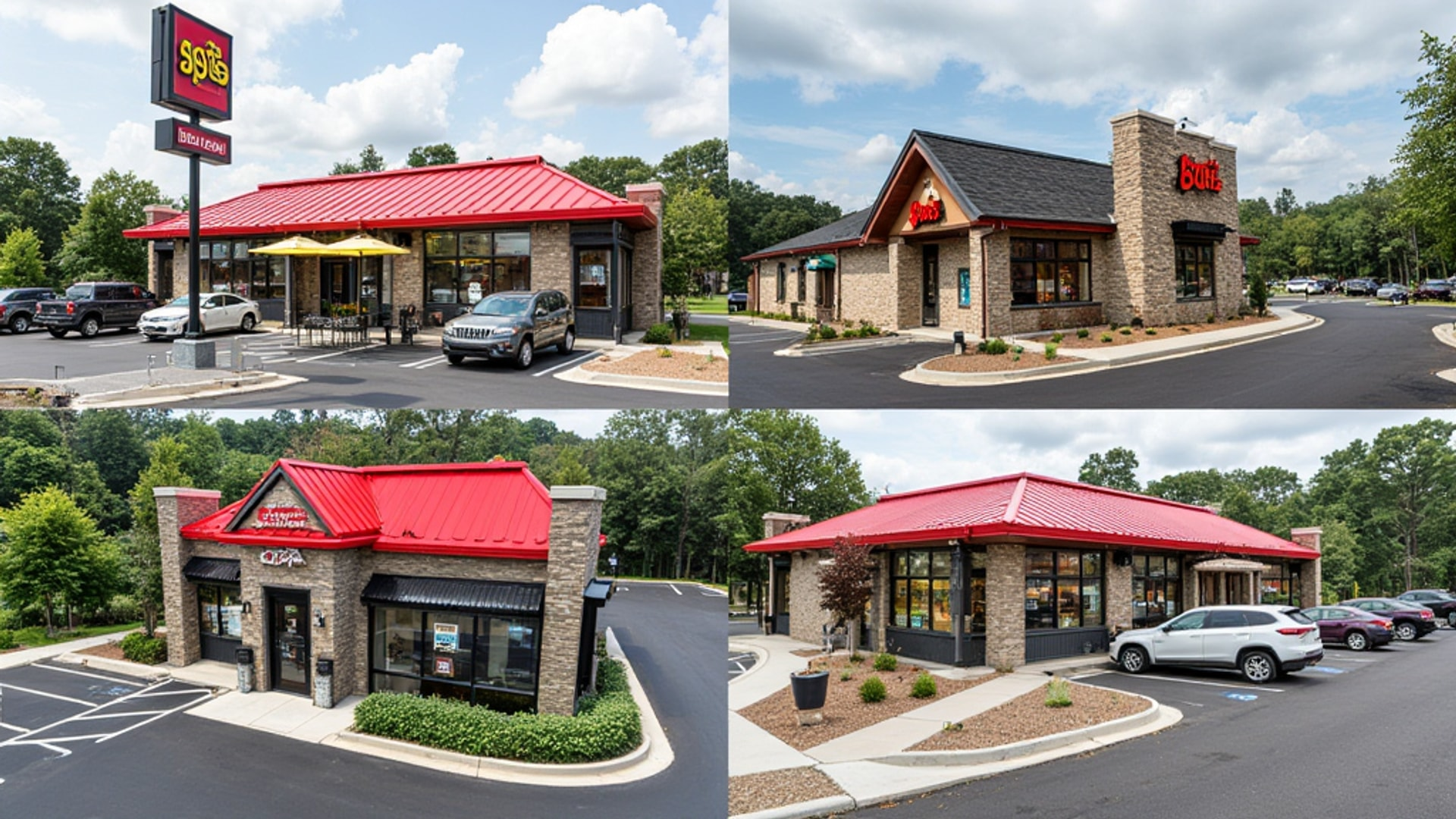
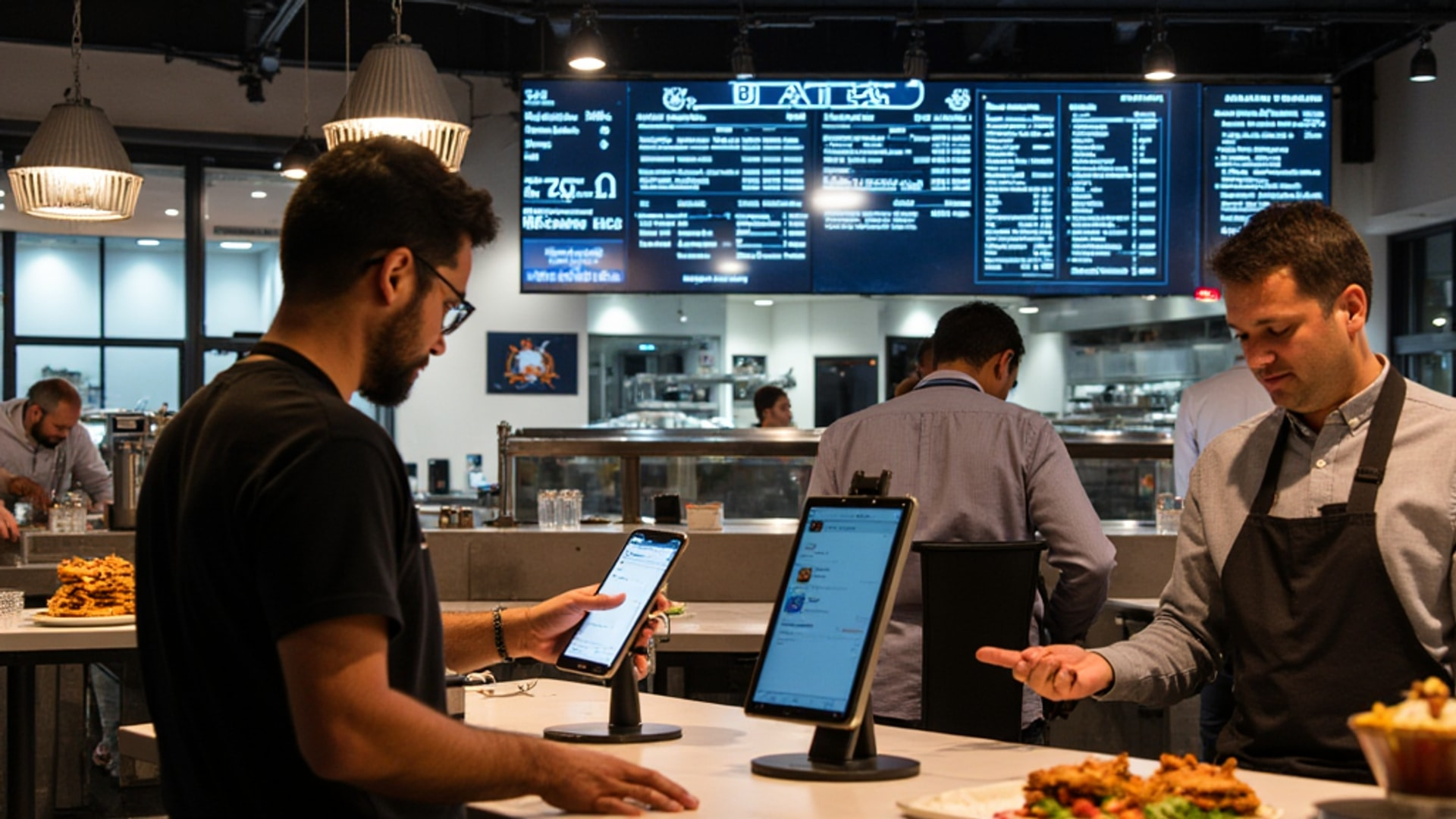
The fastest-growing segment over the past two decades, fast casual occupies the space between quick service and full-service dining. These case studies examine how brands build scalable systems, balance customization with speed, and use technology to enhance the experience.
Read more: Fast-Casual Success: Lessons from the Fastest-Growing Restaurant Segment
Quick Service and Counter Service
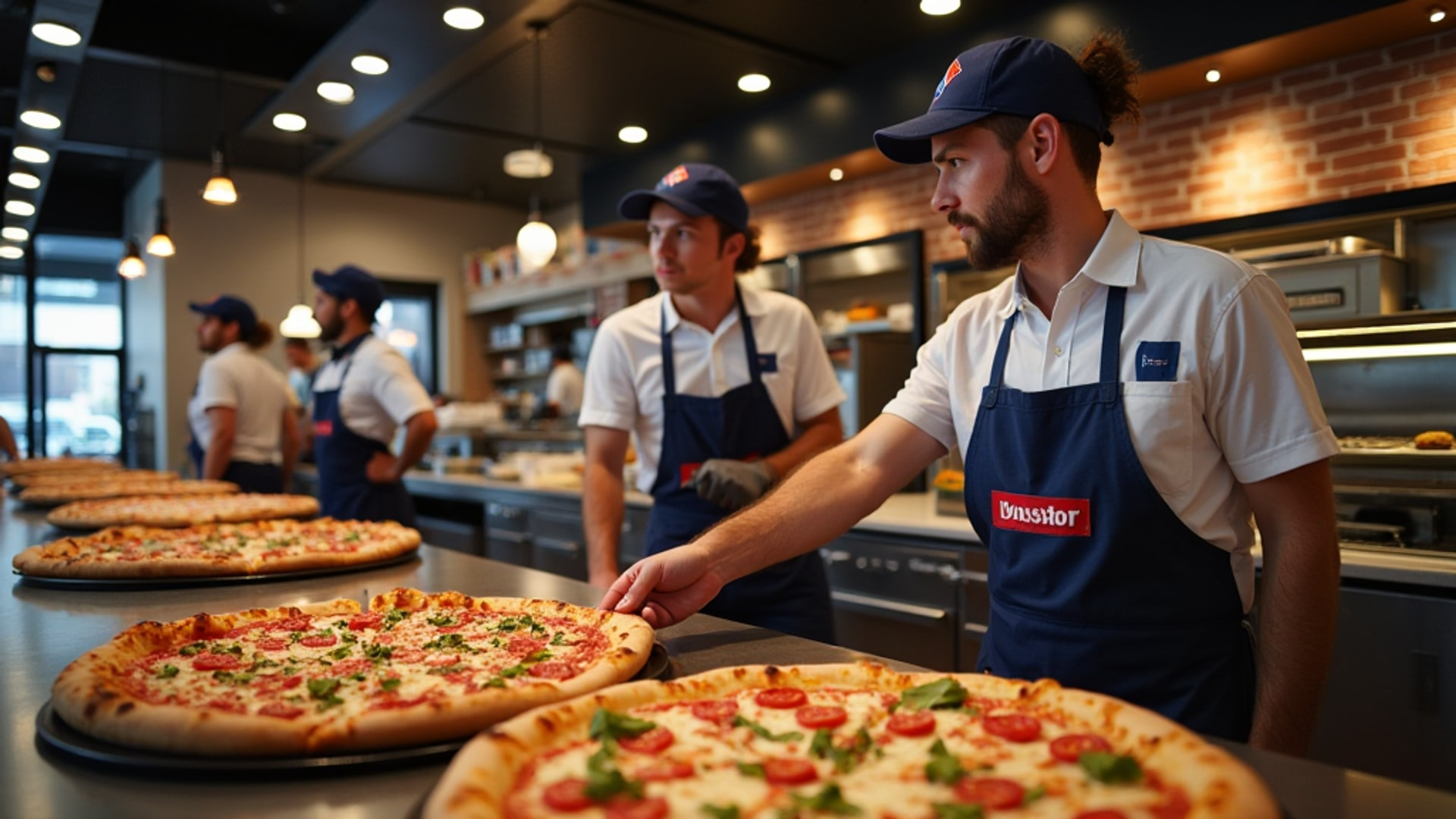
Speed and consistency define this segment. Case studies here focus on how operators build repeatable systems, manage extremely tight margins, and compete for attention in the most crowded part of the market.
Independent and Owner-Operated
Most restaurants are independent operations run by their owners. These case studies are often the most instructive for new operators because they reflect the realities of building a business without corporate resources — bootstrapped launches, creative marketing on minimal budgets, and the personal toll of running a small business.
→ Read more: Franchise vs. Independent Restaurant
How to Apply What You Read
Case studies are most valuable when you read them actively. Do not just absorb the narrative. Ask yourself what you would have done differently at each decision point. Consider whether the lessons apply to your specific concept, market, and stage of development.
Context matters more than tactics. A strategy that worked in a fast-growing urban market may not translate to a rural location. Focus on understanding why a decision worked in its specific context, then evaluate whether your situation is similar enough to justify the same approach.
Failures teach more than successes. Success stories are motivating, but they often suffer from survivorship bias. Failure stories tend to be more instructive because the consequences force a deeper analysis of what went wrong.
Look for patterns, not formulas. No single case study will give you a blueprint. But when you read enough of them, patterns emerge — common threads in successful operations and recurring mistakes that lead to failure. Those patterns are far more useful than any checklist.
The restaurant business rewards people who learn from others’ experiences. Every case study here represents years of someone else’s effort, capital, and learning. Take advantage of that.
The lessons from these case studies connect directly to the core areas of restaurant knowledge covered elsewhere on NineGuides.
- Starting a Restaurant — The foundational decisions that shape everything, from concept development to financing and location.
- Operations — The daily systems and processes that determine whether a restaurant runs smoothly or chaotically.
- Finance & Accounting — Understanding the numbers that make or break a restaurant business.
- Marketing — How restaurants attract new customers, retain existing ones, and build a brand that endures.
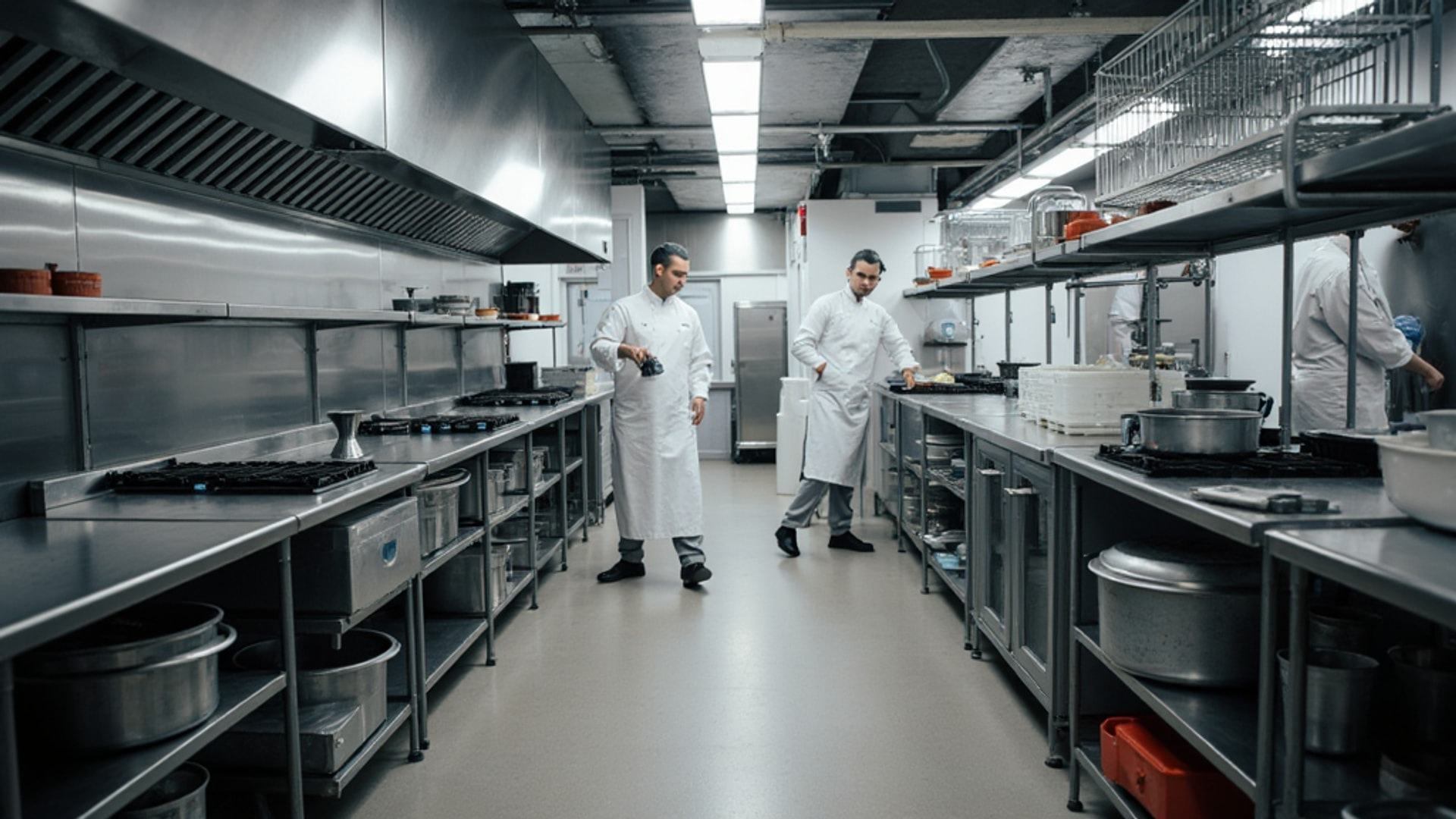
- Kitchen Management — Equipment, food safety, and the systems that keep your kitchen running.