· Case Studies · 8 min read
Domino's Pizza Turnaround: How Radical Transparency Rebuilt a Brand
In 2009, Domino's publicly admitted its pizza tasted like cardboard — and then posted a 14.3% same-store sales gain, the highest in industry history, by turning its worst reviews into its best marketing.
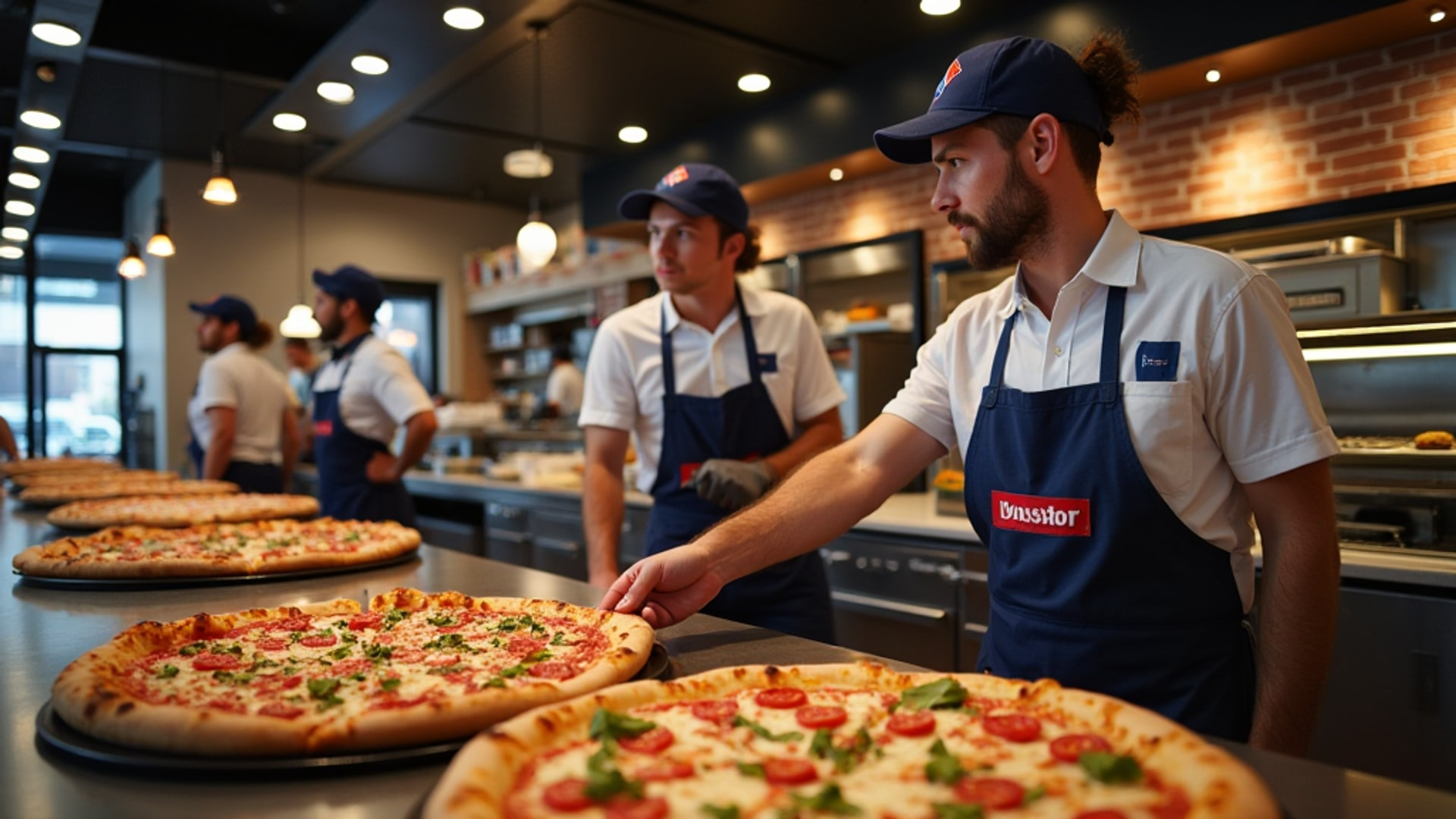
Most brand managers, when confronted with customers saying their product is terrible, reach for one of two responses: defensive spin or quiet reformulation. They do not buy national television time to air the footage of customers calling their pizza “low-quality and forgettable.”
Domino’s did. And then they posted the highest same-store sales gain in quick-service restaurant history.
The Domino’s Pizza turnaround is studied as a marketing case, but it is more fundamentally a case about what happens when a company stops running from an honest problem and starts running toward a genuine solution. The lesson is not “admit your failures publicly.” The lesson is that radical transparency only works when it is backed by radical improvement.
Where Domino’s Was in 2009
By 2009, Domino’s had spent 50 years serving essentially the same style of pizza. The company’s model was built on delivery speed (they had once guaranteed delivery in 30 minutes or the pizza was free). They were efficient. They were everywhere. And by the time the recession hit, their customers were openly, vocally contemptuous of the product.
According to Dennis Food Service’s case study of the turnaround, sales were declining, the stock price had plummeted, and consumer sentiment had turned sharply negative. Focus group research wasn’t just mildly critical. Customers described the pizza crust as “too rubbery” and said the product tasted “low-quality and forgettable.” These were not edge cases or outliers. This was the mainstream customer experience.
The company had a choice. They could continue with incremental tweaks and hope the conversation shifted. Or they could do something almost no major food chain had ever attempted: publicly acknowledge that the criticism was accurate, show the focus group footage on national television, and announce they were starting over.
The “Pizza Turnaround” Campaign
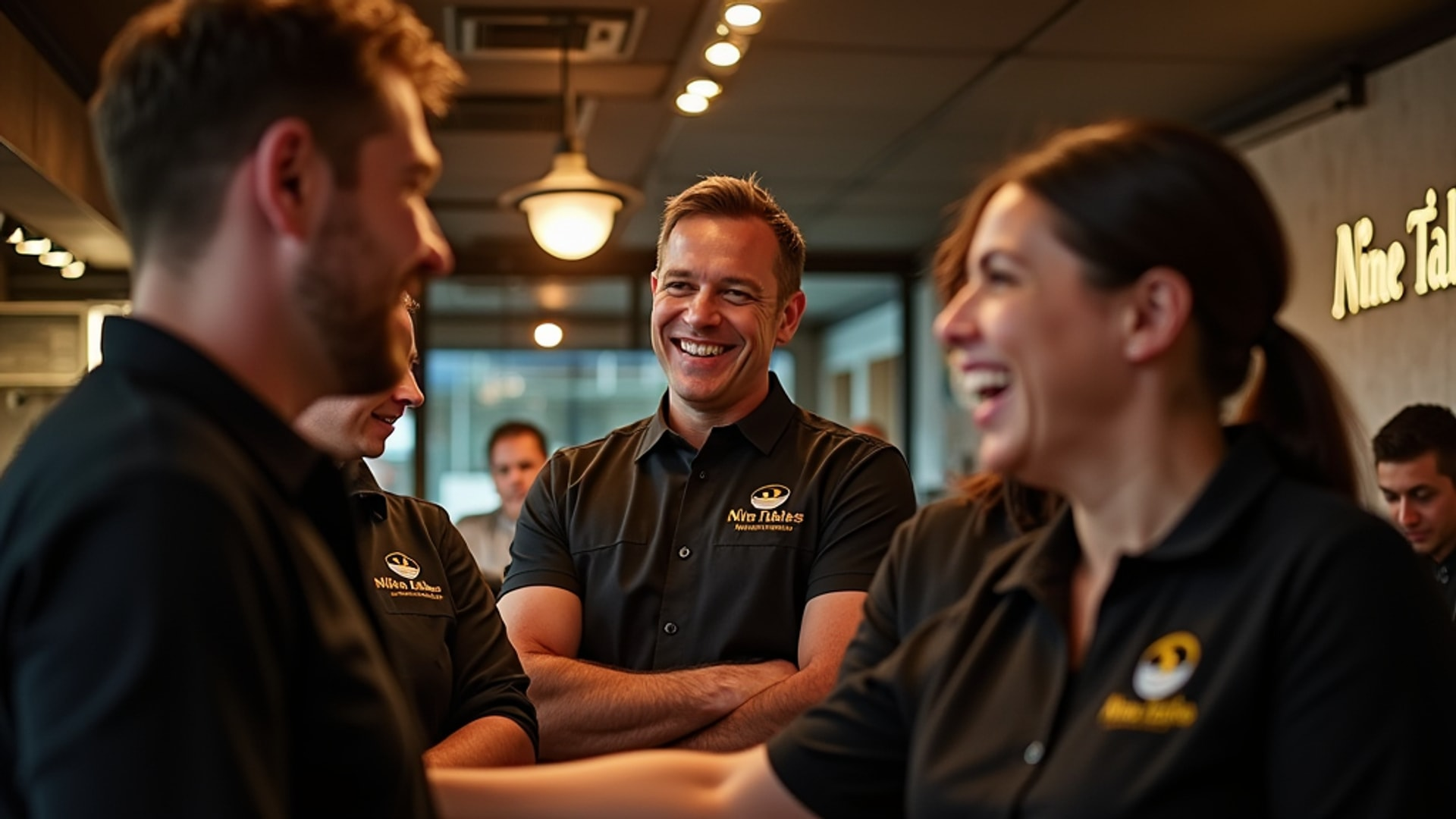
The campaign launched in December 2009. The television commercials featured real Domino’s employees, not actors, watching actual focus group footage of real customers describing what was wrong with their pizza. The employees looked genuinely uncomfortable watching it. Then they got to work.
The emotional core of the campaign was simple: instead of running from the criticism, they listened to it. That phrase, “they listened,” became the campaign’s central concept. It disarmed the natural consumer skepticism that greets any corporate improvement claim because it acknowledged, on video, that the company had previously not been listening, and that the criticism was deserved.
But the campaign would have been a PR catastrophe if the product hadn’t actually changed.
The Product Actually Changed
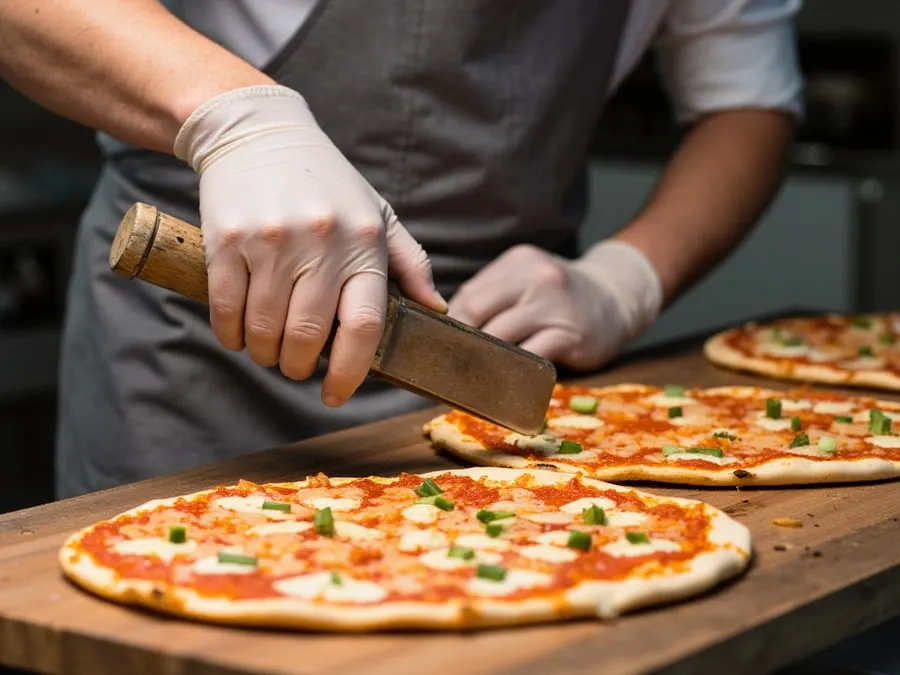
Behind the marketing was a genuine recipe overhaul. According to the Dennis Food Service analysis, Domino’s culinary team rebuilt the pizza from scratch. They added garlic to the crust. They reworked the sauce formula. They switched to more flavorful cheese. And they added 40% more cheese overall.
This was not a minor adjustment. This was a company acknowledging that its core product, the thing it had been selling for 50 years, needed to be replaced. The team conducted extensive taste testing until the new product represented a measurable, meaningful improvement.
The sequence matters enormously here. Domino’s did not launch the marketing campaign and then quietly tweak the recipe. They rebuilt the product, confirmed through testing that it was genuinely better, and then made the campaign about that authentic improvement. The transparency worked because there was something real behind it.

The Results
Same-store sales jumped 14.3% in the first quarter after the campaign launched, an industry record. This was not a temporary pop driven by promotional pricing or short-term gimmicks. The gain was sustained because the product that customers tried when they came back was actually better than what they remembered.
The turnaround extended beyond marketing into technology. Domino’s invested heavily in digital ordering infrastructure in the years following the campaign, building ordering platforms that eventually positioned the company as a technology company that happened to sell pizza. By 2017, Domino’s surpassed Pizza Hut to become the largest pizza chain in the world by sales, reporting $5.9 billion in annual revenue.
The stock price transformation was equally dramatic. Domino’s shares, which had been in the single digits at the depth of the crisis, climbed into the hundreds of dollars as the turnaround compounded.

Why This Worked When It Shouldn’t Have
Marketing conventional wisdom says you don’t air your worst customer reviews on national television. You don’t give critics a platform. You don’t remind consumers of bad experiences they might have forgotten.
The Domino’s campaign worked because it did something rarer and more valuable: it told the truth.
Consumers have sophisticated sensors for corporate insincerity. They’ve watched enough “New and Improved!” campaigns to be skeptical of product claims. But the Domino’s campaign showed footage that a brand protecting its reputation would never show voluntarily. That voluntary vulnerability was itself the proof of sincerity.
When a company films its own employees watching unflattering focus group footage and then airs that footage nationally, it’s making an implicit argument: “We are not running a PR campaign. We are actually embarrassed. And we actually fixed it.” That argument is much harder to dismiss than a conventional brand quality claim.
The Conditions That Make Radical Transparency Work
Not every struggling brand can run the Domino’s playbook. The approach requires specific conditions.
The problem must be real and fixable. Domino’s pizza was genuinely inferior to its competitors. The company fixed it. If the product hadn’t actually improved, the campaign would have generated a first-quarter traffic bump followed by devastating second-visit disappointment. Transparency about a problem you haven’t solved makes the problem worse.
The company must control the customer experience. Domino’s could guarantee that every customer who tried the new pizza would get the new recipe because they controlled production across the entire system. A franchise system with inconsistent execution, or a brand dependent on supplier quality they can’t control, cannot make that guarantee.
The admission must be genuinely uncomfortable. Campaigns that “admit” minor, vague shortcomings don’t generate the same response because they don’t signal real vulnerability. The Domino’s campaign worked partly because you could see the employees actually cringing at the focus group footage. Manufactured discomfort reads as insincere.
The solution must match the scale of the admission. Adding garlic to the crust while keeping everything else the same would have been a proportionally dishonest response to “this tastes like cardboard.” Domino’s rebuilt the recipe entirely. The solution was proportional to the admission.

What Independent Operators Can Take From This
Most restaurant operators won’t face a national brand crisis requiring a $50 million marketing campaign to address. But the principles operate at any scale.
Your worst reviews are your best research. Domino’s spent money on focus groups to understand exactly what customers hated. Most independent operators have access to this research for free through online reviews, comment cards, and customer conversations. The operators who treat negative feedback as research rather than as attacks tend to improve faster.
Acknowledging a problem to your regulars often builds more trust than hiding it. If your kitchen has had quality issues during a transition period, telling your regular customers “we had some problems, here’s what we fixed” typically generates more loyalty than hoping they didn’t notice. Regulars who see that you noticed and fixed a problem feel seen. Regulars who notice you’re pretending nothing happened feel dismissed.
Product improvement is the only sustainable marketing. Domino’s could have run the transparency campaign without actually fixing the pizza.
→ Read more: Restaurant Brand Identity: How to Build a Brand That Drives Loyalty It would have driven trial and then accelerated the brand’s decline as disappointed returning customers became even more vocal critics. The campaign worked because the product was genuinely better. Marketing can create the first visit. The product determines whether there’s a second one.
Speed and technology matter alongside product quality. Domino’s didn’t just improve the pizza. They rebuilt their digital ordering infrastructure to create a fundamentally better customer experience across every ordering channel. Product quality and operational convenience compound each other. Improving one while ignoring the other captures only part of the available opportunity.

The Transparency Paradox
The counterintuitive lesson of the Domino’s turnaround is that transparency about failure, when backed by genuine improvement, is a more powerful marketing strategy than conventional quality claims.
This is not because consumers prefer companies that admit failure. It’s because evidence of genuine self-awareness is credible in a way that marketing claims are not. When a company demonstrates that it has accurately assessed its own weaknesses and responded with proportional action, it signals an organizational capacity for learning that is reassuring about the future — not just about the past.
What Domino’s built with the turnaround was not just a better pizza. It built a reputation for being the kind of company that takes criticism seriously and responds with action. That reputation is worth more than any single product improvement, because it makes every future improvement more believable.
The campaign became a textbook case study in brand repositioning precisely because it was so unusual. Most companies cannot bring themselves to say “we were wrong” in public, let alone buy national airtime to prove it. That self-protective instinct is understandable and, in most cases, exactly wrong.
The restaurants that are best at improving are the ones that can look at honest feedback without flinching. The Domino’s turnaround is the most public example of that capacity in the restaurant industry’s history.
→ Read more: Restaurant Crisis Communication
→ Read more: Customer Feedback and Surveys