· Marketing · 15 min read
Social Media Marketing for Restaurants: A Practical Guide
How to build a social media strategy that actually drives revenue. Platform selection, content that converts, influencer partnerships, UGC, and the benchmarks that matter — all backed by industry data.
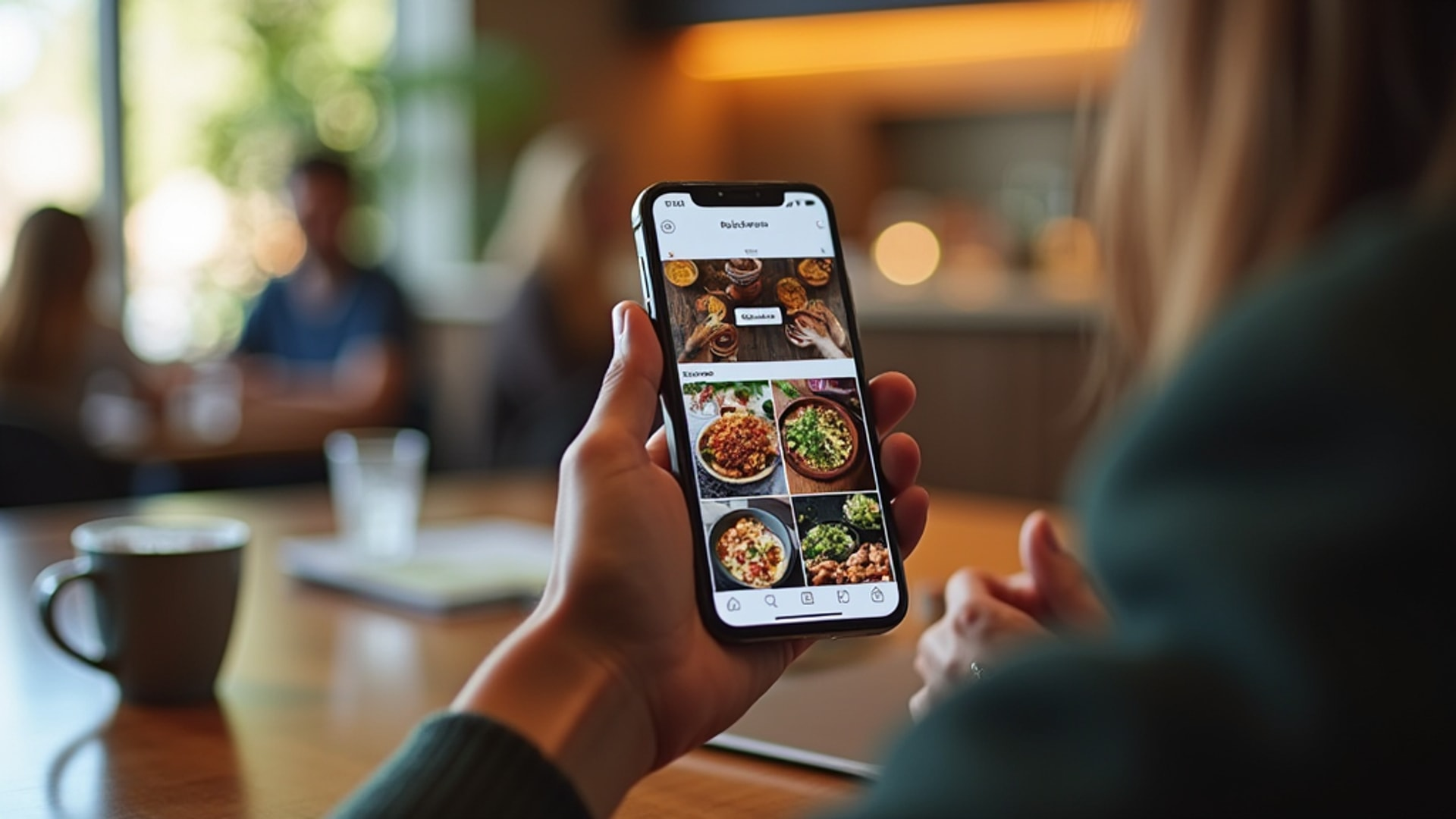
Social media is where your next customer decides whether to visit you or the place down the street. According to Deloitte Digital’s 2024 analysis, 74% of consumers use social media to decide where to eat, and 68% check a restaurant’s social presence before walking through the door. That is not a branding exercise — it is a revenue channel. Restaurants with active social strategies reported an average 9.9% increase in direct B2C revenue attributable to their social efforts, per the same Deloitte study. For a restaurant doing $800,000 in annual revenue, that represents nearly $80,000 in additional growth.
The gap between restaurants that treat social media as an afterthought and those that make it central to their strategy is widening. Deloitte found that “social-first” brands — those prioritizing social as a primary marketing channel — achieved 14.1% average revenue growth, significantly outperforming peers with fragmented approaches.
This guide covers how to pick the right platforms, what to post, how to work with influencers, and how to turn your guests into your best marketers. Every recommendation traces back to industry data and real restaurant results.
Pick Your Platforms (Then Actually Commit)
Trying to maintain five social accounts with a skeleton crew is a recipe for five mediocre presences. Pick one or two platforms where your target customers actually spend time, and do them well.
Instagram remains the dominant platform for restaurant discovery. According to Restroworks’ 2025 benchmark data, 51% of diners browse Instagram before choosing where to eat, and the platform delivers a 2.2% per-follower engagement rate for food content — well above the cross-industry average. Among Gen Z diners specifically, 55% use Instagram for restaurant reviews and visual discovery.
Over 70% of brand posts on Instagram are now Stories rather than traditional feed posts, as reported by Owner.com’s aggregated restaurant marketing data. This means your strategy should weight Stories and Reels heavily, not just polished grid posts. Reels earn up to double the engagement of static image posts, according to Restroworks.
Posting cadence: 3-5 times per week on the main feed, plus daily Stories. Toast’s social media guide recommends this frequency as the minimum for maintaining algorithmic visibility.
Multi-location tip: If you have multiple locations, keep your username brand-focused rather than location-specific. Owner.com’s research shows this builds a unified identity that scales.
TikTok
TikTok has fundamentally changed restaurant discovery for younger diners. According to Restroworks, 44% of Gen Z use TikTok for restaurant research. But here is what makes TikTok different from Instagram: the algorithm surfaces content based on quality and relevance, not follower count. As BentoBox’s TikTok guide explains, this means a new restaurant with 200 followers can reach tens of thousands of people with a single well-crafted video.
CloudKitchens’ viral content analysis confirms that raw, authentic content consistently outperforms polished studio-quality productions on TikTok. A chef plating a dish in real time, a satisfying sizzle of proteins hitting a hot pan, or behind-the-scenes kitchen chaos resonates more than anything that looks like an ad.
Posting cadence: 2-4 times per week. CloudKitchens recommends posting at peak hours — before lunch (11 AM-1 PM), around dinner (5-7 PM), and during late-night browsing (8-10 PM).
Setup essentials from BentoBox: Create a business account (not personal), use your restaurant name as your username, and know that you need 1,000 followers before you can link your website in your bio. The bio itself is limited to 80 characters — make them count.
The stakes are real. According to BentoBox, 49% of TikTok users say the app influences their purchasing decisions. Easy Street Burgers in LA experienced a business surge after food reviewer Keith Lee posted a single TikTok review, illustrating how one piece of content can transform a restaurant’s trajectory.
Facebook still leads in overall restaurant discovery at 59% of diners, according to Restroworks — more than Instagram or TikTok. It is particularly strong for community building, event promotion, and reaching older demographics. The engagement rate in dining and hospitality runs around 1.3%, lower than Instagram but still meaningful given the platform’s larger user base.
Facebook’s greatest value for restaurants today is in targeted local advertising and event promotion. According to Emplifi’s social media strategy research, 51% of restaurants cite promoting in-person events on social media as their most effective driver of physical visits — and Facebook is where event marketing works best.
Content That Actually Drives Visits
Posting food photos is the default. It is also not enough. The restaurants winning on social media make followers feel like insiders, not just spectators.
The Content Types That Perform
Based on data from Toast, BentoBox, CloudKitchens, and Emplifi, here are the content categories ranked by engagement:
Behind-the-scenes kitchen footage — Food preparation videos showing the complete process of making a dish consistently outperform static images across all platforms. The messy, real version of your kitchen is more compelling than any styled photo.
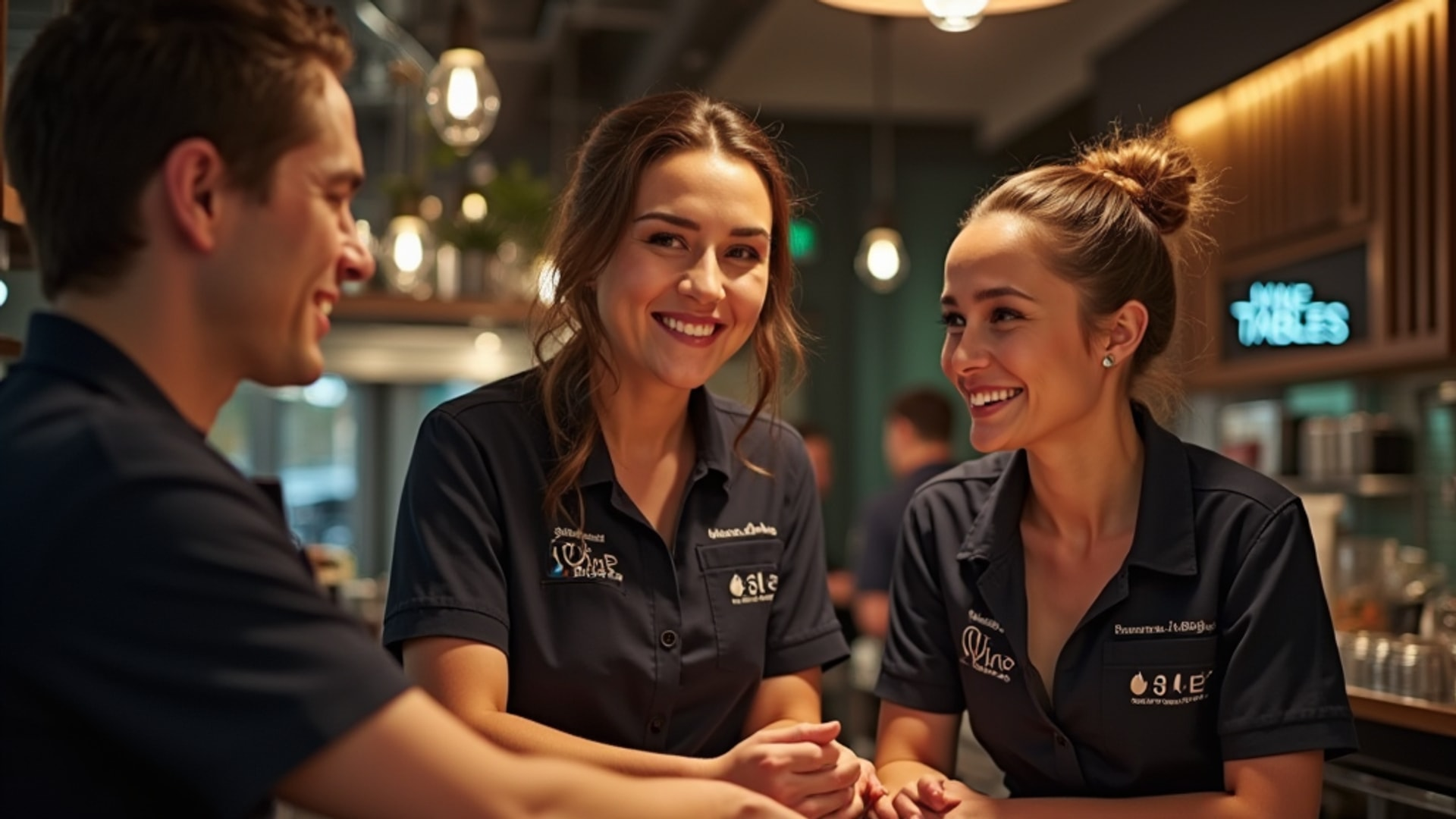
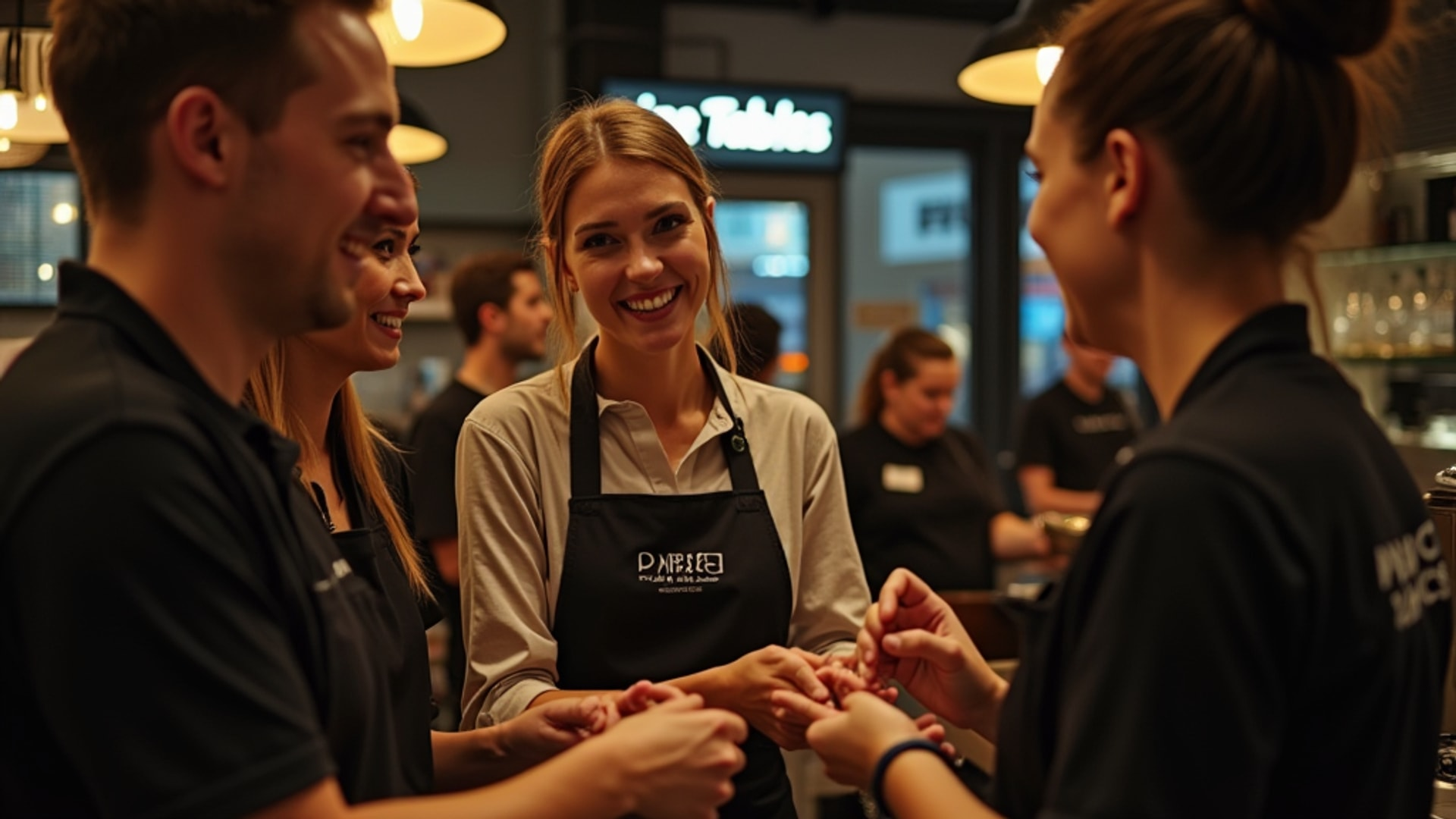
Staff spotlights and day-in-the-life content — BentoBox specifically highlights employee takeovers and day-in-the-life formats as dual-purpose content: they strengthen employer branding and retention while building customer appreciation for the team.
Comment-response videos (especially on TikTok) — BentoBox’s guide identifies this as a high-engagement format: transform customer comments and questions into video responses. This creates a dialogue loop that drives algorithmic reach.
Seasonal menu reveals and chef profiles — These provide recurring content pillars that keep your calendar structured and give followers a reason to come back.
Trend participation — On TikTok specifically, incorporating viral sounds and trending challenges increases For You Page visibility. CloudKitchens’ analysis confirms the algorithm rewards trend participation with broader reach.
The Three-Second Rule
CloudKitchens’ viral content research makes one thing clear: the first three seconds of any video determine whether someone keeps watching or scrolls past. You need an immediate hook — a dramatic food reveal, a bold text overlay, or an unexpected moment. Save the branding and context for after you have stopped the scroll.
Storytelling Over Showcasing
The YouTube strategy extract featuring marketing experts Marley Jaxx, Wilson K Lee, and GaryVee reinforces a key principle: social media content should tell stories and create emotional connections, not just showcase food photos. Show the chef’s process for creating a signature dish. Share the origin story of a recipe. Document the sourcing of special ingredients. These narratives create the kind of connection that makes someone drive 20 minutes to your restaurant instead of going to the closer option.
Posting Schedule and Timing
Emplifi’s research identifies optimal posting times aligned with when people think about food: 9 AM (planning lunch), noon to 1 PM (lunchtime browsing), and 8 PM (evening decision-making). Restroworks adds that holidays and weekends see 35% higher engagement than weekdays, so concentrate your strongest content around those windows.
A practical schedule:
| Platform | Feed Posts/Week | Stories/Day | Best Times |
|---|---|---|---|
| 3-5 | 1-2 | 9 AM, 12 PM, 8 PM | |
| TikTok | 2-4 | — | 11 AM-1 PM, 5-7 PM, 8-10 PM |
| 3-4 | — | 12 PM, evenings |
Batch Production Saves Your Sanity
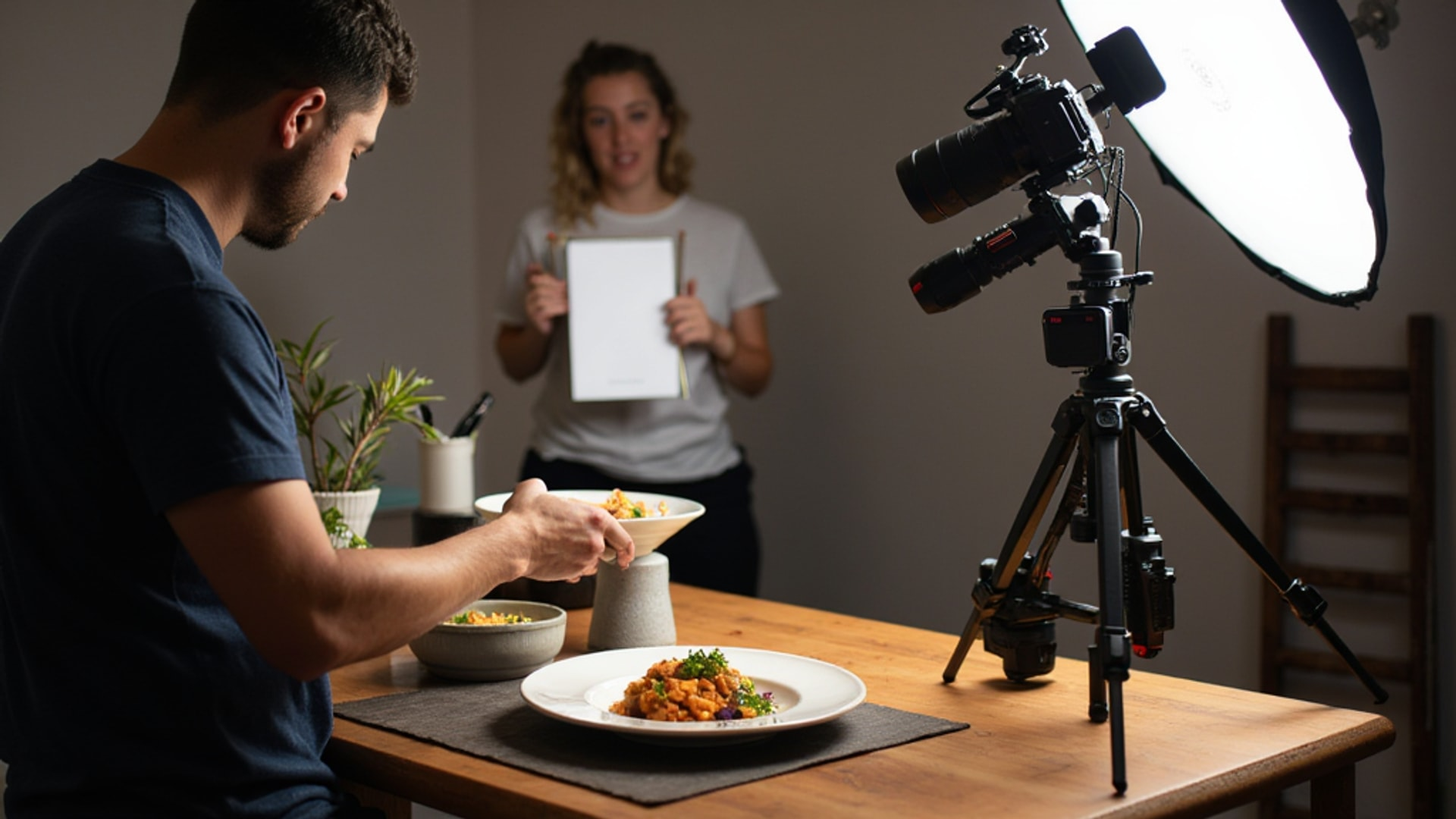
You are already working 60-hour weeks. You do not have time to create content daily. The YouTube strategy extract recommends batch content creation: designate one day per month for photography and video capture. Shoot multiple dishes, behind-the-scenes moments, and team introductions in a single session, then schedule posts throughout the month.
ChowNow’s content calendar guide recommends planning content 4-6 weeks in advance, mapping your social calendar to your operational calendar — new menus, special events, holidays, seasonal shifts. But leave room for spontaneous posts and trending content. Rigidity kills authenticity.
Scheduling tools that work for restaurants include Buffer (broad platform support, simple interface), Hootsuite (scheduling plus analytics and social listening), and Planable (team collaboration with approval workflows). For multi-location operations, Sked Social manages multiple profiles from a unified dashboard, per ChowNow.
Hashtag Strategy: Think Local
Generic hashtags like #foodie or #yum put your content into a feed with millions of competing posts. Emplifi’s research found that location-specific hashtags increase reach by up to 38% compared to generic food hashtags. Use your city name, neighborhood identifiers, and local food scene tags to attract followers who can actually walk through your door.
A balanced hashtag approach:
- 2-3 location hashtags: #ChicagoFood, #WickerParkEats
- 2-3 niche food hashtags: #WoodFiredPizza, #FarmToTable
- 1 branded hashtag: #YourRestaurantName
- 1-2 trending hashtags: Rotate based on platform trends
User-Generated Content: Your Best Marketing Is Free
User-generated content is not a nice-to-have — it is arguably your highest-performing marketing asset. According to Restaurant Engine and Restroworks, UGC ads generate 4x more clicks than branded ads, earn 28% higher engagement on social media, and 79% of consumers say user-generated content impacts their purchasing decisions.
The math is simple: content your guests create for free outperforms content you pay to produce. Your job is to make it easy for them.
Building a UGC Engine
Restaurant Engine outlines the fundamentals for generating consistent user content:
Make the food photogenic. This sounds obvious, but it starts at the plating station. White or neutral plates photograph better. Height and color contrast catch the eye. If your dishes do not photograph well under the lighting in your dining room, your guests will not post about them.
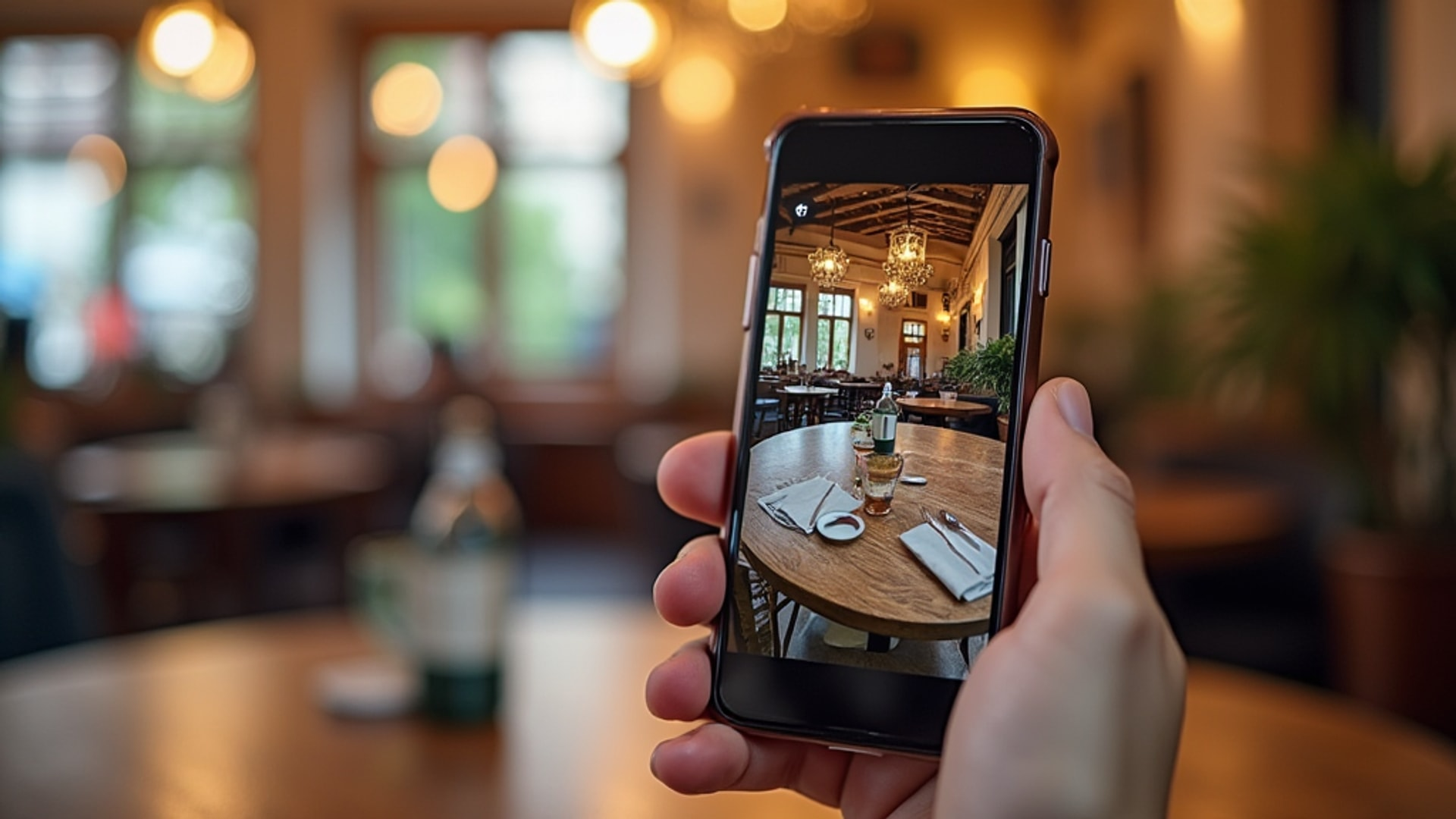
Design shareable spaces. A feature wall, a striking bar setup, or a visually distinctive decor element gives guests a natural reason to pull out their phones. According to the social-media-food-culture topic synthesis, restaurants now design specific elements intended to generate social content: eye-catching murals, dramatic tableside preparations, and photogenic desserts.
Fix the lighting. Restaurant Engine’s UGC guide notes a common problem: dim lighting creates atmosphere but produces terrible photos that customers will not share. If your dining room is too dark for a decent smartphone photo, you are killing your UGC potential. Consider adjustable lighting or designate a well-lit area near a window.
Create a branded hashtag and display it everywhere. Table cards, receipts, menus, bathroom mirrors. Make it easy for guests to tag you in a discoverable way.
Incentivize sharing. A free appetizer or dessert for posting with your branded hashtag converts passive diners into active promoters. QR codes on tables that link to a sharing prompt can drive content creation at the moment of experience.
Amplifying UGC
Collecting content is only half the job. Restaurant Engine emphasizes that responding to every customer post — thanking creators, resharing the best content — signals that your restaurant values its community and encourages others to contribute. Identify micro-influencers among your regular customers and nurture those relationships for ongoing organic content.
The Talkin’ Tacos Case
The most concrete UGC success story in the archive comes from Owner.com’s restaurant marketing data: Talkin’ Tacos in Miami grew their Instagram following to over 194,000 followers, correlated with expansion to 25 locations in five years. Their account generated $262,000 in online sales within 11 months — proving that Instagram-driven UGC is not just brand awareness but direct revenue.
Influencer Partnerships: Micro Beats Macro
The influencer landscape has matured past the point where you need celebrity endorsements. The data consistently shows that smaller, local creators deliver better results for restaurants.
Why Micro-Influencers Win
According to Square’s influencer marketing guide, micro-influencers with 5,000-50,000 followers generate up to 60% more engagement than macro-influencers with over 100,000 followers. ChowNow’s influencer guide reinforces this: local food creators with engaged followings in your geographic market deliver more measurable results than national creators with millions of dispersed followers. The authentic, community-level connection drives actual visits rather than just impressions.
Square reports that businesses make $6.50 in revenue for every $1 spent on influencer marketing, with 92% of marketers viewing the channel as effective.
Finding the Right Partners
Square and ChowNow recommend these approaches:
- Check your own tags first. Creators already posting about your restaurant demonstrate genuine interest — they are your warmest leads.
- Search locally. Google “food influencers in [your city]” and use hashtag searches like #ChicagoFoodie on Instagram.
- Use platform tools. TikTok Creator Marketplace and Instagram’s creator marketplace let you filter by location and audience demographics.
- Try influencer databases. Upfluence and Modash help filter creators actively seeking restaurant collaborations, per ChowNow.
Compensation Models
There is no standard rate card. Square outlines the common models:
| Model | Typical Cost | Best For |
|---|---|---|
| Complimentary meal | $50-150 per visit | Micro-influencers, local creators |
| Fixed per-post fee (Instagram) | ~$500 | Established local influencers |
| Fixed per-post fee (TikTok) | ~$125 | Emerging creators |
| Fixed per-post fee (Facebook) | ~$1,250 | Broader demographic reach |
| Ongoing ambassador deal | Varies | Long-term brand building |
Many micro-influencers are happy to create content in exchange for a complimentary dining experience, making this accessible even on a tight budget.
Measuring Influencer ROI
ChowNow’s guide provides the practical answer: give each influencer unique tracking mechanisms. Custom discount codes, dedicated landing page URLs, or specific reservation codes let you attribute customers directly to individual partnerships. Without these, you are guessing.
Campaign Types That Work
Based on ChowNow and Square’s guidance:
- Menu tastings: Invite creators for a full tasting menu experience with content deliverables
- Behind-the-scenes visits: Kitchen access and chef interaction create richer content than a standard dinner
- Event coverage: Launch parties, seasonal menu debuts, and special events provide natural content opportunities
- Ongoing ambassador relationships: ChowNow ranks creator partnerships as the second-highest return strategy after loyalty programs
The key principle from both sources: partner collaboratively, not prescriptively. Let creators maintain their authentic voice. Scripted content defeats the purpose of influencer marketing.
The Engagement Game: Two-Way, Not Broadcast
Posting content is half the equation. The other half is showing up in your comments and DMs.
Emplifi’s research reveals a striking metric: restaurants prioritizing two-way conversations see 3.5x higher engagement than those just broadcasting. That is not a marginal improvement — it is a fundamental difference in how social media works for your business.
Response Speed Matters
According to Restroworks, 73% of diners will choose a competitor if a restaurant fails to respond online. That stat applies to comments, DMs, and reviews. The YouTube strategy extract recommends responding to every review, positive or negative, within 24 hours.
Converting Followers to Customers
Engagement alone does not pay the bills. Emplifi’s research emphasizes that the conversion pathway from follower to paying customer requires deliberate friction reduction:
- Use platform-native tools: Reservation links, order buttons, and menu integrations let followers take action directly within the app.
- Mobile-optimize everything: 48% of restaurants cite mobile experience optimization as critical for social-to-action conversion, per Emplifi.
- Promote events: 51% of restaurants say event promotion is their most effective visit driver.
- Strong calls to action: The YouTube strategy extract from marketing expert Marley Jaxx insists that every post needs a clear CTA — make a reservation, visit for a special, order delivery. Content without purpose is wasted effort.
Budget and Resources
You do not need a massive budget to make social media work. Owner.com’s restaurant marketing data recommends a starting budget of approximately $100 per week for content creation and staff photo management. That makes consistent posting sustainable without requiring a dedicated social media hire.
The more important investment is time. Batch your content creation, use scheduling tools, and build systems that let your team contribute to content without it becoming a second job.
Here is a realistic monthly breakdown for an independent restaurant:
| Item | Monthly Cost |
|---|---|
| Scheduling tool (Buffer/Hootsuite) | $15-100 |
| Content creation budget | $400 |
| Boosted posts / paid promotion | $200-500 |
| Influencer partnerships (1-2/month) | $0-500 |
| Total | $615-1,500 |
Given the 9.9% average revenue lift Deloitte attributes to social media strategies, this represents a strong return for most restaurants.
Measuring What Matters
Follower count feels good but does not pay rent. Track the metrics that connect to revenue:
- Engagement rate: Are people interacting with your content or scrolling past?
- Website clicks and direction requests: Are followers taking action?
- Reservation/order link clicks: Direct conversion signal.
- Branded hashtag usage: Is your UGC engine working?
- Response rate and time: How quickly are you engaging with followers and reviewers?
Restroworks reports that average restaurants gain 150-500 followers per month with consistent posting — useful as a benchmark, but follower growth alone is not the goal.
Review performance monthly. Identify what your top posts have in common — format, topic, timing — and adjust your content calendar accordingly. Most scheduling tools include built-in analytics dashboards showing reach, engagement, and click-through metrics, per ChowNow.
Every Post Needs a Job
The YouTube strategy extract from Marley Jaxx provides the simplest and most useful framework for social media content: every post must serve one of three objectives.
- Lead generation — Content that attracts new potential customers through discoverable hashtags, shareable formats, or compelling hooks.
- Lead nurture — Content that builds trust and familiarity with people who already know about your restaurant.
- Lead conversion — Content that motivates a specific action: making a reservation, visiting for a special, ordering delivery.
If a post does not fit one of these categories, ask yourself why you are making it.
Quick-Start Checklist
If you are starting from zero or resetting a neglected social presence, here is your first 30 days:
- Choose 1-2 platforms based on your target demographic
- Set up business accounts with complete profiles, location, and contact info
- Create a branded hashtag and display it on table cards and receipts
- Schedule a batch content day — shoot 20+ photos and 10+ short videos
- Set up a scheduling tool and plan 4 weeks of content
- Identify 5-10 local micro-influencers and reach out to 3
- Add reservation/order links to all social profiles
- Commit to responding to every comment and DM within 24 hours
- Optimize your dining room lighting for guest photography
- Set up tracking: unique promo codes for influencer campaigns, UTM parameters for link clicks
Social media marketing for restaurants is not about going viral. It is about showing up consistently, engaging authentically, and making it easy for people to find you, trust you, and visit. The restaurants that do this well — Deloitte’s data confirms — grow measurably faster than those that do not.
→ Read more: Instagram Marketing for Restaurants: Building a Following That Fills Tables → Read more: TikTok Marketing for Restaurants: Building Viral Momentum → Read more: User-Generated Content for Restaurants: The Marketing You Do Not Have to Create → Read more: Restaurant Influencer PR: How to Earn Attention That Drives Visits