· Marketing · 11 min read
Food Photography and Visual Marketing: A Practical Guide for Restaurant Operators
43% of Gen Z diners say food photos directly influence where they order from, and restaurants report an average 9.9% increase in revenue from social media strategies. Here is how to create visual content that drives real business results.
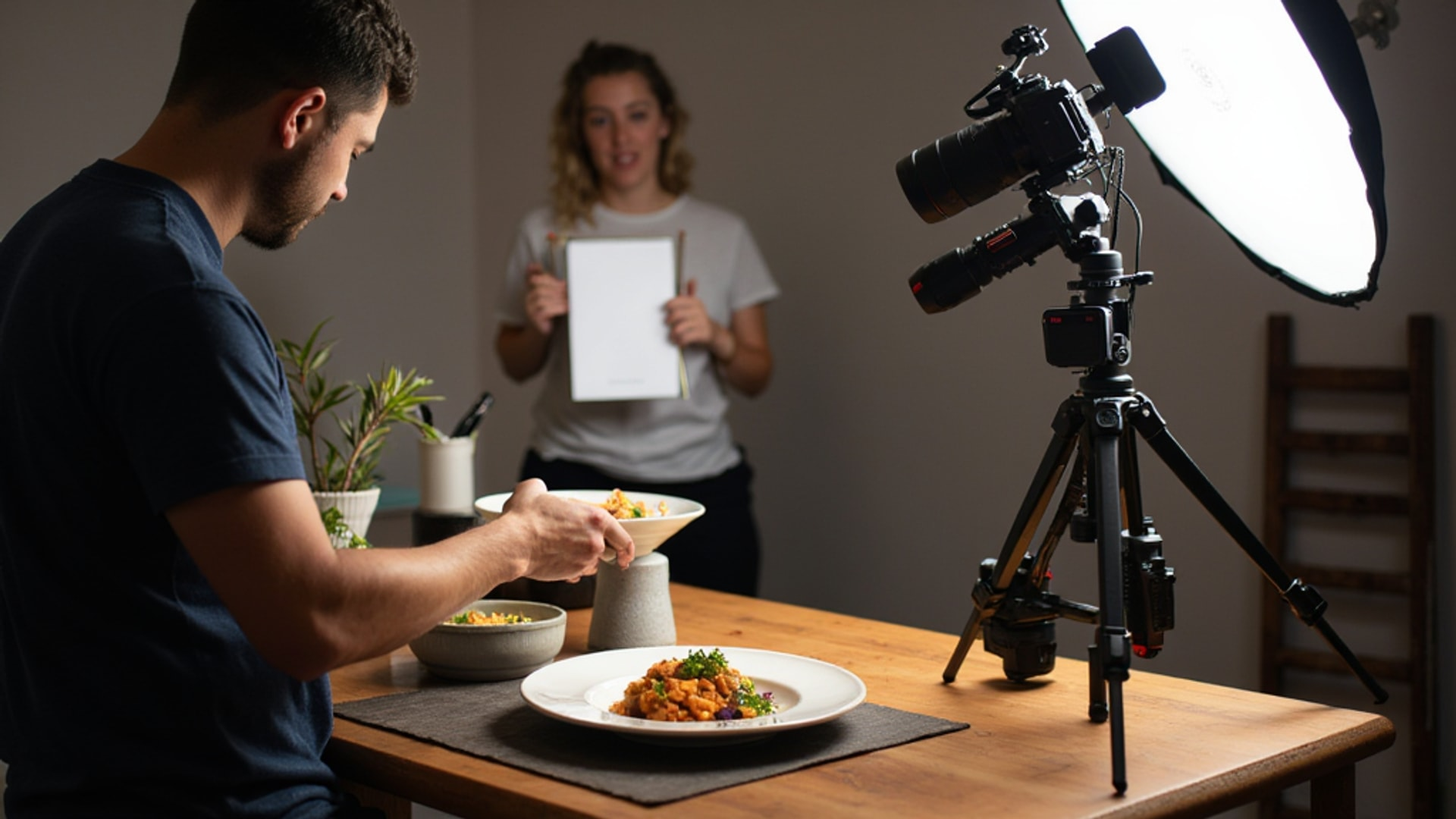
Visual content has become the primary driver of restaurant discovery. People do not read about restaurants anymore. They see them. A scroll through Instagram, a TikTok video, a photo on Google — these are the moments that determine where someone decides to eat.
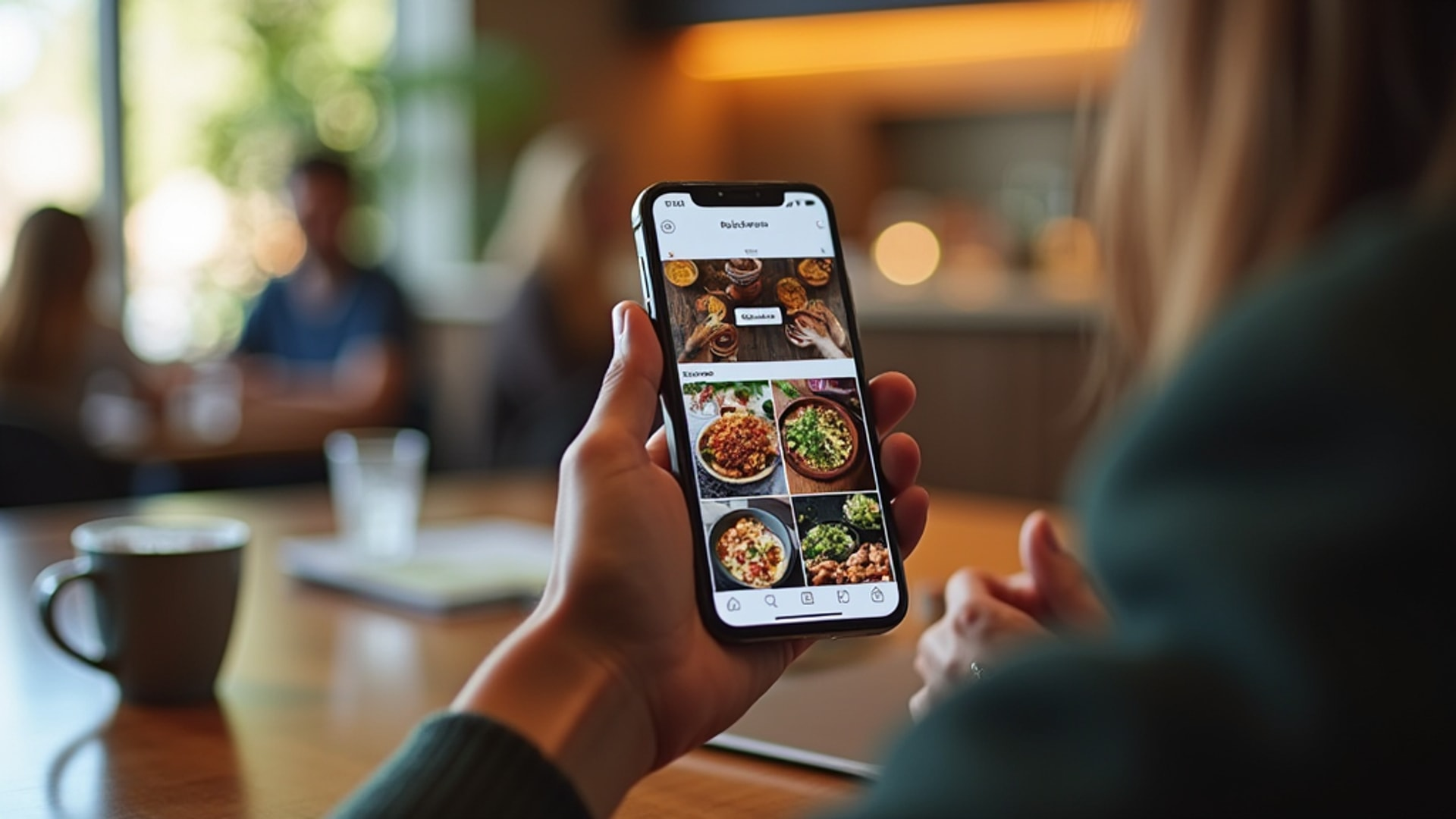
According to Restroworks, 72% of people use social media platforms like Instagram and TikTok to research restaurants before visiting. According to Owner.com, 51% of diners browse Instagram before choosing where to eat. According to The Restaurant HQ, 43% of Gen Z diners say food photos directly influence where they order from. And according to Restroworks, restaurants reported an average 9.9% increase in business-to-consumer revenue from social media strategies in 2024.
Food photography is no longer a luxury. It is a revenue driver. And you do not need a professional photographer or expensive equipment to do it well.
Photography Fundamentals: Lighting Is Everything
Lighting determines photograph quality more than any other factor — more than the camera, more than the lens, more than editing. Get the lighting right and everything else becomes easier.
Natural Light
According to The Restaurant HQ, natural, indirect window light positioned behind or to the side of the dish creates soft, even illumination that makes food look appetizing. This is the gold standard. According to The Restaurant HQ, restaurants should identify locations and times of day that receive the best diffuse light, particularly near north or south-facing windows.
Direct sunlight creates harsh shadows and overexposed highlights. According to The Restaurant HQ, diffusers made from parchment paper or translucent materials soften harsh rays when direct sun is unavoidable.
What to Avoid
According to The Restaurant HQ, the built-in camera flash should never be used for food photography. It produces flat, unflattering images with harsh reflections off plates and sauces. The flash creates unnatural hues and removes the depth that makes food look three-dimensional and appetizing.
Supplemental Lighting
For restaurants without ideal natural light, according to The Restaurant HQ, portable work lights starting at around $20 and 5-in-1 reflector kits at approximately $65 provide affordable supplemental lighting. A reflector bouncing light onto the shadow side of a dish eliminates harsh contrasts without adding artificial-looking illumination.
Camera Angles: Match the Angle to the Dish
Different dishes demand different shooting approaches. Choosing the wrong angle can make even beautiful food look flat or unappetizing.
Overhead (Bird’s Eye)
Best for flat presentations: pizzas, grain bowls, salads, pancake stacks, charcuterie boards. Overhead shots capture the full composition and work especially well when the visual appeal comes from color and arrangement rather than height.
Side Angle
Best for tall, layered dishes: burgers, sandwiches, cakes, layered desserts, stacked pancakes. According to The Restaurant HQ, research suggests consumers find side-angle food photos approximately 13% more appealing. The side angle showcases height, layers, and texture that overhead shots miss entirely.
45-Degree Angle
The most versatile option. According to The Restaurant HQ, this approximately matches a seated diner’s natural perspective, capturing both the dish and its surrounding context. When you are unsure which angle to use, the 45-degree angle is your safest bet.
Composition
According to The Restaurant HQ, when photographing multiple dishes, arranging three items in a triangle creates the most harmonious composition. This principle applies whether you are shooting for social media, your website, or printed materials.
Food Styling: Make It Look Real, Not Perfect
The goal of restaurant food styling is not perfection. It is appetizing authenticity. Overly staged, artificially perfect images feel commercial and untrustworthy. A slightly imperfect, clearly real photograph builds more desire than a studio-quality image that looks like a stock photo.
Practical Techniques
According to The Restaurant HQ, professional styling techniques accessible to any restaurant include:
- Clean plate edges meticulously — Wipe every crumb, fingerprint, and stray sauce before shooting
- Add strategic oil — Use an eyedropper or pastry brush to create appetizing shine on proteins and vegetables
- Precise garnish placement — Use tweezers for herbs and microgreens placed intentionally
- Create height in soft foods — Build peaks in mashed potatoes, ice cream, and rice dishes for visual dimension
- Contextual props — Surround the main dish with napkins, cutlery, ingredients, or flowers to tell a story rather than simply showing food
Props and Brand Identity
According to The Restaurant HQ, prop selection communicates your brand identity. Rustic wooden boards suggest farm-to-table authenticity. Clean white plates convey modern refinement. Vintage tableware creates nostalgic warmth. Match your props to your concept — the visual language of a food photo should be consistent with the experience a guest has when they walk through your door.
Equipment: What You Actually Need
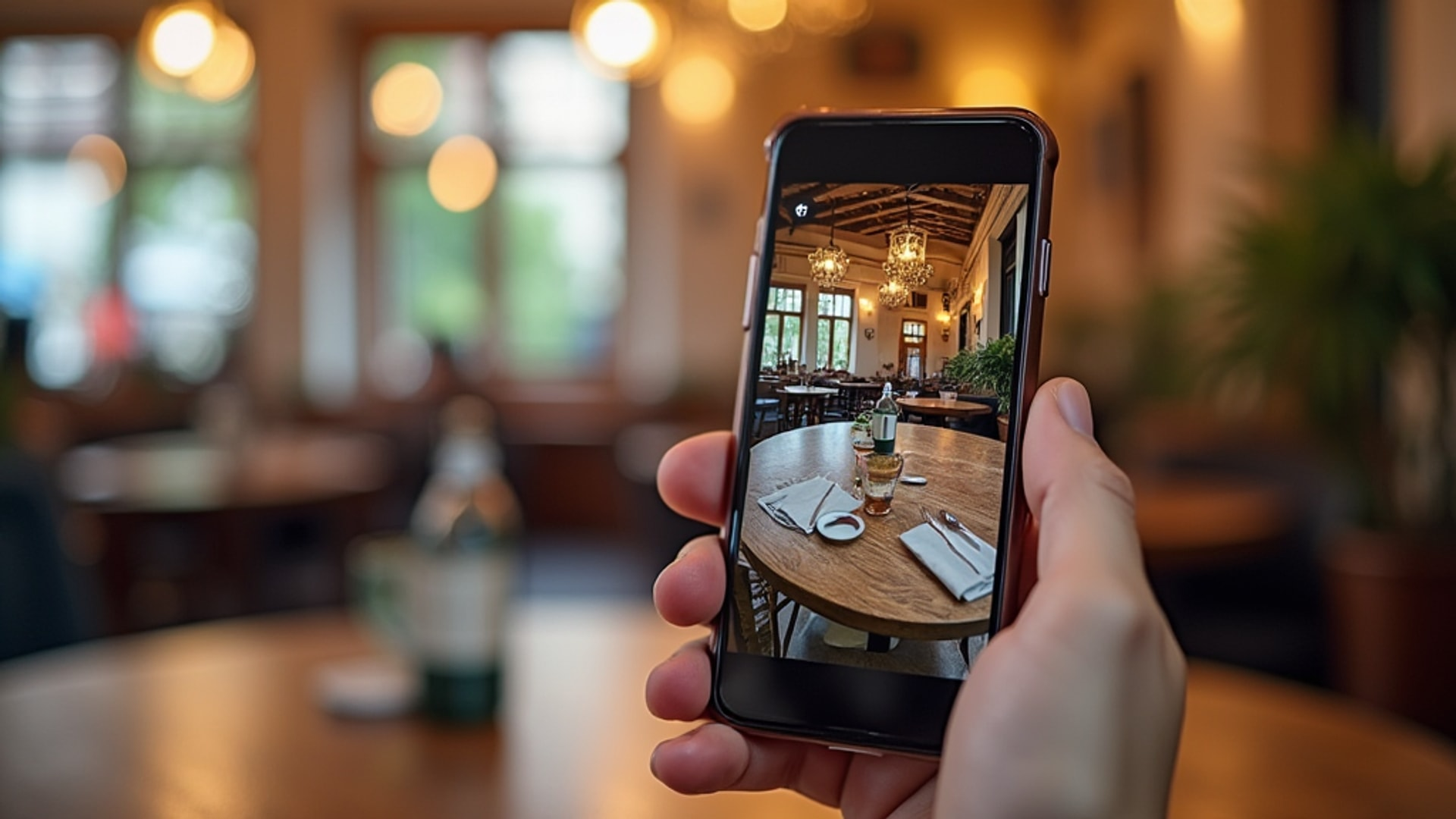
You do not need a professional camera. According to The Restaurant HQ, a top-of-the-line smartphone camera is sufficient for most restaurant photography needs, because lighting and composition outweigh hardware specifications.
Essential Accessories Under $100
According to The Restaurant HQ, the essential toolkit includes:
- Tripod (approximately $70) — Stabilizes shots and frees both hands for styling adjustments
- Stepladder (approximately $40) — Essential for overhead compositions
- 5-in-1 reflector kit (approximately $65) — Controls shadows and highlights
- Portable work lights (approximately $20+) — Supplements natural light when needed
That is a complete food photography setup for under $200. The investment pays for itself with a single post that brings in new customers.
Staff Budget
According to Owner.com, a recommended budget of approximately $100 per week for staff photo management makes consistent content creation sustainable without requiring a dedicated social media hire. That covers time for shooting, basic editing, and posting — not equipment or professional services.
Video: The Highest-Growth Content Format
Static photos still matter, but video has become the dominant format for restaurant discovery. According to The Rail Media, YouTube has 2.7 billion users, with food and beverage videos averaging approximately 323,000 views per post. According to Restroworks, Reels and vertical video earn up to double the engagement rate of static image posts.
Short-Form Video Basics
According to The Rail Media, videos under 60 seconds achieve 62% completion rates. Completion rate is the critical metric because it determines whether platforms show your content to more people. Keep it short, keep it engaging.
According to CloudKitchens, the first 3 seconds determine whether someone keeps watching or scrolls past. According to The Rail Media, the first 5-10 seconds are decisive for viewer retention. Open with a hook: a dramatic food reveal, a satisfying sizzle, a bold caption, or an unexpected visual moment.
Content That Works
According to CloudKitchens, raw, unscripted moments consistently outperform polished studio-quality content. The best-performing restaurant video content includes:
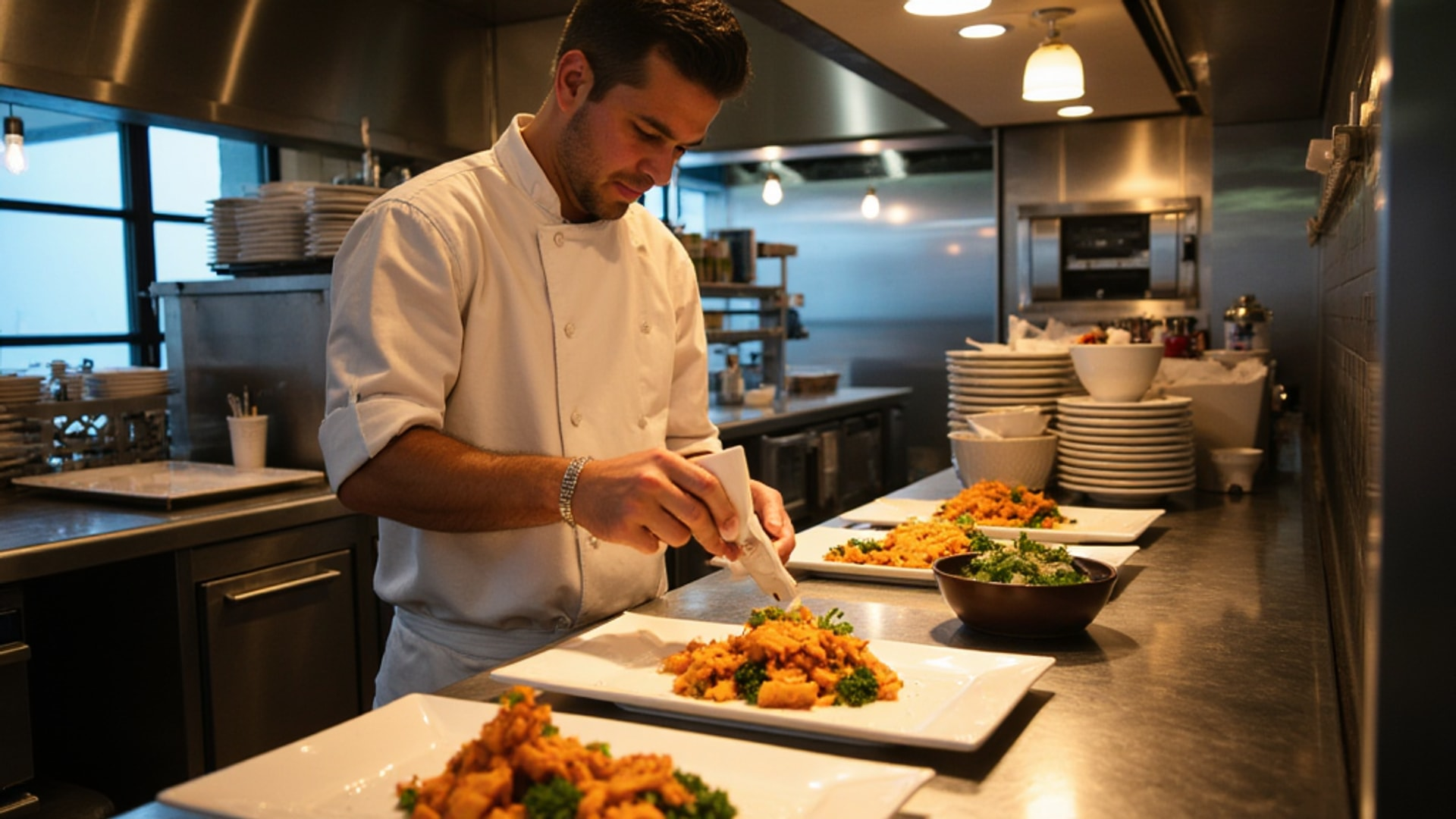
- A chef plating a dish in real time
- The satisfying sizzle of proteins hitting a hot pan
- Behind-the-scenes kitchen energy during a busy service
- A server revealing a dessert tableside
- Staff introductions and personality moments
- Seasonal menu item showcases
According to CloudKitchens, Gen Z audiences in particular favor less polished, authentic content over overly styled imagery. Authenticity beats production value every time.
Posting Cadence
According to CloudKitchens, post 3-5 times per week at peak hours: lunchtime (11 AM-1 PM), dinner (5-7 PM), and late-evening browsing (8-10 PM). According to Toast, maintaining this consistency keeps your content visible in social media algorithms. According to The Rail Media, weekly long-form videos build depth, while multiple weekly short-form videos maximize discovery.
Platform-Specific Optimization
Each platform has its own technical requirements and audience behavior. Optimizing for each one maximizes the impact of the same core content.
According to Restroworks, Instagram delivers a 2.2% per-follower engagement rate for food content, outperforming most industries. According to The Restaurant HQ, feed posts perform best at 1080 x 1350 pixels in 4:5 portrait orientation for maximum screen coverage. According to Restroworks, Reels earn up to double the engagement of static posts. According to Owner.com, 51% of diners browse Instagram before choosing where to eat, making it the primary visual discovery platform.
TikTok
According to Restroworks, 44% of Gen Z diners use TikTok for restaurant research. According to CloudKitchens, the algorithm prioritizes content quality over follower count, meaning a restaurant with 200 followers can reach thousands of people organically. Authenticity and hooks matter more than production quality.
According to Restroworks, Facebook leads overall restaurant discovery at 59% usage. While Instagram and TikTok dominate among younger demographics, Facebook remains critical for reaching older diners and for community building through local groups and event promotion.
YouTube
According to The Rail Media, YouTube generates the highest absolute view counts, with food and beverage content averaging over 323,000 views per post. YouTube Shorts provide a short-form entry point, while longer videos build deeper audience relationships. According to The Rail Media, optimize titles with relevant keywords and location identifiers to improve discoverability.
User-Generated Content: The Multiplier
Your own content is important, but customer content is more powerful. According to Restroworks, user-generated content converts at 4 times the rate of professionally produced branded content. According to Restaurant Engine, UGC earns 28% higher engagement, and 79% of consumers say it highly impacts purchasing decisions.
Build an environment that naturally generates UGC: visually compelling food, Instagram-worthy design elements, and lighting that supports quality photography. Then actively collect it through branded hashtags, incentives for tagged posts, and social media contests. Reshare the best content on your own channels, always crediting the original creator.
Image Specifications Quick Reference
| Platform | Dimensions | DPI | Format |
|---|---|---|---|
| Instagram Feed | 1080 x 1350 px | 72 | 4:5 Portrait |
| Instagram Square | 1080 x 1080 px | 72 | 1:1 Square |
| Printed Menu | Varies | 300 | High-res |
| Website | Varies | 72 | Compressed for speed |
According to The Restaurant HQ, developing a consistent editing style across all images creates a recognizable visual signature that reinforces brand identity.
Building a Content Calendar
Consistency matters more than perfection, but consistency without structure quickly falls apart. A content calendar prevents the common pattern of posting enthusiastically for two weeks and then going silent for a month.
According to the Marley Jaxx YouTube analysis, batch content creation dramatically reduces the time burden. Designate one day per month for photography and video capture: shoot multiple dishes, behind-the-scenes moments, and team introductions in a single session. Then schedule posts throughout the month. This approach provides consistent posting without daily time investment, which is crucial for restaurant operators already working long hours.
A practical weekly content mix for a restaurant posting 4 times per week might look like:
- Monday — A food hero shot of a signature dish or weekly special
- Wednesday — A short-form video: kitchen prep, plating process, or a satisfying cooking moment
- Friday — User-generated content reshare or customer testimonial
- Saturday — Behind-the-scenes content: team introduction, supplier story, or event preview
According to Restroworks, holiday and weekend posts generate 35% higher engagement than weekday content. Concentrate your most important promotional content around these high-engagement windows. Plan ahead for major holidays, local events, and seasonal menu launches.
According to the Marley Jaxx YouTube framework, every social media post should serve one of three objectives: lead generation (attracting new potential customers), lead nurture (building trust with people who already know about your restaurant), or lead conversion (motivating a specific action like making a reservation or placing an order). Content without a clear purpose is wasted effort.
Editing and Consistency
Tools like Adobe Lightroom, Photoshop, or free mobile editing apps like Canva allow you to apply consistent color grading, contrast, and cropping across all your food photography. According to The Restaurant HQ, this consistency creates brand cohesion across website, social media, and printed materials.
According to The Restaurant HQ, the editing approach should match your brand. A bright, airy editing style suits a health-focused cafe. Warm, moody tones work for an intimate dinner restaurant. Cool, high-contrast editing fits a modern cocktail bar. Choose a style and apply it to everything.
Visual Marketing Checklist
- Identify the best natural light locations and times in your restaurant
- Acquire essential accessories: tripod, stepladder, reflector, portable lights
- Establish shooting protocols for new menu items and seasonal specials
- Define your editing style and apply it consistently
- Set a posting schedule: 3-5 times per week across primary platforms
- Optimize images for each platform’s specifications
- Create an environment that encourages customer photography
- Implement a branded hashtag and display it prominently
- Develop a content mix: 40% food photos, 30% video, 30% behind-the-scenes and UGC
- Track engagement metrics monthly and adjust based on what performs
The Bottom Line
Visual marketing success requires consistency over perfection. According to Toast, authentic behind-the-scenes content often outperforms polished professional production. The restaurant that posts four good smartphone photos per week will build more engagement and drive more visits than the one that posts one stunning professional photo per month.
Start with lighting. Master the basics of natural light and your phone’s camera. Develop a consistent editing style that matches your brand. Post regularly. Embrace video. Encourage your customers to create content. And remember that in a world where people eat with their eyes first, every plate that leaves your kitchen is a potential marketing asset.
→ Read more: Instagram Marketing for Restaurants: From Feed Strategy to Measurable Revenue → Read more: Video Marketing for Restaurants: YouTube, Reels, and Short-Form That Drives Reservations → Read more: Restaurant Website Design and Photography: Building a Digital Storefront That Converts