· Menu & Food · 9 min read
Menu Photography and Food Styling: Visual Standards That Sell
84% of diners want to see photos before choosing a restaurant. The quality of your menu photography directly affects both customer acquisition and what gets ordered — here is how to get it right.
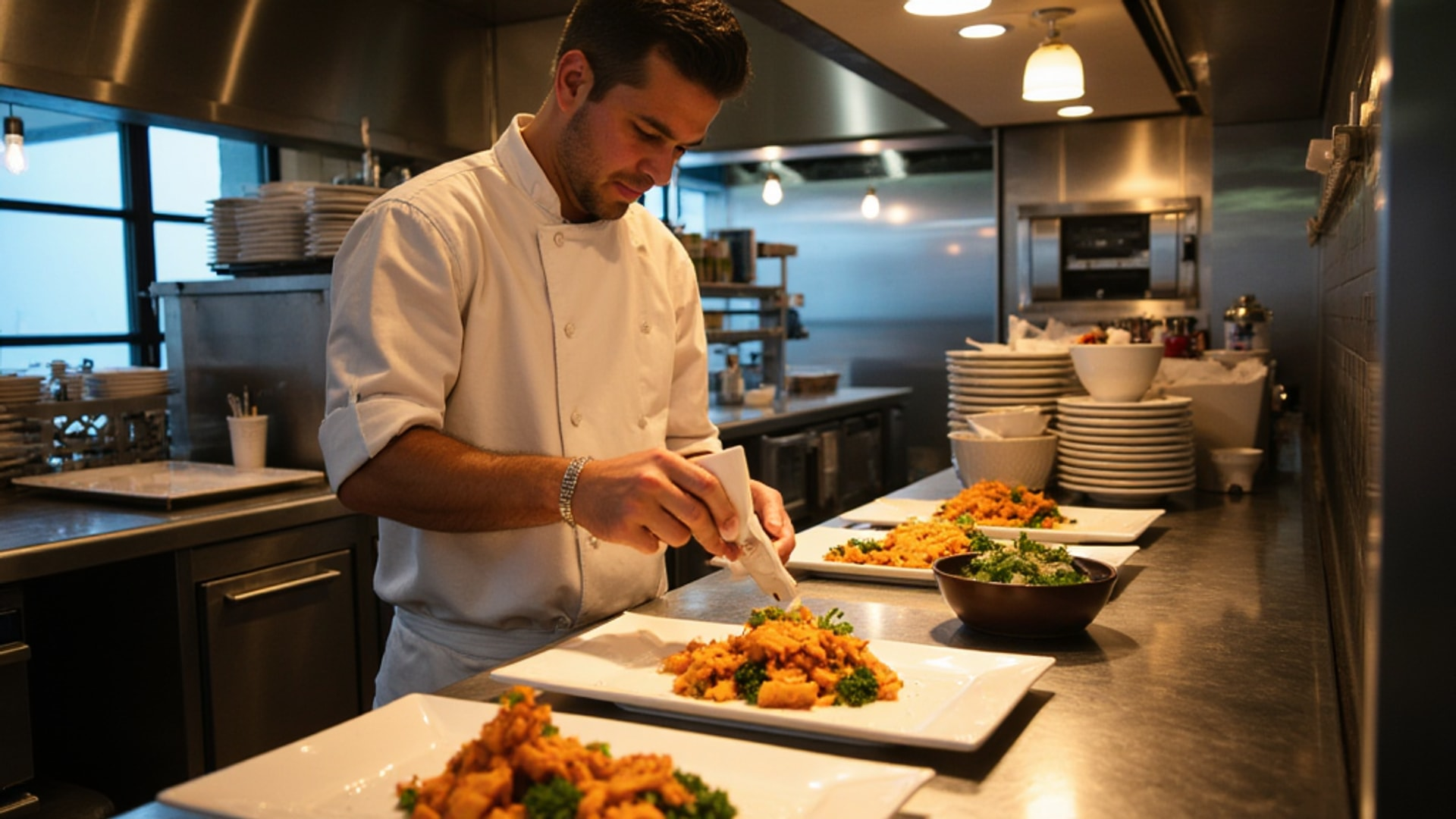
Your food already looks good in person. The question is whether it looks good in the photograph — because for the vast majority of potential customers, the photograph is the first contact they have with your menu.
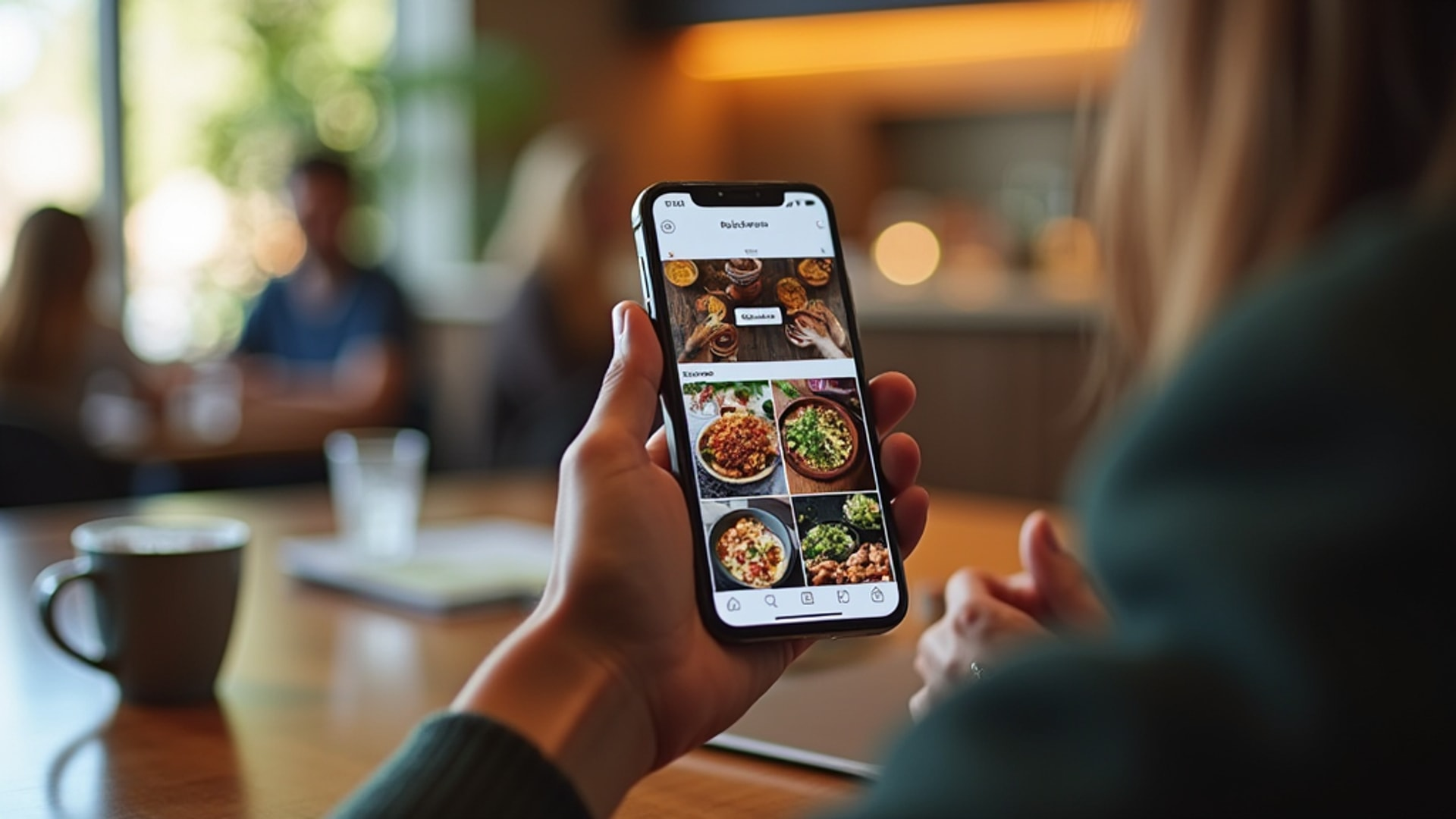
According to a 2025 Toast survey cited by FoodShot AI, 84 percent of diners want to see photos of food and drinks before choosing a restaurant. Sixty-five percent say food visuals heavily influence where they decide to eat. These numbers are not marginal — they mean that for two-thirds of your potential customers, the decision to visit has already been shaped by photography they saw online, on your menu, or on social media before they ever walked through your door.
Food photography is not decoration. It is a sales tool and a customer acquisition mechanism. Guests form their first impression of your food quality, concept identity, and price appropriateness through the photographs they see before they ever visit. Poor photography actively works against you.
Lighting: The One Factor That Determines Everything Else
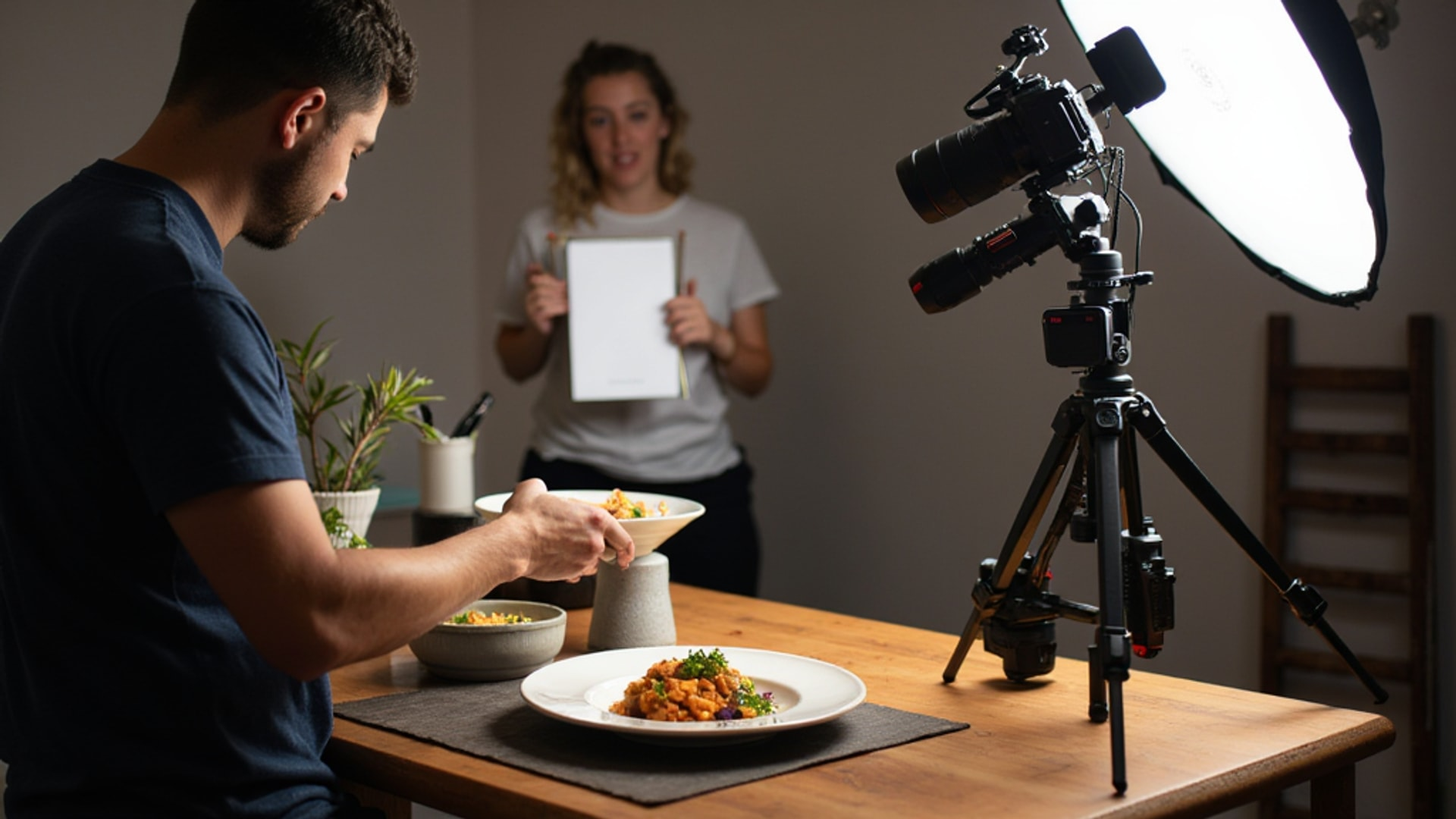
Of all the technical decisions in food photography, lighting has the greatest impact on outcome. Natural, indirect light (coming from the side or behind the dish rather than directly overhead) produces the most appetizing results. Soft light creates shadows that add depth without harsh contrasts. It allows textures to be visible, liquids to appear appealing, and colors to appear accurate.
According to FoodShot AI’s analysis, direct flash or overhead fluorescent lighting produces flat, unappealing images. These light sources eliminate the shadows that give food visual depth, can cause glare on glossy surfaces, and often produce color casts that make food look institutional rather than appetizing. The difference between a dish photographed under fluorescent overhead light and the same dish photographed in natural side light is often the difference between something that looks like cafeteria food and something that looks like a feature in a food magazine.
For restaurants without access to good natural light — basement dining rooms, interior kitchens, locations in climates where natural light is insufficient — diffused artificial lighting can replicate the effect. Softbox lights (available from photography suppliers like B&H Photo) positioned to one side and slightly behind the subject create the soft, directional light that makes food look its best. This is a modest equipment investment that has significant returns on image quality.
A practical approach for restaurant operators: schedule your photography sessions for mid-morning when natural light is optimal. Position dishes near windows with large panes rather than in the middle of the dining room. Use white foam core boards or reflectors to fill shadows on the dark side of the dish when direct sunlight creates contrast that is too harsh.
Composition: Three Techniques That Work Every Time
Composition determines how the viewer’s eye moves through the image and where it rests. Good composition creates visual interest and keeps attention on the food. Poor composition creates distraction or makes the image feel accidental rather than intentional.
FoodShot AI identifies three compositional frameworks for food photography:
Rule of thirds. Divide the frame into a 3x3 grid and place the main subject along the intersecting lines rather than dead center. A dish positioned at the upper-left or lower-right intersection creates a more dynamic image than one centered in the frame. The rule of thirds is used in virtually all professional photography disciplines because it produces images that feel balanced without feeling static.
Overhead flat-lay. Looking directly down at the dish from above. This angle works best for dishes with beautiful surface arrangements: grain bowls, pizzas, charcuterie boards, shared platters, composed salads. The flat-lay shows the full arrangement of a dish without the distortion that angles can introduce. It requires the dish to look good from directly above, which is a styling consideration worth addressing in prep.
45-degree angle. Shooting from roughly table height at a 45-degree angle suits dishes with height and layers: burgers, stacked pancakes, layered desserts, sandwiches. This angle captures the cross-section of stacked elements and the depth of build that flat-lay eliminates. It also places the dish in a context that feels natural, the angle from which you would actually look at a plate sitting in front of you.
The straight-on angle (directly horizontal) captures dramatic cross-sections: sliced cakes, towering burgers, layered drinks. It requires the dish to have something compelling at the center of the frame when seen head-on.
Match the angle to the dish. A burger shot from overhead loses its height narrative. A pizza shot from 45 degrees makes it harder to appreciate the full topping arrangement.
Styling: Making Food Look Like the Best Version of Itself
Food styling is the practice of making the actual dish look as appetizing as possible in photographs while remaining honest about what the customer will receive. These two objectives (maximum visual appeal and accurate representation) define the boundaries of acceptable food styling.
FoodShot AI identifies minimalist garnishes as a key styling principle. A single herb sprig, a scatter of finishing salt, a drizzle of olive oil, or a small garnish in a contrasting color adds visual interest without cluttering the frame. The food itself should be the subject. Styling that competes with the food for attention is counterproductive.
Background selection matters more than most operators realize. Neutral or solid color backgrounds (wood surfaces, simple linens, solid-colored plates and boards) keep focus on the food. A busy patterned tablecloth, a cluttered table surface, or a background that includes too many props divides attention and reduces the food’s visual prominence.
Color is a styling lever. A dish that is predominantly one color (a bowl of pasta, a creamy soup) benefits dramatically from a splash of contrasting color, as FoodShot AI notes. Fresh herbs, a drizzle of bright sauce, a garnish of red chili, or edible flowers can transform a monochromatic dish photograph from flat to visually striking. This is not deceptive styling; it is the same instinct that a cook applies when finishing a plate in the kitchen.
Honesty as a Styling Constraint
The styling principle that matters most for long-term customer trust is also the simplest: the photograph must represent what the customer will actually receive. Styling techniques that make portions appear larger, dishes appear more elaborate, or presentations appear more refined than the actual product creates a gap between expectation and reality that drives disappointment and negative reviews.
FoodShot AI explicitly notes that photos should represent actual portions and presentation to maintain customer trust. This is not just an ethical standard. It is a practical business one. A customer who orders based on a photograph and receives something noticeably less impressive will attribute the disappointment specifically to the difference between expectation and reality, and that attribution generates strong negative sentiment.
The standard for menu photography should be: make the dish look like the best version of what the customer will actually receive, prepared carefully, plated thoughtfully, photographed at its optimal moment. Not a fictional version that no actual plate will match.
→ Read more: Menu Design and Layout: The Visual Psychology That Drives What Guests Order
Consistency Across the Menu
A single outstanding food photograph can elevate a dish’s performance. A menu where half the photographs are professional quality and half are smartphone snapshots creates a mixed-quality perception that undermines the overall impression of the restaurant.
FoodShot AI emphasizes consistent photographic style across all images as essential to professional, cohesive presentation. This means matching lighting approach, background style, angle choices, and editing treatment across the full menu photography set. When the photography is consistent, even individual dishes benefit from the professional context — the photograph’s quality implies the food’s quality. Inconsistency does the opposite.
For operators refreshing their menu photography, the practical approach is to photograph all menu items in a single session (or a small number of sessions) using the same setup, same stylist, same editing treatment. Mixing photography from different eras with different visual approaches creates inconsistency that guests notice even when they cannot articulate why.
When to Invest in a Professional Photographer
The investment in a professional food photographer is justified when the menu is stable, meaning the items being photographed will be on the menu for at least a year. Commissioning a professional shoot for items that will be replaced in three months is a waste of money.
When the timing is right, a professional brings three things that are difficult to replicate without training: technical lighting knowledge, a stylist’s eye for making food look its best in two dimensions, and editing skills that ensure the final images hold up across the range of screen sizes and printing formats where they will be used.
A reasonable professional food photography session for a full menu of 20 to 30 items will typically require a full day of shooting and produce a set of images that can serve the restaurant across print menus, digital menus, website, and social media. The per-image cost, spread over the useful life of the images, is typically modest relative to the revenue influence they have.
AI Photography as a Supplement
The emergence of AI-generated food photography presents a cost-effective alternative for specific use cases, according to FoodShot AI. These tools can produce high-quality images from text descriptions or rough reference photos, though the results may lack the authenticity of photographs of actual dishes.
The technology works best for supplementing professional photography: adding images for new menu items between major photo shoots, creating variations for seasonal specials, or generating social media content that does not carry the same representation obligations as the printed menu. For the core printed menu, where accuracy of representation is most important, professional photography of actual dishes remains the superior standard.
The ROI of Better Photography
The return on food photography investment is not captured in a single metric, but its effects are measurable in aggregate. Restaurants that invest in professional photography report higher engagement on social media platforms (images receive more views, shares, and saves), more effective digital advertising (visual ads outperform text-only alternatives), and in some cases, shifts in ordering patterns toward the items with the strongest photographic representation.
An item that sells modestly with no photograph, supported by a strong photograph, can see meaningful ordering increases — the photograph converts guests who were uncertain into buyers. That is menu engineering through visual communication, directing guest decisions through visual cues rather than text-only descriptions.
For both physical and digital menus, consistent professional photography is one of the highest-return marketing investments a restaurant can make, precisely because its influence operates at every touchpoint where a potential guest encounters the menu, long before the first visit.
→ Read more: Menu Color and Typography: The Visual Science of Selling More Food → Read more: Menu Copywriting: Writing Descriptions That Sell → Read more: Digital Menu Psychology: How Screens Change What Guests Order