· Menu & Food · 10 min read
Digital Menu Psychology: Optimizing Online Ordering for Higher Revenue
How the psychology of digital and QR code menus differs from print — and the specific techniques that drive higher average order values in online environments.
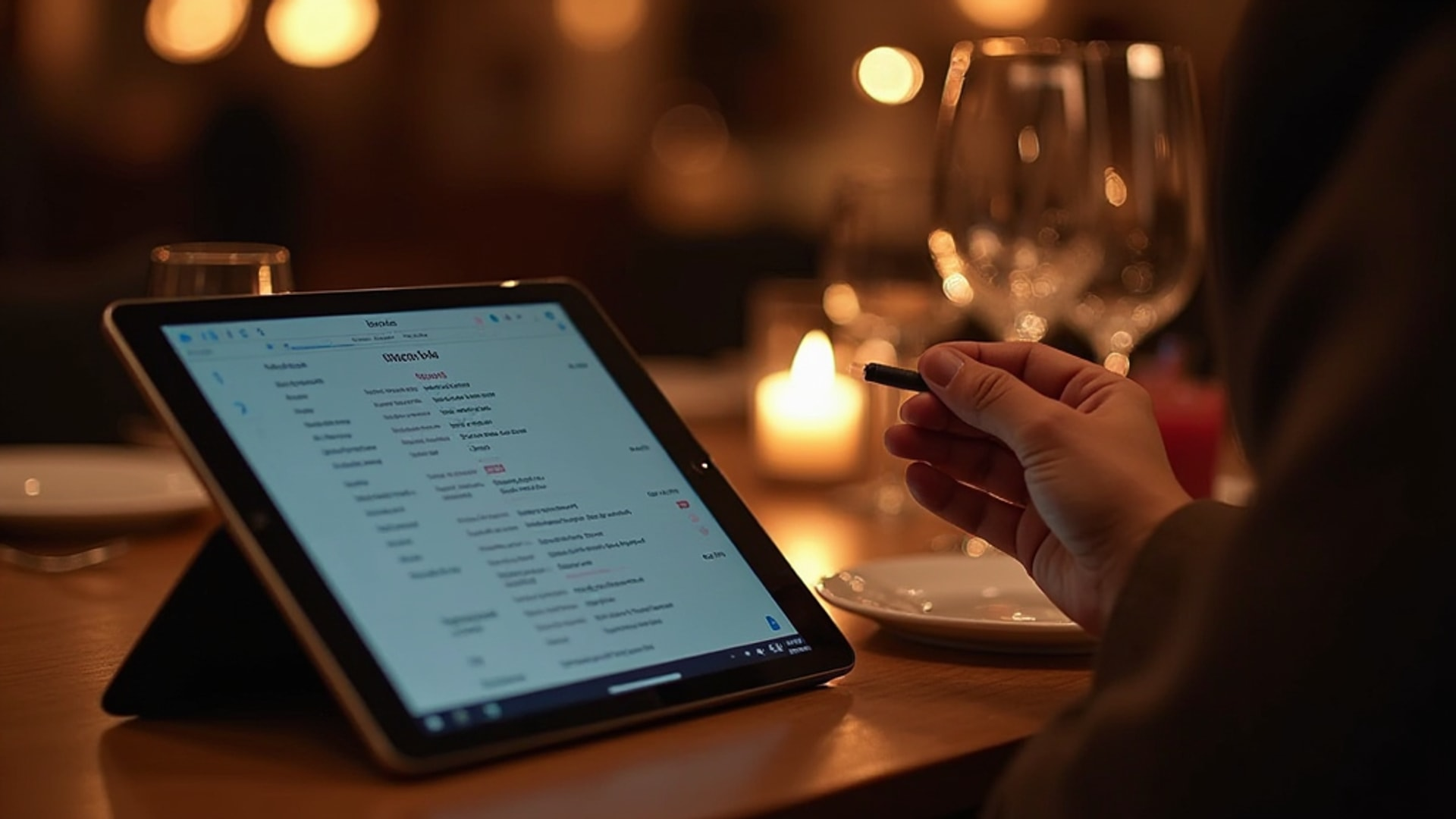
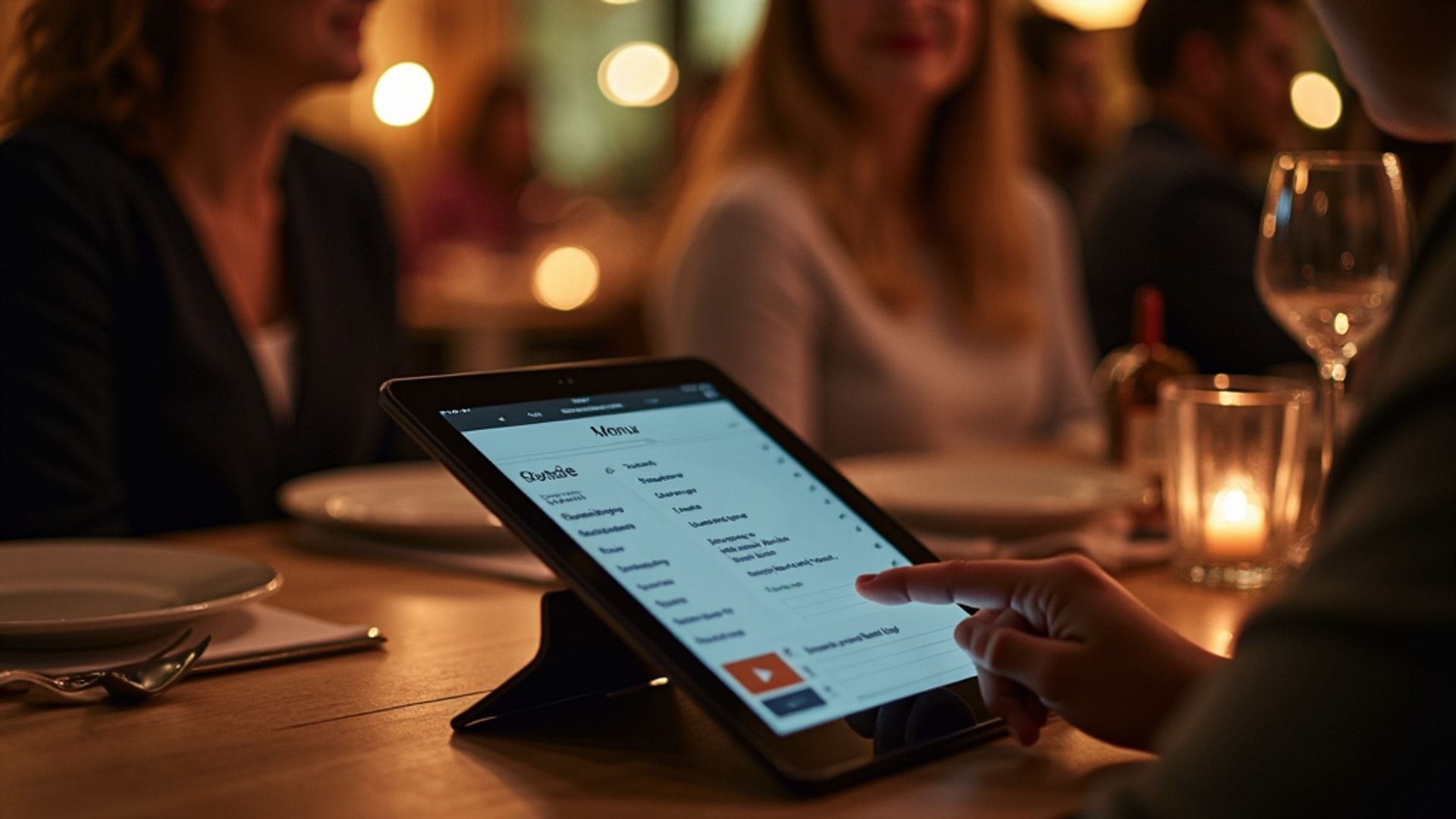
Digital menus — QR codes at the table, online ordering platforms, third-party delivery interfaces, and restaurant apps — now handle a significant share of total restaurant orders. Approximately 70% of US restaurants have adopted QR codes for menus or payments, according to Sunday App’s 2025 industry analysis. Yet most operators treat their digital menu as a simple digitized version of their printed menu, missing the fundamentally different psychology that governs how customers behave online.
Digital menu environments operate under different rules. The scrolling, tapping, and searching behaviors of a smartphone user are not the same as the scanning patterns of a diner holding a physical menu. Adapting to those differences is where the revenue opportunity lies.
Why Digital Menus Demand Different Design Thinking
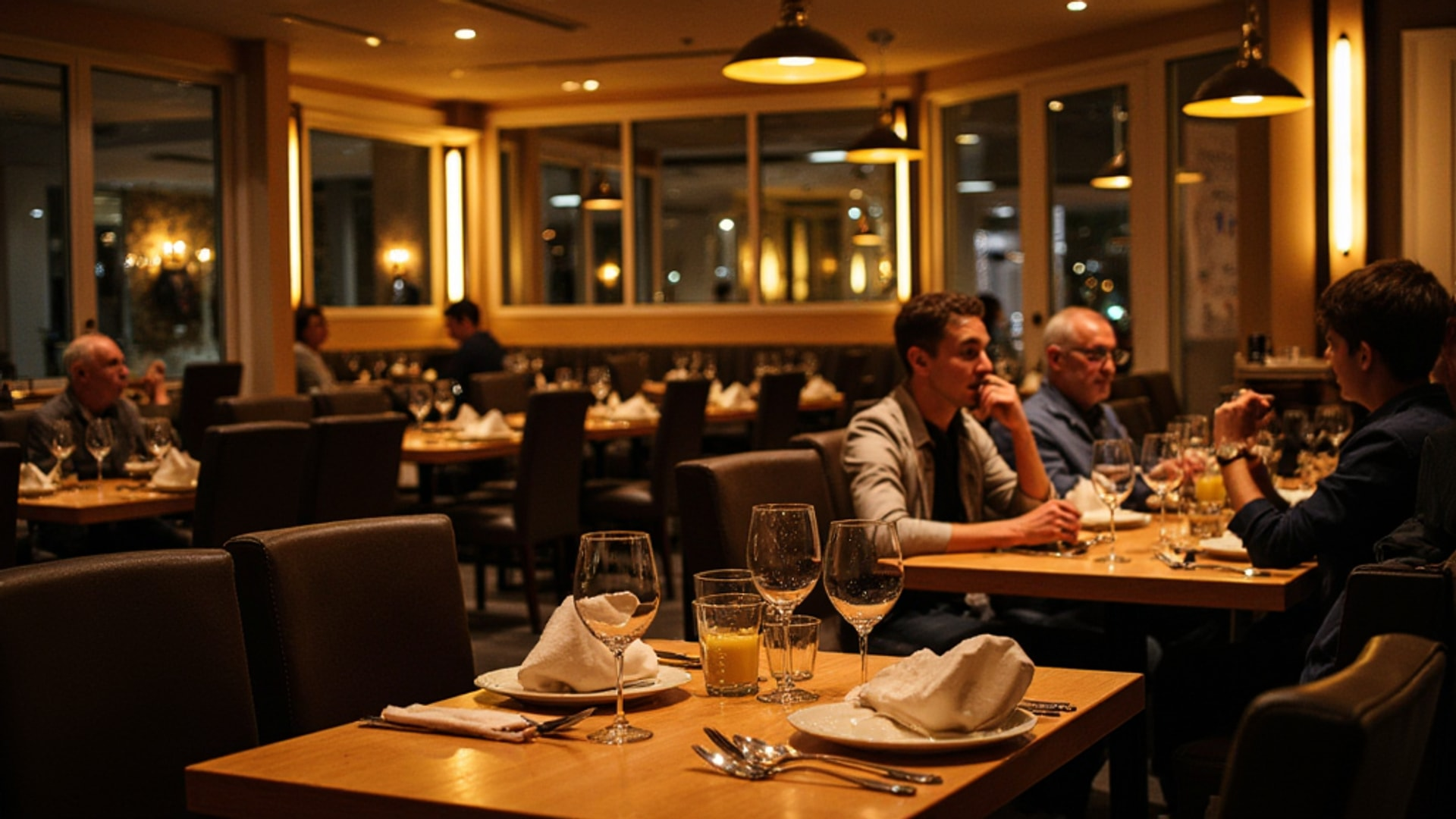
In a physical restaurant, the dining environment does constant persuasive work that the operator does not have to design. Aromas from the kitchen trigger appetite. Ambient lighting creates mood. Servers make recommendations based on real-time table reading. The visual presentation of food arriving at nearby tables influences what you want to order. These environmental cues compensate for whatever the printed menu fails to communicate clearly.
In a digital ordering environment — whether a customer is at the table using a QR code or at home ordering delivery — none of those cues exist. The digital menu is doing all the persuasive work alone. This is why ChowNow’s analysis of digital menu psychology is direct: “chaotic or difficult-to-navigate online menus cause customers to bounce or default to familiar items.” When the digital experience fails to guide the customer, they revert to what they already know rather than exploring — which typically means ordering the cheapest or most familiar item rather than the high-margin discovery you had hoped to drive.
Navigation Structure and Category Organization
The most fundamental digital menu design principle is navigation clarity. Online menus that require excessive scrolling, bury popular items in confusing category structures, or fail to use clear section labels consistently lose customers at the browsing stage.
Research on digital menu behavior shows that items at the top and bottom of category lists receive disproportionate attention — a digital analog to the Golden Triangle principle in physical menu design. This creates strategic placement opportunities: your highest-margin items within each category belong at the top of the list, not buried in the middle where scroll fatigue reduces attention.
The number of categories also matters. The same decision fatigue that affects physical menus (research from Qamarero establishes 5–7 options per category as the optimal range) applies to digital menus, but with an additional technical layer: the mobile interface itself creates friction when navigating between many categories. A digital menu with 12 categories requires more tapping to navigate than one with 6, increasing the probability that a customer gives up and selects from whatever they can see without navigating further.
Practical guidance: organize digital menus around behavioral occasions (appetizers, mains, sides, drinks, desserts) rather than kitchen organization. Make the most popular and highest-margin category the first thing the customer sees. Use search functionality prominently for menus with more than 30 items.
Photography as the Primary Selling Tool
High-quality photographs of menu items drive significantly higher conversion rates in digital environments than text-only listings. According to ChowNow’s research, “in a physical restaurant, the ambiance, aromas, and server recommendations compensate for the absence of food images. Online, the photograph is often the primary factor in a customer’s decision to add an item to their cart.”
This means every high-margin item should have a photograph. Not every item requires one — a simple house salad probably does not need a photo investment — but any dish that represents significant margin contribution or that you want to promote should have a compelling image. Images that fail — dark, poorly framed, or unappetizing — can actually reduce conversion relative to no image at all by creating a negative first impression.
The investment in professional food photography for digital menus has a clear return calculation. If a specific appetizer converts 20% of customers who see its photo versus 8% without a photo, and you serve 500 covers per week, the photography is adding 60 additional appetizer orders per week. At an $8 contribution margin, that is $480 per week, $24,960 per year from a single photograph.
QR code menus have an additional advantage in photography: the digital medium allows full-color, high-resolution images at no incremental cost per menu. A physical menu with full-color food photography on coated stock is expensive to print; a digital menu can show as many photos as needed without print cost implications.
A/B Testing: The Competitive Advantage Physical Menus Cannot Match
The most powerful differentiator between digital and physical menus is the ability to test. According to ChowNow’s digital menu psychology research, “operators can test different descriptions, photographs, item ordering, and pricing presentations across customer segments and measure the impact on ordering behavior in real time.”
In practice, this means running controlled experiments where half of digital orders see one version of a menu item description and half see another. The item with the higher add-to-cart rate wins, and that version becomes permanent. This experimental capability is structurally unavailable with printed menus — you cannot run two versions of a printed menu simultaneously at the same tables without creating confusion.
The variables worth testing on a digital menu include:
- Descriptions: Does sensory language (“slow-braised short rib, melting tender, with roasted root vegetables”) outperform ingredient lists (“braised short rib, carrots, potatoes”)? The Qamarero research on menu optimization found that descriptive language increases sales of individual items by 27%, with sensory adjectives being particularly effective.
- Item naming: Sometimes a dish sells better with a different name that better communicates its appeal.
- Category order: Does leading with appetizers or starting with signatures produce different add-on behavior?
- Photography placement: Does a photo alongside a menu description convert differently than a photo that opens on tap?
Most digital ordering platforms support some form of this testing, though the sophistication varies. Even basic A/B testing on descriptions alone, across two or three high-margin items, can surface meaningful insights within a few weeks of ordering data.
→ Read more: Menu Design and Layout: The Visual Psychology That Drives What Guests Order
Cross-Selling Prompts and Upsell Architecture
Digital menus create the opportunity for systematic, frictionless upselling through embedded cross-sell prompts. ChowNow describes this as “the digital equivalent of server upselling.” When a customer adds a main course, a suggestion appears: “Add a side for $4?” or “Guests who ordered this also ordered [high-margin item].”
The key to effective digital cross-selling is timing and relevance. ChowNow’s research is specific: “suggesting a complementary item after the main course is selected is more effective than presenting every possible add-on at once.” Presenting an overwhelming array of suggestions at a single decision point creates cognitive load that reduces conversion. A single, well-timed, relevant suggestion converts significantly better.
The items you feature in cross-sell prompts should be your highest-margin additions: beverages (which typically run much higher margins than food), desserts, sides that use low-cost ingredients, and any item that naturally complements the main course being ordered. A customer ordering a burger should see a prompt for fries and a drink, not for a second entree.
According to Sunday App’s QR code ordering analysis, digital ordering systems that include cross-sell prompts can also increase tip percentages through smartphone-based gratuity prompts that appear at checkout. This is an underappreciated revenue element — the social pressure that drives tipping in face-to-face interactions can be partially replicated in the digital checkout flow.
Real-Time Menu Availability
One of the operational advantages of digital menus is the ability to remove sold-out items in real time, preventing customer disappointment from ordering items that cannot be fulfilled. Sunday App’s analysis notes this as a significant experience improvement: nothing frustrates a customer more than completing an order process for an item, and then receiving a notification or server visit explaining that item is unavailable.
Many digital menu platforms connect to POS inventory tracking to automate availability updates. When the kitchen logs that a particular item is 86’d, the digital menu automatically grays it out or removes it from active ordering. This is not just an experience improvement — it reduces the operational friction of managing disappointed customers, reorders, and partial refunds.
Personalization and Behavioral Data
Personalized recommendations powered by order history represent an emerging differentiator in digital menu environments. ChowNow describes platforms that “remember a customer’s preferences, highlight items similar to past orders, and surface seasonal or new items aligned with their taste profile” as creating “a curated experience that drives both satisfaction and spending.”
The underlying data collection capability is also strategically valuable independent of personalization. Digital ordering systems capture behavioral data on which items customers viewed but did not order, scroll depth, time spent on specific menu sections, and cart abandonment rates. This data — which is entirely invisible in physical dining — informs menu engineering decisions with a level of granularity that POS sales data alone cannot provide.
An item that appears in 30% of sessions but converts to an order in only 8% of those sessions is a Puzzle from a menu engineering perspective: there is customer interest but something is preventing the order. That something might be the price, the description, the absence of a photo, or positioning too far down the page. Digital behavioral data can help distinguish between these causes in ways that sales volume alone cannot.
QR Code Menus at the Table: Special Considerations
The QR code dining environment adds physical context that pure delivery platforms lack. The customer is already at the restaurant, already committed to eating. The goal of the digital menu in this context is not acquisition — it is experience enhancement, upsell conversion, and order accuracy.
Sunday App’s research found that 78% of respondents prefer QR code menus over traditional paper menus, and nearly 40% cite speed and convenience as their top reasons. This preference is real — but it co-exists with guests who feel the digital interface creates a less personal experience.
The practical resolution is not to choose between digital and human. Use the digital menu for browsing and order transmission; use human servers for recommendation, hospitality, and problem resolution. The labor time freed from transactional order-taking is redirected toward the activities that create genuine loyalty. A Denver bistro cited in the Sunday App analysis saw a 20% increase in daily transactions after QR implementation — with the improved throughput attributed primarily to faster ordering, not reduced service quality.
The menu design principles for at-table QR menus mirror those for delivery: clear category organization, strategic placement of high-margin items, photos for the items you want to sell most, and cross-sell prompts at the right moments. The difference is the context: a diner at the table has access to their actual dining environment to inform choices, whereas a delivery customer has only the screen.
Investing in digital menu optimization — photos, descriptions, cross-sell architecture, and regular testing — produces measurable revenue improvements at a cost that is fundamentally lower than any physical menu redesign. The operational leverage is unusually strong. That is reason enough to treat it as a serious strategic priority.
→ Read more: Menu Photography and Food Styling: Visual Standards That Sell → Read more: Menu Engineering: A Data-Driven System to Boost Restaurant Profits by 10-15%