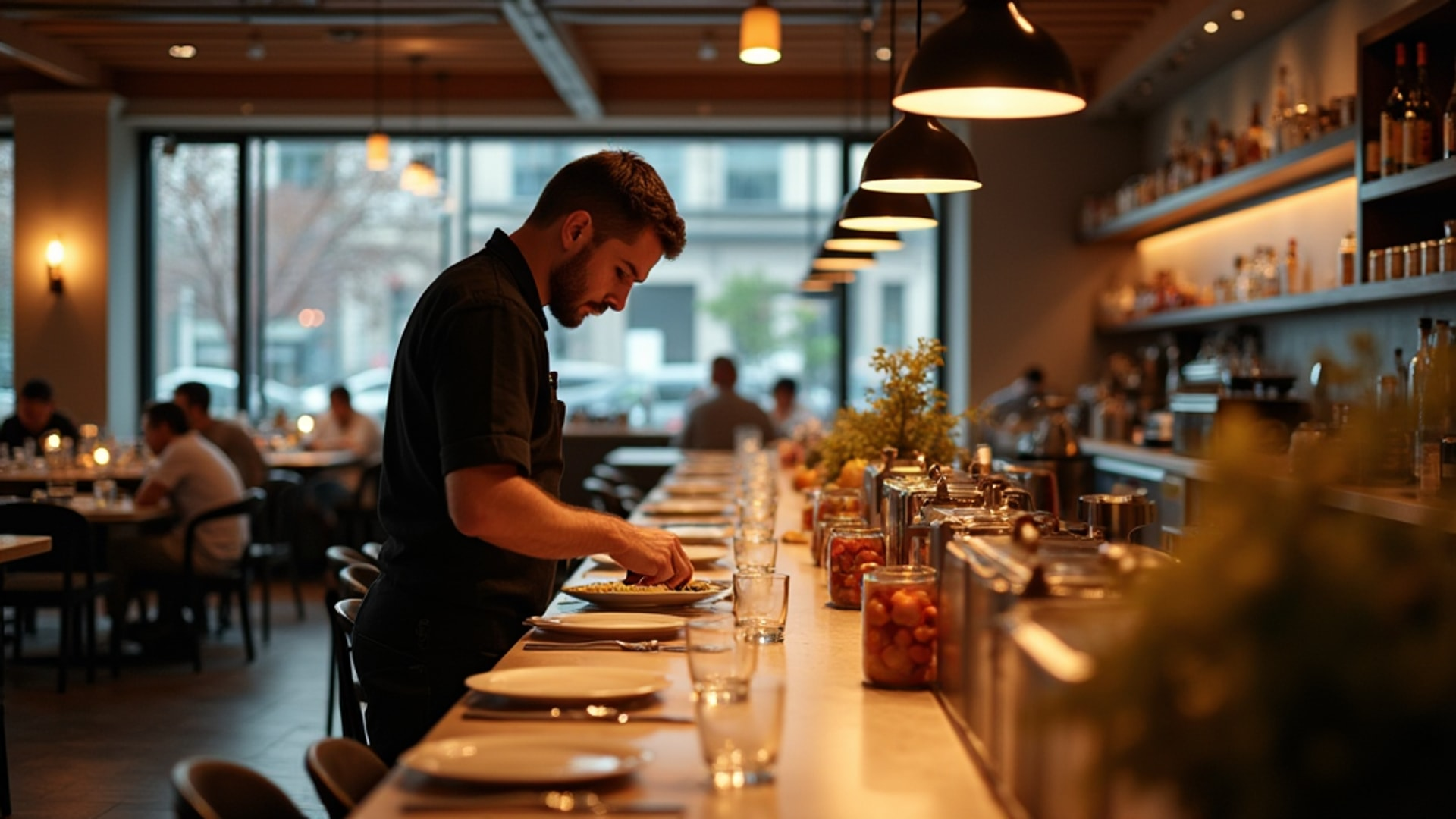
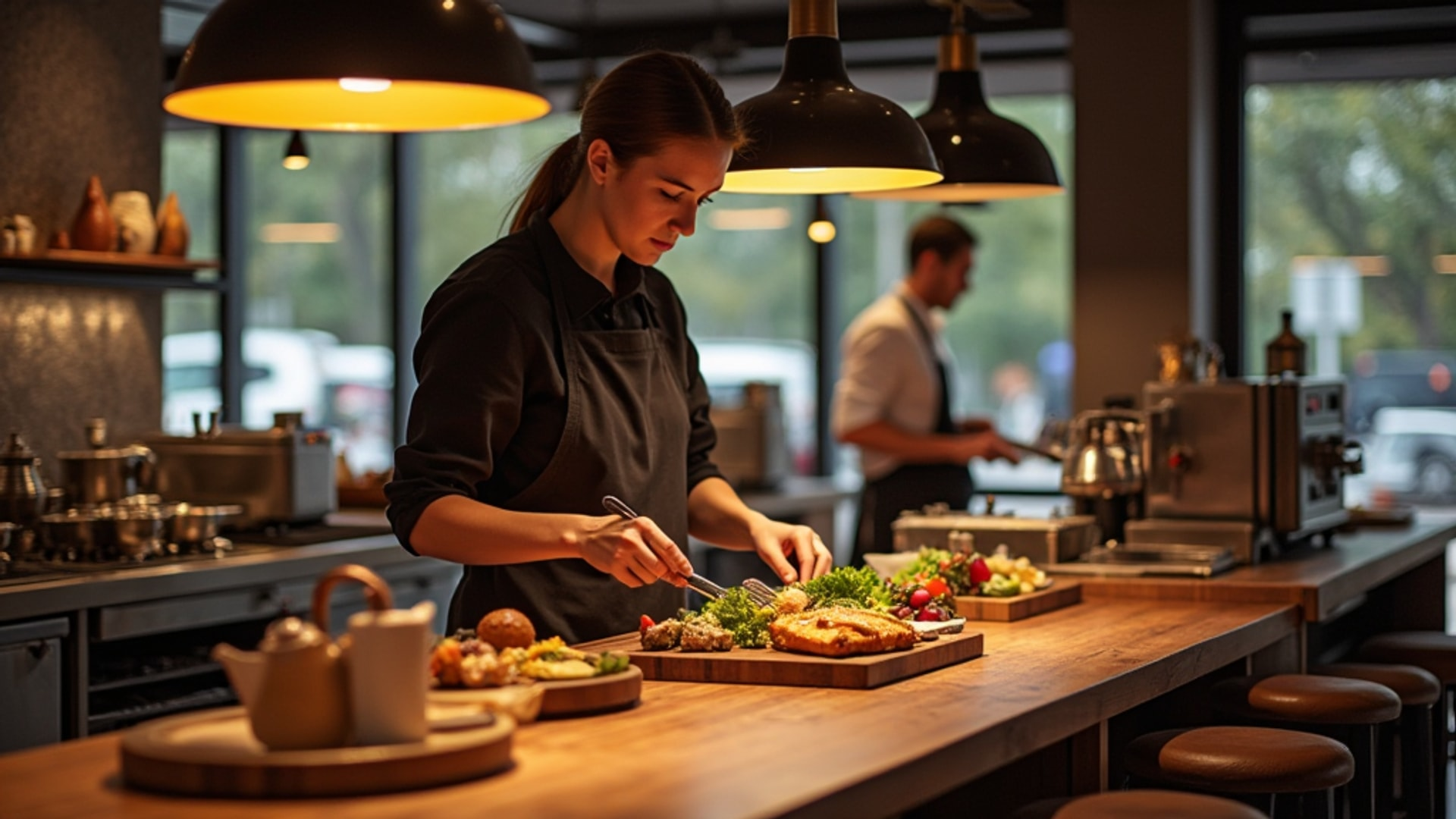
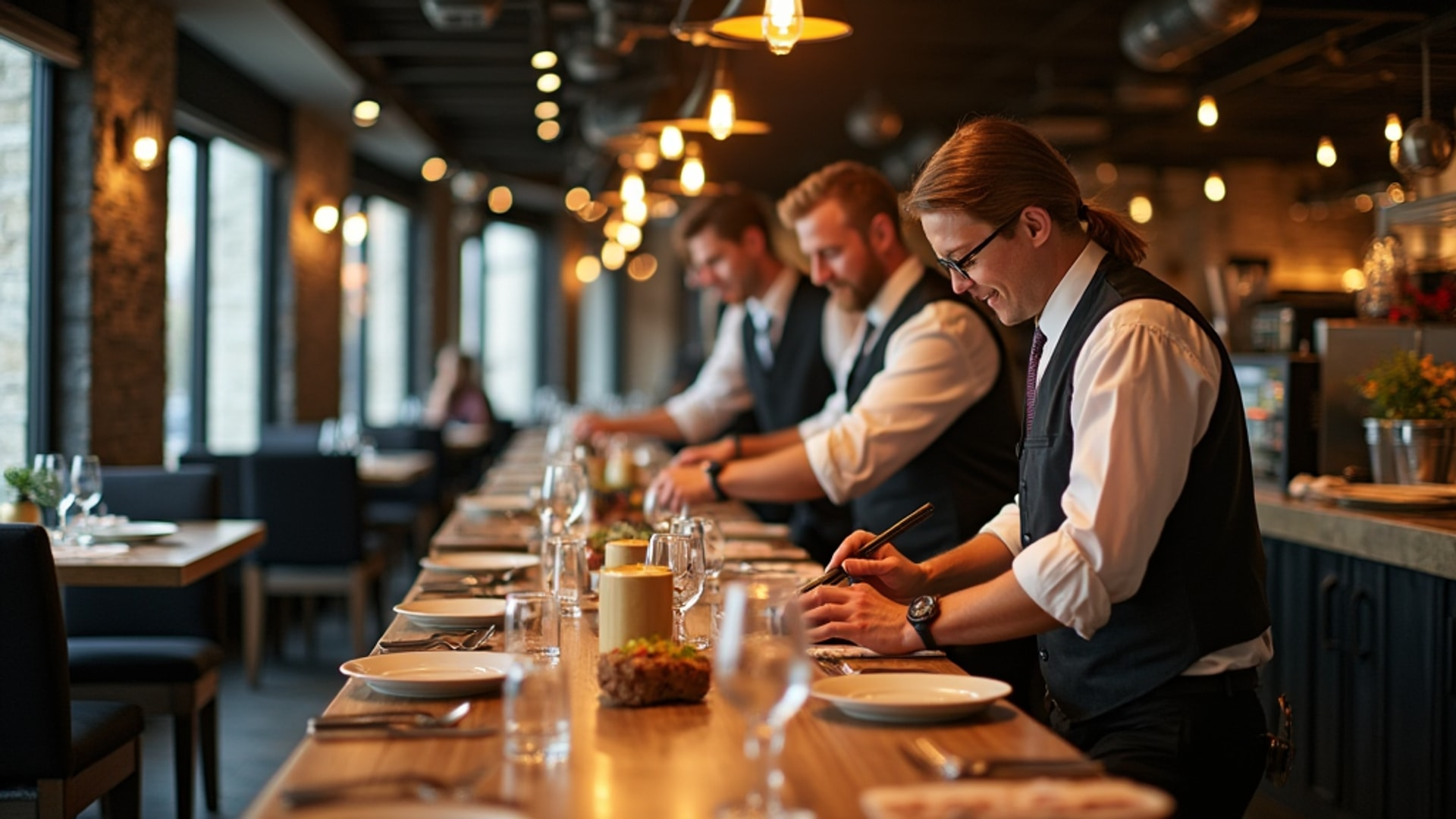
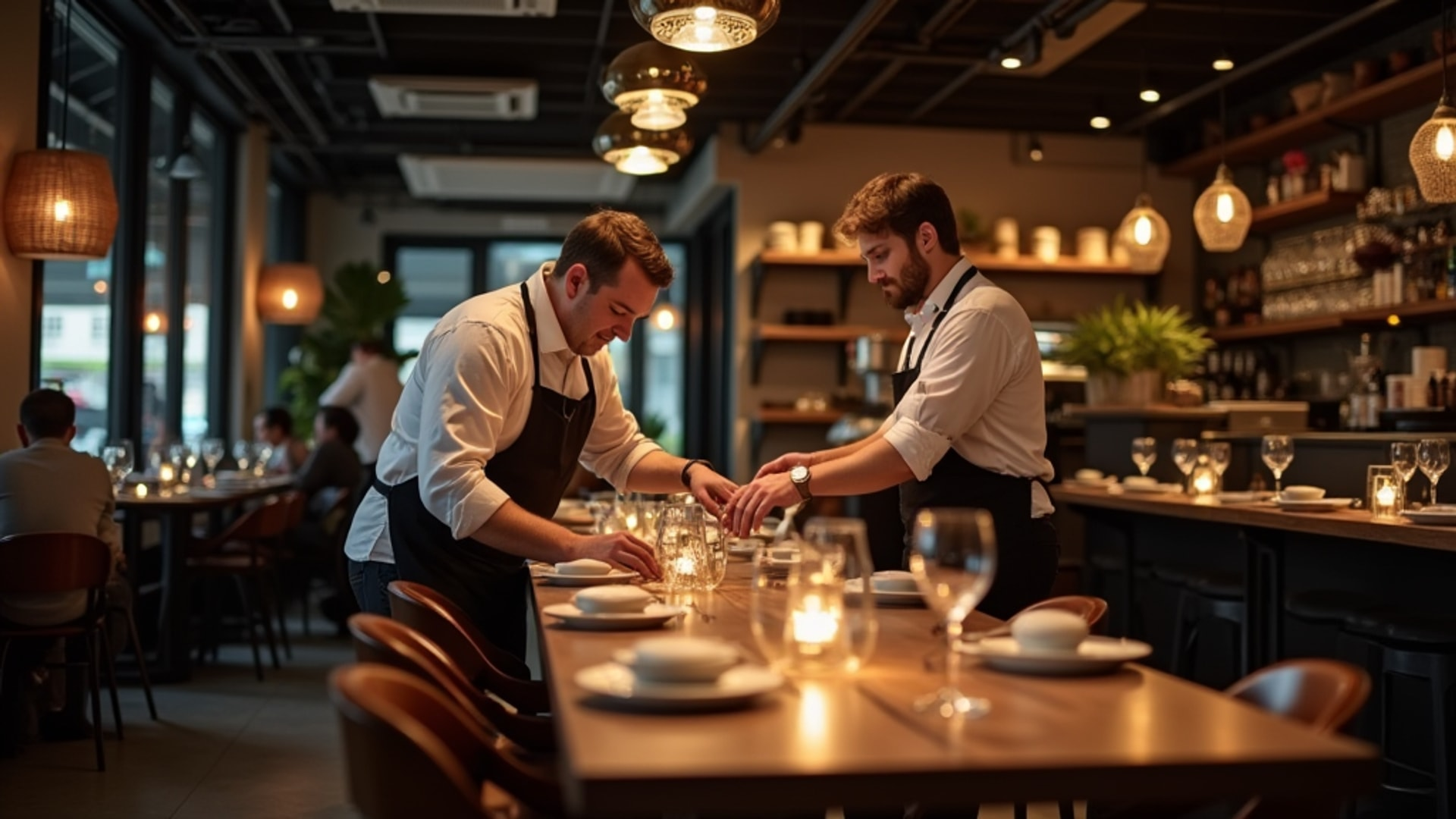
Running a restaurant is an exercise in controlled chaos. Every day, dozens of perishable ingredients must arrive on time, a team must coordinate under pressure, and hundreds of individual customer interactions must go right. The restaurants that make it look effortless are the ones with strong operational systems behind the scenes.
Daily Operations Workflow
A restaurant’s day follows a predictable rhythm, and your systems should mirror it. Every shift needs a clear beginning, middle, and end with defined responsibilities at each stage.
Before the doors open, a manager or shift lead walks through a standardized opening checklist: equipment checks, a visual inspection of the dining area, and a review of the day’s reservations, events, and any 86’d items from the previous shift.
During service, the focus shifts to flow management. The host controls seating pace to avoid overwhelming the kitchen. Expeditors ensure plates leave the pass at the right time and temperature. Managers float between front and back of house, addressing problems before they reach the guest.
Closing is where many restaurants cut corners, and it costs them. A thorough closing checklist covers proper food storage and labeling, equipment shutdown, cash reconciliation, and confirmation of the next day’s prep list. Sloppy closings compound into food safety violations, inventory loss, and morning chaos.
Opening and Closing Procedures
Formalize your procedures into written checklists that every team member can follow. Never rely on one person who “just knows” how things work. When that person calls in sick, your operation breaks down.
An effective opening checklist includes fifteen to twenty-five items organized by area: kitchen, bar, dining room, exterior, and administrative. Each item should be initialed by the person who completed it, and a manager verifies the finished checklist before service starts.
Closing checklists mirror this structure but add financial reconciliation: cash counts, credit card batch closings, voided transaction review, and daily sales reporting. The key is consistency. A checklist only works if it is used every single day without exception.
Inventory Management
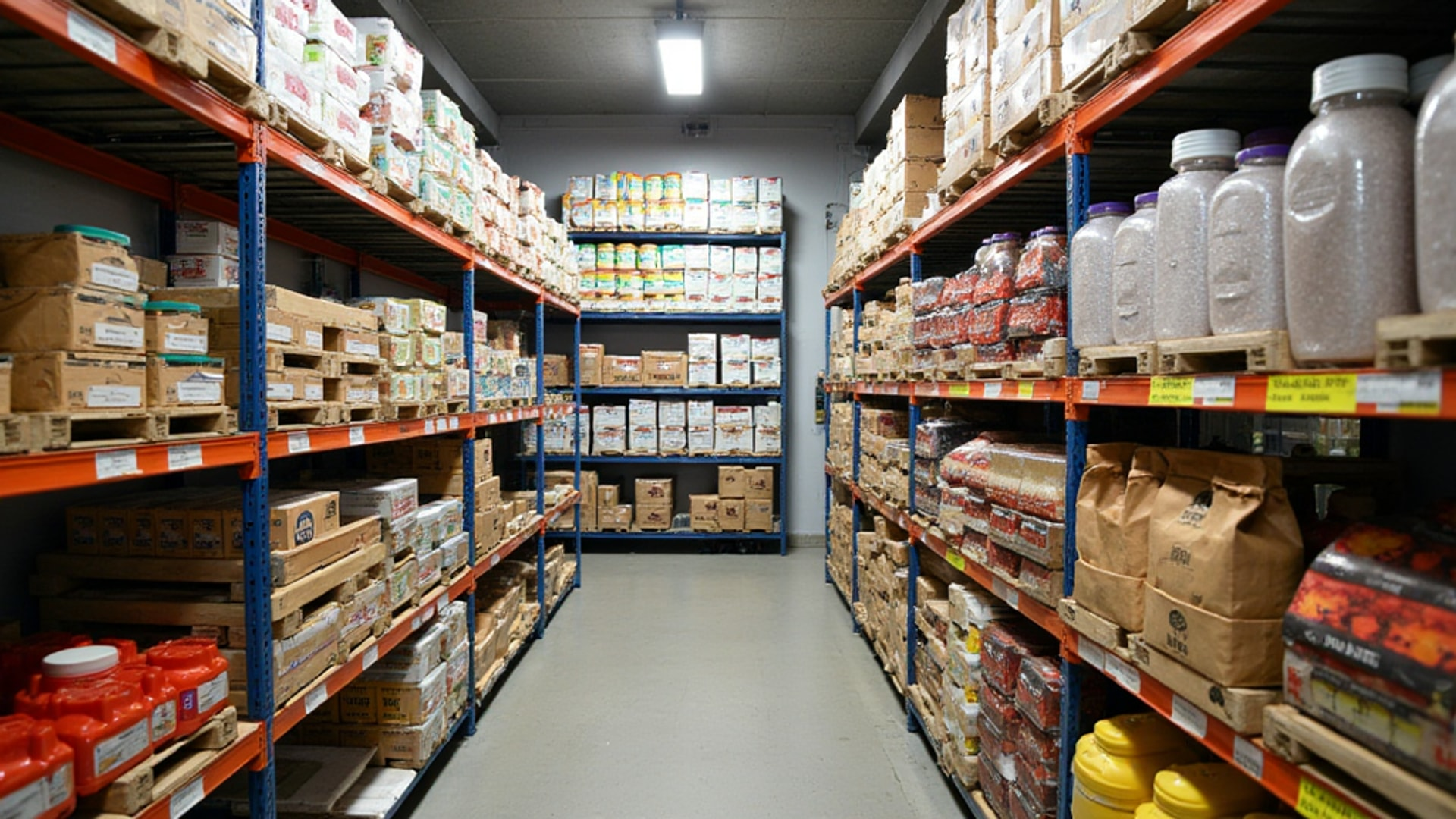
Inventory is where restaurants make or lose money. Food cost should run between 28 and 35 percent of revenue, but without tight systems, it creeps upward through waste, theft, over-portioning, and poor ordering decisions.
Start by establishing par levels for every item you stock, based on actual usage data rather than gut feeling. Use the FIFO method (first in, first out) without exception. Conduct a full physical inventory count at least weekly, and compare actual counts against theoretical usage to identify variances.
Dive deeper: Restaurant Inventory Management: Reduce Waste and Control Costs
Technology and Systems
At minimum, a modern restaurant needs a reliable point-of-sale system, an inventory management tool, a scheduling platform, and a reservation or waitlist system.
Your POS is the operational nerve center. It should track every transaction, integrate with your inventory and accounting systems, and generate actionable reports. When choosing a POS, prioritize reliability and integration capability over flashy features.
Inventory management software connects POS sales data to stock levels, automating the tracking that used to require clipboards. The best systems flag items approaching reorder points, track waste by category, and generate purchase orders based on consumption patterns.
Scheduling software reduces the time managers spend building schedules from hours to minutes. The labor cost savings from better scheduling typically pay for the software within the first month.
Related: Understanding Restaurant Financial Statements for how operational data feeds into your financial reporting.
Customer Service Standards
Operational excellence is invisible to the customer. What they see is the service experience, and it must be consistent regardless of who is working.
Define your service standards in writing. Specify greeting times (every guest acknowledged within 30 seconds), check-back timing (two minutes after entrees arrive), and problem resolution protocols. These standards should be specific enough that a new hire can follow them on day one.
Train continuously. Build short touchpoints into pre-shift meetings. Role-play difficult scenarios. Use mystery shoppers or structured observation to measure adherence. And implement guest feedback systems, whether comment cards, post-visit surveys, or online review monitoring, so you hear what customers actually experience.
Health and Safety Compliance
Health and safety is non-negotiable. A single foodborne illness incident can destroy years of reputation, and violations carry fines, closures, and legal liability.
Build food safety into daily operations. Temperature logs should be checked twice per shift. Handwashing stations must be stocked and accessible. Cross-contamination prevention should be a reflex, not a reminder. Train every employee in food safety fundamentals during their first week, and ensure at least one certified manager is on every shift.
Safety extends beyond food: wet floor protocols, proper lifting technique, knife handling, fire suppression knowledge, and emergency evacuation plans all fall under operations. Document everything and conduct regular audits.
Building an Operations Manual
Every system described above should live in a written operations manual. This document becomes your restaurant’s institutional memory, independent of any single person. It should cover every procedure, standard, and policy in enough detail that a competent manager could step in and run your restaurant cold.
Start with the areas that cause the most problems. Add to it continuously. Review it quarterly. Make it accessible in both a printed binder on-site and a digital version on any device.
Where to Go from Here
Operations connect to every other area of restaurant management. Strong kitchen systems directly support operational consistency — read more in our kitchen management guide. Your staff execute these systems every day, so explore our staffing and team management resources. And reliable suppliers are the foundation of consistent inventory, covered in our supplier management guide.
The restaurants that thrive long-term are not the ones with the most creative menus. They are the ones where the fundamentals work, every day, every shift, without fail.