· Operations · 8 min read
Restaurant SOPs: How to Build Standard Operating Procedures That Actually Get Followed
SOPs are not optional paperwork — they are legal requirements under FDA regulations and the foundation of consistent, profitable operations. Here's how to create, implement, and maintain them.
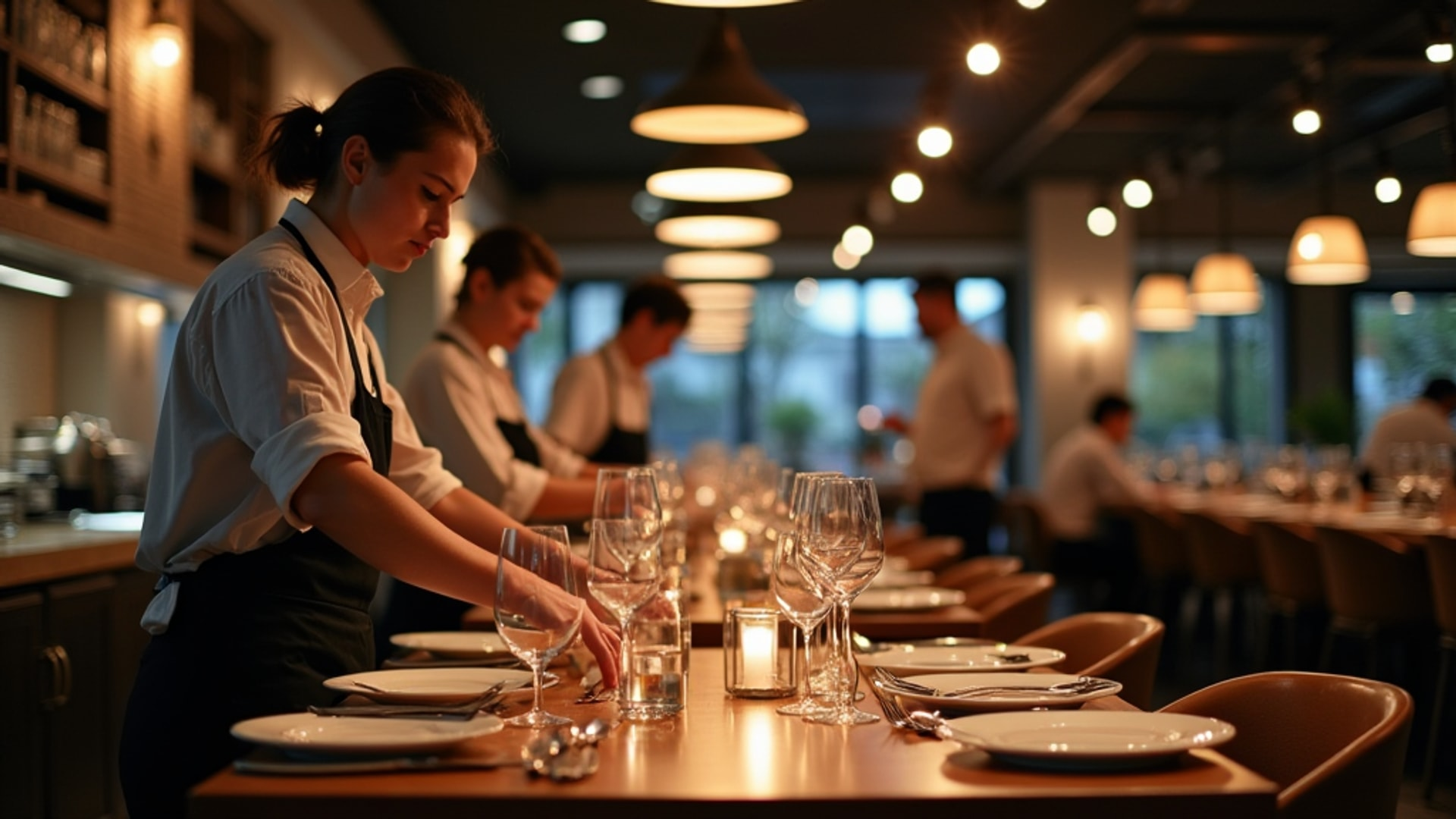
Every restaurant owner knows the feeling: you spend a day off, come back, and everything is slightly wrong. The prep is off, the tables are set differently, the closing was sloppy. The problem is not your staff. The problem is that the right way to do things lives in your head instead of in a document anyone can follow.
According to MaintainX, restaurants are legally required under FDA regulations to maintain documented procedures for safe food handling, follow HACCP principles, adhere to local health department food safety laws, and regularly review procedures with employees. SOPs are not optional best practices — they are the law. But beyond compliance, they are also the single most effective tool for protecting your margins.
According to OpsAnalitica, clients report labor cost reductions of 3-4% simply from holding teams accountable to daily SOPs. And businesses can lose up to 30% of profits annually due to inefficient processes. SOPs are how you stop that bleeding.
Quality Control vs. Quality Assurance: Know the Difference
Before writing a single procedure, you need to understand how quality management actually works. According to GoAudits, there is a fundamental distinction between two approaches:
Quality Control (QC) is reactive. You inspect food and service after production to identify and correct defects. This is catching a cold entree before it leaves the pass, or noticing a dirty table during a walkthrough.
Quality Assurance (QA) is proactive. You prevent quality issues before they occur through standardized processes. This is having a documented plating procedure that ensures every entree is at the right temperature, or a closing checklist that means tables are always clean when you open.
According to GoAudits, the most effective programs combine both. But investing primarily in QA — through standardized processes and training — reduces the need for expensive QC corrections. Prevention is always cheaper than repair.
The Eight SOP Categories
According to MaintainX, every restaurant needs documented procedures across eight categories. You do not need to build all of these on day one, but you need to build toward all of them.
1. Facility and Equipment Maintenance
Covers laundry, sanitation schedules, thermometer calibration, ice machine cleaning, pest control, dishwashing procedures, and equipment care. This is the infrastructure that keeps your kitchen safe and functional.
2. Health and Safety
Handwashing procedures, personal hygiene standards, utensil and glove use protocols, and emergency procedures. These are non-negotiable — a health code violation here can shut you down.
3. Compliance and Legal
Inspection preparation guides, documentation protocols, and reporting requirements. When the health inspector walks in, your team should know exactly what to do and where every document is.
4. Food Flow
Detailed instructions for preparation, holding temperatures, storage procedures, and waste management. According to MaintainX, this category tracks food from receiving through service and disposal — every step where contamination or quality loss can occur.
5. Menu Production
Alignment with your restaurant concept, food presentation standards, and service specifications. This is where you define what every dish looks like, how it is plated, and what the standard portion is. Without this documentation, every cook interprets your menu differently.
6. Training and Development
Onboarding processes for new hires and ongoing performance evaluation. Document how you train, not just what you train on. When your best trainer leaves, the knowledge should stay.
7. Service and Communication
Customer service standards, order-taking procedures, seating protocols, and complaint response guidelines. This defines the front-of-house experience from the guest’s perspective.
8. Inventory and Stock Management
Monitoring protocols, storage requirements, ordering procedures, and vendor communication guidelines. This category directly impacts your food cost percentage — the gap between what you buy and what you sell.
How to Write SOPs That People Actually Follow
Most SOP manuals fail not because the content is wrong but because nobody reads them. According to MaintainX, effective SOPs require a specific approach to creation and implementation.
Start With Your Team
Before documenting SOPs, consult the workers involved in specific processes. According to MaintainX, this ensures realistic procedures and incorporates employee feedback about challenges. The line cook knows things about prep workflow that you do not. The server knows where service breaks down. Use their knowledge.
An SOP written entirely by management and handed down from above will be resented and ignored. An SOP created collaboratively will be followed because the team helped build it.
Write in Plain Language
According to MaintainX, use straightforward language and avoid unfamiliar terminology. Keep paragraphs concise. Focus on customer perception — what the guest sees, tastes, and experiences.
Bad: “Ensure thermal equilibrium of protein items reaches 165 degrees Fahrenheit as measured by a calibrated bi-metallic stemmed thermometer prior to service plating.”
Better: “Check chicken temperature with the probe thermometer. It must read 165F or higher before plating. Log the temperature on the sheet.”
Make It Visual
Include photos of correct plating, proper setup, and completed tasks. A picture of a correctly set table communicates more than a paragraph of description. According to MaintainX, digital platforms allow photo attachments for clarity — use them.
Keep It Accessible
An SOP binder locked in the manager’s office is useless. According to MaintainX, SOPs should be digitally managed for real-time access. Laminated cards at each station, a shared tablet in the kitchen, or a mobile app that staff can check during their shift — the format matters less than the access.
The Four Priority SOPs to Build First
If you are starting from scratch, GoAudits recommends four categories for immediate implementation:
1. Food Safety and Preparation
Cooking temperatures for every protein. Storage procedures including temperature zones and labeling requirements. Handling protocols for raw and ready-to-eat items. Cross-contamination prevention. These protect your customers and your license.
2. Staff Management and Training Standards
Onboarding procedures for new hires. Uniform and hygiene requirements. Station assignments and responsibilities. Performance evaluation criteria.
3. Customer Service Protocols
Greeting standards and timing. Order-taking procedures. Complaint resolution steps. Payment and checkout procedures. These define the guest experience from arrival to departure.
4. Health and Hygiene
Sanitation schedules for all areas. Illness reporting policies. Handwashing requirements and frequency. Cleaning chemical protocols.
Technology-Driven Quality Control
According to Restaurant Business Online, four technology strategies significantly improve quality control:
Kitchen Automation
Modern kitchen equipment with programmable settings ensures consistent cooking results. Automated labeling solutions accurately track prepared food items. According to Restaurant Business Online, 40% of consumers say they are likely to try menu items made by robots — indicating growing acceptance of kitchen automation.
Temperature Monitoring
Bluetooth sensors wirelessly record temperature data, eliminating paper HACCP logs. According to Restaurant Business Online, refrigeration monitoring systems alert staff when temperatures rise above safe levels, and real-time alerts reduce food waste from equipment failure.
Front-to-Back Communication
According to Restaurant Business Online, mobile POS systems eliminate paper tickets and enable instant kitchen updates. These systems reduce order mistakes, minimize confusion when orders change, and strengthen collaboration between front-of-house and back-of-house.
According to Restaurant Business Online, 74% of consumers prioritize speed and accuracy in restaurant service. Communication technology directly addresses both.
Digital Training Tools
According to Restaurant Business Online, digital training tools accelerate staff development by distributing materials and recipes instantly across locations, providing video content on food safety and POS systems, and enabling independent learning that staff can revisit as needed.
The Financial Case for SOPs
The numbers make the argument better than any theory:
| Metric | Impact | Source |
|---|---|---|
| Labor cost reduction from SOP accountability | 3-4% | OpsAnalitica |
| Profit loss from inefficient processes | Up to 30% annually | Lightspeed/OpsAnalitica |
| Consumer priority on speed and accuracy | 74% | Restaurant Business Online |
| Restaurant owners expecting tougher competition | 47% | GoAudits |
On a restaurant doing $1.5 million in annual revenue with 30% labor costs ($450,000), a 3% labor cost reduction saves $13,500 per year. On a restaurant with $150,000 in annual profit, preventing even a portion of the 30% process inefficiency loss protects tens of thousands.
Digital vs. Paper SOPs
The shift from paper to digital is increasingly essential. Digital SOP platforms provide:
- Easier staff access on mobile devices during shifts
- Instant updates propagating across all locations
- Audit trails showing who completed what and when
- Automated reminders preventing tasks from being skipped
- Analytics identifying frequently missed procedures
Paper checklists still work for single-unit operators who are on-site daily. But if you are managing multiple shifts, multiple managers, or multiple locations, digital systems pay for themselves through accountability and consistency.
Maintaining Your SOPs
The biggest mistake restaurants make with SOPs is treating them as a one-time documentation exercise. According to the archive sources, SOPs are living documents that require regular review and updating.
Quarterly Review
Every three months, review each SOP category:
- Has the menu changed? Update food flow and menu production SOPs.
- Have regulations changed? Update compliance and safety SOPs.
- Are there recurring quality issues? The SOP for that area needs revision.
- Has new equipment been installed? Update facility and equipment SOPs.
Staff Feedback Loop
Create a simple mechanism for staff to flag SOPs that are unclear, outdated, or impractical. The people following the procedures daily will identify problems faster than management reviewing them quarterly.
New Hire Calibration
Use the onboarding process as an SOP stress test. If a new hire struggles to follow a procedure, the procedure needs rewriting — not the hire.
The Bottom Line
SOPs transform your restaurant from a business that depends on specific people to a business that depends on specific systems. When your best line cook calls in sick, the SOP ensures their replacement can execute every dish to standard. When a new server starts, the SOP gets them to competence faster. When the health inspector arrives, your documentation is current and complete.
According to MaintainX, the most effective SOPs are created collaboratively with frontline staff, written in plain language, and managed digitally for real-time access. They are not bureaucratic overhead. They are the operating system of your restaurant — and investing in them pays returns in consistency, compliance, and profitability every single day.
→ Read more: Restaurant Quality Control: Consistency From Kitchen to Table → Read more: Health Inspection Preparation: How to Pass Every Time → Read more: Daily Restaurant Operations: The Workflow That Keeps Everything Running → Read more: Employee Training in Restaurant Operations: From Onboarding to Mastery