· Marketing · 6 min read
Video Marketing for Restaurants: YouTube, Reels, and Short-Form That Drives Reservations
How to build a restaurant video marketing system using YouTube, Instagram Reels, and short-form content that grows your audience and fills seats.

According to The Rail Media, YouTube has 2.7 billion users as of 2025, and food and beverage content on the platform averages approximately 323,200 views per post. Short-form vertical video is the highest-growth format in that ecosystem. If you are not producing video content for your restaurant, you are invisible to an entire generation of diners who discover restaurants primarily through video.
This is not about building a YouTube channel with thousands of subscribers. It is about using video strategically — in formats and quantities that make sense for a working restaurant — to drive discovery, build trust, and convert browsers into guests.
Why Video Outperforms Every Other Format
The human brain processes video 60,000 times faster than text. For restaurants, where appetite is the core emotional trigger, video’s ability to show steam rising from a bowl of ramen or a chef’s knife moving through a perfectly rested piece of beef is irreplaceable.
According to The Rail Media, the key performance data for restaurant video:
| Format | Completion Rate | Best Platform | Ideal Length |
|---|---|---|---|
| Short-form vertical | 62% | TikTok / Reels / Shorts | Under 60 seconds |
| Long-form YouTube | Varies by topic | YouTube | 3-10 minutes |
| YouTube Shorts | High | YouTube | Under 60 seconds |
| Instagram Reels | High | 15-30 seconds |
Videos under one minute achieve 62% completion rates — a strong signal that tells algorithms the content is engaging, triggering broader distribution.
The Two-Track Video Strategy
Run two parallel content tracks. They serve different purposes and require different production investments.
Track 1: Short-Form Discovery Content (Daily Driver)
Short-form vertical videos on YouTube Shorts, Instagram Reels, and TikTok are how new customers find you. According to The Rail Media, short clips showcasing seasonal menu items, behind-the-scenes kitchen preparation, chef interviews, special event highlights, and customer testimonials can reach audiences far beyond your existing follower base.
What to film:
- A dish being plated from start to finish (30-45 seconds)
- The walk-in cooler organized with fresh seasonal ingredients
- A bartender making a signature cocktail
- The bread basket being loaded fresh from the oven
- A regular customer’s reaction to their favorite dish
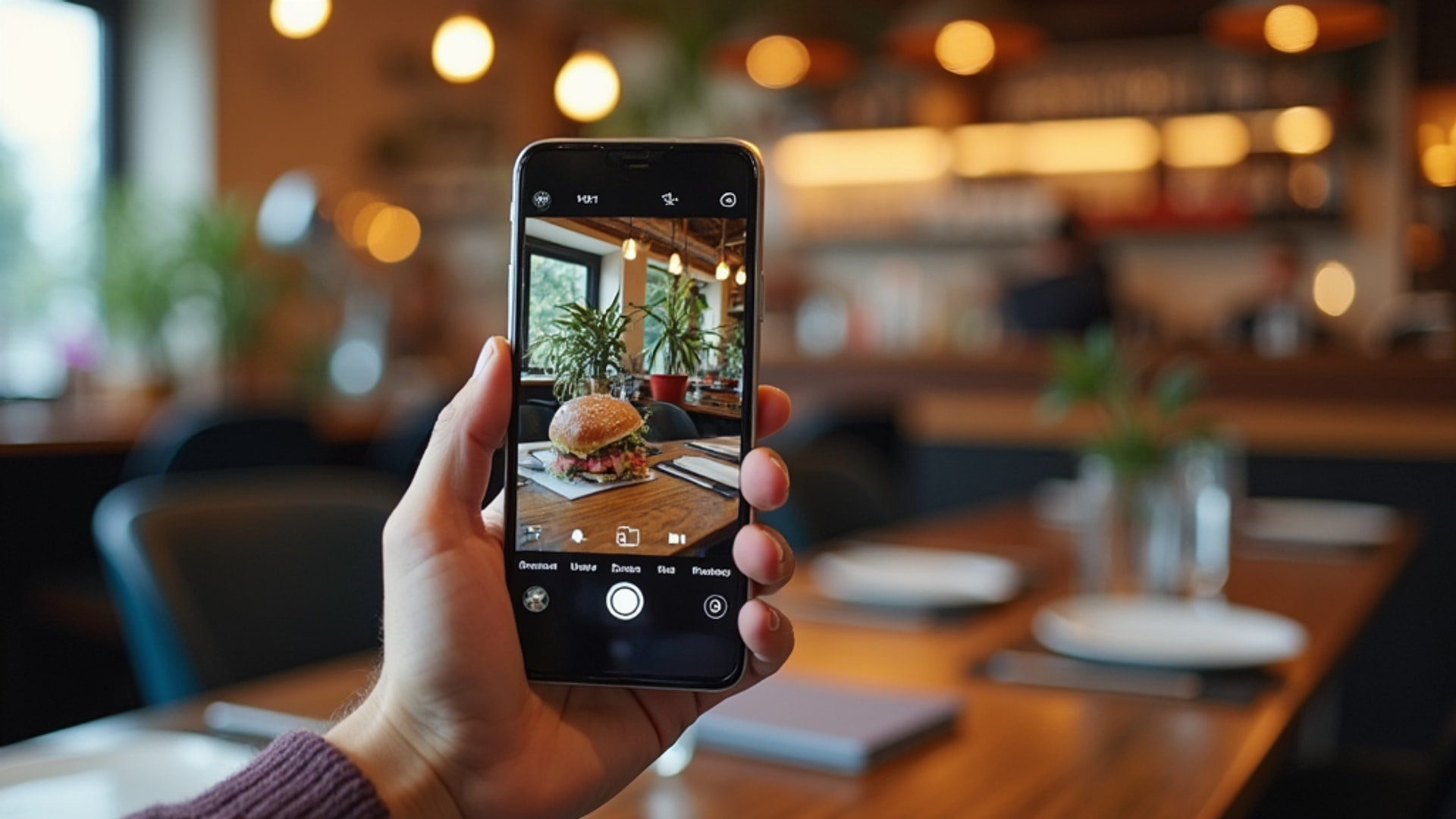
Production requirements: A modern smartphone in good light, with basic editing in apps like CapCut or InShot. Vertical format (9:16 aspect ratio). Native audio from the kitchen environment — the sizzle, the chop, the clink. No script required.
Post 3-5 times per week. Publish across all three short-form platforms simultaneously (TikTok, Instagram Reels, YouTube Shorts) to maximize reach with zero additional effort.
Track 2: Long-Form YouTube Content (Trust Builder)
Long-form YouTube videos serve a different purpose: they convert curious viewers into loyal customers by letting them get to know the restaurant deeply. A 5-minute video about your sourcing philosophy, a chef interview about the inspiration behind the menu, or a behind-the-scenes look at how you prepare for service builds the kind of trust that drives reservation decisions.
According to The Rail Media, a consistent publishing cadence of weekly long-form videos builds depth and subscriber loyalty. This does not mean every week — for most independent restaurants, monthly long-form is achievable and sufficient.
Long-form content ideas that perform well:
- “How we make [signature dish]” — full process, 5-8 minutes
- Chef interview: “Why I opened this restaurant”
- Seasonal menu preview: “What’s new this spring”
- Supplier visit: “Where our beef comes from”
- Service in action: A 10-minute look at a busy Saturday dinner service
The First 5-10 Seconds: Your Make-or-Break Window
The Rail Media is emphatic on this point: the first 5-10 seconds are decisive for viewer retention. The opening must deliver an immediate reward or create irresistible curiosity.
Hooks that work for restaurants:
- Start mid-action: the cheese pull happening, not the cheese being applied
- Open with an unexpected visual: the 50-ingredient mise en place for one dish
- Lead with a number: “This dish takes 72 hours to make”
- Use the “problem-solution” frame: “Most pasta is boring. Ours isn’t.”
- Show the finished plate first, then pull back to show the process
What kills viewer retention in the first 5 seconds:
- A logo animation
- “Welcome back to the channel”
- A pan across a static dining room
- Any text-only title card
YouTube Optimization: Getting Found in Search
YouTube is the world’s second-largest search engine. According to The Rail Media, restaurants should optimize video titles, descriptions, and tags with relevant keywords including location-specific terms.
Title formula that works:
[Action/Dish] at [Restaurant Name] — [City] [Cuisine Type]
Examples:
- “Hand-made Tagliatelle at Rosario’s — Chicago Italian Restaurant”
- “Sunday Brunch Special at Oak & Embers — Austin TX”
- “How We Make Our Nashville Hot Chicken — Memphis Restaurant”
Description best practices:
- First 2-3 sentences should be keyword-rich and descriptive (these appear in search results)
- Include your address, hours, and reservation link
- Add chapter markers for videos over 5 minutes
- List related videos to keep viewers in your content ecosystem
Tag strategy:
- Specific tags: dish names, restaurant name, neighborhood
- Broader tags: cuisine type, city name, dining occasion (“date night Dallas”, “brunch Austin”)
- Trending tags: current food trends relevant to your menu
Content Calendar: One Month of Video
A realistic monthly production plan for a single-location restaurant:
| Week | Short-Form (3x) | Long-Form (1x) |
|---|---|---|
| Week 1 | New dish reveal, kitchen prep, staff spotlight | ”Behind the scenes: Saturday service” |
| Week 2 | Seasonal ingredient sourcing, signature dish process, customer moment | ”Chef interview: The dish that changed everything” |
| Week 3 | Cocktail process, daily specials board, food delivery from supplier | ”How we make [signature dish] from scratch” |
| Week 4 | End-of-month recap, private event setup, reservation walkthrough | ”Spring menu preview: Everything new this season” |
Repurposing: One Video, Multiple Platforms
According to The Rail Media, quick vertical videos are favored by algorithms and reach new customers fast. The smart approach is to create once and distribute everywhere:
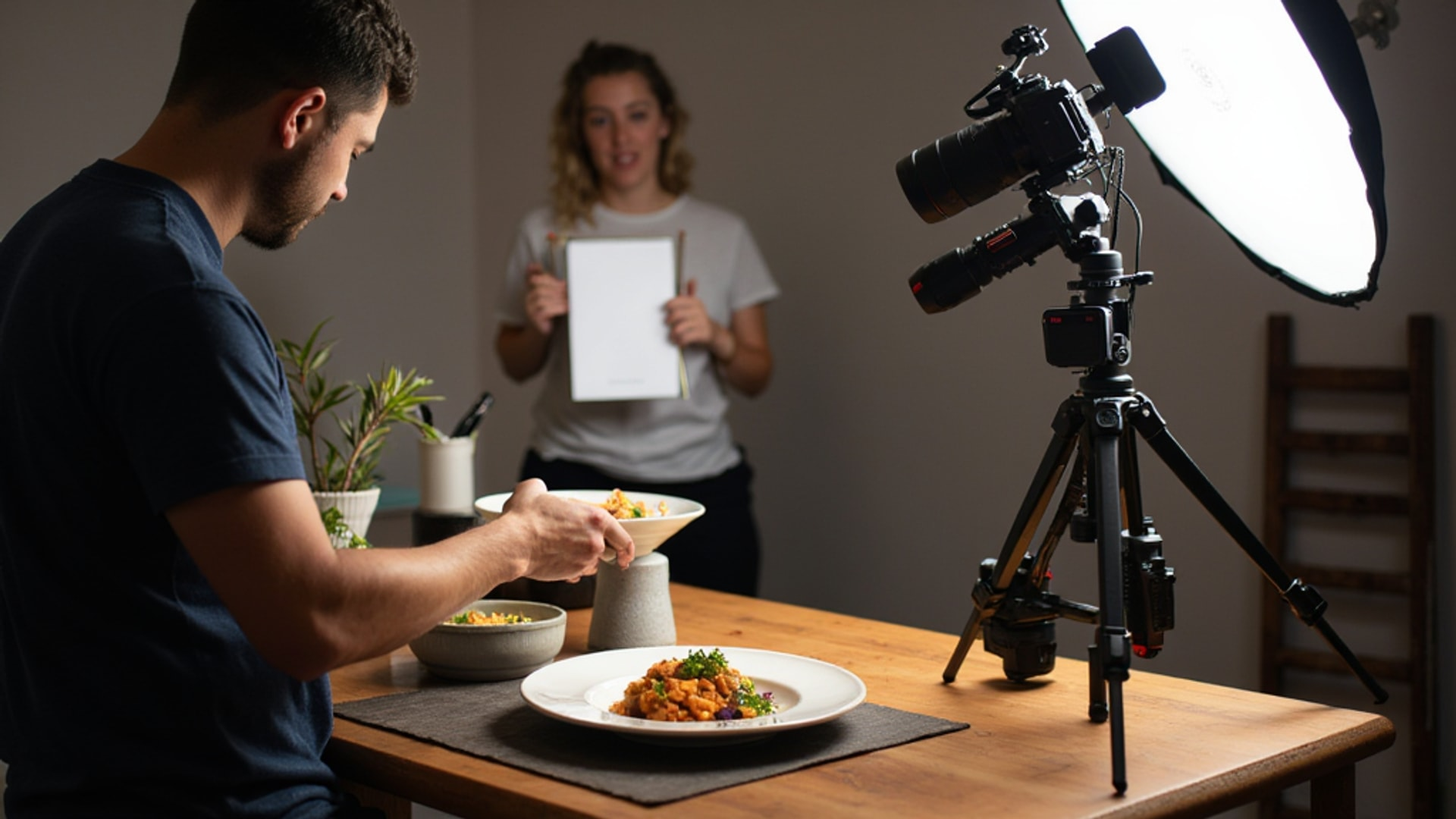
- Film a 2-minute dish preparation video (landscape format)
- Edit down to 60 seconds with vertical crop for Reels/Shorts/TikTok
- Use the full 2-minute version on YouTube
- Extract 3 still frames for Instagram photo posts
- Use the audio-stripped version for a website landing page background
One filming session produces content for five different channels and formats.
Measuring Video Marketing Performance
Track these metrics monthly to understand what is working:
| Metric | What It Tells You |
|---|---|
| Video completion rate | Content quality and hook effectiveness |
| Click-through to website | Direct conversion from content |
| Subscriber/follower growth | Audience-building momentum |
| Traffic source in Google Analytics | Whether YouTube/Reels drives website visits |
| Reservation page visits after video post | Direct business impact |
Set a monthly benchmark for each metric after your first 90 days of consistent posting. Growth of 10-15% per month is a healthy trajectory for a restaurant channel in its first year.
The Biggest Mistake Restaurants Make with Video
According to The Rail Media, audiences in 2025 connect with real, unfiltered content rather than perfectly scripted videos. The biggest mistake is waiting until you can afford “proper” production. A $10,000 branded video ad will almost always be outperformed by an honest 30-second clip filmed on a phone showing your chef tasting a sauce and adjusting the seasoning.
Your kitchen is cinematic. Your food is the subject matter. The story is happening every single service. All you need to do is point a camera at it and share what you see.
Start this week. Film something real. Post it. Watch what happens.
→ Read more: TikTok Strategy for Restaurants: How to Turn 15 Seconds into a Full House → Read more: Food Photography and Visual Marketing: A Practical Guide for Restaurant Operators → Read more: Restaurant Social Media Content: Building a Calendar That Actually Gets Posted