· Marketing · 7 min read
User-Generated Content: How to Turn Every Diner into Your Best Marketer
A systematic approach to generating, collecting, and amplifying customer photos, reviews, and social content that drives more trust and more covers than paid ads.
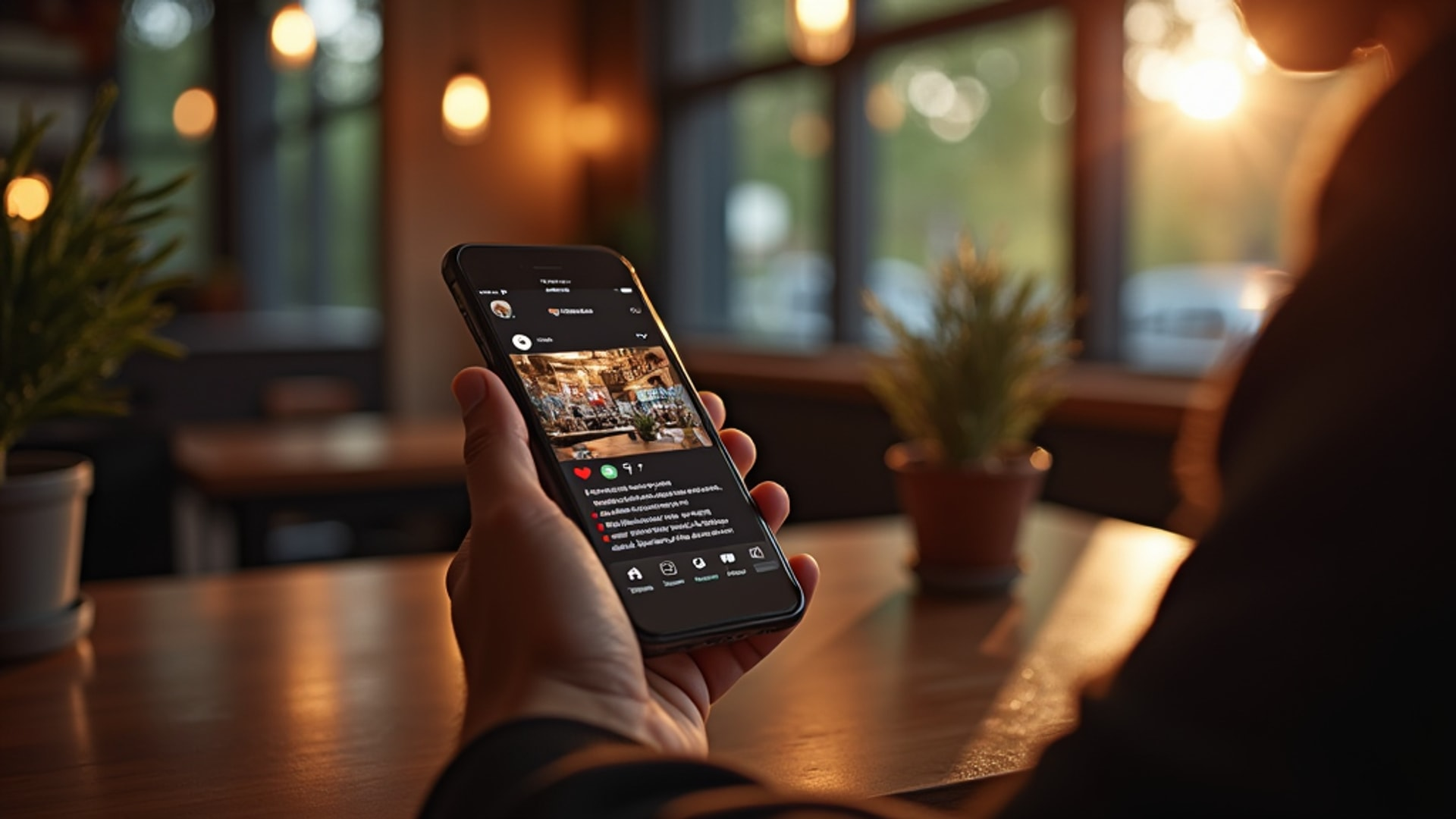
According to Restaurant Engine, ads featuring user-generated content (UGC) generate four times more clicks than branded ads. UGC on social media earns 28% higher engagement. And 79% of consumers say user-generated content highly impacts their purchasing decisions.
Think about what that means for your marketing budget. Content your customers create for free, based on genuine positive experiences, outperforms content you pay to produce. Your job is not to manufacture this content — it is to create the conditions where it happens naturally, then amplify it strategically.
What Counts as UGC
User-generated content for restaurants includes:
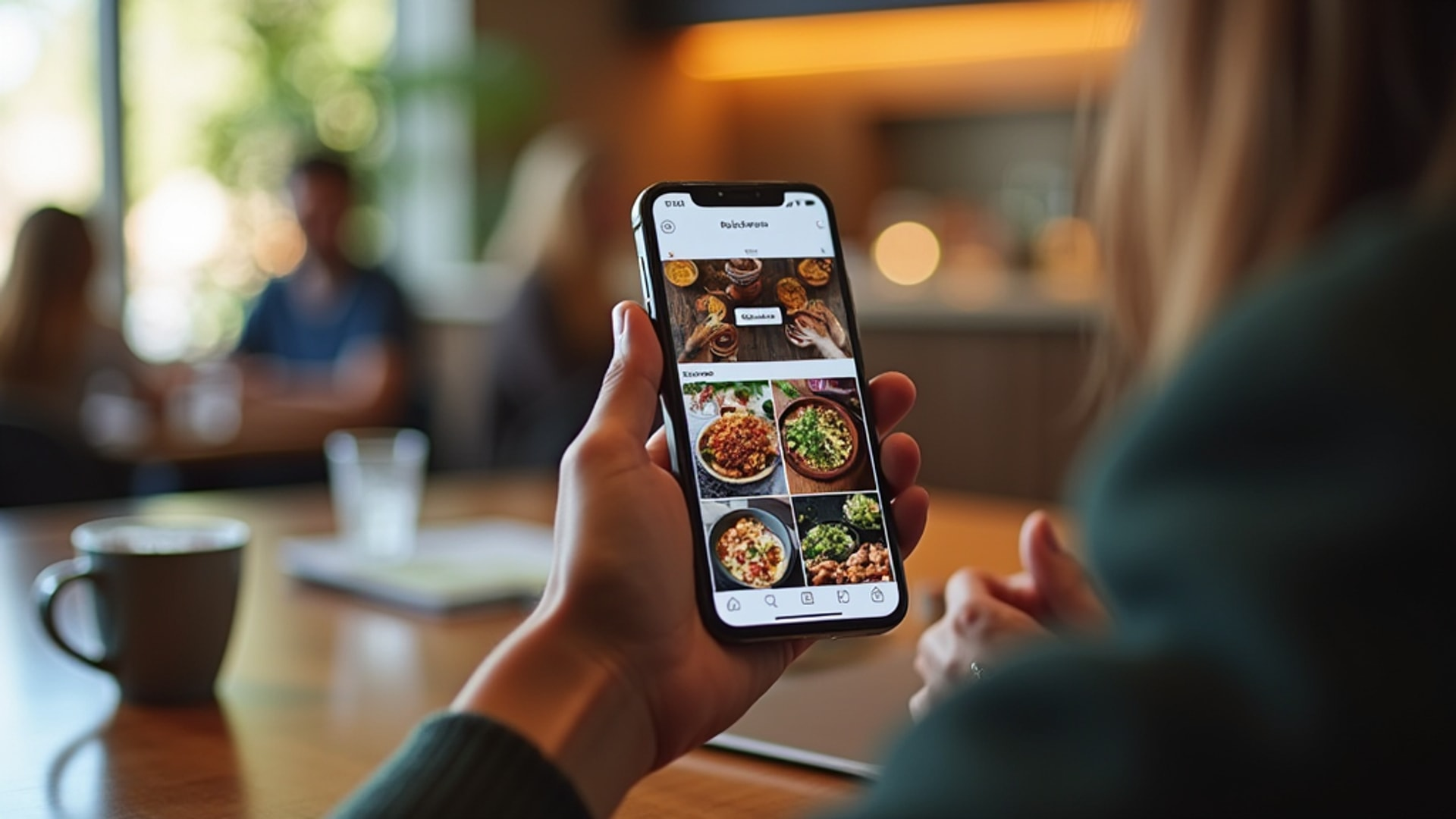
- Photos and videos customers post on Instagram, TikTok, Facebook
- Google and Yelp reviews with photos
- Stories and Reels that tag the restaurant
- Blog posts and YouTube videos from food bloggers
- Check-ins with commentary on Facebook and Google
- Comments mentioning specific dishes or experiences
Every piece of organic content your customers create is a trust signal for every potential customer who encounters it. According to Restaurantify, 84% of people trust online reviews — on platforms like Google and Yelp — as much as personal recommendations, making UGC arguably the most persuasive marketing material you have access to.
The Foundation: Create an Experience Worth Photographing
No UGC strategy works without this foundation. According to Restaurant Engine, the dining experience must be visually compelling and worth sharing before any tactics will produce results.
Visual food presentation: Every plate that leaves the kitchen is a potential photograph. White or neutral plate colors enhance photo quality. Plating height, color contrast, and garnish all affect how food photographs. Ask yourself honestly: would you stop scrolling if this image appeared in your feed?
Lighting: Dim atmospheric lighting creates mood in the dining room but produces unusable photographs. The solution is not to flood your restaurant with fluorescent light. It is to ensure that natural light reaches key tables during peak dining hours, and that warm but sufficient lighting supports photography at dinner service. A single well-placed pendant or candle does more harm than good.
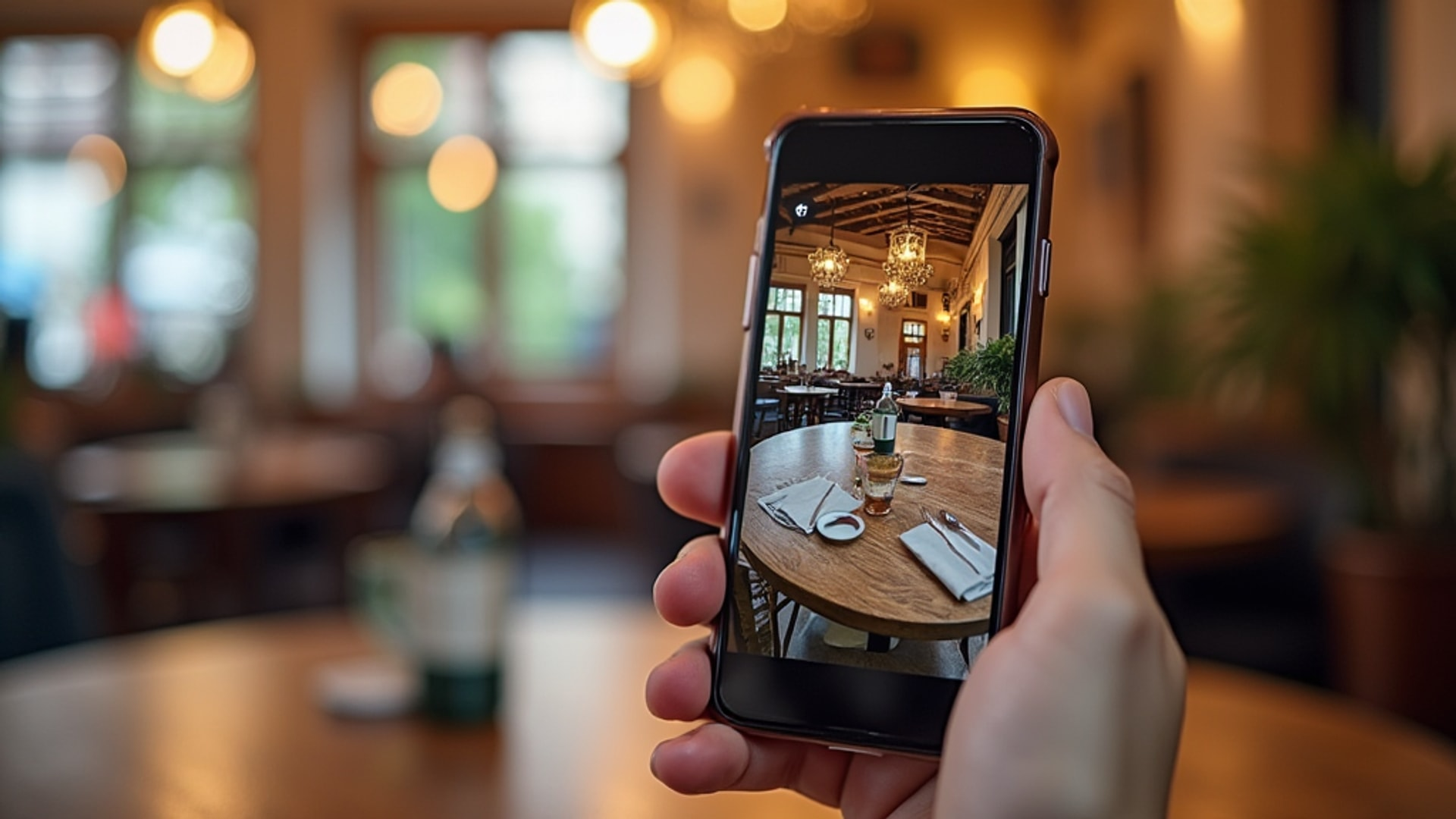
Instagram-worthy design elements: According to Restaurant Engine, a feature wall, unique decor element, or visually striking bar area gives customers a natural reason to photograph and share. This does not require expensive renovation. A hand-painted mural, an unusual light installation, a wall covered in meaningful objects, or even a distinctive view from the best table — any single visual anchor point that customers want to document.
Active Collection Strategies
Creating the conditions for UGC is not enough. You need to actively prompt it.
Branded Hashtag
Create one hashtag that is specific enough to be ownable but broad enough to make sense for customers. According to Restaurant Engine, display it prominently on table cards, receipts, and menus. Make it easy to remember and easy to spell.
Good examples:
#EatAtOaks— Short, brandable, action-oriented#TacoTuesdayMiami— Local and occasion-specific#TheRailProject— Distinctive and brand-specific
Poor examples:
#GoodFood— Used by millions of unrelated accounts#BestRestaurantInTown— Presumptuous and unsearchable
Monitor the hashtag daily. Respond to every post that uses it.
Incentivized Sharing
According to Restaurant Engine, offering a reward for posting with the branded hashtag — a free appetizer, a dessert, or a discount on the next visit — converts passive diners into active promoters. This tactic works best when the incentive is immediate and frictionless:
- “Show your server a post with #[YourHashtag] for a complimentary dessert”
- “Tag us in your photo to unlock 15% off your next visit” (handled via email follow-up)
- “Our favorite post of the month gets a free dinner for two”
QR Codes as Content Prompts
According to Restaurant Engine, QR codes on tables that link to WiFi with a sharing prompt drive content creation at the point of experience. The moment a customer is connecting to your WiFi — engaged, settled in, ready to share — is the ideal moment to prompt a photo. Your captive portal can include a direct link to Instagram, a pre-populated post, or a reminder of the branded hashtag.
Social Media Contests
Running a contest where customers share photos with your branded hashtag for a chance to win a prize creates concentrated bursts of UGC around specific campaigns. Best used seasonally: a “Best Fall Dish Photo” contest in October, a “Valentine’s Dinner” contest in February. According to Restaurant Engine, these campaigns create measurable increases in branded hashtag usage and social reach.
Managing and Amplifying UGC
Creating the conditions for UGC and collecting it is only half the work. The other half is managing and amplifying it.
Engage with Everything
According to Restaurant Engine, responding to every customer who shares content — thanking them, reposting the best content, commenting on their posts — signals that the restaurant values its community. This engagement generates additional content as creators return to see if their post was noticed, and it demonstrates active community management to new followers.
Response protocol:
- Like the post within 2 hours of it going up
- Comment with a genuine, specific response (not just “Thanks!”)
- Repost to Stories within 24 hours
- Save the best images for future use (with permission)
Reposting and Featuring
Reposting customer content on your own channels serves multiple purposes. It fills your content calendar with zero production cost. It makes customers feel valued, encouraging future sharing. And it provides a steady stream of authentic content that outperforms branded photography.
Always credit the original creator when reposting. Tag their account. A brief message asking permission before reposting is good practice and often generates additional goodwill.
Website Integration
UGC belongs on your website, not just your social channels. An Instagram feed widget on the homepage showing real customer photos provides social proof to visitors who have never eaten there. A dedicated “As Seen On” section featuring press mentions and influencer posts builds credibility. According to Restaurantify, displaying review counts, ratings, and testimonials across marketing touchpoints compounds trust through reinforcement.
Identifying and Nurturing Micro-Influencers Among Your Regulars
According to Restaurant Engine, identifying micro-influencers among regular customers and nurturing those relationships generates ongoing organic content with authentic reach. These are not celebrities — they are your most photographically active regulars with engaged local followings.
How to identify them:
- Look at who consistently tags you with quality photos
- Check follower counts and engagement rates (not just followers)
- Note who generates comments asking “where is this?”
- Identify local food bloggers who have eaten with you
How to nurture the relationship:
- Recognize them when they visit (“We love your photos, thank you”)
- Offer a complimentary tasting of a new dish before it launches
- Give early access to seasonal menu changes
- Invite them to exclusive staff tastings
You are not buying coverage. You are building a relationship with someone who already genuinely likes your restaurant.
Measuring UGC Effectiveness
According to Restaurant Engine, track these monthly metrics:
| Metric | What to Track |
|---|---|
| Branded hashtag usage | Total posts per month; growth trend |
| Engagement rate on shared UGC | Compared to branded content |
| Website traffic from social referrals | Google Analytics social channel |
| New customer acquisition from social | ”How did you hear about us?” data |
| Review ratings over time | Google, Yelp, TripAdvisor averages |
Set a baseline in your first month and track the trend. Restaurants that implement consistent UGC programs typically see engagement rates on reposted customer content 20-30% higher than branded content, a direct reflection of the authenticity premium that organic content carries.
The Compounding Value of UGC
The most powerful thing about user-generated content is that it accumulates. Every review written, every photo tagged, every TikTok filmed about your restaurant adds to a permanent, growing body of social proof. Unlike paid advertising that stops the moment you stop paying, a customer’s photo from three years ago is still converting new guests today.
Build the system. Create the conditions. Engage consistently. The content will follow.
→ Read more: Social Proof for Restaurants: Building the Trust That Fills Dining Rooms → Read more: Instagram Marketing for Restaurants: Building a Following That Fills Tables → Read more: TikTok Strategy for Restaurants: How to Turn 15 Seconds into a Full House