· Marketing · 7 min read
Seasonal Marketing Campaigns: The Restaurant Operator's Full-Year Playbook
How to plan and execute restaurant seasonal campaigns that drive bookings, sell gift cards, and build loyalty — month by month, year round.
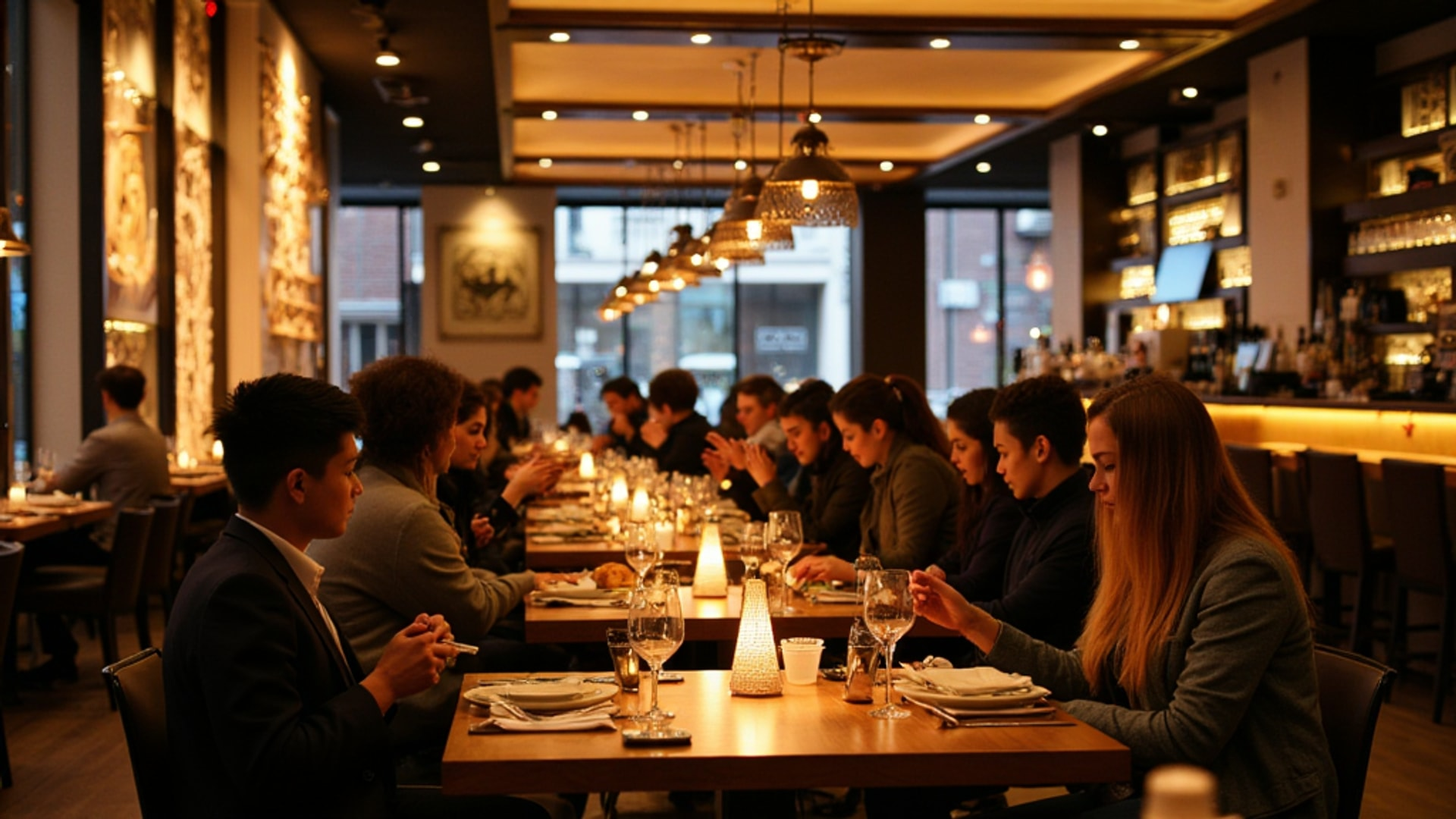
SPNDL POS’s data shows the most successful holiday restaurant campaigns start before Halloween — launching in late October or early November. Operators who wait until December to think about holiday marketing have already lost the best reservations, the corporate event bookings, and the gift card sales window. Seasonal marketing is not reactive. It is a calendar discipline.
This guide gives you a full-year framework for seasonal campaigns, built on proven tactics and real performance data.
Why Seasonal Marketing Outperforms Year-Round Promotions
Seasonal marketing leverages a psychological principle that standard promotions cannot: scarcity. Limited-time seasonal menus trigger FOMO (fear of missing out) that drives immediate bookings rather than delayed decisions. When a customer knows the pumpkin bisque is only available through October, or the Valentine’s prix-fixe is sold out by February 1, they book now rather than “sometime soon.”
This urgency is your most powerful conversion lever. Standard promotions (“10% off any Tuesday”) are ignored. A dish that is “only available this week” gets booked.
The Gift Card Revenue Engine
Before diving into the monthly calendar, understand the gift card opportunity. Gift card sales during the 2024 Black Friday weekend totaled $17.5 million in the restaurant sector, up 10.8% from 2023. This is a substantial and growing revenue category.
The bonus card model is particularly effective. One Miami steakhouse, per SPNDL POS, generated $43,000 in gift card sales using a “buy $100, receive $20 bonus” promotion. The structure works because:
- The buyer gets a reason to purchase at a higher value
- The restaurant receives immediate revenue at no discount to the buyer’s actual spending
- The $20 bonus card drives a future visit (typically at higher average spend than the card value)
- The bonus card often goes unused — pure revenue for the restaurant
Gift card campaign timing:
- Launch the bonus card offer the week before Black Friday
- Run it through the end of the first week of December
- Promote digital gift cards for last-minute holiday gifters through December 24
- Promote gift cards around Valentine’s Day, Mother’s Day, and Father’s Day
The Full-Year Seasonal Calendar
January: New Year Reset
The post-holiday slump is real but addressable. Customers are looking for lighter options and health-focused eating. This is the time for a “New Year Menu” featuring seasonal fresh vegetables, plant-forward dishes, and health-conscious offerings. Dry January promotions featuring elevated non-alcoholic cocktails tap directly into a growing consumer trend.
Campaign tactics:
- “January Detox Menu” with a designated section of lighter options
- Mocktail menu promoted on social media with specific names and pricing
- “Back to us” email campaign targeting lapsed customers with a first-visit-back offer
February: Valentine’s Day — Your Highest Revenue Day
According to WebstaurantStore, 67% of holiday diners seek experiences beyond standard dining. Valentine’s Day is the single highest-revenue opportunity in the restaurant calendar. A prix-fixe menu is the standard approach, but execution determines whether you max out your revenue potential or leave it on the table.
Campaign structure:
- Launch Valentine’s reservations six weeks out (first week of January) through platforms like OpenTable or Resy
- Create a dedicated landing page with the prix-fixe menu, pricing, and booking link
- Run influencer preview events two weeks before (per SPNDL POS — 8 Portland influencers generated 280K+ impressions and 47 reservations from a single Valentine’s preview event)
- Send VIP early-access email to loyalty program members before opening general reservations
- Offer a “Galentine’s” option (February 13) to capture the growing friend-celebration market
Pricing guidance: Prix-fixe for two should be priced at 2-2.5x your average per-person check. If your average is $45/person, a $180-$200 prix-fixe for two is appropriate and expected.
March–April: Spring Menu Launch
Spring menus generate natural media coverage and social content. New ingredients (asparagus, peas, ramps, morels) create legitimate news hooks for food writers. UpMenu recommends timing press outreach to natural news hooks like significant menu changes — a spring menu launch is exactly that.
Campaign tactics:
- “Spring Menu Preview” email to subscribers before the launch date
- Social media content series: “Meet the ingredient” posts featuring each new spring addition
- Invitation to local food writers for a preview tasting (see the PR outreach guide)
May: Mother’s Day
Mother’s Day is the second-largest restaurant holiday. Book up early; many restaurants fill completely within 48 hours of opening reservations.
Campaign elements:
- Launch reservations six weeks out
- Offer a brunch option in addition to dinner to capture the midday market
- Feature floral arrangements and elevated table settings worth photographing
- Partner with a local florist for a “flowers with your reservation” package
- Gift card push: “Give Mom the gift of dinner”
June–August: Summer Campaigns
Summer presents two distinct marketing angles: extended daylight and outdoor dining, and the slowdown that affects many markets as customers travel. Target the slowdown with tactical happy hour expansion and patio-focused content.
Tactics:
- “Summer Patio Menu” with lighter, seasonal items and signature summer cocktails
- Happy hour extended to capture the 5PM-7PM outdoor dining window
- “Locals appreciate locals” campaign targeting residents who stay in the city during travel season
September–October: Fall Menu and Pre-Holiday Setup
Fall ingredients generate strong organic content: butternut squash, apples, mushrooms, root vegetables. This is also the planning window for your holiday campaign.
Campaign priorities:
- Launch fall menu in late September with social media content series
- Begin promoting holiday reservation availability in October
- Launch catering packages for corporate holiday parties in October (decision-making happens 6-8 weeks before the event)
- Start promoting holiday gift cards in late October
November: Full Holiday Mode
SPNDL POS found that campaigns launching in late October significantly outperform those that start in November. By November 1, you should have:
- Holiday prix-fixe menu available to preview online
- Reservations open for Thanksgiving and all December dates
- Corporate party packages actively promoted via email and LinkedIn
- Gift card bonus promotion launched for Black Friday weekend
- VIP early access already sent to loyalty members
Thanksgiving specifically: Offer both dine-in (premium prix-fixe at 2-3x regular check) and takeout packages (full holiday meal for families at home). The takeout package has become a significant revenue driver as consumers want restaurant-quality food without the cooking.
December: Maximum Revenue Period
December is four weeks of peak demand. Manage it carefully:
- Stagger reservation releases to create managed scarcity (do not open everything at once)
- Promote group dining for corporate holiday parties
- Push gift cards aggressively through December 24 (digital options for last-minute buyers)
- Create a “12 Days of Specials” campaign with rotating daily offers in the second and third week
- Offer a New Year’s Eve prix-fixe as a separate booking category with early deposit requirements
Influencer Partnerships for Seasonal Campaigns
SPNDL POS’s data shows that micro-influencers with 5,000-30,000 followers offer better ROI than celebrity partnerships for seasonal campaigns. The Portland Valentine’s case study is instructive: 8 local influencers invited to a preview dinner generated 31 posts, 280,000+ impressions, and 47 direct reservations. That is a conversion rate most paid advertising cannot match.
Seasonal influencer playbook:
- Identify 6-10 local food influencers with engaged audiences
- Invite them to a preview tasting two weeks before a major holiday
- No script, no required posting — invite genuine coverage
- Brief them on the menu and the story behind key dishes
- Provide excellent food and hospitality; let the experience do the work
Multi-Channel Execution Matrix
| Channel | Timing | Message |
|---|---|---|
| Email to loyalty list | 6 weeks before holiday | VIP early access, reserve now |
| Social media teaser | 4 weeks before | Menu preview, ambiance shots |
| Influencer preview | 2 weeks before | Earned coverage and social buzz |
| Email to full list | 1 week before | Last remaining reservations |
| SMS to opted-in list | 48-72 hours before | ”A few spots remain” urgency |
| In-restaurant signage | Ongoing | Next upcoming event promotion |
Build this matrix for every major seasonal moment in your calendar. Execute it consistently. The restaurants that fill every holiday are not more talented at cooking — they are more disciplined at planning.
→ Read more: Email Marketing for Restaurants: Building Campaigns That Fill Tables → Read more: Restaurant SMS and Mobile Marketing: The Highest Open-Rate Channel → Read more: Happy Hour Promotions: Driving Revenue in the Shoulder Hours