· Marketing · 12 min read
Local SEO and Google Business Profile: The Free Marketing Channel Most Restaurants Ignore
Google Business Profiles receive 7 times more views than restaurant websites, and one in three diners turns to Google when choosing where to eat. Here is how to optimize your profile and website for maximum local search visibility.
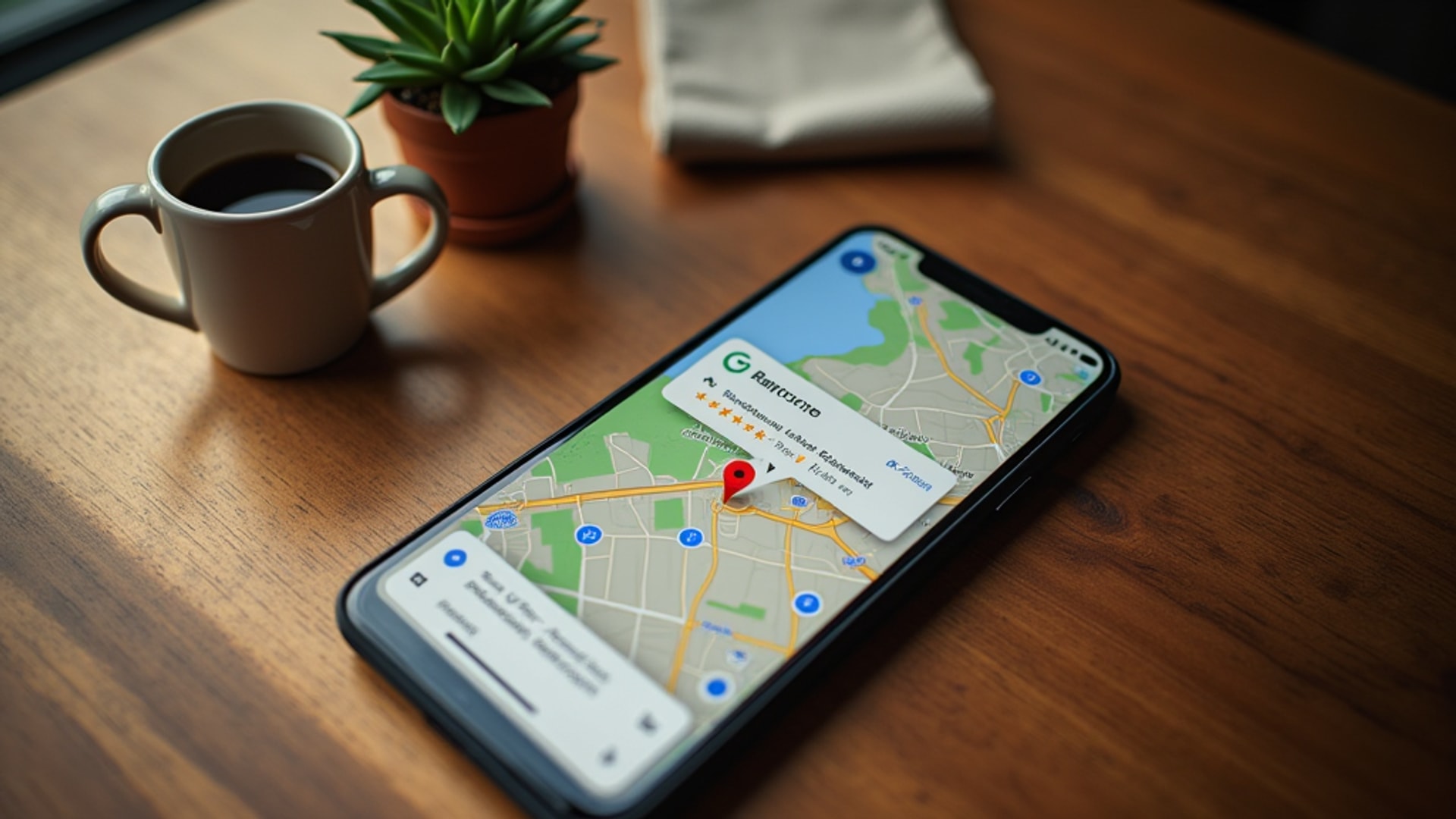
When a potential customer picks up their phone and searches for a place to eat, Google decides which restaurants they see. Not Yelp, not Instagram, not your carefully designed website. Google. And the tool that determines whether your restaurant appears in those results is free, available to every operator, and consistently underutilized.
According to DoorDash, one in three diners turns to Google when searching for a restaurant. Your Google Business Profile is the primary tool for managing this visibility. According to Marqii, Google Business Profiles receive 7 times more views than restaurant websites. And according to Marqii, restaurants that optimize their Google Business Profile see 2.3 times more reviews and at least 15% more interactions after six months.
This is not a marketing luxury. This is the single highest-leverage free marketing activity available to any restaurant with a physical location.
How Google Ranks Local Restaurants
Before optimizing anything, you need to understand what Google is actually evaluating. According to Marqii, Google ranks local restaurants on four factors.
Distance — How close you are to the person searching. You cannot control this, but accurate address information ensures Google measures it correctly.
Relevance — How well your profile matches what someone is searching for. This is where optimization has the greatest impact.
Accuracy — How consistent and up-to-date your information is across the web. Inconsistencies confuse Google and reduce your ranking.
Prominence — How well-known your business is based on reviews, links, articles, and overall web presence. This builds over time through active management.
You can directly control relevance, accuracy, and prominence. That is where your effort goes.
Google Business Profile: Eight Optimization Strategies
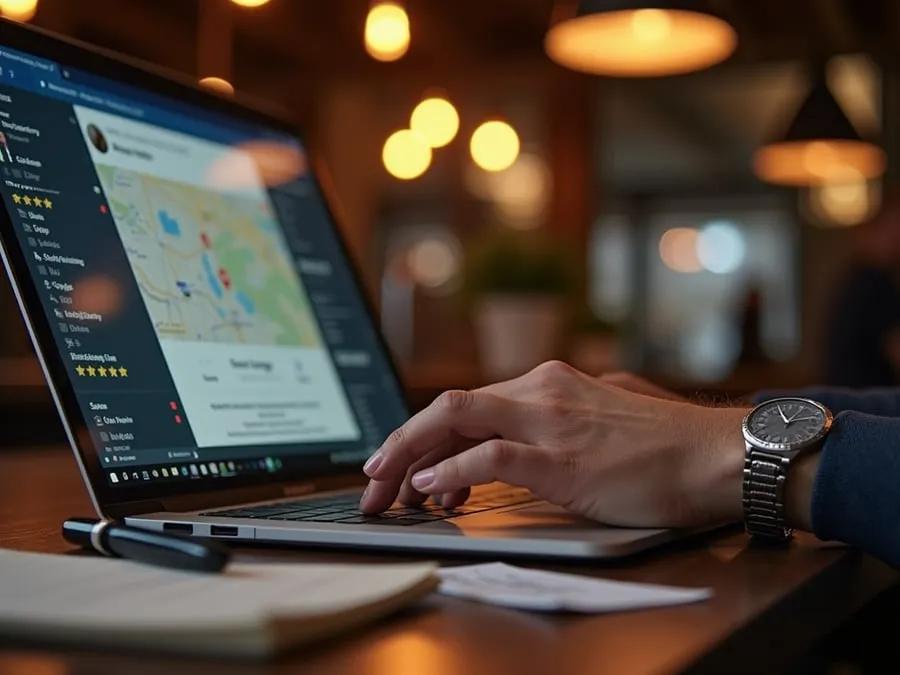
According to Marqii, there are eight core optimization areas that directly impact your profile’s performance.
1. Business Description
Craft a compelling description that incorporates your cuisine type, neighborhood, signature offerings, and unique selling points. According to the Santrel Media tutorial on profile setup, you have 750 characters to work with. Use them strategically. An Italian restaurant in downtown Portland should mention Italian cuisine, Portland, specific dishes, and what makes them different. This text helps Google understand what searches your restaurant should appear for.
2. Business Attributes
Specify dietary options (gluten-free, vegetarian, vegan), cuisine specialties, and service features (outdoor seating, delivery, parking, accessibility). According to Marqii, these attributes match customer searches and improve relevance scoring. When someone searches for “gluten-free restaurant near me,” your attributes determine whether you appear.
3. Operating Hours
Maintain accurate, current hours including holiday schedules and special hours. According to Marqii, inaccurate hours frustrate potential customers and negatively impact rankings. If someone drives to your restaurant based on Google hours and finds you closed, that negative experience directly hurts your reputation.
4. Action Buttons
Enable ordering and reservation buttons to streamline the customer journey directly from search results. When a customer can place an order or book a table without leaving the search page, you eliminate friction between discovery and conversion.
5. Photos
Upload high-quality images of food and restaurant space regularly. According to the YouTube tutorial from Santrel Media, upload at least 10 high-quality photos covering the exterior, interior, food, and team. According to Marqii, comprehensive photo profiles significantly boost traffic and engagement. Regular uploads signal an active business to Google’s algorithm.
6. Review Responses
Engage with all customer reviews. According to Marqii, 47% of diners are more likely to visit if the business responds to their reviews. This single statistic makes review response one of the most impactful activities you can invest time in. Respond to every review — positive, negative, and neutral — within 24 hours.
7. Menu Management
Add your complete menu with descriptions and dietary information. According to Marqii, 84% of users research menus before selecting a restaurant. Your menu on Google is prime conversion real estate. If it is missing, outdated, or incomplete, you are losing customers at the decision point.
8. Google Posts
Create updates, events, and promotions regularly. According to Marqii, these appear in the Nearby Events and Deals module, increasing visibility. Google Posts are essentially free advertising within search results, yet most restaurants never use them.
Google Posts: Free Advertising Most Restaurants Ignore
Google Posts deserve special attention because they represent free promotional real estate directly within search results, and the vast majority of restaurants never use them.
You can publish posts announcing daily specials, upcoming events, seasonal menu changes, holiday hours, promotions, and community involvement. These posts appear directly in your Google Business Profile when customers search for your restaurant. They are essentially free ads that reach people at the exact moment they are deciding where to eat.
The key is consistency. Posting weekly keeps your profile active and signals to Google that your business is engaged and current. A profile with recent posts looks more trustworthy than one that has not been updated in months.
Post types that work well for restaurants include:
- Event announcements — Wine dinners, live music nights, holiday specials
- New menu items — Showcase seasonal additions with a photo
- Promotions — Limited-time offers that create urgency
- Behind-the-scenes content — A photo of the chef prepping a new dish or the team setting up for a private event
- Community involvement — Charity events, local partnerships, sourcing highlights
NAP Consistency: The Foundation You Cannot Skip
NAP stands for Name, Address, and Phone number. According to DoorDash, this information must be identical across your website, Google Business Profile, and all third-party platforms — Yelp, OpenTable, TripAdvisor, and every delivery app. According to Owner.com, inconsistencies confuse Google’s algorithm and reduce your ranking.
This sounds trivial, but it is one of the most common failures. A slight variation in your business name (using “St.” in one place and “Street” in another), an old phone number on a forgotten directory listing, or a previous address that was never updated can all suppress your search ranking.
Audit every platform where your restaurant appears. Make the information identical everywhere.
Category Selection
According to DoorDash, your primary category should be as specific as possible. Choose “Italian Restaurant” rather than just “Restaurant.” Choose “Sushi Restaurant” rather than “Japanese Restaurant” if sushi is your focus. You can add up to 9 subcategories for additional specificity — options like “lunch restaurant,” “takeout restaurant,” or “event venue” — to appear in more relevant searches.

Review Management as an SEO Strategy
Reviews are not just a reputation tool. They are an SEO tool. According to DoorDash, review volume and quality directly impact Google’s prominence ranking. The more reviews you have, the higher quality those reviews are, and the more recently they were posted, the more prominently Google displays your restaurant in local search results.
→ Read more: Restaurant Google Reviews: Building a Five-Star Reputation on Purpose
According to Marqii, 47% of diners are more likely to visit if the business responds to reviews. This means response behavior itself influences both customer decisions and search ranking. Google rewards active businesses that engage with their customers.
The strategy is straightforward: actively encourage Google reviews from satisfied customers, respond to every review within 24 hours, and treat negative reviews as opportunities to demonstrate accountability. Over time, this creates a compounding advantage in both reputation and search visibility.
According to the YouTube analysis from Ranking Academy, businesses with complete profiles are 70% more likely to attract location visits and 50% more likely to lead to a purchase. Reviews are a core component of what makes a profile “complete” in Google’s evaluation.
Website SEO: Your Second-Most Important Asset
Your Google Business Profile is your most important free marketing tool. Your website is second. According to Owner.com, 91% of guests prefer visiting a restaurant’s website before deciding to order takeout or delivery. According to Restaurant Times, roughly 67% of restaurant revenue now comes from online or phone orders.
Mobile-First Design
According to Owner.com, 64% of searches happen on mobile devices, and pages must load in under 2 seconds. According to Restaurant Times, nearly 94% of consumers will not trust a website that is not mobile-friendly. If your site is slow or difficult to navigate on a phone, you are losing the majority of potential customers.
Location-Specific Keywords
According to Owner.com, adding location-specific cuisine keywords to your homepage title and headline dramatically improves search visibility. An Italian restaurant should target phrases like “best pasta in [City].” A Mexican restaurant should target “best tacos in [City].” This aligns your website with the actual search queries people use.
HTML Menus, Not PDFs
According to Owner.com, using PDF or image file menus makes your menu invisible to Google. Present your menu as searchable HTML text with descriptions and dietary labels. This serves dual purposes: it improves your search ranking and makes the menu far easier to read on mobile devices.
Multiple Pages
According to Owner.com, creating separate pages for about, menu, events, and catering provides more opportunities to rank for relevant searches than a single-page design. Each page is another chance to appear in search results for relevant queries.
Social Media Integration
According to Marqii, restaurants can now link up to 7 social media profiles to their Google Business listing, with 5 displayed at once. This creates a unified online presence directly within search results, making it easy for customers to find and follow you across platforms.
Critical Mistakes That Kill Your Rankings
These errors actively harm your search visibility, and every one of them is avoidable.
Sending customers to third-party ordering platforms. According to Owner.com, routing orders through third-party apps instead of your own website costs 20-30% in commission fees and signals poor user experience to Google.
Using PDF menus. The content is invisible to search engines and painful to read on mobile. Convert to HTML text immediately.
Overloading with images and videos. According to Owner.com, excessive media that slows page loading hurts rankings. Compress images and prioritize loading speed.
Inconsistent information. Different hours, addresses, or phone numbers across platforms confuse both Google and potential customers.
Not claiming your profile. According to the Santrel Media tutorial, check Google Maps first to see if your business is already listed but unclaimed. Claim the existing listing rather than creating a duplicate, which is actively counterproductive.
Building Prominence Over Time
Google’s prominence factor measures how well-known your business is based on web-wide information. This is the long game of local SEO, and it builds through consistent effort.
Local directory listings — Ensure your restaurant appears in all relevant local directories with consistent NAP information.
Food blogger features — According to Owner.com, features from local food bloggers build backlinks that strengthen domain authority.
Local media coverage — Press mentions and articles about your restaurant signal prominence to Google.
Review volume and quality — According to the Ranking Academy YouTube tutorial, the quantity, quality, and recency of reviews significantly impact local search rankings. Businesses with complete Google profiles are 70% more likely to attract location visits and 50% more likely to lead to a purchase.
Website Platform Options
According to Restaurant Times, popular website platforms for restaurants include WordPress with food-specific plugins, BentoBox, Squarespace, and GloriaFood. Development typically costs $2,000 to $10,000 depending on complexity and integrations. Essential features include mobile-responsive design, integrated online ordering, reservation functionality, and embedded social proof from Google and Yelp reviews.
Local SEO Optimization Checklist
- Claim and verify your Google Business Profile
- Complete every profile section: description, attributes, hours, menu, photos
- Choose the most specific primary category with up to 9 subcategories
- Upload at least 10 high-quality photos (exterior, interior, food, team)
- Enable ordering and reservation action buttons
- Audit NAP consistency across all platforms
- Add location-specific cuisine keywords to your homepage title
- Convert PDF menu to searchable HTML text
- Ensure mobile load time under 2 seconds
- Link social media profiles to your Google listing
- Set up a weekly Google Posts schedule for specials and events
- Respond to every review within 24 hours
- Build local backlinks through directory listings and media outreach
Schema Markup: Speaking Google’s Language
Schema markup is structured data added to your website’s code that helps Google understand exactly what your restaurant offers. When implemented correctly, it can enhance how your restaurant appears in search results with rich snippets showing hours, price range, cuisine type, and review ratings.
According to Restaurant Times, your website should include restaurant schema markup covering your business name, address, phone number, hours, cuisine type, price range, and menu. While the traffic impact of schema varies, it is a low-effort, one-time implementation that makes your site more intelligible to search engines and can improve click-through rates from search results.
Most website platforms designed for restaurants handle schema automatically. If you are using a general-purpose platform like WordPress, restaurant schema plugins make implementation straightforward.
The Weekly Local SEO Routine
Local SEO delivers the best results when treated as a consistent weekly practice rather than a one-time optimization project. Here is a practical weekly routine that takes approximately 30 minutes:
Monday — Check for and respond to any new reviews. Upload one or two fresh photos to your Google Business Profile.
Wednesday — Publish a Google Post about a weekly special, upcoming event, or seasonal highlight.
Friday — Verify that hours, menu, and contact information are current across all platforms. Spot-check one third-party directory for accuracy.
This minimal weekly investment compounds over time. After three months of consistent practice, you will have dozens of new photos, regular Google Posts, a strong review response record, and verified accuracy across all platforms. Each element individually improves your ranking; together, they create a significant competitive advantage.
The Bottom Line
Local SEO is not a one-time project. It is an ongoing practice that compounds over time. The restaurant that optimizes its Google Business Profile today, maintains consistent information across platforms, publishes weekly Google Posts, responds to every review, and keeps its website fast and mobile-friendly will steadily pull ahead of competitors who treat their online presence as an afterthought.
The best part: almost everything on this list is free. It costs nothing but attention and consistency. And in a business where one in three customers finds you through Google, that attention pays for itself many times over.
→ Read more: Restaurant Website Conversion: Turn More Visitors into Paying Guests → Read more: Digital Advertising for Restaurants: Google Ads, PPC, and Paid Social