· Design & Ambiance · 9 min read
Restaurant Design Trends 2025: What's Shaping Dining Spaces Now
The forces shaping restaurant design in 2025 aren't fads — they reflect real shifts in how guests want to feel, what they value, and what they're willing to pay for.
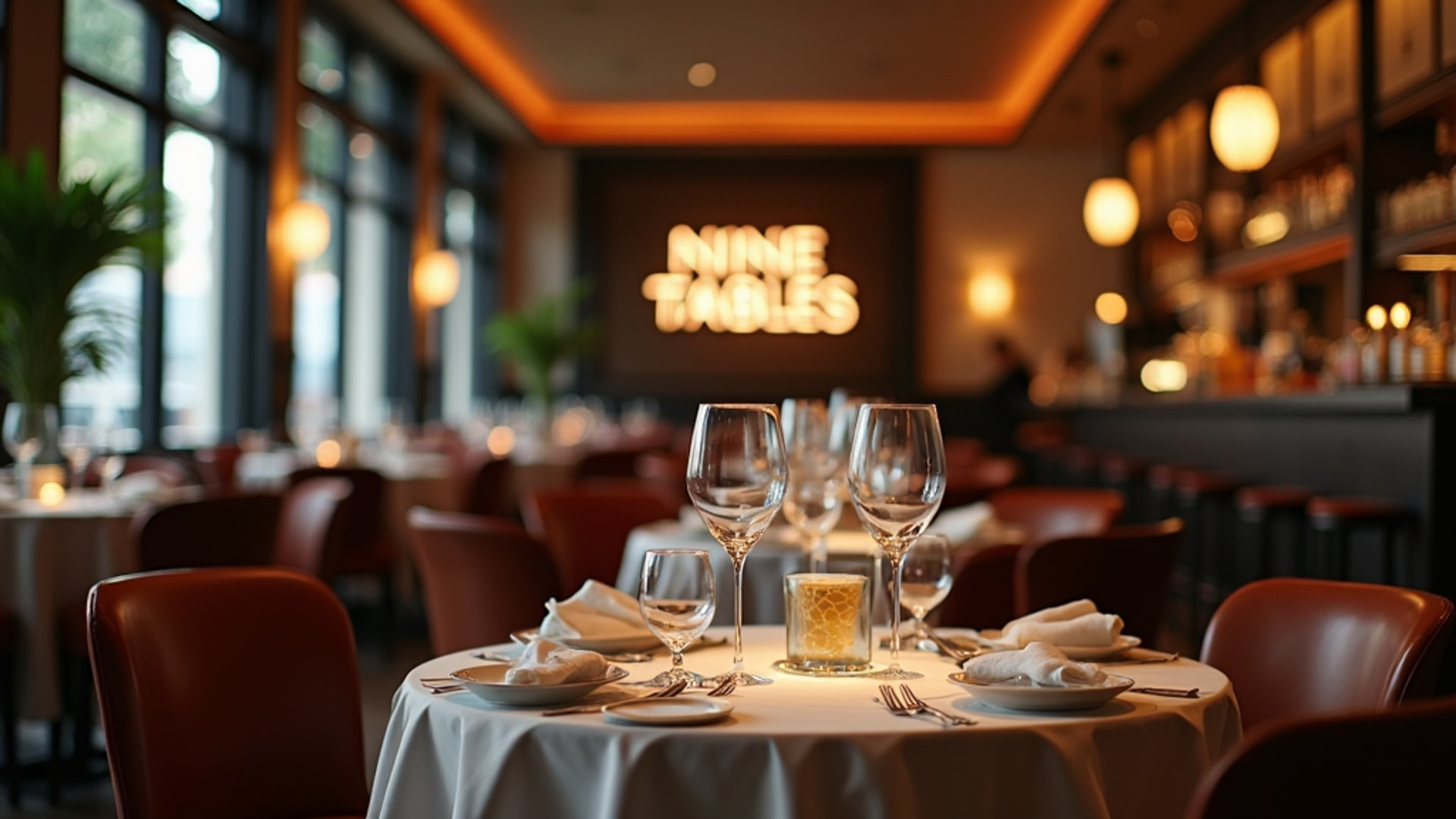
Restaurant design trends are easy to dismiss as surface-level style shifts — exposed brick is in, dropped ceilings are out, this year’s color is whatever Pantone declared. But the currents shaping restaurant spaces in 2025 go deeper than aesthetics. They reflect genuine changes in guest values, economic pressures, technology adoption, and the fundamental question of what a restaurant is supposed to feel like.
According to Toast’s analysis of the 12 restaurant design trends defining 2025, the overarching direction is clear: restaurants are evolving from simple dining venues into curated experiences that engage multiple senses, express clear values, and adapt to serve multiple revenue purposes. Here’s what that means in practice.
Sustainability Has Moved from Differentiator to Standard
The most significant shift in 2025 restaurant design is that eco-friendly materials have moved from premium differentiator to mainstream expectation. Toast’s research shows sustainability and eco-friendly materials are now a dominant trend, with reclaimed wood, bamboo, recycled steel, and environmentally friendly paints becoming standard in new restaurant builds.
This reflects a broader shift in consumer values, particularly among the millennial and Gen Z guests who now represent the majority of restaurant spending in the premium segment. These guests are sophisticated about materials and supply chains in a way that earlier generations weren’t, and they notice the difference between reclaimed and virgin materials, between locally sourced furniture and imported flatpack.
The operational case is equally compelling: sustainability practices reduce energy costs by approximately 30 percent on average, according to Toast’s data. That number covers the full range of efficiency improvements — LED lighting, high-efficiency refrigeration, reduced water consumption — but the direction is consistent. Investing in sustainability is increasingly also an investment in lower operating costs.
What does this mean for design decisions?
Material selection: Specify reclaimed wood for bar tops and accent surfaces where authenticity and story matter. Use bamboo for flooring and paneling where high-replacement-rate materials need to be both durable and sustainably sourced. Choose low-VOC paints and finishes — they’re now equally durable and cost-competitive with conventional alternatives.
Local sourcing: Toast specifically highlights involving local artisans and craftspeople, which creates unique environments while supporting community and reducing carbon footprints. A locally made light fixture or a custom-built bar from a regional carpenter tells a more compelling story than mass-produced equivalents, and the environmental credential is genuine.
Energy systems: LED lighting throughout, Energy Star-rated appliances, and demand-controlled ventilation are no longer optional in a design that claims environmental responsibility.
→ Read more: Sustainable Restaurant Design
Biophilic Design: From Trend to Expectation
Living walls, indoor trees, natural water features, and material palettes rooted in stone, wood, and natural fiber have become a design category in their own right. Toast’s research identifies biophilic design as one of the defining trends of 2025, driven by studies showing that exposure to nature reduces stress and improves diners’ moods.
The business case is direct: guests in biophilically designed spaces feel more relaxed, stay longer, and return more frequently. The design investment pays back through increased dwell time and check averages, not just through aesthetic differentiation.
The practical threshold for biophilic design has dropped considerably as the category has matured. A meaningful biophilic environment doesn’t require a $50,000 living wall installation. Substantial grouped plantings, natural material surfaces, generous natural light, and water elements create the same psychological effect at significantly lower cost.
Immersive, Multi-Sensory Design
The most ambitious direction in 2025 restaurant design is the shift toward fully immersive experiences that engage all five senses intentionally. Toast’s research describes this as a trend toward tactile surfaces, ambient sounds, and aromatic elements working together to create complete sensory environments.
This isn’t about theme restaurants with elaborate props. It’s about thoughtful curation of every sensory input:
Sound design is emerging as a recognized design discipline in its own right. The acoustic character of the room — its reverberation time, the music selection, the sound level — is increasingly treated as intentional design rather than operational happenstance. Some restaurants work with sound designers the same way they work with lighting designers.
Scent is the sense most underutilized in restaurant design. The aroma of the kitchen is a powerful hospitality signal when managed well — the smell of fresh bread, roasting coffee, or grilling meat draws guests in and signals quality. Some operators use subtle ambient scent diffusion in the dining room to reinforce a sensory signature.
Tactile texture in materials guests contact — the rough grain of a reclaimed wood tabletop, the weight of handmade ceramic, the softness of a wool cushion — creates sensory richness that people feel without explicitly noticing.
The return on this investment is primarily emotional and social. Guests don’t analyze sensory design — they experience it holistically and describe the result as “atmosphere.” Strong atmosphere translates directly into reviews, recommendations, and repeat visits.
Bold Color and Artistic Expression
After years of restaurant design dominated by safe neutrals — the ubiquitous gray wall, white subway tile, and blonde wood aesthetic that reads as vaguely Scandinavian regardless of concept — 2025 is seeing a decisive shift toward bold color and artistic expression.
This trend involves using bold colors as part of a larger brand narrative rather than safe background choices that don’t offend anyone. The logic is that a distinctive visual identity creates the kind of strong impression and social media visibility that neutral environments cannot.
The practical application ranges from a single dramatic accent wall in a saturated color to fully committed color environments where walls, ceilings, upholstery, and furniture operate in a unified palette. The risk is real — bold color choices can alienate guests who don’t connect with them — but the reward is stronger brand recognition and the kind of photogenic moment that drives organic social sharing.
Commissioning local artists for murals, custom tile installations, or sculptural elements addresses both the bold visual identity trend and the local community connection trend simultaneously. A site-specific artwork by a local artist tells a story that imported decor never can.
Technology Integration Done Tastefully
Technology has been entering restaurant spaces for years, but 2025 marks a maturation in how it’s being designed into spaces rather than bolted onto them. Toast identifies this as a key trend: contactless dining, digital ordering kiosks, QR code systems, and table-level connectivity are increasingly standard in new restaurant designs.
The design challenge is integrating technology without making the space feel like a fast food outlet or an airport terminal. The restaurants handling this best treat technology as infrastructure — present, functional, but visually subordinate to the human elements of the space.
Practical approaches include:
Embedded charging and connectivity at tables using flush-mounted surface solutions that maintain the aesthetic of the table while providing the functionality guests expect.
Kiosks designed as furniture rather than freestanding machines. Some operators are working with designers to create ordering kiosks that feel like part of the hoststand design rather than standalone technology pods.
Digital displays as art. High-resolution displays showing slowly changing imagery or video can function aesthetically while serving operational purposes — menu boards, daily specials, event information.
Toast’s analysis notes the balance required: technology integration exists alongside a desire for authentic, human experiences. The restaurants winning on technology adoption are the ones where technology handles transactional friction while freeing staff for the hospitality interactions that guests actually value.
Flexible and Modular Design: Maximizing Revenue Potential
One of the clearest business-driven trends in 2025 restaurant design is the embrace of flexibility. Fixed dining rooms designed exclusively for one service format leave money on the table. Flexible and modular design has become essential for maximizing revenue potential.
Movable partitions, modular furniture systems, and multi-use spaces allow restaurants to reconfigure for private events, community workshops, pop-up collaborations, and daytime uses that generate revenue beyond core service hours. A dining room that can seat 80 at standard tables or convert to a reception space for 150 standing guests doubles the revenue opportunity of the same square footage.
Design features that enable flexibility include:
Modular seating furniture that can be rearranged without tools and stacks or folds for storage.
Movable acoustic partitions that divide a large room into private dining sections or fold away to create event space.
Adaptable lighting systems with independently controlled zones that can shift from intimate dinner service to bright event lighting.
Sound system zoning that allows different atmospheres in different sections simultaneously.
→ Read more: Commercial Furniture Selection
Mixed-use space is particularly valuable for restaurants in urban locations where private dining demand is strong. Mixed-use spaces allow restaurants to host private events, workshops, or pop-ups for additional revenue — a significant competitive advantage in markets where hospitality space is scarce.
Instagram Moments Are a Design Requirement
This trend generates eye-rolls but isn’t going away. Toast explicitly identifies Instagram-worthy design moments as a conscious design goal, and the data on social media’s impact on restaurant discovery and reputation makes the case clearly.
An organic social media photo from a satisfied guest reaches their entire network with zero advertising cost. In densely connected social environments, a single distinctive visual — a living wall, an unexpected ceiling treatment, a bold mural, a beautiful dish on a photogenic table — can drive meaningful new traffic.
The design implication isn’t to create a selfie wall and call it done. It’s to ensure that every visually strong element in the restaurant is designed to be photographable: lit from an angle that renders well on a phone camera, positioned for a clear sightline, and maintained in a condition that looks good in high-resolution images.
Warm lighting, which Toast specifically identifies as encouraging longer dwell times alongside natural materials, is also the most forgiving and flattering for food and guest photography. The design choice that makes the room feel more inviting also makes it look better in photos.
What to Take Away
Not every trend applies to every concept. A casual neighborhood diner doesn’t need a biophilic installation or a flexible event space. A fast-casual counter service doesn’t need immersive scent design.
The question for any operator approaching a new build or renovation is: which of these trends align with my specific concept, guest profile, and market position? The answers will differ for every restaurant, but the underlying direction is consistent: guests in 2025 expect more than functional dining rooms. They expect spaces that communicate clear values, engage their senses, and give them something to feel — and talk about.