· Design & Ambiance · 13 min read
Restaurant Renovation: Budget, Timeline, and the Decisions That Prevent Cost Overruns
The average restaurant renovation overruns its budget by 34 percent. This guide covers realistic cost benchmarks, timeline planning, design sequencing, HVAC pitfalls, lighting strategy, common mistakes, and contractor management practices that keep projects on track.
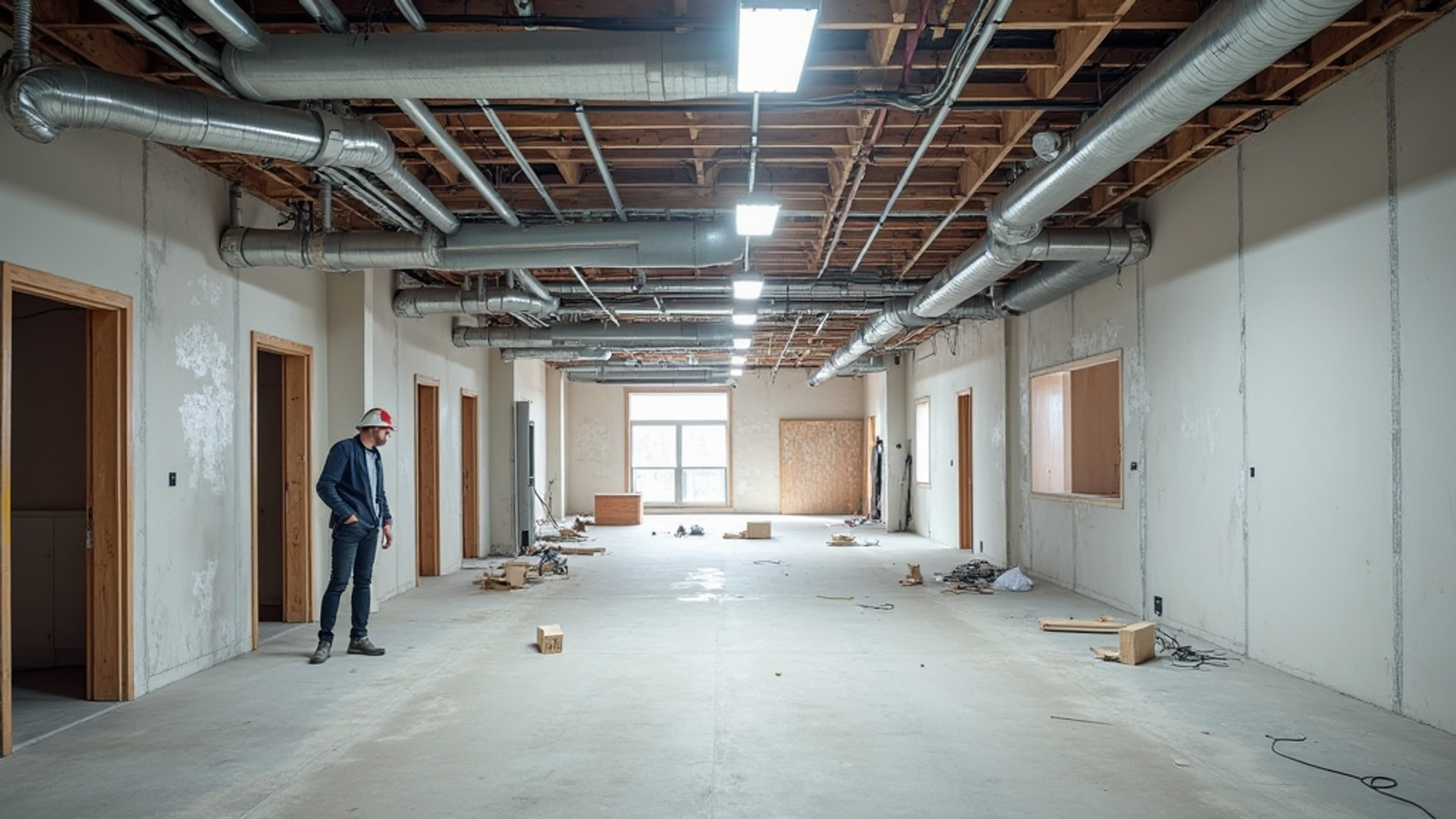
Restaurant renovation is one of the most financially consequential decisions an operator makes. It is also one of the most consistently underestimated.
According to EB3 Construction’s renovation cost analysis, the average budget overrun on a restaurant remodel is 34 percent. A project budgeted at $275,000 typically ends up costing closer to $370,000. That overrun is not the result of bad luck. It is the result of poor planning, unrealistic budgets, and design decisions made in the wrong order.
This guide covers the numbers you need to budget realistically, the timeline you should actually expect, the design sequence that prevents expensive mid-project changes, and the contractor management practices that keep the project moving.
Cost Benchmarks: What Renovation Actually Costs
Before committing to a renovation, you need to understand the realistic cost range for your specific situation.
Per-Square-Foot Costs
According to EB3 Construction, restaurant renovation costs typically range from $200 to $500 per square foot. The wide range reflects enormous variation in project scope:
- Basic cosmetic refresh (paint, lighting, furniture) falls at the lower end, around $200 per square foot.
- Moderate renovation (new finishes, some equipment upgrades, minor layout changes) lands in the middle range.
- Comprehensive overhaul (structural changes, new mechanical systems, full kitchen replacement) approaches $500 per square foot.
Total Project Averages
According to EB3 Construction, three benchmarks frame the conversation:
- Existing restaurant renovation: approximately $275,000
- Converting a non-restaurant space to foodservice: approximately $425,000
- New construction from the ground up: approximately $650,000
The jump from renovation to conversion is significant. Converting a retail space or office into a restaurant requires installing commercial kitchen infrastructure, ventilation systems, grease traps, and plumbing that the previous tenant never needed. That infrastructure is the expensive part.
Seven Major Budget Categories
According to EB3 Construction, the budget breaks into seven categories:
- Kitchen equipment and upgrades — Typically the largest single line item. Commercial ranges, walk-in coolers, exhaust hoods, and dishwashing systems are expensive individually and create cascade costs when they require new electrical or plumbing connections.
- Interior design and furniture — Seating, tables, bar fixtures, finishes, and decorative elements. This is where concept reinforcement happens.
- Building systems — HVAC, plumbing, and electrical. These are the systems most likely to generate surprise costs, especially in older buildings.
- Exterior improvements — Signage, landscaping, outdoor dining infrastructure, and curb appeal upgrades.
- Digital systems — POS hardware, online ordering integration, table management, and kitchen display systems.
- Professional services — Architect and designer fees, permit applications, inspections, engineering consultations, and legal review.
- Contingency fund — 5 to 10 percent of the total budget for unexpected costs.
According to YouTube analysis of restaurant buildout projects, the practical advice is to budget 10 to 20 percent contingency above your estimated cost. Construction projects invariably encounter surprises — concealed plumbing problems, electrical upgrades required by code, material delays, and subcontractor scheduling conflicts.
Timeline: How Long Renovation Actually Takes
Construction Phase
According to EB3 Construction, full-scale renovations typically require 6 to 12 weeks of construction. That is the physical building work only. The total project timeline from concept to completion is significantly longer.
The Full Timeline
A realistic renovation timeline includes:
- Concept and design development (4 to 8 weeks) — Working with a designer or architect to define the scope, create drawings, and select materials.
- Permitting (2 to 8 weeks) — Submitting plans to the local building department, health department, and fire marshal. Permit timelines vary dramatically by jurisdiction. Some cities process in two weeks; others take two months.
- Contractor selection (2 to 4 weeks) — Soliciting bids, reviewing proposals, checking references, and negotiating contracts.
- Construction (6 to 12 weeks) — The actual building work.
- Equipment installation and testing (1 to 2 weeks) — Installing kitchen equipment, POS systems, and other technology, then testing everything before opening.
- Inspections and final approvals (1 to 2 weeks) — Health department, fire, and building inspections before you can legally operate.
Total realistic timeline: 4 to 9 months from concept to reopening. Planning for anything shorter is optimistic.
Phased vs. Full Closure
According to EB3 Construction, phased construction allows the restaurant to remain partially operational during improvements, preserving some revenue during the process. This sounds appealing, but it comes with trade-offs:
Phased renovation advantages:
- Maintains partial revenue during construction
- Allows testing of changes in real operating conditions
- Reduces the financial shock of a complete shutdown
Phased renovation disadvantages:
- Construction takes longer when workers must accommodate an operating restaurant
- Noise, dust, and disruption affect the guest experience and generate complaints
- Staff must work around construction zones, reducing efficiency
- The project may cost more overall due to extended timelines
According to EB3 Construction, many operators should budget for 3 to 4 months of operational expenses as part of renovation planning to cover revenue lost during closure or reduced capacity.
Design Sequencing: The Order Matters
The most expensive renovation mistakes happen when design decisions are made in the wrong order. Choosing paint colors before resolving the floor plan, or selecting light fixtures before addressing ventilation, leads to rework that eats the contingency budget before construction is half done.
Step 1: Layout and Spatial Flow
According to PerfectCheck’s floor plan optimization research, layout planning must precede any decorative decisions. The 60/40 rule establishes the foundation: at least 60 percent of total space should serve seating and 40 percent should be allocated to circulation, service stations, and back-of-house.
According to PerfectCheck, the industry standard is to allocate approximately 20 square feet per seat to ensure guest comfort without compromising staff efficiency. A well-designed seating arrangement can increase table turnover by 20 to 30 percent, directly impacting revenue.
Key layout decisions to resolve first:
- Entry flow — Where guests enter, where the host stand sits, how waiting guests are managed.
- Table configurations — According to PerfectCheck, maintain 38 to 48 inches between pushed-in chair backs at adjacent tables for server movement.
- Server paths — Clear corridors between the kitchen and every section of the dining room.
- Back-of-house — Kitchen workflow, storage, prep areas, and dishwashing.
- ADA compliance — According to PerfectCheck, accessible pathways at least 36 inches wide and accessible seating distributed throughout the dining room. Build this in from the start, not as an afterthought.
Step 2: HVAC and Mechanical Systems
This is where renovations blow up financially. According to The Severn Group’s HVAC research, restaurant ventilation demands exceed typical commercial buildings due to simultaneous cooking heat generation, dining room comfort needs, and air quality management across multiple zones.
According to The Severn Group, effective restaurant HVAC design must address five distinct zones: the kitchen, the dining room, restrooms, the lobby and entrance, and any outdoor dining spaces. Each zone has different temperature and air quality requirements.
Exhaust hoods are the most critical component. According to The Severn Group, Type I hoods are required for grease-producing equipment (fryers, grills, ranges), while Type II hoods serve equipment that produces only heat and moisture (dishwashers, ovens). Hood sizing, placement, and required CFM airflow must be calculated before construction begins.
Make-up air systems replace the air removed by kitchen exhaust. According to The Severn Group, without sufficient make-up air, the kitchen operates under negative pressure, causing doors to slam, creating drafts throughout the restaurant, degrading air quality, and potentially causing dangerous back-venting of combustion gases from gas-fired equipment.
According to The Severn Group, ASHRAE Standard 62.1 mandates 7.5 cubic feet per minute of outside air per person for restaurants and bars. This is the minimum baseline; kitchen areas require significantly higher ventilation rates.
The bottom line on HVAC: get it engineered before construction starts. Discovering inadequate ventilation mid-project creates emergency spending that can consume the entire contingency budget.
Step 3: Lighting Design
According to Home Lighter Inc’s restaurant lighting research, lighting operates across three essential layers:
- Ambient lighting — The base layer of general illumination from natural daylight and commercial fixtures.
- Task lighting — Focused brightness for specific functions: kitchen prep, reception operations, menu reading.
- Accent lighting — Directional light highlighting focal points like bar displays, artwork, or architectural details.
According to Home Lighter Inc, color temperature directly affects mood and operational performance. Warm tones in the 2700K to 3000K range foster a cozy, inviting ambiance ideal for fine dining and family restaurants, encouraging guests to linger. Cooler tones from 4000K to 5000K suit fast-casual concepts where a fresh, energetic feel promotes quicker table turns.
According to Home Lighter Inc, dimming systems are essential for restaurants operating across daylight and evening hours. Incremental dimming as daylight fades prevents abrupt mood shifts. Automated control systems can adjust brightness by time of day or season, allowing a single restaurant to function as both a bright lunch destination and a subdued dinner venue.
Step 4: Finishes, Furniture, and Details
Only after layout, mechanical systems, and lighting are resolved should decorative decisions begin. At this point, you know exactly what spaces exist, where the infrastructure sits, and how the lighting works. Now you can select:
- Paint colors and wall treatments
- Flooring materials
- Table and chair styles
- Bar fixtures and materials
- Artwork, plantings, and decorative elements
- Tabletop settings
According to TouchBistro’s interior design research, every element should reinforce the central concept. Mixing conflicting styles creates confusion. Color alone can influence up to 90 percent of a guest’s initial impression, and strategic use of brand-consistent colors has been shown to boost brand awareness by approximately 80 percent.
Common Renovation Mistakes
The most expensive renovation errors are preventable. They stem from poor planning, not from bad luck.
Converting Non-Restaurant Space Without a Reality Check
According to EB3 Construction, converting a non-restaurant space to foodservice runs approximately $425,000 versus $275,000 for an existing restaurant. The difference is entirely infrastructure: commercial kitchen plumbing, grease traps, exhaust hoods, electrical upgrades for commercial equipment, and fire suppression systems. Before signing a lease on a beautiful retail space, get a contractor’s estimate for the conversion cost.
Ignoring HVAC Until Construction Reveals the Problem
According to The Severn Group, inadequate ventilation is one of the most common and expensive renovation surprises. An HVAC assessment should happen before design begins, not when the contractor opens a ceiling and discovers undersized ductwork.
Skipping Live Testing of Table Configurations
According to Aaron Allen & Associates’ restaurant design research, poor floor plans impede service flow, and the recommendation is to test table configurations during actual service before finalizing layouts. Set up tables at the planned spacing and run a full service. Discover that the aisle is too narrow before the flooring is installed, not after.
Neglecting Code Compliance Until Inspection
According to Aaron Allen & Associates, failing to verify ADA accessibility, fire suppression requirements, and mechanical engineering standards before construction creates post-renovation correction costs that far exceed what compliance would have cost if built in from the start.
Deferring Maintenance Until It Forces Renovation
According to Aaron Allen & Associates, budgeting 1 to 2 percent of annual total sales for ongoing facility maintenance prevents the deferred maintenance spiral that eventually triggers a major renovation. A $10,000 annual maintenance budget is cheaper than a $275,000 renovation forced by years of neglect.
Contractor Management
Successful renovation requires treating the general contractor relationship as a partnership, not an adversarial transaction.
Selecting the Right Contractor
Prioritize contractors who specialize in restaurant buildouts. According to YouTube analysis of restaurant construction, restaurant-specialized contractors understand commercial kitchen infrastructure, health department inspection requirements, and the urgency of minimizing closure time. A residential contractor or general commercial contractor may underbid the project and then struggle with the unique demands of restaurant work.
Contract Essentials
Before work begins, establish:
- Detailed written proposals with line-item cost breakdowns for every phase of work. Lump-sum bids hide problems.
- A clear change order process. Define how changes in scope are documented, priced, and approved. Change orders without a formal process are how budgets blow up.
- Weekly progress meetings with documented action items and deadlines.
- Proof of insurance and licensing. Verify both the general contractor and all subcontractors.
- Completion milestones with corresponding payment schedules. Never pay ahead of completed work. A typical structure: 10 percent at signing, progress payments tied to milestones, 10 percent holdback until final inspection and punchlist completion.
Managing the Timeline
According to YouTube documentation of restaurant buildout projects, the initial design and planning phase is exciting, but the execution phase becomes a grinding challenge of coordinating contractors and managing timelines. Expect delays. Build buffer into the schedule. And maintain weekly communication so small problems are caught before they become expensive ones.
Measuring the Return on Renovation
The most important question is not how much renovation costs. It is whether the investment pays for itself.
Track These Metrics
Before renovation, establish baseline numbers. After renovation, measure the same metrics to validate the return:
- Revenue per square foot — Did the new layout generate more revenue from the same footprint?
- Table turnover time — Did improved flow and service efficiency increase the number of covers per shift?
- Average check size — Did atmosphere upgrades support higher pricing or more ordering?
- Customer satisfaction scores — Did the renovation improve the guest experience?
- Labor efficiency — Did kitchen and service improvements reduce labor cost per cover?
Prioritize High-Impact Investments
Not all renovation dollars are equal. Focus first on the changes that directly impact revenue and efficiency:
- Kitchen improvements that reduce labor costs and increase output capacity
- Seating optimization that increases covers without sacrificing comfort
- Atmosphere upgrades that support higher average checks and stronger brand positioning
- Technology integration that improves ordering speed, payment processing, and inventory management
A beautiful new bar is satisfying, but if the kitchen cannot keep up with the increased capacity, the investment does not pay for itself.
The Renovation Decision Framework
Before committing to renovation, answer these questions honestly:
- What specific problem does this renovation solve? If the answer is vague (“it looks tired”), dig deeper. Identify the operational, financial, or experiential gap the renovation addresses.
- What is the realistic total cost, including contingency and lost revenue? Add 34 percent to your initial estimate, then add 3 to 4 months of operating expenses for revenue loss during construction.
- What is the expected payback period? If the renovation will not pay for itself within 2 to 3 years through improved operations and revenue, reconsider the scope.
- Can phased improvements achieve 80 percent of the result at 40 percent of the cost? Sometimes targeted upgrades — new lighting, refreshed furniture, a repainted dining room — deliver most of the impact without a full-scale renovation.
- Is the timing right? Renovate during your slowest season. Closing during peak months amplifies the financial pain.
The Bottom Line
Restaurant renovation is not a creative exercise. It is a financial decision that requires the same rigor as any major capital investment. The operators who succeed are the ones who budget realistically, sequence their design decisions correctly, hire contractors who understand restaurant work, and measure the return after the dust settles.
Plan for the 34 percent overrun. Build in a real contingency. Get the HVAC engineered before you pick out paint chips. Test the floor plan with actual service before the furniture is bolted down. And never, ever start construction before the permits are in hand.
The renovation that pays for itself is the one that was planned well. Everything else is an expensive lesson.
→ Read more: Restaurant Design Mistakes
→ Read more: Hiring a Restaurant Designer
→ Read more: Restaurant Buildout