· Kitchen · 6 min read
Food Allergen Kitchen Protocols: Managing the Nine Major Allergens During Service
How to set up kitchen systems that prevent allergen cross-contact, train staff on the nine major allergens, and handle allergy orders safely during service.
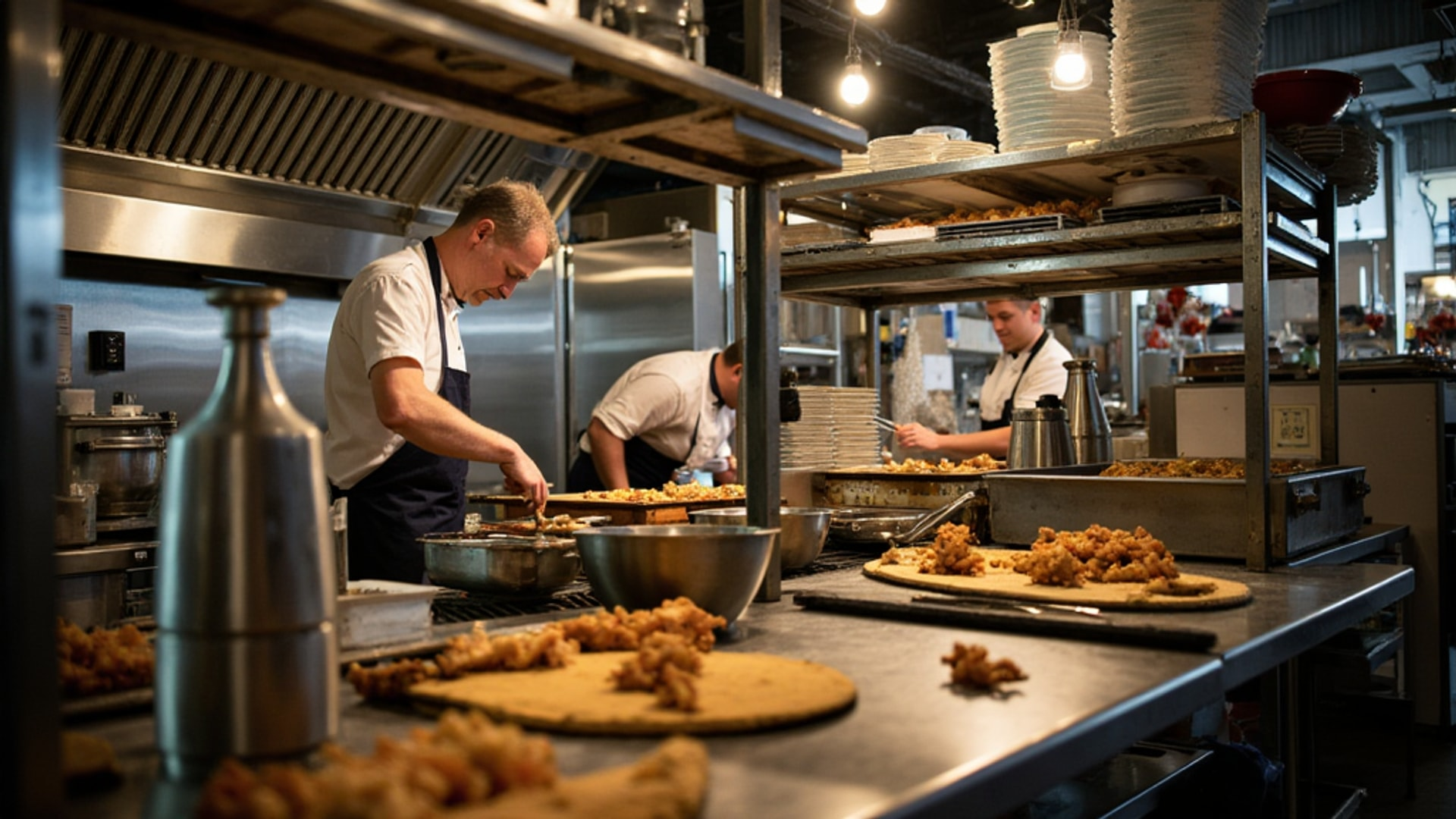
An allergen incident is not a bad review. It is a medical emergency, a potential lawsuit, and a news story. Approximately 32 million Americans have food allergies, and for them, eating at your restaurant is an act of trust. The kitchen systems you build either justify or betray that trust.
Managing allergens in a commercial kitchen requires more than awareness. It requires specific equipment, protocols, communication systems, and trained judgment from every person on the line.
Cross-Contact Is Not Cross-Contamination
Understanding this distinction is the starting point for serious allergen management. According to Toast, cross-contamination involves biological contaminants — bacteria, viruses — while cross-contact occurs when food proteins transfer between items, which can trigger allergic reactions even in trace amounts.
The difference matters operationally because they require different responses. Cross-contamination is addressed by cooking temperature: heat kills bacteria. Cross-contact is not addressed by heat. According to Toast, cooking does not destroy most food allergens. A peanut protein does not break down when heated. A dish cooked to 165°F that was prepared in a pan with residual almond residue can still trigger anaphylaxis in a peanut-allergic guest. The only protection is preventing the protein transfer in the first place.
The Nine Major Allergens
The FDA’s nine major food allergens, as recognized in the FDA Food Code 2022, are:
| Allergen | Common Sources in Restaurant Kitchens |
|---|---|
| Milk | Butter, cream, cheese, béchamel, many marinades |
| Eggs | Sauces, baked goods, pasta, fried batters, mayo |
| Fish | Worcestershire sauce, Caesar dressing, many Asian sauces |
| Shellfish | Stocks, surf-and-turf items, bisques |
| Tree nuts | Pesto, mole, desserts, many pastry preparations |
| Peanuts | Thai sauces, desserts, shared fryer oil |
| Wheat | Flour, breadcrumbs, roux, soy sauce, most batters |
| Soybeans | Soy sauce, edamame, tofu, many Asian preparations |
| Sesame | According to the FDA Food Code 2022, sesame was added as the ninth major allergen. Found in tahini, hummus, many bread products, and some oils |
The addition of sesame is recent and operationally significant. Many kitchens already managed the first eight; sesame requires a fresh audit of your menu and ingredient list. Sesame oil, sesame seeds as garnish, tahini in dressings, and bread products containing sesame all need to be flagged.
Station Setup for Allergen Orders
According to Toast, kitchen protocols for allergen orders should include:
A designated preparation area or station separate from the main line. For high-volume restaurants, this means a dedicated section of the prep table — physically removed from the active line — that is sanitized before every allergen order. For operations with the space and volume to justify it, a separate prep station permanently dedicated to allergy orders is the highest standard.
A reserved set of utensils and cookware for allergen-free preparation, typically color-coded. According to Toast, purple-colored equipment is the industry standard designation for allergen-free meal preparation. The color coding allows any staff member to immediately identify which tools are designated for allergy orders and prevents accidental cross-use.
The purple kit should include at minimum:
- Cutting board
- Chef’s knife
- Sauté pan
- Tongs
- Spatula
- Prep bowls
- Plate or serving vessel
This kit lives separate from line equipment, stored in a clearly labeled location, and is never used for anything except allergen-designated preparations.
Thorough washing with soap and water of all surfaces before preparation — not just sanitizing. According to Toast, simply wiping surfaces is insufficient to remove food proteins. Sanitizing chemicals kill bacteria but do not remove proteins. The surface must be washed with soap and water, then sanitized before beginning an allergen-free preparation.
Separate cooking oil for frying allergen-free items. Shared fryer oil is a significant allergen vector. If a peanut-allergic guest orders fried chicken and the fryer oil has been used for items containing peanuts (or in a kitchen that also fries spring rolls with peanut sauce), the fried chicken will contain peanut protein. Kitchens that fry regularly should either designate a dedicated allergen-free fryer or have a protocol for confirming fryer oil history before cooking an allergen order.
Front-of-House to Kitchen Communication
According to Toast, clear communication systems between front-of-house and kitchen when an allergy order comes in are essential. The communication chain:
- Server identifies allergen at order time and confirms the specific allergen(s) with the guest
- The allergy is flagged on the ticket — physically, using a color-coded sticker, or electronically in the POS/KDS system
- The expo or kitchen manager verbally confirms the allergy when calling the ticket
- The cook designated to prepare the allergy order confirms receipt
- The expeditor performs a final check before the dish leaves the kitchen
The verbal confirmation at each handoff is not redundant. It is the safety net that catches errors before they reach the guest. According to Toast, many operations designate a specific person on each shift as the allergen-order coordinator — a single point of responsibility that reduces the risk of the order being handled by someone unfamiliar with the protocols.
Staff Training Requirements
According to Toast, every kitchen team member must understand:
- The difference between cleaning (removing visible soil) and allergen removal (washing with soap and water)
- Which menu items contain each allergen
- How to handle special requests and modifications
- When to escalate to a manager
The escalation criterion is important. A staff member who is not certain whether a preparation contains an allergen should escalate — every time. Building a culture where “I’m not sure, let me get the manager” is the expected answer (not an admission of incompetence) saves lives.
Training should happen at onboarding and be refreshed whenever the menu changes. A new menu item with a new allergen requires a kitchen-wide communication before it goes on the line.
→ Read more: Dietary Accommodations and Allergen Management: A Complete Restaurant Guide
The Manager’s Role During Service
When an allergy order comes in during peak service, there is pressure to treat it as a normal ticket moving through the system. That pressure is dangerous.
The manager or chef on duty should:
- Be notified of every allergy order, regardless of how busy service is
- Personally verify or oversee the preparation of severe allergy orders (peanut, shellfish, tree nut — the most common anaphylaxis triggers)
- Confirm with the server before the dish is delivered that the allergy has been addressed in the preparation
Some kitchens use a physical “allergy card” that travels with the plate from kitchen to table, signed by the cook who prepared it and the manager who verified it. This creates a clear chain of custody and signals to the guest that their request was taken seriously.
Menu Transparency and Legal Requirements
According to Toast, some jurisdictions now require written allergen disclosure for unpackaged foods. Beyond legal requirements, menu transparency is a guest service standard. Clear allergen labeling on menus, detailed ingredient lists accessible to servers, and a protocol for handling guest allergy inquiries all reduce the risk of an incident.
The FDA Food Code 2022, according to the FDA, requires that consumers be informed in writing of major food allergens in unpackaged food. Keep servers informed and equipped with current allergen information. A server who says “I don’t know what’s in that dish” to an allergen guest is failing at their job. A laminated allergen reference card or digital allergen matrix accessible on every server’s handheld eliminates that failure mode.
The investment in allergen protocols is not modest — it requires equipment, training, and operational discipline. But the alternative — one anaphylaxis incident, one lawsuit, one public incident — costs far more in every dimension that matters.
→ Read more: Food Allergen Disclosure Laws: Liability, Labeling, and Restaurant Responsibilities
→ Read more: Preventing Cross-Contamination: Allergen Control and Kitchen Safety Protocols