· Menu & Food · 10 min read
Dietary Accommodations and Allergen Management: A Complete Restaurant Guide
An estimated 26 million US adults have food allergies, and one in three has reacted to restaurant food. Here is how to build an inclusive menu, prevent cross-contact in your kitchen, and turn dietary accommodations into a competitive advantage.
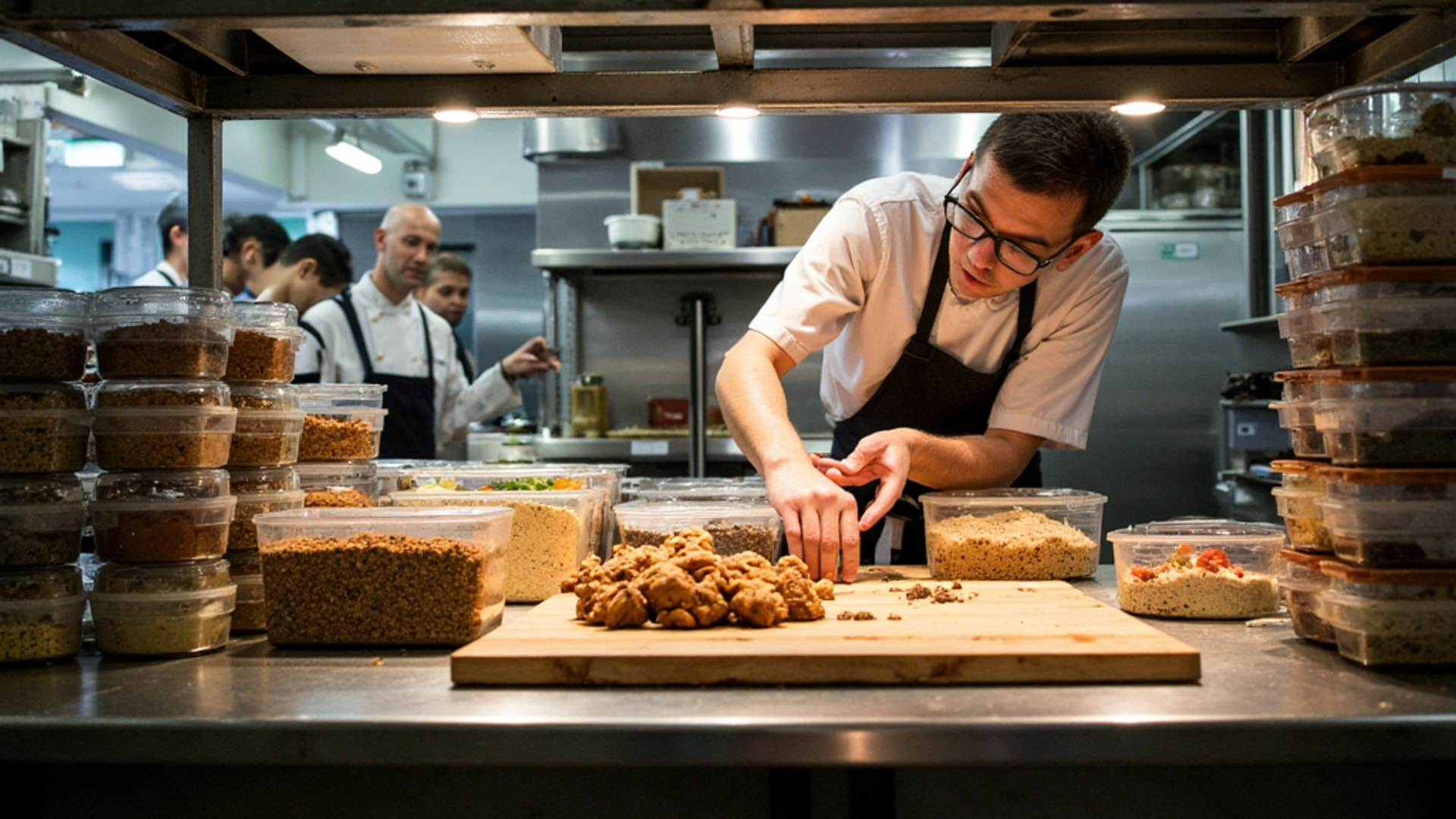
Accommodating dietary restrictions is no longer a niche courtesy. It is a competitive necessity that directly affects your revenue, your reputation, and — in the most serious cases — your guests’ lives.
→ Read more: Allergen Management on Digital Platforms: Technology, Protocols, and Compliance
The scale of the challenge is significant. According to Food Safety Magazine, an estimated 26 million US adults and 6 million children have food allergies. Approximately one in three allergic individuals has experienced a reaction to food prepared in a restaurant. And food allergies are just one piece of the puzzle. When you add in lactose intolerance, celiac disease, vegetarian and vegan diets, religious dietary requirements, and health-driven restrictions like keto and low-sodium, you are looking at a majority of your guests having some form of dietary consideration.
This article covers everything you need to know: the prevalence data that makes this a business priority, the nine major allergens you are legally required to disclose, cross-contact prevention protocols that protect your guests, menu strategies that accommodate without complicating, and the staff training that ties it all together.
How Many Guests Are Affected
The numbers are larger than most operators realize. Here is the breakdown of major dietary restrictions in the US population, based on data compiled by Chef Store and The Restaurant HQ.
| Dietary Restriction | US Prevalence |
|---|---|
| Lactose intolerance (some degree) | ~65% of adults (30-50 million) |
| Hypertension (low-sodium needs) | ~50% of adults |
| Gluten-free (voluntary) | 20-30% of population |
| Diabetes (sugar management) | 11.6% of population |
| Vegetarian | ~5% of population |
| Keto diet | ~5% of population |
| Vegan | ~4% of population |
| Peanut allergies | Part of 6 million nut-allergy sufferers |
| Celiac disease | ~3.1 million Americans |
According to Chef Store, nearly 65% of adults have some degree of lactose intolerance. That does not mean 65% of your guests will ask for dairy-free options, but it does mean a significant percentage of your customers are making menu decisions based on their ability to digest dairy.
The Restaurant HQ draws an important distinction: dietary restrictions involve foods someone cannot consume due to personal beliefs or health concerns, while allergies cause reactions such as hives, anaphylaxis, or loss of consciousness. Allergies require complete avoidance and cross-contact prevention. Restrictions allow ingredient modifications and substitutions.
The Nine Major Allergens
According to Food Safety Magazine, the FDA Food Code (2022 version) requires written disclosure for nine major allergens:
- Peanuts
- Tree nuts (almonds, cashews, walnuts, pecans, etc.)
- Milk
- Eggs
- Fish
- Shellfish (crustaceans and mollusks)
- Sesame
- Soy
- Wheat
Notification can be delivered through physical or electronic menus, signage, labels, or brochures. However, Food Safety Magazine notes that only four states have adopted the 2022 version of the FDA Food Code, covering just 7.65% of the US population. Regulatory requirements vary significantly by jurisdiction, so check your local requirements.
Regardless of what your jurisdiction legally requires, disclosing allergens is smart business. According to Chef Store, menu ingredient confusion can be life-threatening for patrons with severe allergies. Clear labeling protects your guests and protects your business from liability.
Where Allergens Hide
Many allergens lurk in ingredients you might not suspect. Train your team to recognize these common hidden sources:
- Soy: soy sauce, teriyaki, miso, edamame, vegetable oil (often soybean oil), many processed sauces
- Wheat/Gluten: soy sauce (contains wheat), malt, modified food starch, breading, thickeners, beer batters
- Milk: butter, cream, cheese, whey, casein, many baked goods, some processed meats
- Eggs: mayonnaise, many baked goods, some pasta, hollandaise, meringue, egg wash on baked items
- Tree nuts: pesto (pine nuts), marzipan, many Asian sauces, some salad dressings, desserts
- Sesame: tahini, hummus, some bread products, Asian sauces, sesame oil
→ Read more: Food Allergen Kitchen Protocols: Managing the Nine Major Allergens During Service
Cross-Contact Prevention: The Critical Safety Protocol
Cross-contact is the most serious operational challenge in allergen management. According to Food Safety Magazine, cross-contact occurs when allergen proteins transfer inadvertently from one food to another in quantities too small to see but potent enough to trigger life-threatening reactions.
A critical distinction: cross-contact is different from bacterial cross-contamination. According to Food Safety Magazine, cooking eliminates bacteria but does not reduce allergen dangers. You cannot cook allergen proteins out of a dish. If peanut oil splashes into a sauce, that sauce is unsafe for a peanut-allergic guest regardless of how thoroughly you heat it.
Kitchen Design for Allergen Safety
According to Food Safety Magazine, effective prevention starts with facility design:
- Dedicated equipment and preparation areas for allergen-free meals significantly reduce risk
- Shared deep fryers are a particular hazard because oils retain protein from previously fried foods — if you fry breaded items, that oil is unsafe for gluten-free or egg-free preparations
- Shared pasta water, toasters, and condiment containers all present cross-contact risks
- Stainless steel and wood surfaces are easier to decontaminate than textured plastic surfaces
According to the Celiac Disease Foundation, restaurants with the space and resources should designate a separate preparation area for allergen-free items, with dedicated cutting boards, colanders, pots, pans, and utensils that never contact allergen-containing foods.
Cleaning Protocols
According to Food Safety Magazine, cleaning requires full wash-rinse-sanitize cycles with wet cleaning. Dry wiping does not remove allergenic proteins. This is a point many kitchens get wrong — a quick wipe with a dry towel between orders is not sufficient when allergens are involved.
Food Handler Procedures
Food Safety Magazine outlines specific procedures for handling allergen-free orders:
- Assign each allergen-free meal to a single food handler to minimize cross-contact points
- Wash hands with soap and warm water — alcohol-based sanitizers do not remove food proteins
- Change aprons or chef coats if they have been soiled with potential allergens
- If contamination occurs during preparation, remake the entire meal — simply removing the allergen is insufficient
- Cover completed allergen-free meals with clean lids marked with an allergy designation
Emergency Preparedness
According to Food Safety Magazine, epinephrine is required in roughly 28% of allergic reactions in restaurants, with 6.2% requiring a second dose. Your team needs to know:
- Where epinephrine auto-injectors are stored (if your establishment keeps them)
- Who is designated to call 911
- What information to provide to emergency responders
- How to keep the guest calm and monitor symptoms while waiting for help
Menu Strategies for Dietary Accommodations
You do not need a separate menu for every dietary restriction. According to The Restaurant HQ, three strategic approaches cover most needs efficiently.
Strategy 1: Build in Easy Swaps
The simplest approach is designing your menu so common substitutions are readily available:
- Gluten-free pasta available for any pasta dish
- Plant-based burger patties as an alternative protein
- Dairy-free milk options (oat, almond, coconut) for beverages and dishes
- Cauliflower rice or zucchini noodles for keto and low-carb guests
- Gluten-free bread or wraps for sandwiches
According to The Restaurant HQ, this approach repurposes existing ingredients rather than creating entirely new products, keeping operational complexity manageable.
Strategy 2: Offer Specifically Targeted Dishes
Design certain dishes specifically to accommodate major dietary categories. According to Chef Store, featuring dietary-friendly options prominently on your menu — rather than hiding them in fine print — signals that your restaurant takes these needs seriously.
Examples:
- A naturally gluten-free grain bowl (quinoa or rice base)
- A vegan entree that stands on its own merit, not as an afterthought
- A dairy-free dessert option
- Low-sodium preparations for health-conscious guests
Strategy 3: Clear, Consistent Labeling
According to the Celiac Disease Foundation, gluten-free dishes should be explicitly marked with a recognizable symbol or notation that is consistent throughout the menu. This applies to all allergen categories.
Effective labeling approaches:
- Use standardized symbols — a consistent icon for each major allergen throughout your menu
- Indicate whether an item is naturally free of an allergen or has been modified — guests with severe allergies need to know
- Note cross-contact risks honestly — “prepared in a kitchen that also processes tree nuts” is more trustworthy than false assurances
- Keep symbols in a legend at the bottom of each menu page for easy reference
The Gluten-Free Opportunity
According to the Celiac Disease Foundation, creating a gluten-free menu is no longer a niche accommodation. With approximately 3.1 million Americans having celiac disease and 20-30% of the broader population voluntarily avoiding gluten (according to The Restaurant HQ), the market is substantial.
→ Read more: Vegetarian and Vegan Menu Development: Building Plant-Forward Menus That Sell
The Celiac Disease Foundation recommends evaluating your existing menu to identify items that are naturally gluten-free or easily adapted. Many protein-based dishes, rice dishes, salads, and vegetable preparations are inherently gluten-free or require only minor modifications.
For items that traditionally contain gluten — pizza, pasta, bread, batter-fried foods — gluten-free alternatives using rice flour, almond flour, or other gluten-free starches can be developed. The Gluten-Free Food Program (GFFP) offers voluntary certification for food service establishments, which can serve as a marketing differentiator that builds trust with celiac customers.
Staff Training: Your First Line of Defense
Every team member who touches food or interacts with guests needs allergen training. This is not optional.
What Every Team Member Must Know
According to Food Safety Magazine, training should cover:
- What the nine major allergens are and where they hide in common ingredients
- The difference between cross-contact and cross-contamination — and why cooking does not eliminate allergen risk
- Reading ingredient labels for hidden sources like malt, modified food starch, and soy sauce
- Proper cleaning procedures between regular and allergen-free preparation
- Confident communication with customers about the restaurant’s capabilities and limitations
Server Training Specifics
According to Food Safety Magazine, servers should ask about allergies when taking orders. This simple practice can prevent emergencies. Train servers to:
- Ask every table about allergies and dietary restrictions as a standard part of the ordering process
- Know the menu well enough to suggest safe alternatives without consulting the kitchen for every question
- Communicate orders with allergen notes clearly to the kitchen using a standardized system
- Never guess or assume — if they are not sure whether a dish contains an allergen, they must check
Ongoing Training Schedule
Allergen training is not a one-time event. The ServSafe Allergens certification program provides a standardized training framework. Implement:
- Initial training for all new hires before they begin work
- Quarterly refreshers covering protocols and any menu changes
- Immediate training whenever new menu items are introduced
- Documentation of all training sessions for liability protection
Honest Communication Builds Trust
According to the Celiac Disease Foundation, restaurants should be transparent about their capabilities. If your kitchen cannot guarantee complete elimination of cross-contact due to shared equipment or preparation spaces, communicate this clearly.
This honesty actually builds trust. A restaurant that says “our kitchen processes wheat products on shared equipment, so we cannot guarantee zero cross-contact for celiac guests” is more credible and respected than one that claims to be allergen-free when risks exist.
Practical transparency measures:
- Menu disclaimers noting shared kitchen environment
- Specific cross-contact warnings for high-risk items (anything fried in shared oil, for example)
- Server scripts for communicating limitations confidently and without apology
- Clear documentation of what your kitchen can and cannot safely accommodate
Your Allergen Management Checklist
- Nine major allergens identified across all menu items
- Allergen symbols or labels on all menus (physical and digital)
- Dedicated preparation area for allergen-free orders (or documented protocols for shared spaces)
- Dedicated fryer for allergen-free items (or clear policy against frying allergen-free orders)
- Wet-cleaning protocols with wash-rinse-sanitize cycles between allergen orders
- Easy swaps available (gluten-free pasta, dairy-free milk, plant-based proteins)
- Staff trained on allergen identification, cross-contact prevention, and emergency response
- Servers trained to ask about allergies at every table
- Emergency response plan documented and accessible
- Honest menu disclaimers about shared kitchen environment
- Training records maintained for all team members
- Quarterly refresher training scheduled
The Bottom Line
Dietary accommodations are not just about avoiding lawsuits or following regulations — though both matter. They represent a genuine business opportunity. When a guest with celiac disease finds a restaurant that truly understands their needs, they become a loyal customer for life. When a family with a nut-allergic child discovers a restaurant where they can eat without fear, they tell every other allergy family they know.
The investment in proper allergen management is modest compared to the risk of getting it wrong. According to Food Safety Magazine, epinephrine is required in roughly 28% of allergic reactions in restaurants. That is a statistic no operator wants to be part of.
Start with training. Move to labeling. Build your substitution options. And above all, be honest about what your kitchen can and cannot safely deliver. Your guests will thank you with their loyalty.
→ Read more: Calorie Labeling Requirements: FDA Rules and Menu Compliance → Read more: Allergen Management Protocol: The System That Keeps Guests Safe