· Legal & Compliance · 9 min read
Restaurant Workplace Safety: OSHA Compliance, Harassment Prevention, and Hazard Management
The service industry has the highest injury rate among workers ages 16-19, and research shows 90% of women in restaurants experience harassment. This guide covers OSHA compliance, the most common violations, harassment prevention programs, and the safety systems that protect your team and your business.
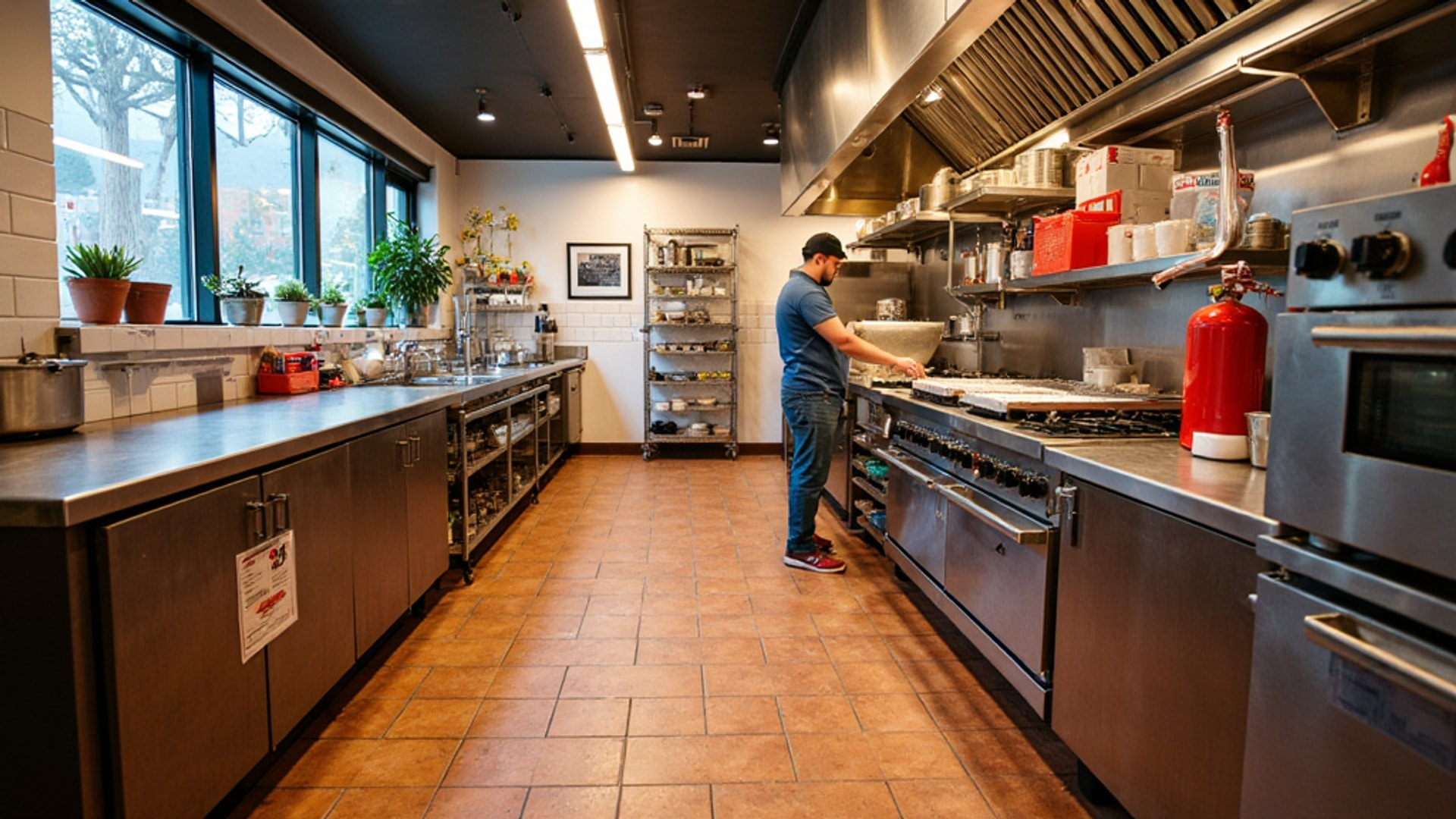
Restaurant kitchens are inherently hazardous workplaces. Open flames, boiling oil, sharp knives, wet floors, heavy equipment, and 100-degree heat are daily working conditions. Add the interpersonal dynamics of customer-facing roles, alcohol service, and high-pressure shifts, and you have an environment that demands proactive safety management.
According to WebstaurantStore’s OSHA compliance guide, the service industry has the highest injury rate among workers ages 16-19. According to Traliant’s harassment prevention research, as many as 90% of women and 70% of men working in restaurants experience some form of sexual harassment.
These are not abstract statistics. They represent real injuries, real lawsuits, real workers’ comp claims, and real people who leave the industry because the workplace was not safe. This guide covers OSHA compliance, the most common safety violations in restaurants, harassment prevention requirements, and the practical systems that keep your team protected.
OSHA Compliance: The Basics
According to WebstaurantStore, OSHA regulations apply fully to restaurants and carry the same penalties and enforcement mechanisms as any other workplace. Thinking of OSHA as a manufacturing and warehouse concern is a mistake that costs operators citations, fines, and — more importantly — injuries.
Your Core Obligations
According to WebstaurantStore, restaurant employers must:
- Maintain injury and illness logs using OSHA 300 forms
- Display OSHA workplace safety posters in visible locations
- Report severe injuries (fatalities, hospitalizations, amputations, or loss of an eye) within 24 hours regardless of restaurant size
- Implement injury prevention programs
- Provide ongoing safety training
- Conduct hazard assessments to determine PPE requirements
What Happens During an OSHA Inspection
According to WebstaurantStore, OSHA inspectors evaluate equipment condition, ventilation systems, workspace layout, and documented safety protocols. Your responsibilities during an inspection:
- Designate a knowledgeable point of contact to accompany the inspector
- Cooperate fully with the inspection process
- Document all findings for corrective action planning
- Address identified violations promptly — this can reduce or eliminate penalties
OSHA inspections can be triggered by complaints, reported injuries, or random selection. You will not get advance notice.
The Most Common OSHA Violations in Restaurants
According to WebstaurantStore, these are the areas that generate the most citations in food-service establishments:
Slips, Trips, and Falls
The most frequently cited category. Commercial kitchens mean wet floors, grease, and tight spaces — a perfect recipe for falls.
Prevention requirements:
- Clean, dry floors with clear walkways at all times
- Immediate cleanup of spills — not “get to it when service slows down”
- Slip-resistant floor mats at key stations and transitions
- Slip-resistant footwear for all staff (this should be a uniform requirement, not a suggestion)
- Adequate lighting in all areas, including storage and walk-in coolers
Hazard Communication (HazCom)
According to WebstaurantStore, violations occur when chemicals (sanitizers, degreasers, cleaning agents) lack proper labeling or when safety data sheets are not maintained or accessible.
What you must do:
- Label every chemical container with its contents and hazards
- Maintain safety data sheets (SDS) for every chemical on premises
- Keep SDS accessible to all employees at all times
- Train every employee on proper handling procedures for chemicals they may encounter
- Never transfer chemicals to unlabeled containers
Fire Safety
According to WebstaurantStore, common violations include failure to maintain fire extinguishers, obstructed exits, and improper storage of flammable liquids.
Requirements for restaurant kitchens:
- Class K fire extinguishers — The approved type for commercial kitchen environments involving cooking oils and fats
- All exits unobstructed and clearly marked
- Flammable liquids stored properly and away from heat sources
- Employees trained on fire safety protocols and evacuation procedures
- Suppression system (hood system) maintained and inspected on schedule
- Fire extinguisher inspections documented monthly
Electrical Safety
According to WebstaurantStore, electrical hazards carry elevated risk in restaurant environments because of the presence of water in kitchens.
- Regular equipment inspection and maintenance
- Immediate replacement of damaged cords
- No overloaded outlets or improper extension cord use
- GFCI outlets near water sources
- Electrical panels accessible and unobstructed
Heat Stress
According to WebstaurantStore, commercial kitchens routinely exceed comfortable temperature levels, creating genuine health risks.
- Provide access to cool water throughout shifts
- Train staff to recognize symptoms of heat exhaustion and heat stroke
- Implement mandatory break schedules during extreme heat
- Ensure adequate ventilation and hood systems function properly
→ Read more: Kitchen Safety Training: Burns, Cuts, Ergonomics, and Emergency Response
PPE Requirements
According to WebstaurantStore, PPE requirements are determined through workplace hazard assessments. Standard restaurant PPE includes:
| Equipment | When Required | Who Needs It |
|---|---|---|
| Cut-resistant gloves | Food preparation with knives and slicers | All kitchen staff |
| Heat-resistant gloves | Oven, grill, and fryer work | Line cooks, bakers |
| Slip-resistant footwear | All kitchen and service areas | All staff |
| Protective aprons | Working with hot liquids, chemicals | Kitchen staff, dishwashers |
| Safety glasses | Operating certain equipment | As identified by hazard assessment |
Lifting and Carrying
According to WebstaurantStore, injuries from handling heavy supply deliveries or moving equipment are common.
- Train all staff on proper lifting techniques (bend at the knees, keep loads close, do not twist)
- Provide mechanical aids like hand trucks and dollies for heavy items
- Require team lifting for items above individual weight limits
- Store heavy items at waist height, not on high shelves
Sexual Harassment Prevention
Physical safety is only half the equation. Harassment is the industry’s other safety crisis.
The Scale of the Problem
According to Traliant, the restaurant industry’s unique characteristics create conditions that demand proactive prevention:
- Customer-facing roles where staff must be “nice” to everyone
- Alcohol service that lowers inhibitions
- Tipping dynamics that create power imbalances between guests and servers
- High-turnover environments where reporting feels futile
- Close physical quarters in kitchens and service areas
- Late-night shifts with reduced supervision
Legal Requirements
According to Traliant, while no federal law mandates harassment prevention training, many states and cities have enacted their own requirements:
| Jurisdiction | Key Requirement |
|---|---|
| California (AB 1825) | All businesses with 5+ employees must train supervisory and non-supervisory staff |
| New York | All employers, all employees |
| Illinois | All employers |
| Washington (SB 5258) | Specifically targets hospitality industry |
| Chicago | Separate requirements for supervisors and general employees |
| Connecticut, Delaware, Maine | Various state-specific mandates |
Research and comply with every jurisdiction where you operate. Ignorance is not a defense.
→ Read more: Preventing Harassment and Discrimination in Restaurants: Legal Requirements and Best Practices
Building an Effective Program
According to Traliant, effective harassment prevention training:
Separates supervisor and employee training. Supervisors have legal obligations that non-supervisory staff do not. They need additional training on recognizing complaints, response procedures, and documentation.
Uses restaurant-specific scenarios. Generic office harassment training does not resonate with kitchen and service staff. Use examples from actual restaurant situations — a guest making inappropriate comments to a server, a line cook making sexual jokes during service, a manager offering better shifts in exchange for personal favors.
Covers core topics including:
- Forms of sexual harassment and discrimination
- Hostile work environment identification
- Quid pro quo harassment
- Bystander intervention strategies
- Retaliation recognition and prevention
- Complaint reporting and investigation procedures
Is delivered during onboarding. According to Traliant, make training part of the standard onboarding process so every new hire receives it within their first week.
Is offered in multiple languages. At minimum, English and Spanish. Ensure comprehension across your entire workforce.
The Written Policy
According to Traliant, a written sexual harassment policy must be provided to all employees within the first week of employment. The policy must include:
- Clear definitions of what constitutes sexual harassment
- Multiple reporting channels (not just “tell your manager” — what if your manager is the problem?)
- Non-retaliation assurance
- Investigation process overview
- Disciplinary consequences
- Contact information for the EEOC and state equivalents
Document training completion for every employee and maintain records for compliance audits. Update training content annually to reflect current laws and guidance.
The Employee Handbook: Your Safety Foundation
According to Operandio’s handbook guide, the employee handbook codifies safety expectations across the entire organization. For safety purposes, it must include:
Food Safety Standards
- Storage and labeling requirements
- Sanitation and cleaning schedules
- Equipment handling procedures
- Temperature monitoring protocols
Injury Reporting
- How to report a workplace injury
- Who to notify and when
- Workers’ compensation procedures
- Return-to-work protocols
Emergency Procedures
- Fire evacuation routes and assembly points
- Medical emergency response
- Severe weather protocols
- Active threat procedures
Anti-Discrimination and Harassment Policies
- Full harassment prevention policy (as described above)
- Confidential reporting procedures
- Investigation process
- Anti-retaliation protections
Progressive Discipline
- Verbal warning
- Written warning
- Suspension
- Termination
Clear, documented discipline procedures protect both employees (who know the rules) and the business (which can demonstrate fair and consistent enforcement).
Young Worker Protections
According to WebstaurantStore, OSHA provides specific additional protections for workers under 18. Given that the service industry has the highest injury rate among workers ages 16-19, compliance with these provisions is particularly important. The FDA’s food safety guidance underscores that training young workers on safe food handling and equipment operation is both a regulatory obligation and a direct risk-reduction measure for operators.
What Workers Under 18 Cannot Do
- Operate meat slicers, dough mixers, and other specified hazardous equipment
- Work with certain power-driven machinery
- Handle dangerous chemicals without supervision
Hours Restrictions (Ages 14-15)
- Maximum 3 hours on school days
- Maximum 18 hours during school weeks
- Maximum 8 hours on non-school days
- No work before 7 AM or after 7 PM during the school year
Document these restrictions and enforce them. A minor injury on prohibited equipment creates both a workers’ comp claim and a child labor violation.
→ Read more: Child Labor Laws in Restaurants: Age Restrictions, Hours, and Compliance
Building a Safety Culture
Compliance is the floor. A genuine safety culture goes beyond checking boxes:
Daily Practices
- Pre-shift safety checks — Walk the kitchen and floor before service. Check for wet floors, equipment issues, blocked exits, and chemical storage problems.
- Incident reporting — Make reporting injuries and near-misses easy and non-punitive. Every near-miss is a prevented injury.
- Equipment maintenance — Broken equipment is dangerous equipment. Fix it or take it out of service immediately.
Weekly Practices
- Safety topic rotation — Include a 60-second safety topic in pre-shift meetings. Rotate through fire safety, knife safety, lifting technique, heat stress, chemical handling, and harassment prevention.
- Self-inspections — Walk the operation with a checklist at random times. Catching problems before an inspector does is always cheaper.
Monthly and Quarterly
- OSHA 300 log review — Track injury trends. If burns are increasing, your heat safety protocols need work.
- Equipment inspections — Document condition of fire extinguishers, hood systems, electrical equipment, and safety equipment.
- Training refreshers — Quarterly reviews keep safety knowledge current, especially with the turnover rates restaurants experience.
Safety Compliance Checklist
- OSHA 300 injury log maintained and current
- OSHA safety poster displayed in visible location
- All chemicals labeled with SDS accessible to all employees
- Class K fire extinguisher in kitchen, inspected monthly
- All exits unobstructed and clearly marked
- Slip-resistant footwear required for all staff
- PPE provided based on hazard assessment
- Severe injury reporting procedure in place (24-hour requirement)
- Written harassment prevention policy distributed to all employees
- Harassment training completed where required by state/local law
- Employee handbook includes safety, emergency, and discipline sections
- Young worker restrictions documented and enforced
- Lifting technique training provided to all staff
- Heat stress prevention measures in place for kitchen
- Fire safety training completed for all employees
The Bottom Line
Workplace safety is not a compliance burden — it is an investment that pays returns in reduced injuries, lower workers’ comp premiums, avoided lawsuits, better retention, and a team that actually trusts you to protect them.
OSHA compliance is the minimum. Harassment prevention is the minimum. Build beyond the minimum by creating a culture where safety is a daily practice, not an annual training event. When your team sees that you take their physical and psychological safety seriously, they work harder, stay longer, and deliver better service.
The math is simple: preventing injuries is always cheaper than paying for them.
Note: OSHA requirements and state harassment prevention mandates vary by jurisdiction. Consult OSHA resources and legal counsel for requirements specific to your location.