· Menu & Food · 5 min read
Tasting Menu Strategy: How Prix Fixe Formats Cut Costs and Elevate Experience
Why tasting and prix fixe menus have become a strategic tool across restaurant segments — not just at fine dining establishments.
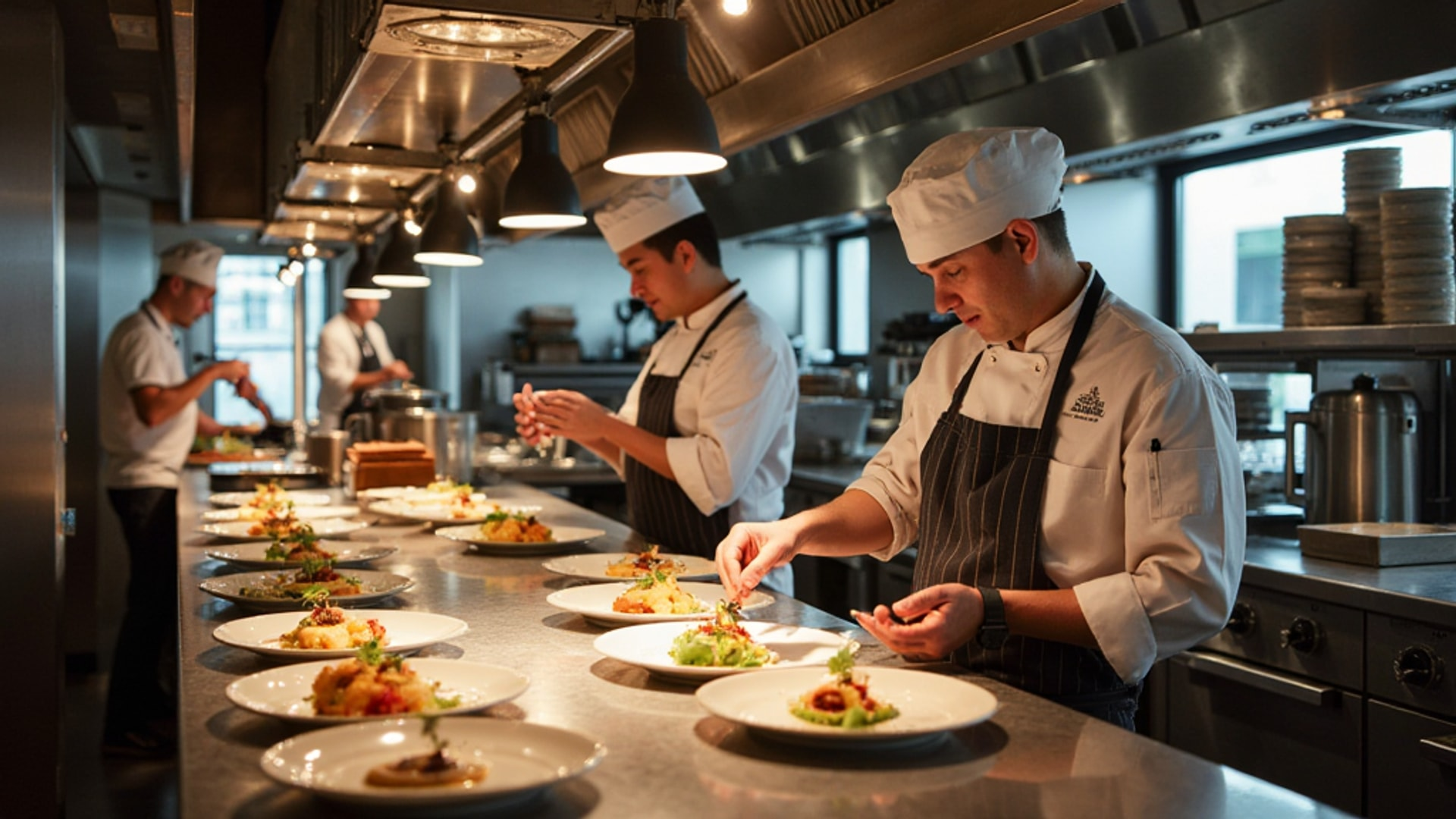
Tasting menus and prix fixe formats were once the exclusive territory of fine dining. A fixed set of courses at a set price — the customer surrenders choice, the chef takes control, and everyone sits through a multi-hour progression. That image has shifted dramatically. According to Restaurant Business Online, prix fixe formats have proliferated post-pandemic across concept types as operators discovered the format’s operational and financial advantages.
The economics are genuinely compelling. Restaurant Business Online documents one operator who reported food costs dropping from 26% to 12% after switching to a prix fixe format. That is not a rounding error — it is a structural transformation of the business model. See Menu Profit Margin Optimization for the full picture of how format choices drive margin.
Why the Format Works Financially
Purchasing Precision
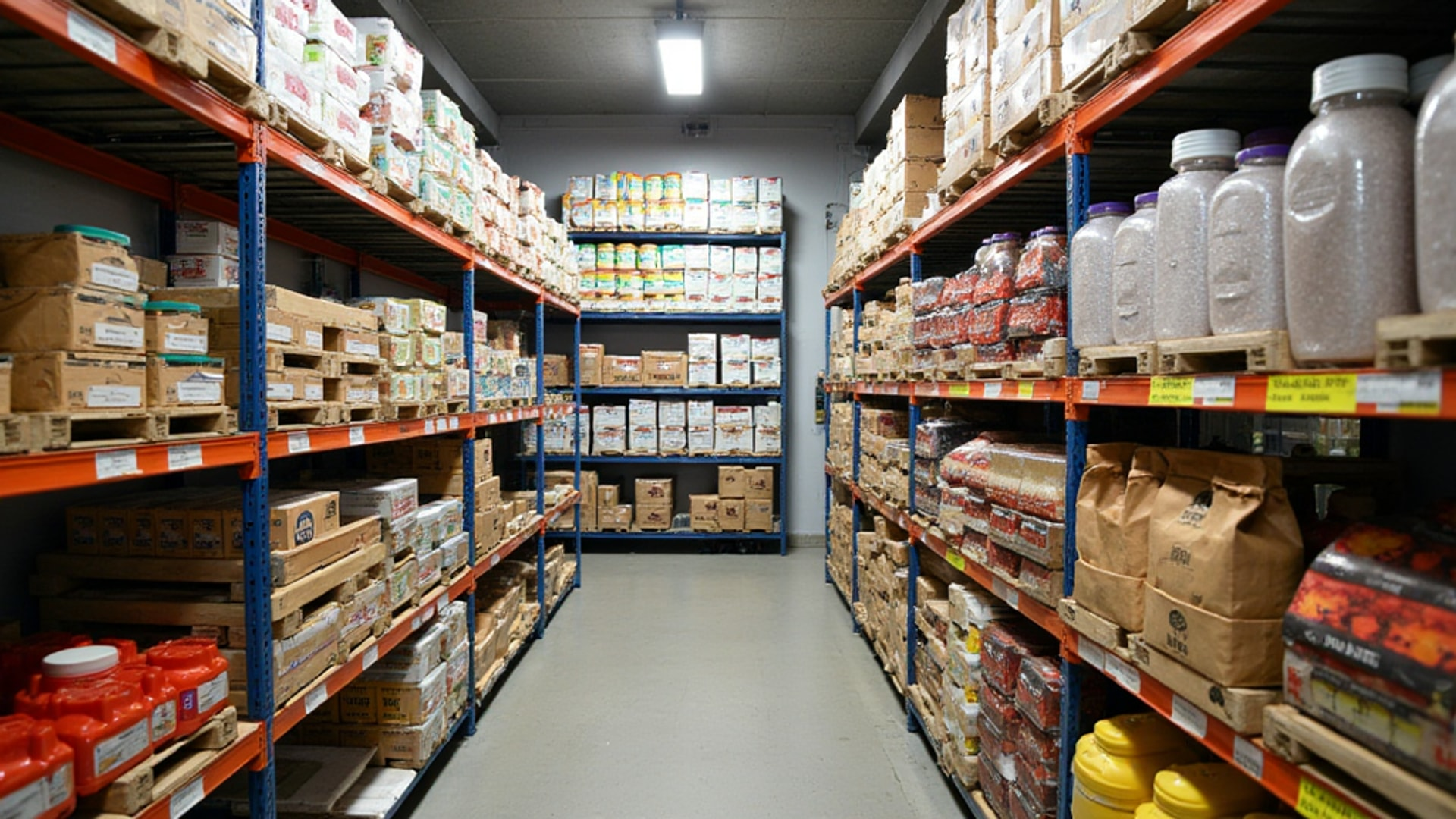
When you know exactly what you are cooking, you know exactly what to buy. A standard à la carte menu requires holding inventory for every permutation of customer choice. A prix fixe menu requires inventory for one specific set of preparations. The format saves time and labor while virtually eliminating food waste.
The math is straightforward: if 50 covers are booked for a 4-course prix fixe, you need 50 portions of each course ingredient. There is no buffer stock for items that might or might not be ordered.
Waste Elimination
Food waste drops to near zero with a well-managed prix fixe program. Every ingredient purchased has a specific home in the menu. There are no slow-moving items sitting in the walk-in because customers are choosing other options.
Labor Simplification
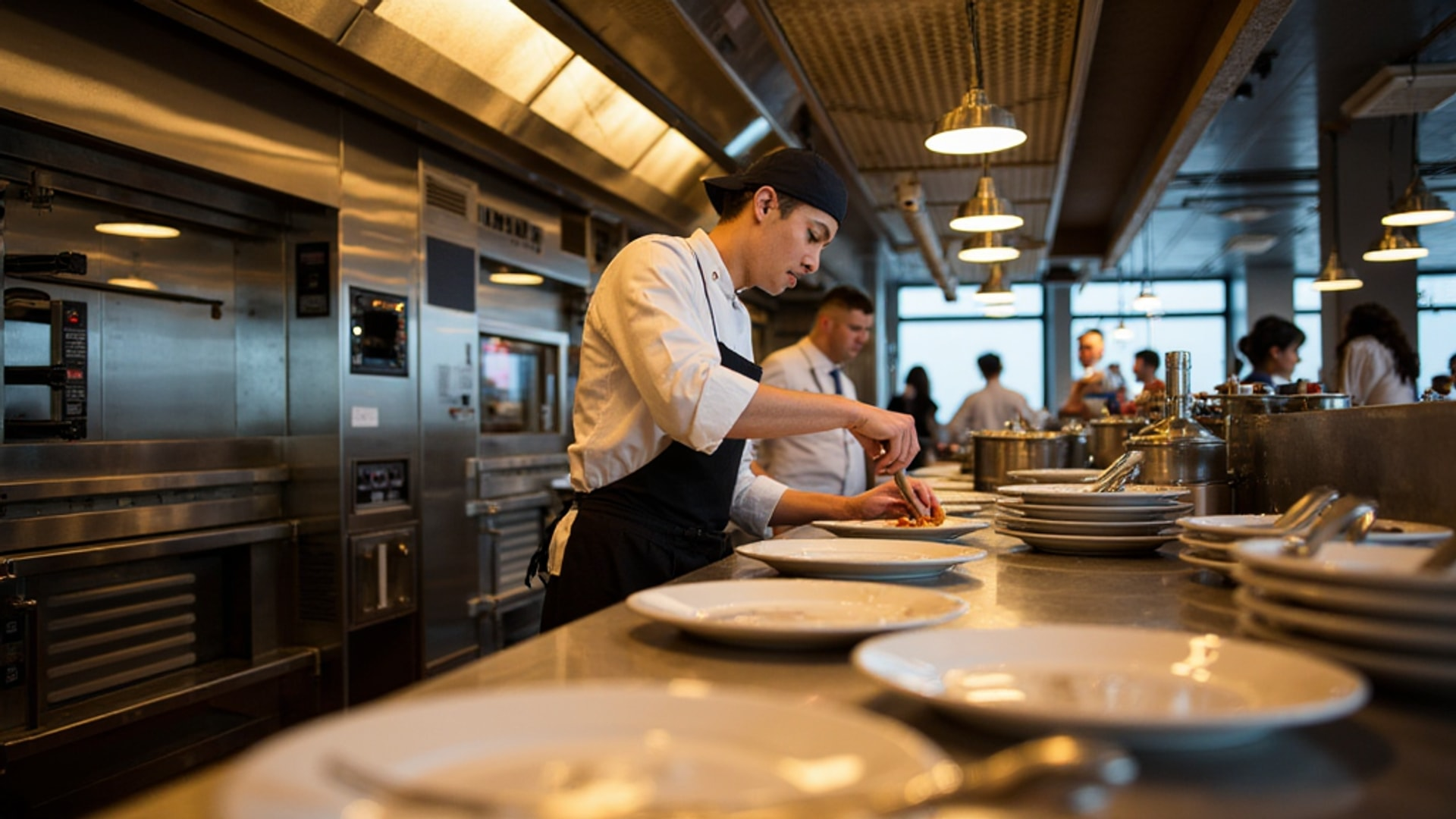
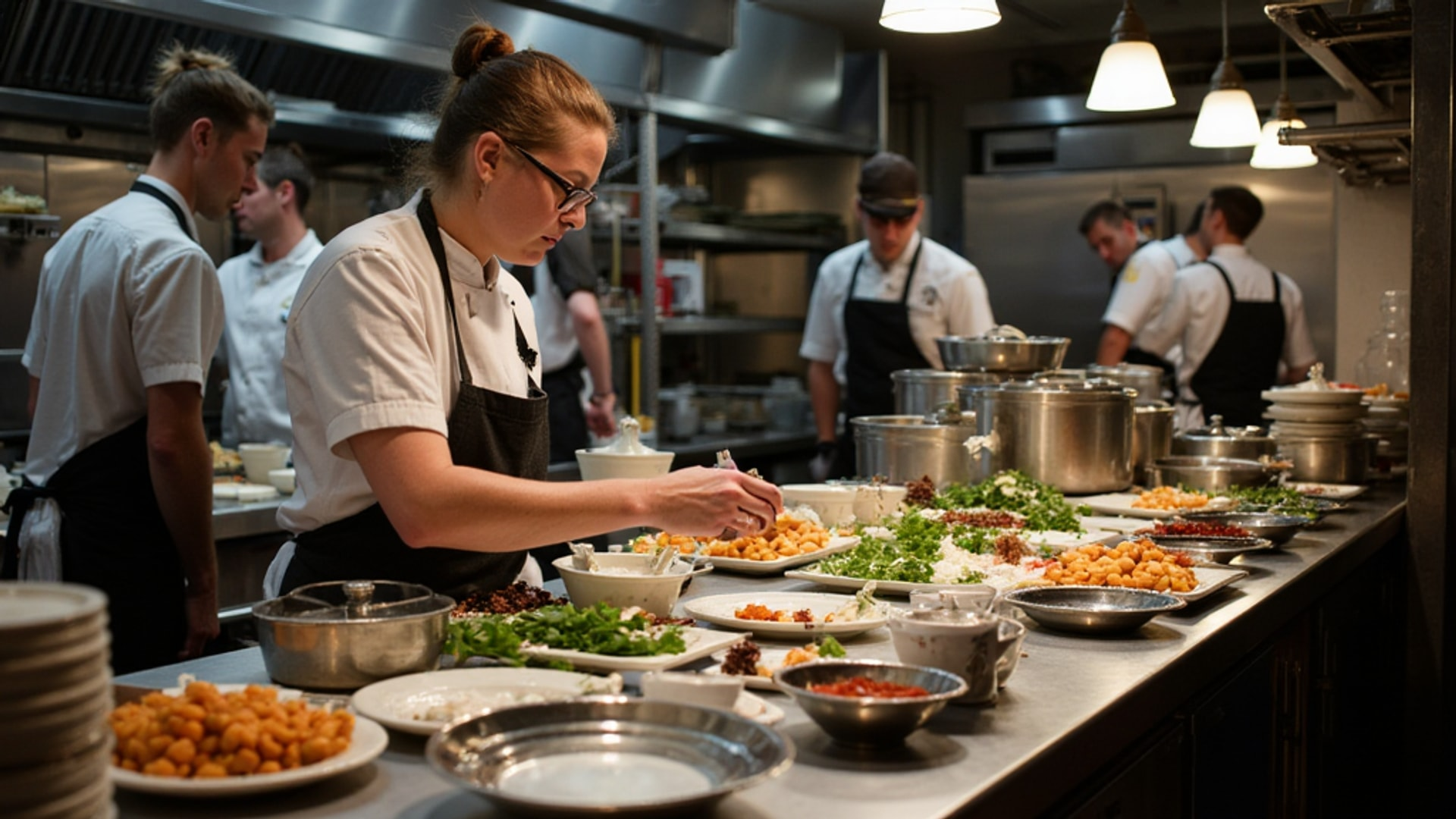
Prep lists shorten when the menu is fixed. Station assignments simplify. Ticket times become predictable. These labor efficiency gains are particularly valuable in a tight labor market — less experienced cooks can execute at a higher level when perfecting a small number of dishes rather than managing a sprawling à la carte repertoire.
The Beverage Pairing Multiplier
Prix fixe formats create natural opportunities for beverage pairing programs that significantly increase per-guest revenue. A 4-course dinner at $75 per person with an optional $45 wine pairing produces $120 in ticket revenue before any supplemental charges. The James Beard Foundation has long championed the tasting menu format as a vehicle for culinary storytelling. Beverage pairing programs specific to tasting menus can significantly increase per-guest revenue beyond what is captured in à la carte ordering.
Format Options
Three-Course Prix Fixe
The most common format and the most accessible entry point. Typical prix fixe menus include 2 to 10 courses, with three courses being most common. A three-course format — starter, main, dessert — is familiar enough that any dining demographic is comfortable with the structure.
When it works best: Special occasions, weekend dinner service, holiday programming
Five to Seven Course Tasting Menu
More ambitious, more profitable per seat, and more demanding operationally. This format creates the narrative dining experience that justifies premium pricing. Each course is designed to complement what came before and set up what comes after.
When it works best: Destination dining, special event series, chef’s table formats
Chef’s Market Menu
A shorter format (3 to 4 courses) built around what the chef found at market that week. Changes frequently, drives repeat visits from regulars, and creates authentic local sourcing stories. Lower cost because ingredients are purchased opportunistically at peak-season pricing.
Add-On Module Within À La Carte Menu
A hybrid approach that offers a prix fixe option alongside a standard à la carte menu. Guests who want the curated experience choose the prix fixe; those who want individual dishes choose à la carte. This lowers the commitment threshold for guests while still capturing the operational benefits from those who select the fixed format.
Pricing Strategy
Pricing strategy for prix fixe should focus on total perceived value rather than summing up the à la carte equivalents of each course. The experience, curation, and exclusivity of the format justify pricing that exceeds the simple addition of individual dish costs.
Practical pricing guidance:
| Format | Typical Price Range | Key Justification |
|---|---|---|
| 3-course prix fixe | $55–$85 per person | Occasion dining premium |
| 5-course tasting | $95–$150 per person | Experience and exclusivity |
| 7-course chef’s tasting | $150–$250+ per person | Destination dining premium |
| Add wine pairing | $35–$75 additional | Beverage narrative and margin |
The price should reflect what the experience delivers, not just what the ingredients cost. A beautifully designed tasting menu with exceptional service in a well-designed space commands a premium because the sum of the experience exceeds its component parts.
Seasonal Rotation
Seasonal rotation is essential to the format’s long-term success. Changing the prix fixe menu quarterly or monthly:
- Keeps the experience fresh for repeat customers
- Allows the kitchen to use peak-season ingredients at lowest cost
- Creates natural marketing moments around each new menu launch
- Prevents creative stagnation for kitchen staff
A practical rotation model: core structure stays consistent (3 courses, same format), but all dishes change with the seasons. This allows servers and kitchen to maintain procedural familiarity while delivering genuine novelty to returning guests.
Implementation Checklist
Before launching a prix fixe format:
- Define the format (number of courses, frequency of rotation, beverage pairing availability)
- Set the price point based on concept, market position, and target margin
- Develop 3 to 4 complete menus before launch (so seasonal rotation is ready)
- Calculate food cost for each menu at projected cover count
- Train kitchen on execution sequence and timing between courses
- Train front-of-house on describing the format to guests and handling questions
- Set up reservation system to track covers and dietary restrictions
- Create a communication system for kitchen to pace courses to the dining room
The format is not for every concept. Casual spots with fast table turns and high volume may find it limits throughput. But for restaurants seeking to improve margins, reduce waste, and create more distinctive experiences, the tasting menu is one of the highest-leverage format changes available.
→ Read more: Fine Dining Menu Strategy: Curating Excellence at Premium Price Points → Read more: Wine List Strategy: Building a Beverage Program That Sells → Read more: Menu Bundling and Combo Meals: Increasing Check Size With Strategic Packaging