· Design & Ambiance · 10 min read
Bar Design, Waiting Areas, and Guest Flow: Turning Dead Time into Revenue
The journey from entrance to table defines a guest's emotional state before a single dish arrives. This guide covers bar-waiting area integration that converts wait time into revenue, entrance design principles, host stand placement, lobby strategy, and why restroom design matters more than you think.
The meal does not start when the first plate hits the table. It starts when the guest walks through the door. And for many restaurants, it starts even earlier — when the guest arrives and discovers there is a 20-minute wait.
That wait is either a frustration that colors the entire experience, or it is a chance to put a cocktail in their hand, set the mood, and start generating revenue before they see a menu. The difference comes down to how you design the space between your front door and your dining room.
According to Restaurant Development + Design, the waiting area has evolved from a functional necessity into a strategic element of the restaurant experience. A well-designed lobby manages guest expectations, reduces perceived wait times, generates additional revenue through bar integration, and sets the emotional tone before guests reach their table.
This guide covers the integrated system of entrance, waiting area, bar, and supporting spaces that shapes the first chapter of every guest experience.
The Entrance: Three Functions in 50 Square Feet
According to Dunne Kozlowski’s entrance design research, guests form a powerful first impression within the first 30 seconds of entering. Your entrance is where the brand’s digital promise must match the physical reality.
Function 1: The Brand Moment
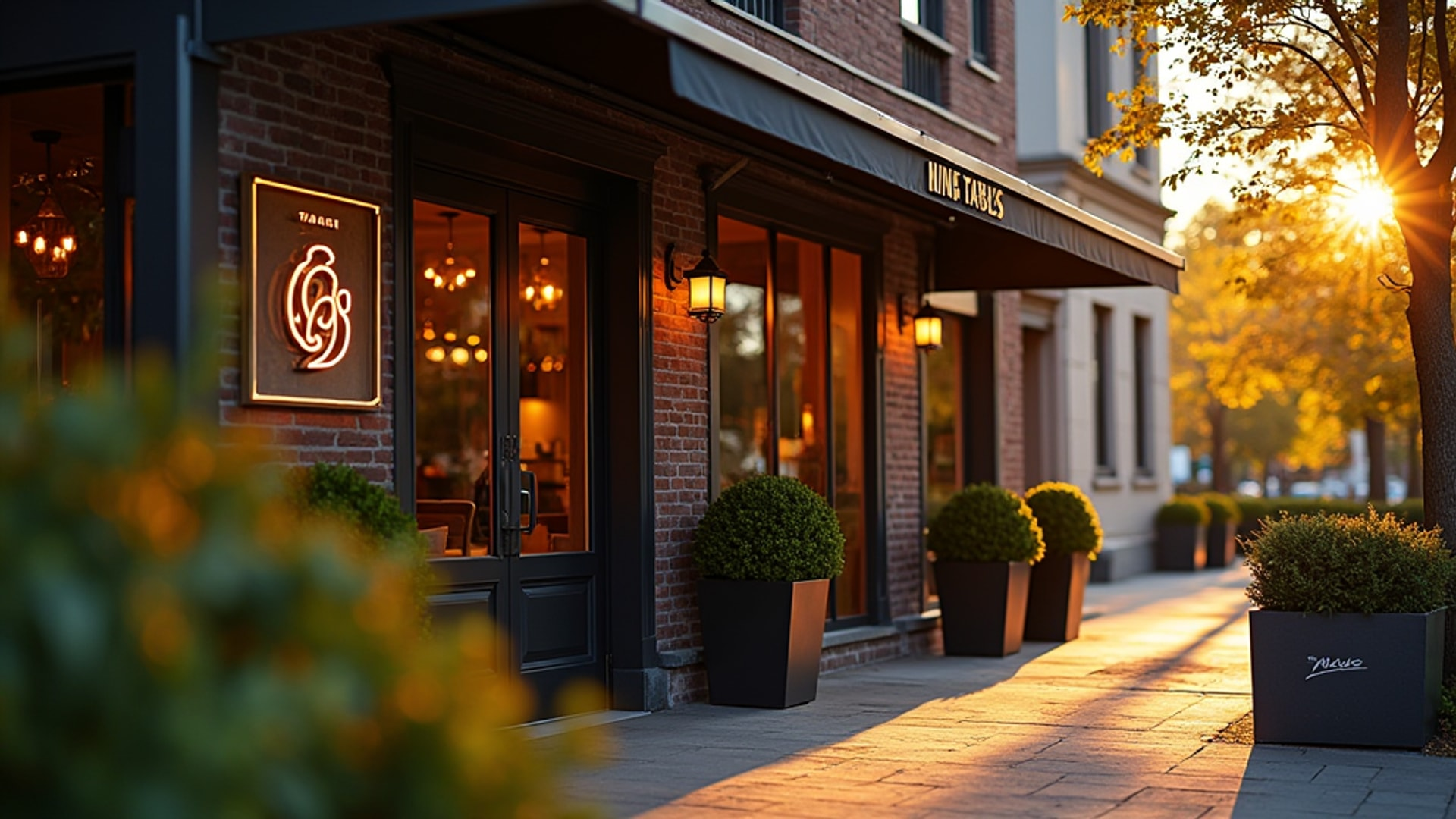
Design elements should communicate quality, concept, and tone without revealing everything at once. According to Dunne Kozlowski, the entrance builds anticipation for the experience ahead. A fine dining entrance should whisper quality. A high-energy bar-restaurant should hit you with the energy immediately. Your entrance and curb appeal set the tone before guests step inside.
Function 2: Intuitive Flow
According to Dunne Kozlowski, from the moment guests step inside, it should be immediately obvious where to stand and where to go. This is achieved through layout and sightlines, not directional signage. If you need a “Please Wait to Be Seated” sign, your entrance design has failed.
Function 3: Staff Connection
According to Dunne Kozlowski, clear sightlines between the entry and host stand enable prompt, warm greetings that make hospitality natural rather than forced. The host should see every arriving guest the moment they cross the threshold.
Spatial Requirements
According to Dunne Kozlowski, approximately 50 square feet between exterior and interior doors provides adequate transition space. Cramped entries increase guest anxiety and slow staff performance during peak periods. The entry must prevent bottlenecks where arriving, departing, and waiting guests collide.
Consider vestibules or airlocks to protect the dining room from temperature swings. Adequate exterior lighting ensures safety and makes a welcoming first impression.
The Host Stand: Command Center of Guest Flow
According to Dunne Kozlowski, in full-service restaurants, the host station typically sits directly in front of the main entry and captures immediate attention. The host area generally occupies about 50 square feet.
Design Requirements
The host stand must accommodate:
- A tablet or reservation system (with charging capability)
- Enough workspace for managing seating logistics
- Clear view of both the entrance and the dining room
- Space for the host to step out and greet guests personally
Positioning Strategy
The host should be able to simultaneously greet arriving guests and monitor the dining room for table availability. This dual sightline is the single most important factor in host stand placement. A host who has to choose between watching the door and watching the floor cannot do either job well.
Bar-Waiting Area Integration: The Revenue Play
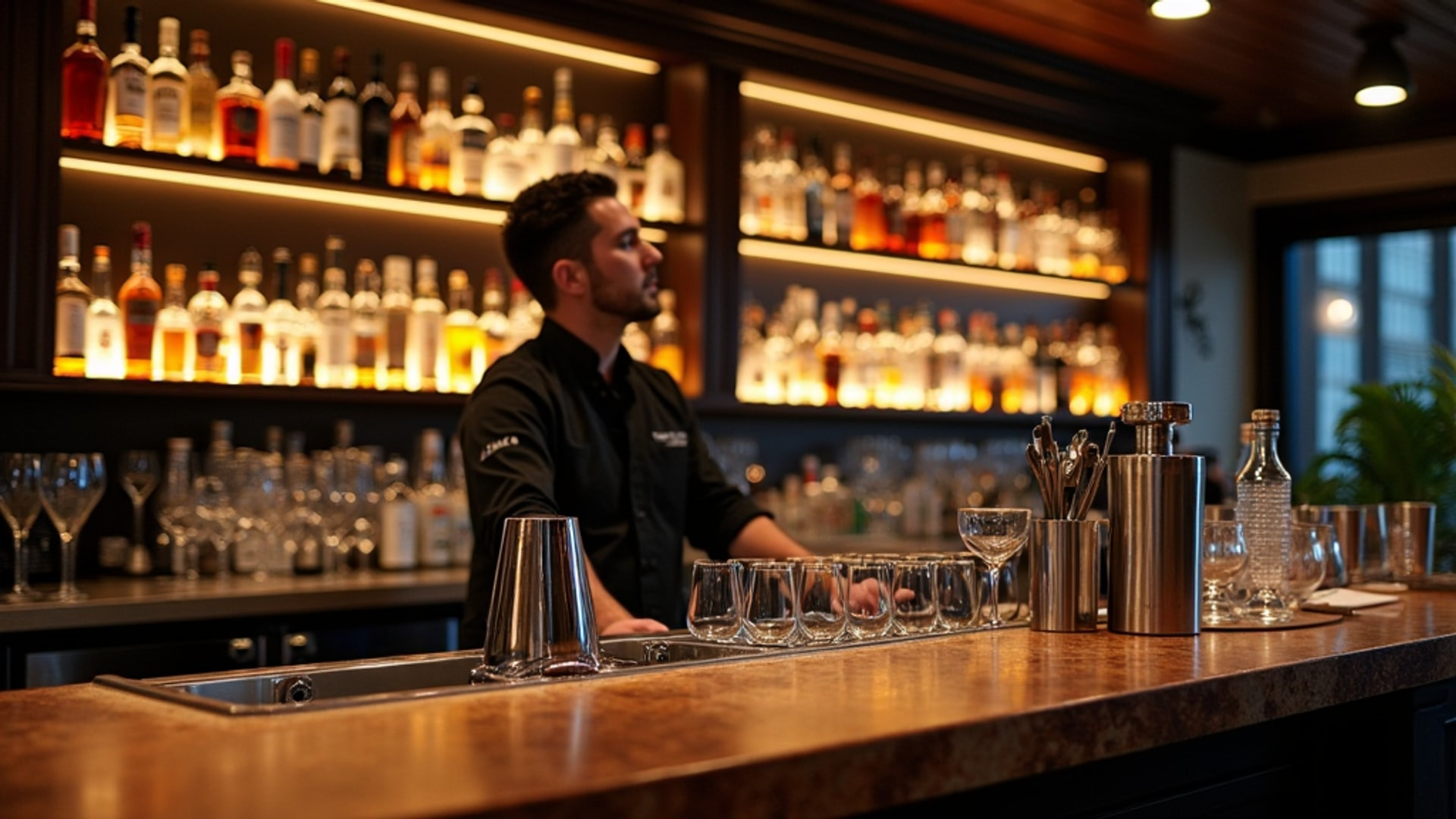
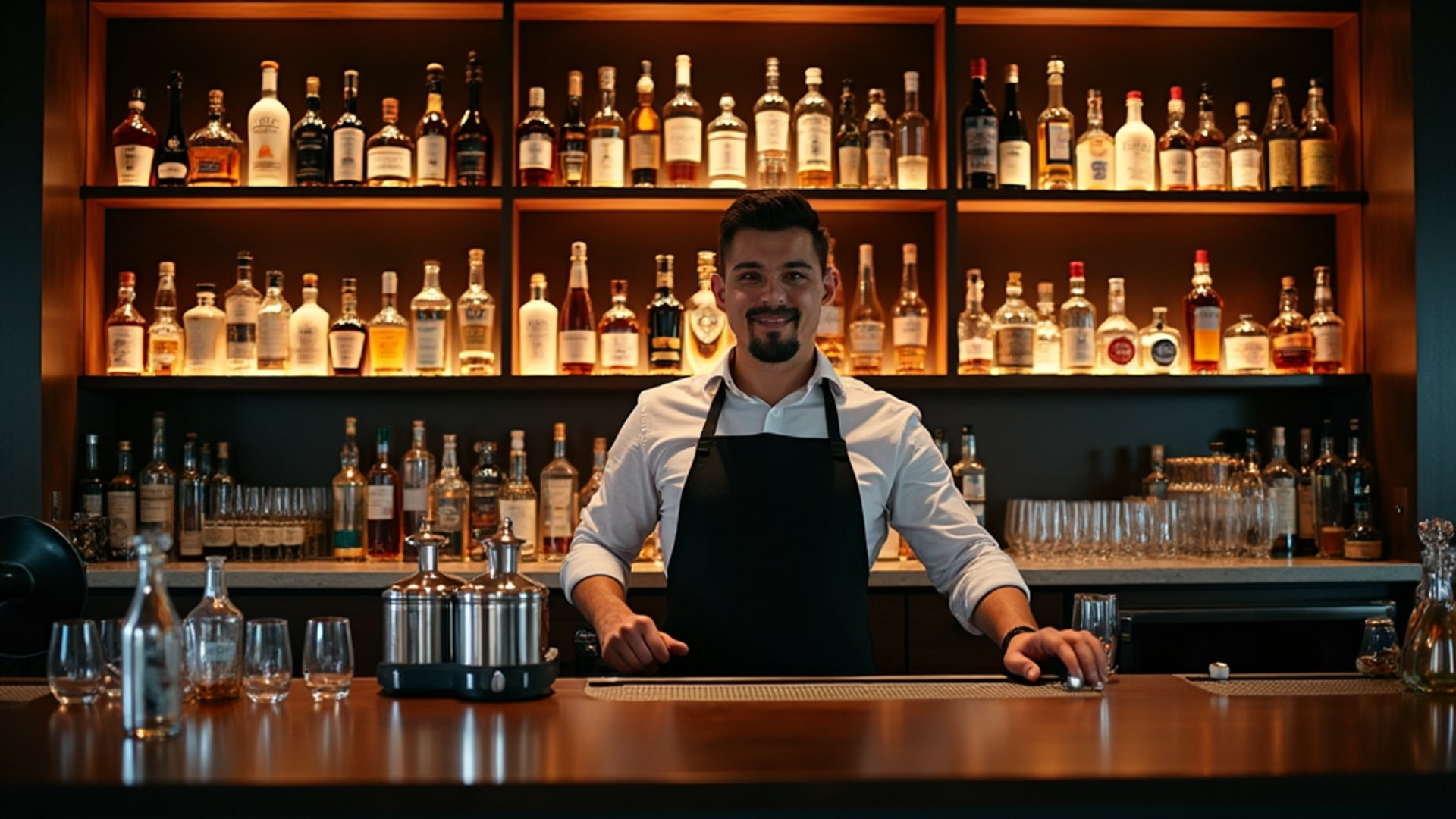
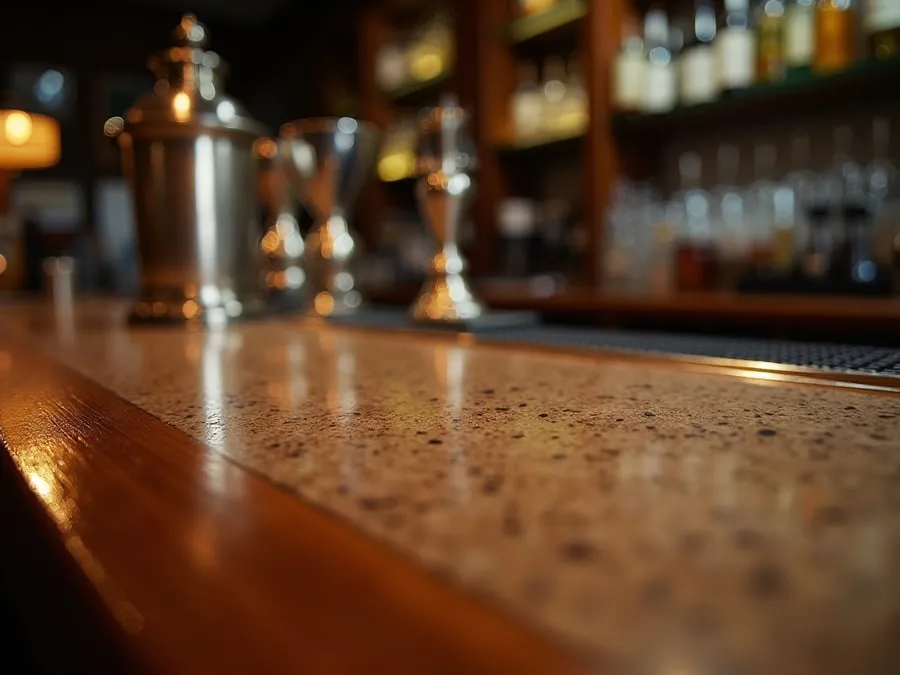
According to Restaurant Development + Design, one of the most effective design strategies positions the bar adjacent to or within view of the host station. This is not just a convenience — it is a revenue strategy.
Why It Works
When guests arrive and learn there is a wait, the natural question is “where should I go?” If the bar is visible from the host stand, the answer is obvious. The design creates a smooth transition between waiting and bar seating, and guests maintain visual connection to the host stand so they know when their table is ready.
According to Restaurant Development + Design, this arrangement naturally converts waiting time into revenue by directing guests toward drinks. A couple that orders two cocktails during a 20-minute wait just added $30-40 to their check before sitting down.
Design Elements
- Visual connection — The bar should be visible from the host stand and the waiting area. Guests need to see it as an option without being pushed.
- Smooth transition — The path from waiting to bar seating should feel natural, not like a detour.
- Host awareness — Bar guests waiting for tables must be able to see or hear when they are being called. Pager systems and text notifications help, but visual connection is the foundation.
- Standing room — Some guests prefer to stand with a drink rather than sit at the bar. Design for this with a ledge, high-top tables, or standing-height bar extensions.
The Revenue Math
Consider a restaurant that serves 200 covers on a busy Saturday with an average 15-minute wait. If 60% of waiting guests buy one drink at $12 average, that is 120 drinks x $12 = $1,440 in incremental revenue. Over a month of busy weekends, this adds up to thousands in revenue generated from space that would otherwise just hold frustrated people.
Waiting Area Design
The waiting area itself should be more than a row of chairs by the door.
Seating Strategy
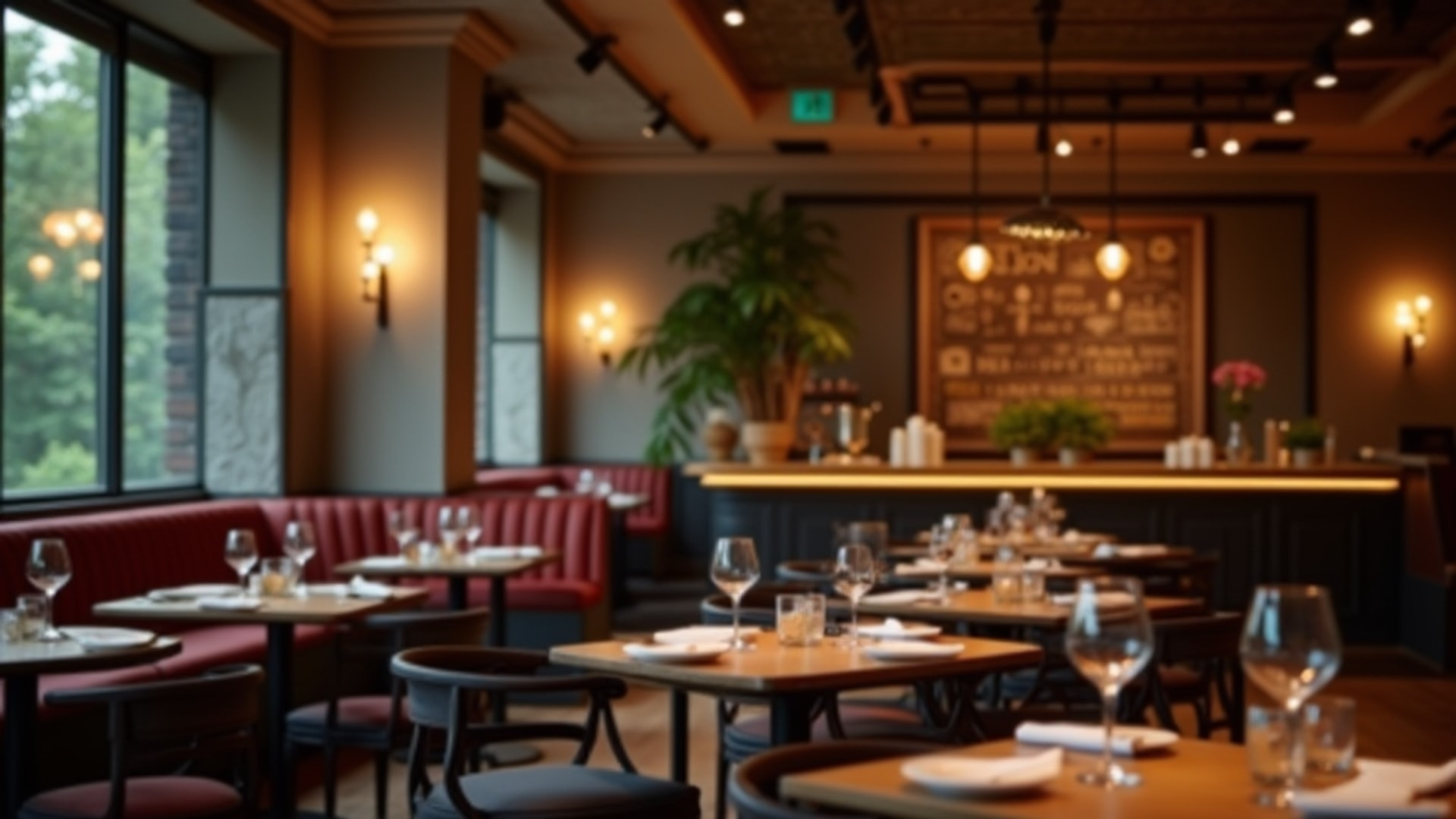
According to Restaurant Development + Design, strategically placed comfortable seating creates an atmosphere of ease. Key principles:
- Face inward, not outward — Seats should face the dining room or points of visual interest, not toward walls or the exit. Keep guests oriented toward the experience ahead, not toward escape routes.
- Echo the concept — Waiting area furniture should match the restaurant’s overall style. A rustic concept with a chrome-and-leather waiting bench sends mixed signals.
- Position away from the door — Keep seating clear of drafts and door traffic.
Visual Impact
According to Restaurant Development + Design, the waiting area is an opportunity to preview the dining experience:
- Eye-catching artwork, sculptures, or prominent plantings set quality expectations
- Lighting should transition from exterior brightness to the controlled ambiance of the dining room, creating a threshold effect
- Background music should match the restaurant’s soundtrack at a volume that allows conversation
Managing Wait Perception
According to Restaurant Development + Design, digital waitlist systems with text notifications allow guests to wait in their vehicles or explore the surrounding area rather than crowding the lobby. This reduces congestion and improves the experience.
Display screens showing estimated wait times reduce uncertainty and the frequency of guests approaching the host stand for updates. A guest who knows they have 15 minutes is far calmer than a guest who has no idea how long they will wait.
Common Design Pitfalls
According to Restaurant Development + Design, these are the mistakes that undermine the entrance-to-table experience:
The Kitchen Gauntlet
Placing the waiting area in the path between kitchen and dining room creates awkward encounters between waiting guests and food runners. A guest standing by the door while a server squeezes past with a tray of entrees is not a good look.
Insufficient Entry Lighting
Dark entrances create safety concerns and an unwelcoming first impression. Guests need to see where they are going — and they need to feel safe doing it.
No Weather Provisions
Failing to provide coat storage or umbrella stands during bad weather creates clutter, wet floors (a safety hazard), and frustration. A simple coat rack and umbrella stand cost almost nothing and signal thoughtfulness.
Acoustic Chaos
Poor entry acoustics make host communication difficult during peak periods. Hard surfaces amplify noise. Add soft materials — textiles, upholstered seating, curtains — to absorb sound in the waiting area.
Bottleneck by Design
When arriving guests, departing guests, and waiting guests all converge in the same three-foot space, everyone has a bad experience. Map the traffic flow and design separate paths for entry, exit, and waiting.
Restroom Design: The Often-Ignored Brand Statement
Your restrooms are the one part of the restaurant every guest visits. According to Dumpsters.com’s bathroom design research, restaurant bathrooms significantly influence guest perception, yet they are frequently overlooked during the design process.
Match the Dining Room
According to Dumpsters.com, the restroom should complement the dining space’s color scheme and aesthetic rather than feeling like a separate, disconnected space. A fine dining restaurant with a utilitarian restroom breaks the spell. A beautifully designed concept with a dirty, poorly lit bathroom undermines everything the dining room achieves.
Hygiene and Technology
According to Dumpsters.com:
- Automated fixtures — Hands-free faucets, soap dispensers, and hand dryers minimize surface contact and improve hygiene
- Proper privacy — Stall doors should minimize sightlines with properly functioning locks. Individual wooden doors provide better privacy and a more upscale feel than thin metal partitions.
- Energy-efficient lighting — LED lighting reduces costs and provides consistent functionality
Space and Perception
According to Dumpsters.com, large mirrors make small bathrooms appear larger. Floor-to-ceiling mirrors serve both a practical function and a space-expansion function. Work with architects to optimize bathroom square footage within building codes — every square foot counts.
Accessibility
According to Dumpsters.com, ADA compliance with wheelchair-accessible stalls and grab bars is a legal requirement. Going beyond minimum requirements with features like hooks on stall doors, adequate counter space, and wider pathway clearances improves the experience for every guest.
Sustainability
According to Dumpsters.com, zero-waste options like hand dryers instead of paper towels demonstrate environmental commitment while reducing ongoing supply costs. Water-efficient toilets cut utility expenses over time.
The Cleanliness Baseline
According to Dumpsters.com, regular bathroom cleaning is the foundation for any design investment. Staff training and cleaning checklists covering floors, countertops, fixtures, and supply restocking ensure design features are not undermined by poor maintenance. The most beautiful bathroom fails if it is not consistently clean.
Designing the Complete Guest Journey
The entrance, waiting area, bar, and restrooms are not separate design projects. They are chapters in the same story — the story of your guest’s experience from arrival to departure.
The Flow Map
Design the complete path a guest follows:
- Approach — Signage, exterior lighting, curb appeal draw them in
- Entry — The door opens, the brand moment lands, the host makes eye contact
- Greeting — The host acknowledges them within seconds, checks the reservation or quotes a wait time
- Waiting — If there is a wait, the bar is visible and inviting. They order a drink.
- Seating — The host guides them to their table along a clear path that does not conflict with server traffic
- During the meal — Restroom visits reinforce the brand rather than breaking the spell
- Departure — Exit flow does not collide with arriving guests. The last impression is as intentional as the first.
Every transition should feel natural. Every space should reinforce the concept. Every moment should feel designed, not accidental.
The Bottom Line
The space between your front door and your first table is either generating revenue and building your brand, or it is creating friction and frustrating your guests. There is no neutral.
Design your entrance to make an impression in 30 seconds. Position your bar to capture waiting revenue. Create a waiting area that feels like part of the experience, not a holding pen. Build restrooms that reinforce your brand rather than undermining it.
The restaurants people love are not just the ones with great food and service. They are the ones where every space feels intentional — where the journey from the parking lot to the table tells a story someone thought about.
That story starts at the door. Design it accordingly.
→ Read more: Host Stand and Queue Management
→ Read more: Seating Layout and Floor Plan