· Design & Ambiance · 6 min read
Restaurant Window Design: Managing Natural Light for Atmosphere and Energy Savings
How to use window placement, glazing technology, and solar orientation to maximize natural light benefits while controlling glare, heat gain, and privacy in your restaurant.
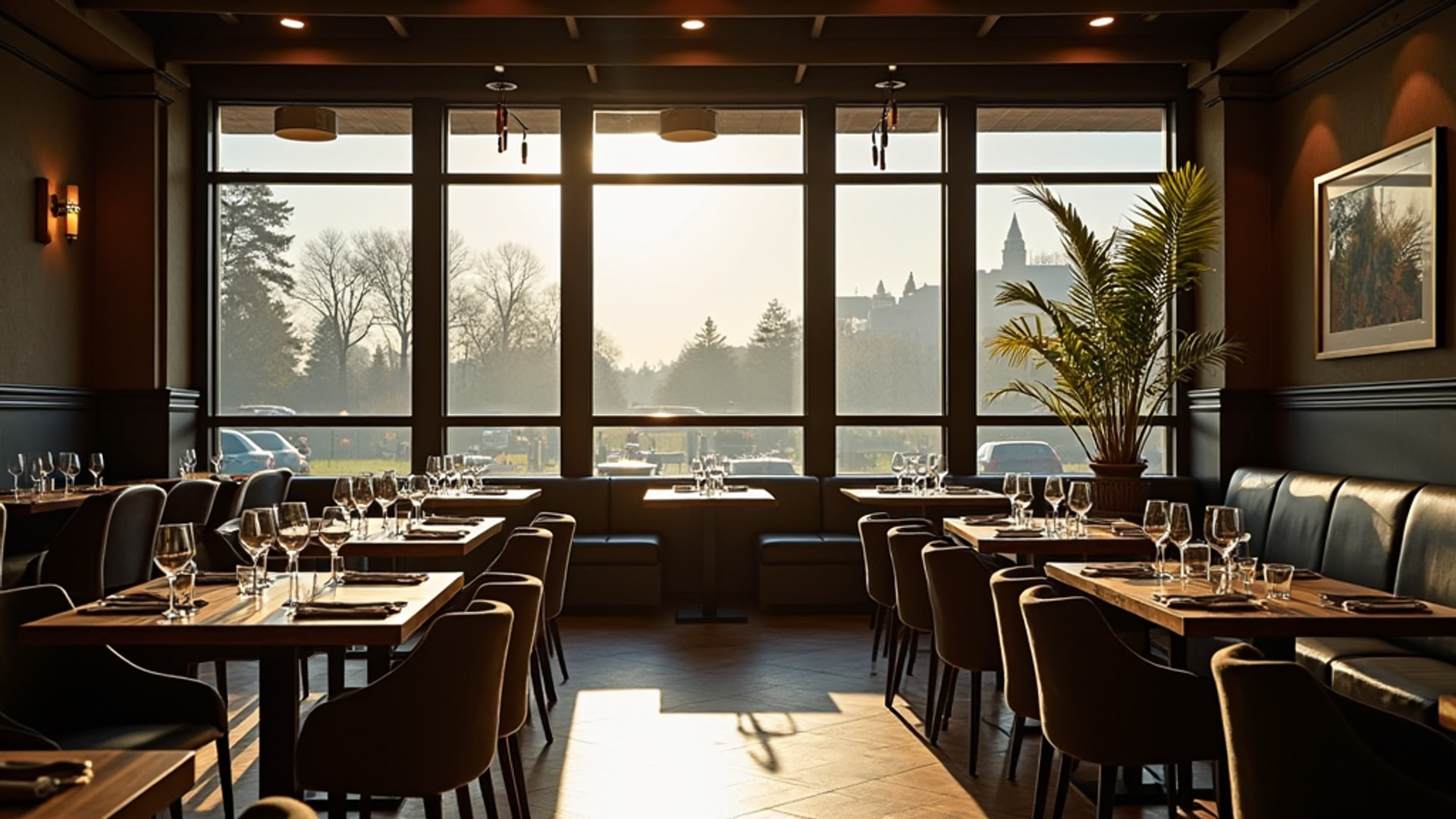
Natural light is one of the most powerful — and most underused — tools in restaurant design. According to Carroll Design, maximizing daylight reduces electricity bills while making restaurants feel more open and spacious. It also has documented psychological benefits: natural light exposure improves mood, increases guest happiness, and promotes relaxation. Yet most operators treat windows as an afterthought rather than a design priority. This article shows you how to treat them as a strategic asset.
Why Natural Light Matters to Your Business
The business case is straightforward:
- Lower energy costs from reduced reliance on artificial lighting during daylight hours
- Better perceived ambiance without additional operating expense
- Documented improvement in diner mood and comfort, which correlates with satisfaction scores
According to Carroll Design, natural light requires careful balancing with artificial lighting systems for consistent ambiance — meaning your lighting design must account for both the day and night versions of your dining room. Get this balance right and you have a space that feels genuinely alive during lunch and intimately lit at dinner, without expensive redesigns.
Start with Solar Orientation
Before you specify a single window, understand your building’s solar position throughout the day:
| Orientation | Light Character | Best Use Case |
|---|---|---|
| South-facing | Consistent daylight all day | Main dining room — balanced all-day light |
| East-facing | Intense morning sun | Breakfast and brunch seating |
| West-facing | Strong afternoon light | Happy hour and sunset dining |
| North-facing | Soft, indirect light | Photography-friendly spots, art wall lighting |
Design your seating layout around these patterns. Place breakfast seating near east-facing windows. Position your premium dinner tables in areas where evening light can be controlled and supplemented beautifully. North-facing walls are ideal for statement artwork since the indirect light won’t cause glare on the pieces.
Window Technology: The Visual Transmittance Coefficient
Not all glass is equal. The Visual Transmittance (VT) coefficient measures how much visible light passes through the glazing. A VT of 0.70 admits significantly more light than a VT of 0.40 — and the right choice depends on orientation.
Key glazing options:
- Standard clear glass — High VT, maximum light, but also maximum heat gain and glare
- Low-emissivity (low-e) coatings — Reduce heat gain without significantly reducing visible light transmission; the best all-around choice for most restaurant windows
- Tinted glass — Reduces glare and heat gain but also reduces VT; useful for harsh west-facing exposures
- UV-filtering film — Can be applied to existing windows to protect artwork and furnishings from fading without changing the visible light character
Different VT values should be selected for different orientations to optimize light quality. You don’t need the same glass specification on every facade.
Controlling Light: The Adjustable Layer
Fixed glass alone isn’t enough. The sun moves throughout the day, and your dining experience needs to stay consistent. Window treatments provide the essential adjustable layer:
Top-down bottom-up shades are the most versatile option. They allow light from the upper portion of the window while maintaining privacy and reducing glare at eye level — invaluable for mid-afternoon service when low sun angles would otherwise cause problems.
Motorized shades can be programmed to respond to sun position throughout the day, maintaining comfortable light levels without staff intervention. This is worth the investment in high-volume restaurants where manually adjusting shades would consume significant server time.
Practical window treatment checklist:
- Assess glare risk at each window by time of day and season before selecting treatments
- Choose operable treatments (shades, blinds, or curtains) over fixed-tint solutions wherever possible
- Install motorization on any window bank covering more than 4 linear feet
- Coordinate treatment color and material with the overall design palette
- Test solar intrusion with a simple observation visit at lunch and again in late afternoon before finalizing placement
Skylights and Clerestory Windows
Where wall windows are insufficient or impractical, skylights and clerestory windows provide natural light from above. This approach eliminates the harsh directional glare that can occur with wall-mounted windows while filling interior spaces that might otherwise be dark.
Clerestory windows — positioned high on walls above the sightline — are particularly effective in restaurants with large footprints. They bring diffused light deep into the space without creating privacy concerns or sightline obstructions. Skylights achieve a similar result from above, but require careful waterproofing and drainage design, and should include UV-filtering glazing to protect furniture and merchandise from fading.
Managing Glare: The Hidden Enemy
Bright glare from outside can interfere with dining enjoyment and must be managed actively. The most common complaints:
- Guests seated with their backs to bright windows are backlit and their faces appear dark, which is uncomfortable for their companions
- West-facing afternoon light creates direct glare into guests’ eyes during peak dinner service
- Reflective glare off white tablecloths or light-colored floors can be as disruptive as direct sun
Solutions:
- Orient tables so guests face toward windows rather than having bright windows behind them
- Use tablecloths or tabletop materials with matte finishes on glare-prone surfaces
- Position the most glare-sensitive seating (booth banquettes) along walls perpendicular to problem windows
- Layer sheer curtains or diffusion film on west-facing glass to scatter rather than block afternoon light
The Day-to-Night Transition
The interaction between natural and artificial lighting systems must be carefully coordinated so that the transition from day to evening service feels seamless. This is the point where many restaurants fail — the space that looked beautiful in afternoon light can feel harsh or flat when the sun goes down if the artificial lighting hasn’t been designed to take over gracefully.
Design the handoff:
- Layer your artificial lighting so it supplements natural light during the day rather than competing with it
- Install dimmer controls on all artificial fixtures so they can be brought up gradually as daylight fades
- Conduct a “light walk-through” during each service period at different times of year before finalizing the lighting plan
- Use warmer color temperatures (2700–3000K) for artificial fixtures near windows to match the warmth of late afternoon daylight
Corner locations are prized precisely because natural light enters from two sides — maximize daylight before adding artificial lighting. If your space has this advantage, design around it rather than covering it with a standard lighting plan.
Practical Budget Notes
Window upgrades vary significantly in cost:
| Intervention | Approximate Cost | Impact |
|---|---|---|
| Low-e window film on existing glass | $3–$7 per sq ft | Reduces heat gain, UV damage |
| Motorized shade system | $500–$2,000 per window | Automated glare control |
| Clerestory window addition | $150–$400 per linear foot | Deep interior daylight |
| Full skylight installation | $300–$600 per sq ft | Maximum overhead light |
These costs repay themselves through reduced lighting energy use and improved guest satisfaction. Start with window film and adjustable shades in existing spaces — they’re the lowest-cost interventions with the highest immediate impact.
Summary: Window Design Priorities
- Map solar orientation before designing seating layout
- Specify low-e glazing on south and west-facing windows
- Install operable, ideally motorized shades for adjustability
- Consider skylights or clerestory windows for deep floor plans
- Design artificial lighting as a complement to natural light, not a replacement
- Conduct light walk-throughs at multiple times of day before finalizing the design
→ Read more: Biophilic Design in Restaurants
→ Read more: Sustainable Restaurant Design