· Legal & Compliance · 8 min read
Food Truck Permits and Legal Requirements: A Mobile Vendor's Compliance Guide
Food trucks face a more complex permitting landscape than brick-and-mortar restaurants — here is a complete breakdown of every license and permit you will likely need.
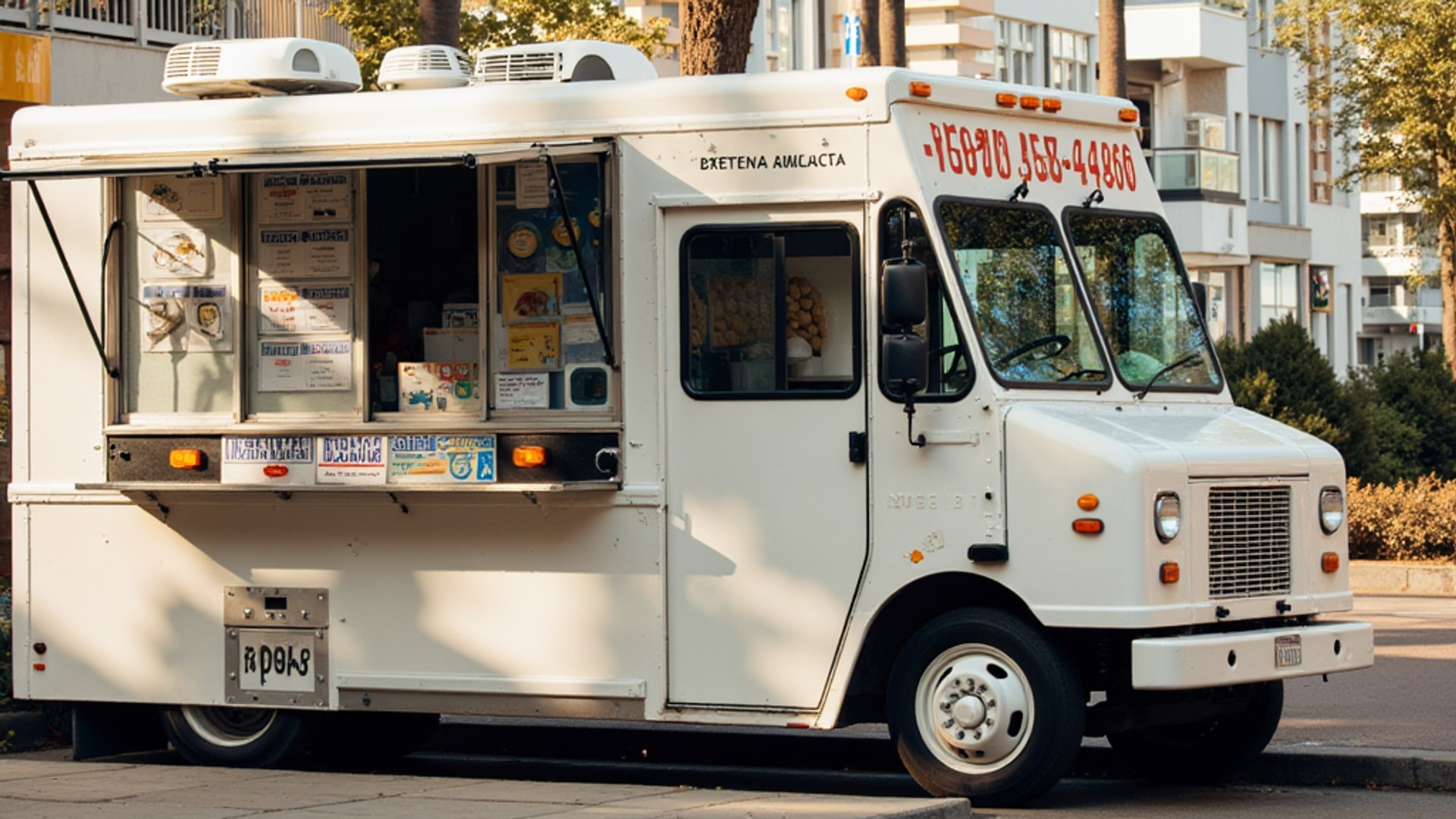
The appeal of the food truck model is real: lower startup costs than a brick-and-mortar location, flexibility to follow customers, and the ability to test concepts without long-term lease commitments. The regulatory reality is more complex than most aspiring operators expect. Food trucks require most of the same licenses as fixed restaurants plus a layer of mobile-specific permits that vary by city, county, and sometimes by street.
According to WebstaurantStore’s comprehensive analysis of mobile vendor licensing, food trucks require a business license in every jurisdiction where they operate — not just where they are registered. A food truck that operates regularly in two neighboring cities needs business licenses in both. One that parks at a different suburban market every week may need licenses in multiple municipalities. The multi-jurisdiction complexity is the defining legal challenge of mobile food vending.
Here is a complete map of what you will likely need.
Foundation Permits: The Same as Any Restaurant
These are the baseline legal requirements that apply regardless of whether your food operation has wheels.
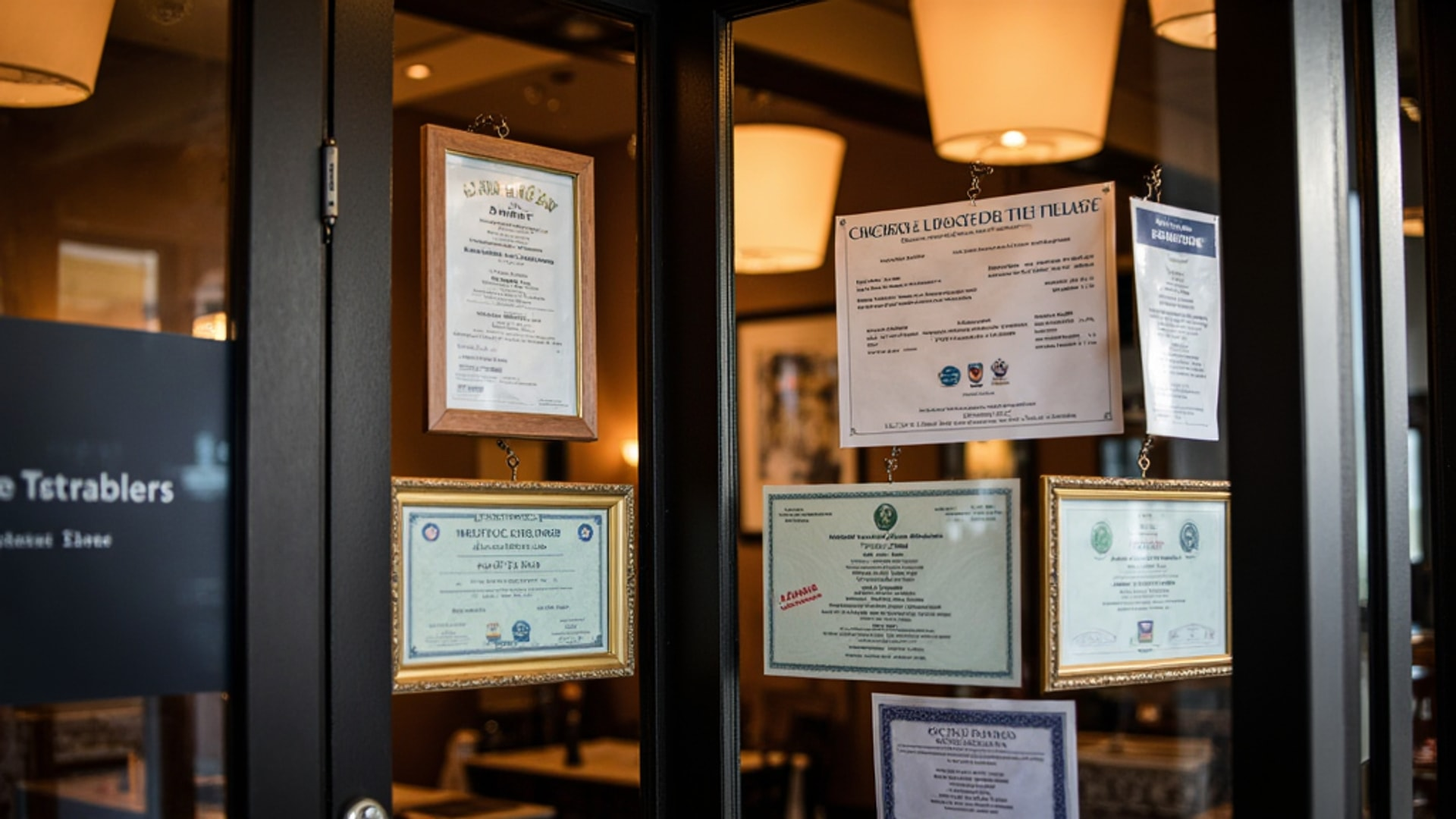
General business license. Every business must be registered with the local government where it operates. Costs typically range from $50 to $500 depending on the jurisdiction. If you operate across multiple cities or counties, you may need separate business licenses for each. Some counties and cities also require a separate county business license on top of the municipal license.
Food service permit. Issued by the local health department, this is the core food safety authorization that allows you to operate as a food vendor. Like a restaurant, you will need to pass a health department inspection of your mobile unit before receiving this permit. The permit must be renewed annually and is typically specific to the licensed unit.
Food handler’s permits. Your staff must hold current food handler certifications. Most states require at least one food manager certification (ServSafe or equivalent) for each food truck operation. All staff who handle food should hold food handler cards, which require completing a recognized food safety course.
Seller’s permit. If you are collecting sales tax — which you are required to do in most states — you need a seller’s permit from your state’s tax authority. This is separate from your business license and food service permit.
Employer identification number (EIN). Required if you have employees. Obtained through the IRS at no cost.
Mobile-Specific Permits and Requirements
This is where food truck permitting diverges from restaurant permitting and where most new operators encounter surprises.
Mobile food vendor license. Many cities issue a specific mobile food vendor license separate from the general business license. In cities with high demand for street vending — New York City being the most extreme example — mobile vendor licenses may involve competitive application processes, waiting lists, and significant fees. In New York City, operators need both a personal license and a separate permit for each mobile unit. The limited availability of NYC mobile food vendor permits is a well-documented challenge that drives up the value of existing licensed operations.
Vehicle registration and inspection. Your truck must be registered as a commercial vehicle. Some states require a commercial driver’s license based on the vehicle’s weight — check your state’s CDL requirements relative to your truck’s gross vehicle weight rating. The vehicle itself may require a separate mechanical inspection from the motor vehicle department independent of any food safety inspection.
Health department unit inspection. Even after your food service permit is obtained, your specific mobile unit will be inspected by the health department. Inspectors will examine food preparation surfaces, water supply system (fresh water tank and wastewater tank), refrigeration units, handwashing facilities (many jurisdictions require a dedicated handwashing sink on the truck), and wastewater disposal capability.
Commissary kitchen agreement. This requirement surprises many new operators. Many jurisdictions require food trucks to operate from or have a documented relationship with a licensed commissary kitchen. The commissary serves as the base of operations where the truck stores food and supplies, prepares food that exceeds what can be safely prepared on the truck, cleans and sanitizes equipment, and disposes of grease and wastewater. The commissary agreement must be written, documented, and available for health department inspection. Some mobile food parks and event venues include commissary access; otherwise, commissary rental typically runs $200 to $600 per month depending on the market.
Fire department permits. If your truck uses propane or natural gas for cooking — which most do — you need a fire department inspection of your propane system. The fire department will check fuel line connections, ventilation, fire suppression systems, and fire extinguisher compliance. Some cities issue a separate fire department permit; others incorporate this into the health department inspection. Carry a valid, inspected fire extinguisher appropriate for kitchen grease fires (Class K) at all times.
Generator permit. If you use a generator for power, some jurisdictions require a separate permit for generator use, particularly in urban areas with noise ordinances.
FOG permit. Fats, Oils, and Grease (FOG) permits may be required depending on local discharge regulations. Some jurisdictions require documentation of how you manage grease disposal to prevent improper discharge into storm drains. This is particularly relevant for trucks that do significant frying.
Location and Operating Restrictions
Having all the right permits does not mean you can operate anywhere you choose. Location restrictions are among the most operationally significant regulatory challenges for food trucks.
Proximity restrictions. Many cities prohibit food trucks from operating within a specified distance of brick-and-mortar restaurants. This distance varies — 50 feet, 100 feet, and 200 feet are common thresholds. In cities with dense restaurant districts, this restriction can severely limit viable vending locations.
Designated zones. Some cities permit food trucks only in specifically designated zones — food truck parks, approved streets, or special commercial corridors. Operating outside designated zones risks fines and permit revocation.
Time restrictions. Many cities limit food truck operating hours in certain areas, particularly in residential neighborhoods. Late-night operation restrictions can be significant for trucks targeting after-dinner or late-night business.
Parking requirements. Operating a food truck on public streets may require a parking permit or be limited to available metered parking. Some cities require vendors to move every two hours; others prohibit extended parking in commercial zones.
Event-specific permits. Vending at festivals, farmers markets, private events, and special occasions typically requires separate event permits from the event organizer and, often, from the city issuing the event’s temporary use permit. Participating in multiple events per year means obtaining permits for each. Texas, as WebstaurantStore’s analysis notes, charges $258 for initial mobile unit application, renewal, or change of ownership — a representative example of the per-transaction cost structure in many jurisdictions.
Operating Across Multiple Jurisdictions
The multi-jurisdiction challenge is the structural complexity that separates food truck operations from single-location restaurants. A truck that operates in multiple cities, counties, or states is not operating under one set of regulations — it is navigating a patchwork of requirements that may conflict, overlap, or require separate applications.
Some states have implemented statewide mobile food vendor license frameworks that provide reciprocity across municipalities within the state. This simplifies the licensing process for trucks that operate across municipal lines within their home state. However, statewide reciprocity is not universal — in many states, every city maintains its own independent licensing requirements.
Before expanding to a new operating location — a new city, a different county, or a recurring event outside your home jurisdiction — research the specific requirements for that location. Contact the local health department, the city clerk’s office, and the fire department. Build a permit compliance checklist specific to each operating location.
Practical Compliance Strategy
The operators who manage food truck compliance most effectively treat it as a systematic administrative function rather than a one-time startup task.
Create a permit tracking system. List every permit you hold, its issuing agency, its expiration date, and the renewal process. Set calendar reminders 60 days before each renewal. A single expired permit can shut down your operation on a busy day and trigger additional regulatory scrutiny.
Budget for compliance. License and permit costs, commissary fees, fire safety inspections, and vehicle inspections add up. Plan for at least $2,000 to $5,000 in annual compliance costs beyond initial startup permits, depending on your market and the number of jurisdictions you operate in. Build these into your financial projections.
→ Read more: Food Truck and Mobile Operations: Permits, Logistics, and Daily Workflow
Research event requirements before committing. Before signing a contract to vend at a new event or market, confirm exactly what permits are required for that specific location and whether the event organizer provides any permitting support. Discovering you need a permit you do not have the day before an event is an avoidable problem.
Establish your commissary relationship before you need it. Many health department food service permit applications require proof of commissary access before they will issue your permit. Lining up your commissary agreement is a prerequisite step in the licensing process, not an afterthought.
Connect with your local food truck association. Most cities with active food truck scenes have operator associations that track regulatory changes, share compliance information, and advocate on permitting issues. These networks are an efficient way to stay current on regulatory changes that affect your operation.
The food truck permitting landscape is genuinely complex — more complex than most operators realize when they are planning their concept. Working through it systematically, starting with your local health department and building outward, is the path from concept to legally operating business.
→ Read more: Food Truck to Empire: Real Stories of Mobile Dining Success
→ Read more: From Food Truck to Brick-and-Mortar: When and How to Make the Transition