· Menu & Food · 10 min read
Daily Specials Strategy: Rotating Offerings That Drive Traffic and Reduce Waste
A well-designed daily specials program is simultaneously a customer retention tool, a menu development pipeline, and a waste reduction mechanism — but only if it is built on a clear structural framework rather than improvised night by night.
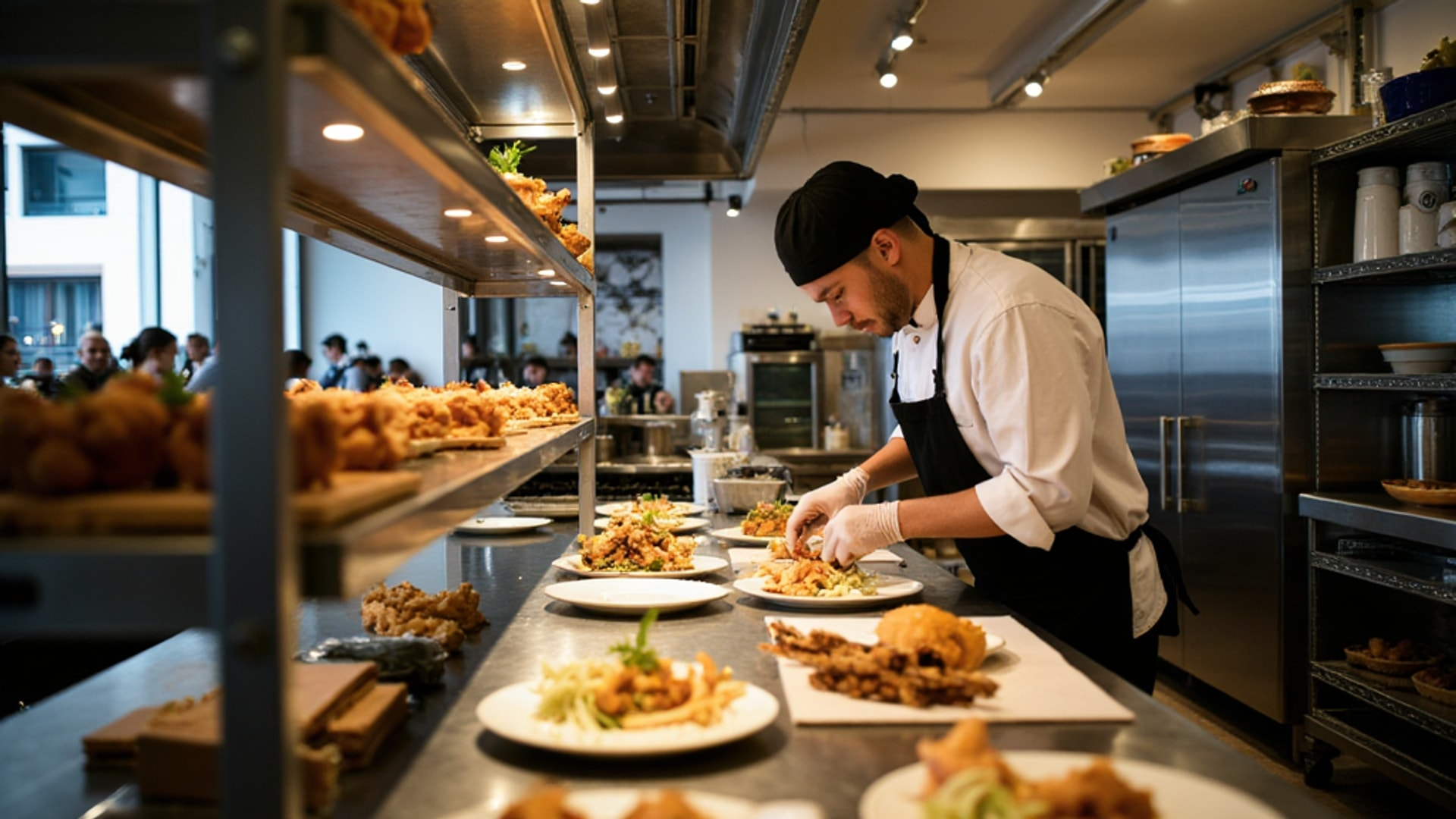
Most restaurants run specials. Few run specials programs. The difference is not semantic — it is the gap between a nightly improvisation that exists because someone decided to use up excess proteins, and a structured system that drives repeat visits, tests menu candidates, reduces waste, and generates data that informs long-term menu decisions.
AIScreen’s research on restaurant specials strategy shows that limited-time offers across the industry increased 128 percent over the past five years, based on data tracked by the National Restaurant Association. Customers have developed an expectation of novelty and variety that a static permanent menu cannot fully satisfy. The operators who capture this demand are building structured rotating programs — not winging it every afternoon.
The Two-Layer Menu Model
The foundation of a high-performing specials program is a structural distinction between permanent menu items and rotating content.
The permanent foundation consists of proven bestsellers and signature dishes that define the restaurant’s identity. These items provide operational stability, consistent purchasing patterns, and the reliability that regular customers depend on. A guest who returns twice a week needs to know that the burger they love will be there — uncertainty about permanent menu items is a guest-retention risk.
The rotating layer — comprising roughly 15 to 25 percent of the menu at any time — includes daily specials, weekly features, seasonal items, and experimental dishes. This layer is where novelty lives. It is what gives regulars a reason to return more frequently, what gives the kitchen creative latitude beyond the permanent menu, and what provides the operational flexibility to respond to ingredient availability and market pricing.
The 15 to 25 percent figure is meaningful. Below this range, the specials program does not generate enough variety to feel fresh to regular customers. Above it, the operational burden of managing too much rotating content begins to undermine execution quality and purchasing efficiency.
Why Specials Drive Customer Retention
Digital screens displaying daily specials can drive a 25 percent increase in returning customers, based on AIScreen’s data. This is not because specials are inherently superior to permanent menu items — it is because novelty is a powerful motivator for repeat visits.
A customer who has tried most of the permanent menu has diminished incentive to return at the same frequency. A customer who knows that Tuesday features a rotating pasta special and Thursday has a new fish preparation has a reason to come in during the week rather than waiting for the weekend occasion. The specials create a light schedule of reasons to visit that the permanent menu alone cannot generate.
This retention effect compounds over time. Guests who visit more frequently develop stronger attachment to the restaurant. They are more likely to bring new guests, recommend the restaurant to others, and tolerate occasional service imperfections that would cause less frequent visitors to write a negative review. The specials program pays dividends in loyalty that extend far beyond the immediate revenue from the specials themselves.
Specials as a Menu Development Pipeline
Before a dish earns a permanent position on your menu, it should prove itself as a special first. The specials environment offers something that a permanent menu rollout does not: a low-stakes testing ground where dishes can succeed or fail without the commitment and cost of a full menu change.
When a special sells consistently well across multiple appearances, generates positive guest feedback, achieves solid margins, and receives compliments rather than questions, it is a candidate for permanent placement. When it underperforms as a special — selling slowly, generating complaints, or achieving poor contribution margins — it can be quietly retired without the disruption and investment of a full menu change.
This pipeline approach reduces the risk of menu additions. Every dish on a well-engineered permanent menu should have been tested in some form — whether in a specials rotation, at a staff tasting, or through comparable dishes the team has observed perform well elsewhere. The specials program formalizes that testing.
The data feedback loop is the mechanism. Tracking which specials sell by day, time, and season; which generate the best contribution margins; and which prompt the most organic positive feedback from servers and guests gives you a rich dataset for menu development decisions that no amount of internal brainstorming can replicate.
Operational Flexibility as a Competitive Advantage
Static menus lock purchasing and prep into fixed patterns. A specials rotation creates operational flexibility to respond to ingredient markets in ways that directly benefit profitability.
When a protein is temporarily well-priced — spot pricing on salmon, a favorable deal on pork belly, an unexpected surplus from a regular supplier — building it into a special generates revenue from the opportunity rather than passing on it because the permanent menu does not accommodate it. When produce arrives in better quality than expected, a special featuring it converts the windfall into a revenue opportunity rather than just a quality upgrade for an existing dish.
This purchasing flexibility matters particularly in a market where ingredient costs have been volatile. The ability to respond quickly to market conditions — featuring what is available and well-priced rather than what was planned — gives operators a financial tool that a purely static menu denies them.
→ Read more: Menu Testing and Soft Launch: How to Validate New Items Before You Commit
Waste Reduction Through Intentional Specials Design
The daily specials program that is designed around waste reduction functions differently from the one designed only around creativity or customer retention. Intentional waste-reduction specials start with inventory, not inspiration.
At the end of each service, the kitchen team should know which ingredients need to be used within the next one to two days. Rather than discarding these as part of standard kitchen turnover, build a special around them. A protein that was over-ordered becomes the centerpiece of tomorrow’s featured dish. Vegetables approaching peak freshness become the base of a featured side or salad. Herbs and aromatics in excess quantity get incorporated into a sauce or featured preparation.
Daily specials with inexpensive rotating ingredients are one of the most effective ways to reduce food waste, as AIScreen’s data confirms. The connection is direct: waste occurs when ingredients are purchased and not used. A specials program that is designed to consume these ingredients before they expire converts potential waste into revenue.
The discipline required is daily. Whoever builds the specials list needs to look at inventory status — not just what is available in general, but what specifically needs to move — and build the next day’s specials around that reality. This requires communication between purchasing, receiving, and kitchen leadership that many restaurants do not currently have a formal mechanism for.
→ Read more: Menu Engineering for Food Waste Reduction: Cross-Utilization and Waste Prevention
Digital Menu Boards as Enablers of Effective Specials Programs
The operational feasibility of a daily specials program increased dramatically with the adoption of digital menu boards. POS systems like Toast and Square for Restaurants integrate specials tracking with sales analytics. Where updating printed specials boards was a manual task prone to errors and inconsistency, digital displays can be updated centrally in real time.
For restaurants with multiple service areas, digital boards ensure that every location in the restaurant shows the same current specials. For restaurants with day-part variation in their specials — a lunch special that transitions to a happy hour feature that transitions to a dinner spotlight — digital boards eliminate the manual work of changing boards and the errors that manual changes introduce.
The technology also enables time-of-day targeted promotions. A special that performs well at lunch may not be appropriate for dinner service. Digital boards allow the specials program to shift automatically with service periods, displaying the right content at the right time without staff intervention.
Video and animation on digital displays encourage impulse purchases. A rotating carousel of specials with high-quality food photography or brief video is more effective than a static list at converting a guest’s passive interest into an active order. This is the equivalent of a well-placed visual accent in a printed menu — it directs attention and influences ordering behavior.
Sustainability-Focused Specials as a Marketing Tool
Sustainability-focused specials with locally sourced ingredients, a priority aligned with the Specialty Food Association’s annual trend forecasts, are gaining traction as both a menu development strategy and a marketing tool. Guests who would not specifically seek out a restaurant because of its sustainability practices are nonetheless responsive to the narrative when it is presented on a specials board.
A special described as featuring produce from a specific local farm, or proteins sourced from a regional supplier using sustainable practices, adds storytelling value that a standard dish description lacks. It also provides training content for servers who can use the sourcing story to generate enthusiasm and increase conversion — a server who knows the farm behind the featured vegetable can tell a compelling story that closes the sale more effectively than “it is really good.”
This framing also supports premium pricing on specials. A locally sourced, seasonal special priced $2 to $3 above the comparable permanent menu option is defensible in ways that a price increase on the permanent menu is not, because the premium is tied to a specific, communicable reason.
Building the Data Infrastructure
A specials program without data infrastructure is an expensive improvisation rather than a strategic system. The minimum data you need:
Sales by special by day. How many of each special sold on each day it was offered. This tells you demand patterns and whether the dish has appeal.
Contribution margin by special. Not just food cost percentage — actual dollars generated per order. A special that sells 30 covers at $8 contribution margin is more valuable than one that sells 15 covers at $6.
Sales by day of week. Which days support which types of specials. Some dishes perform consistently across service days; others are strongly day-specific (seafood on Fridays, comfort food on Sundays).
Repeat appearances and performance trends. Does a special improve on its third appearance as awareness builds, or does it peak on its first appearance and decline as novelty wears off?
This data informs not just which specials to bring back, but what structural patterns generate success — what kinds of dishes, at what price points, on which days, with which descriptions perform best in your specific operation. That institutional knowledge is the most valuable output of a well-run specials program.
The Calendar-Based Specials Architecture
The most organized operators build their specials programs around a rolling calendar rather than making daily decisions reactively. The calendar identifies known variables in advance: seasonal ingredient transitions, local events that will affect traffic patterns, upcoming holidays, delivery schedule changes.
Building the specials calendar a week or two in advance — rather than deciding each morning what the special will be tonight — creates operational efficiency. Purchasing can be aligned with planned specials rather than scrambled to accommodate last-minute decisions. Prep can be distributed appropriately across the week. Server training on upcoming specials can happen in advance of service rather than during pre-shift with insufficient time.
The calendar also creates accountability. When specials are planned rather than improvised, it is easier to track whether the program is achieving its goals — variety, waste reduction, margin contribution — and to identify when it is drifting away from those goals toward convenience or habit.
→ Read more: Seasonal Menu Planning: How to Rotate Dishes for Lower Costs and Higher Demand → Read more: Inventory-Driven Menu Planning: Using Par Levels to Prevent Waste and Stockouts