· Menu & Food · 5 min read
Menu Testing and Soft Launch: How to Validate New Items Before You Commit
A structured process for testing new menu items with real customers before they go on the permanent menu.
Launching an untested menu item is a gamble. You invest in ingredient sourcing, recipe documentation, staff training, and menu redesign — only to discover the dish doesn’t sell, or customers don’t like it, or the kitchen can’t execute it consistently under pressure. TouchBistro recommends a structured testing process that combines internal evaluation with external consumer feedback to make data-driven menu decisions before the permanent launch commitment.
The stakes are real. Restaurant365 confirms that new menu items can be tested as daily specials to gauge response before permanent addition — and this low-risk testing mechanism is one of the most underused tools in the operator’s toolkit.
Why Testing Matters
Menu development without testing relies on assumption. The chef thinks the dish is excellent. The owner likes the concept. The food cost looks good on paper. None of that tells you whether real customers will order it, enjoy it, and come back for it.
The global customer feedback software market was valued at $1.78 billion in 2024 and is projected to reach $5.42 billion by 2033 — growing at 13.2% annually. That investment reflects the industry’s recognition that systematic feedback produces better decisions than intuition. The same logic applies to individual restaurant operators, even without enterprise software.
Method 1: The Tasting Party
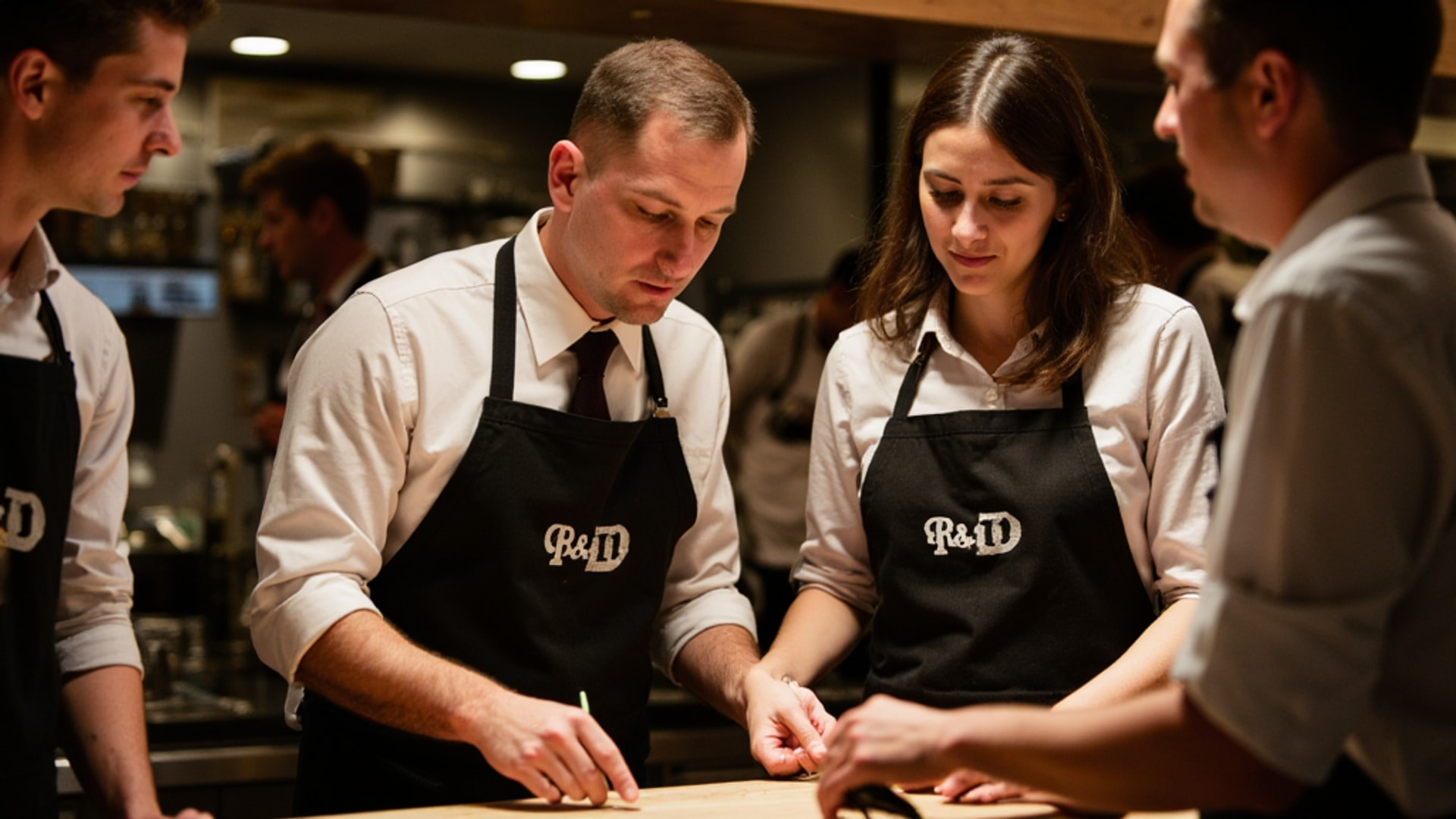
The most accessible testing format is the tasting party: invite 5 to 10 guests for a focused evening of recipe evaluation. This format provides qualitative depth — not just whether people like something, but why.
Participant selection:
- Mix of loyal customers, acquaintances of staff, and people outside the restaurant’s usual customer base
- TouchBistro notes that including acquaintances brought by friends reduces the social pressure that causes close contacts to soften their critiques
- Aim for diversity of age, dietary preferences, and dining frequency
Format:
- Serve items one at a time with brief pauses between courses
- Provide written feedback forms (do not rely on verbal discussion alone)
- Collect forms immediately after each dish, not at the end of the session
Feedback form structure (per dish):
| Question | Format |
|---|---|
| Overall impression | 1–5 scale |
| Taste: what worked? | Open text |
| Taste: what didn’t work? | Open text |
| Texture assessment | 1–5 scale |
| Would you order this at regular price? | Yes / Maybe / No |
| Price point (for a given price): fair / too high / too low | Multiple choice |
| Suggested improvements | Open text |
Method 2: Daily Specials Testing
The daily special format is the most practical, low-cost testing mechanism for working operators. A potential new item can be introduced as a rotating special and monitored over several weeks before any commitment to permanent menu inclusion.
How it works:
- Introduce the candidate item as a daily or weekly special at the proposed menu price
- Train servers with a complete description and suggested talking points
- Track orders, revenue, and customer feedback for a minimum of 2 weeks
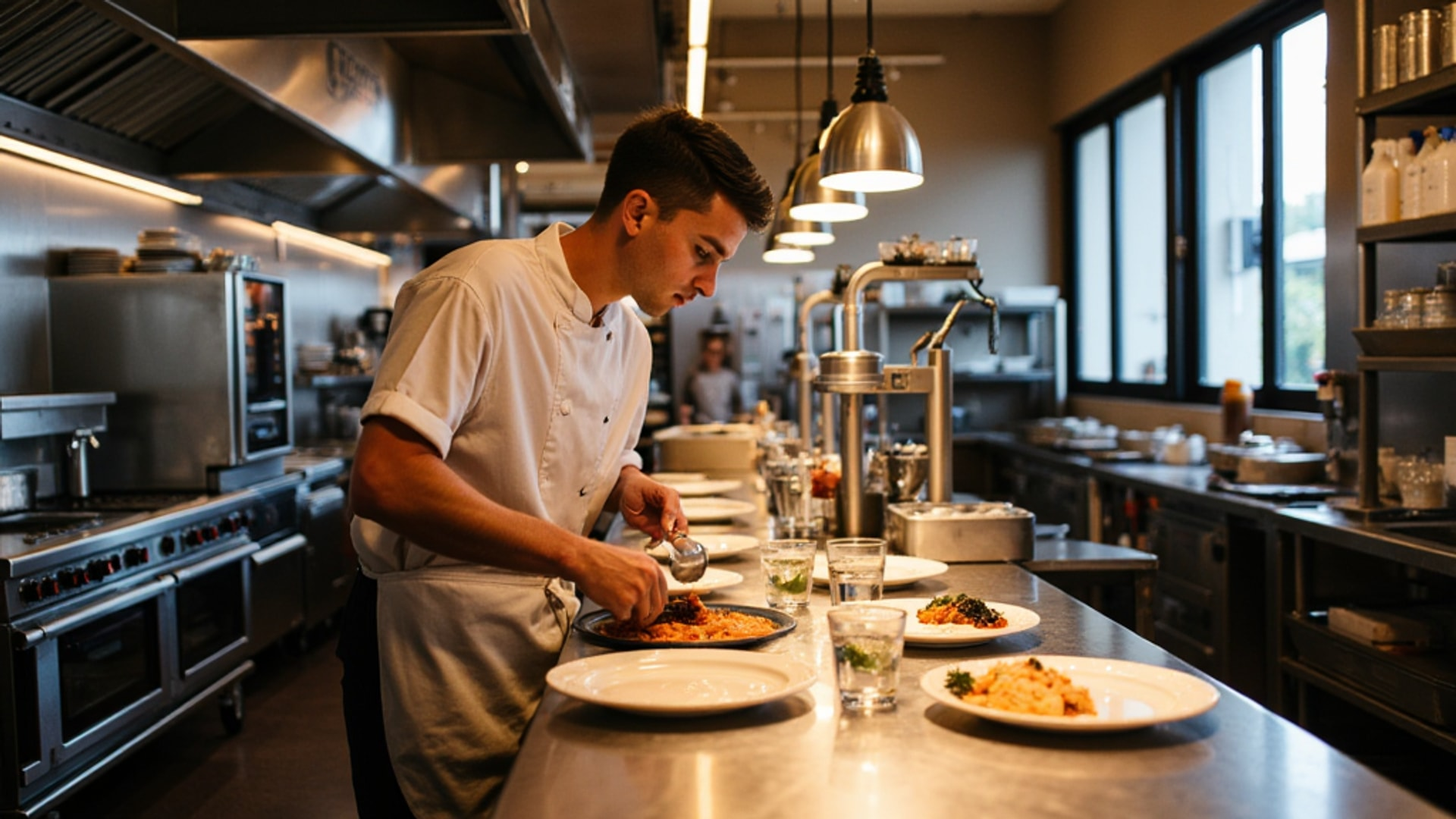
- Evaluate kitchen execution speed and accuracy at real service volume
Most effective menu tests run for at least one full week to account for daily fluctuations. For significant menu changes, extending the test to two to four weeks, or until approximately 100 to 200 orders have been collected, provides statistically meaningful data.
Items that graduate to permanent menu when tested as specials:
- Consistent reorder rate (customers ask for it when it’s not on the special board)
- Kitchen executes within target ticket time
- Food cost aligns with projections
- Server feedback is positive (they can describe and sell it confidently)
Method 3: A/B Testing on Digital Platforms
For restaurants with digital ordering systems, digital menu testing provides quantitative data with minimal investment. A/B testing of menu descriptions and layouts on digital platforms identifies highest-converting approaches.
Practical applications:
- Test two different descriptions of the same dish (one flavor-forward, one technique-forward)
- Test different photos of the same item
- Test different price presentations (price included in description vs. listed separately)
- Test placement in different category positions
Digital platforms provide the order volume to generate statistically meaningful data faster than any in-person testing method.
Internal Evaluation Criteria
Beyond guest feedback, every candidate item must pass an internal operational review. The development team should assess:
Operational checklist for new items:
- Preparation difficulty matches kitchen skill level
- Required cook time fits within target ticket time
- Ingredient overlap with existing menu items (shared ingredients reduce spoilage risk)
- Yield percentage and actual cost match projected food cost
- Item can be executed correctly by all line cooks, not just the developer
- Packaging is available if item will be offered for delivery
Decision Framework
Three outcomes from testing drive clear decisions:
Universal praise → Move to permanent menu on schedule. Do not overthink it.
Mostly positive with isolated criticism → Acknowledge the feedback, assess whether the criticism identifies a real flaw or reflects an outlier preference. Modify if warranted; proceed if the criticism is idiosyncratic.
Universal criticism → Do not launch. Either significantly revise the recipe and test again, or kill the item. One week of testing is far cheaper than months of a slow-selling menu item consuming kitchen resources.
Data Requirements Before Permanent Launch
| Data Point | Minimum Threshold |
|---|---|
| Test period | 2–4 weeks as a special |
| Orders collected | 100–200 |
| Customer satisfaction score | 4.0+ on 5-point scale |
| Would-order-again rate | 70%+ |
| Food cost vs. projection | Within 2% |
| Kitchen ticket time | Within 10% of target |
The investment in testing — a few evenings, some food cost, and structured data collection — is trivial compared to the cost of launching and then removing an underperforming item. Test everything. Trust the data over your enthusiasm for the dish.
→ Read more: Menu Refresh and Relaunch: When to Update Your Menu and How to Do It Right → Read more: Limited-Time Offers: Creating Urgency and Driving Revenue → Read more: Recipe Standardization: Building Consistency Into Every Dish