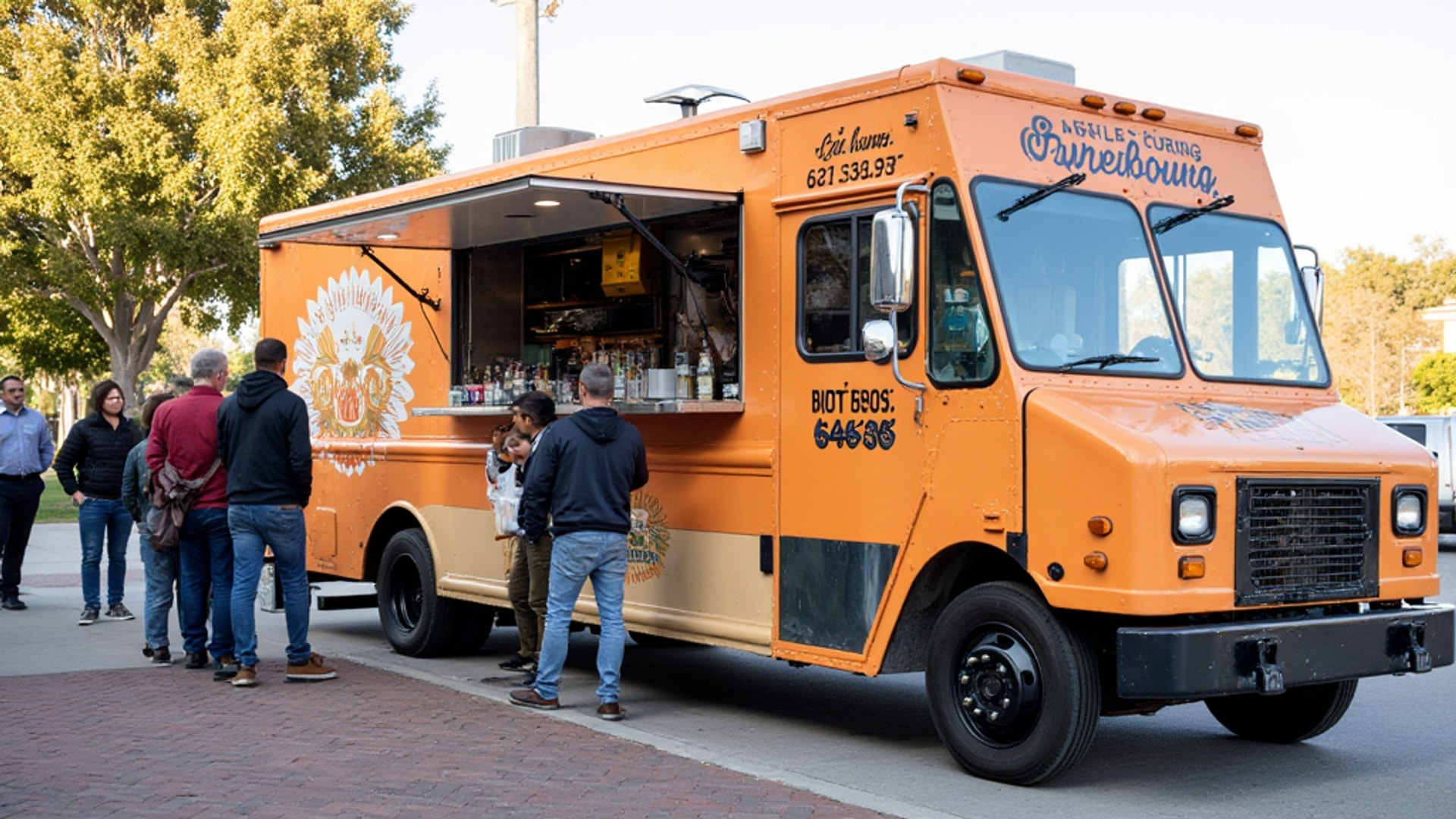
Food Truck to Empire: Real Stories of Mobile Dining Success
From a $18,000 used truck to multi-location chains, real food truck operators reveal exactly how the mobile format becomes a launchpad for lasting restaurant empires.
From a $18,000 used truck to multi-location chains, real food truck operators reveal exactly how the mobile format becomes a launchpad for lasting restaurant empires.
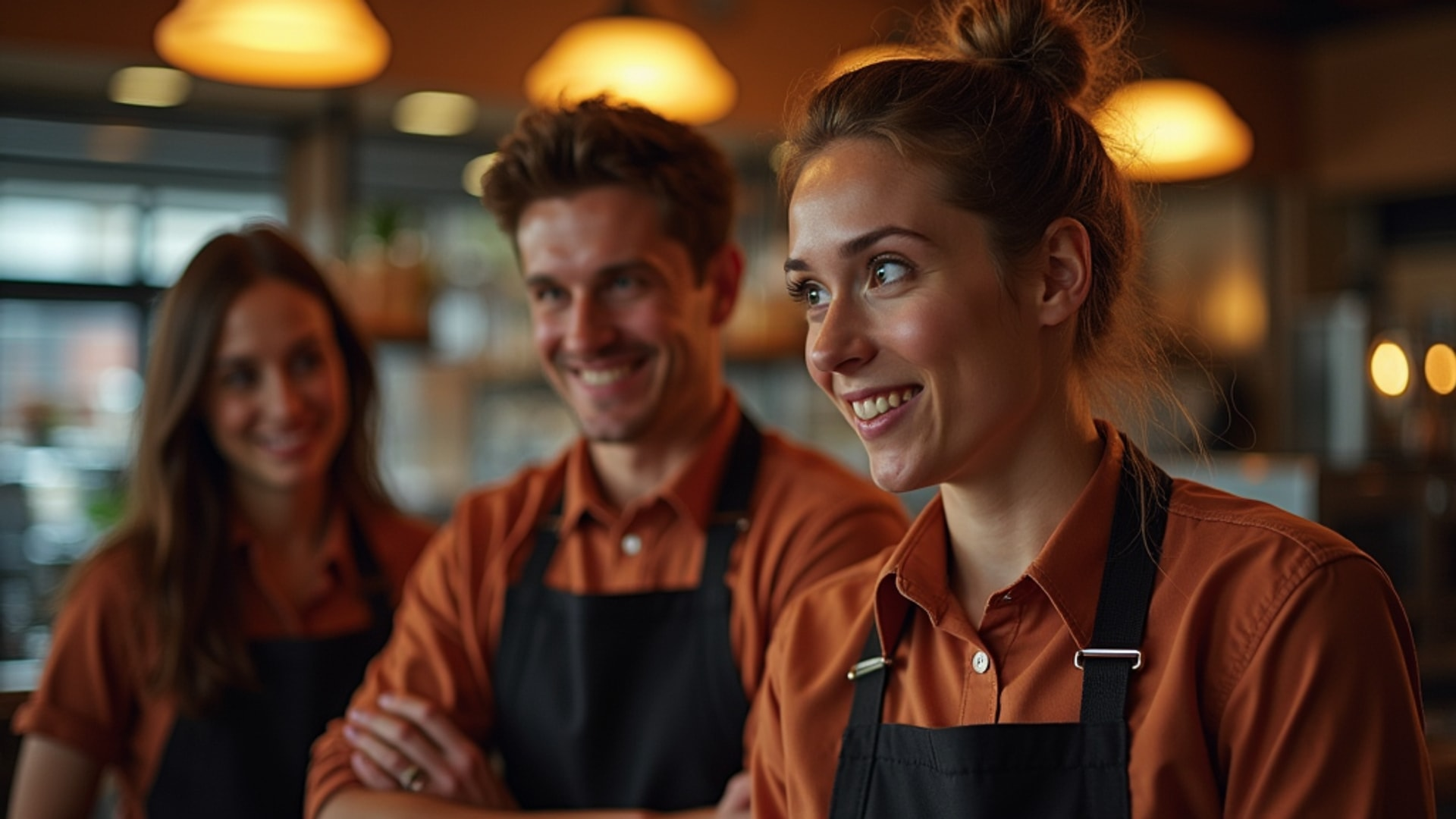
Delivery now drives 40% of restaurant sales and the market is projected at $430 billion in 2025 — but restaurants paying 10–30% commission per order need a clear-eyed strategy.
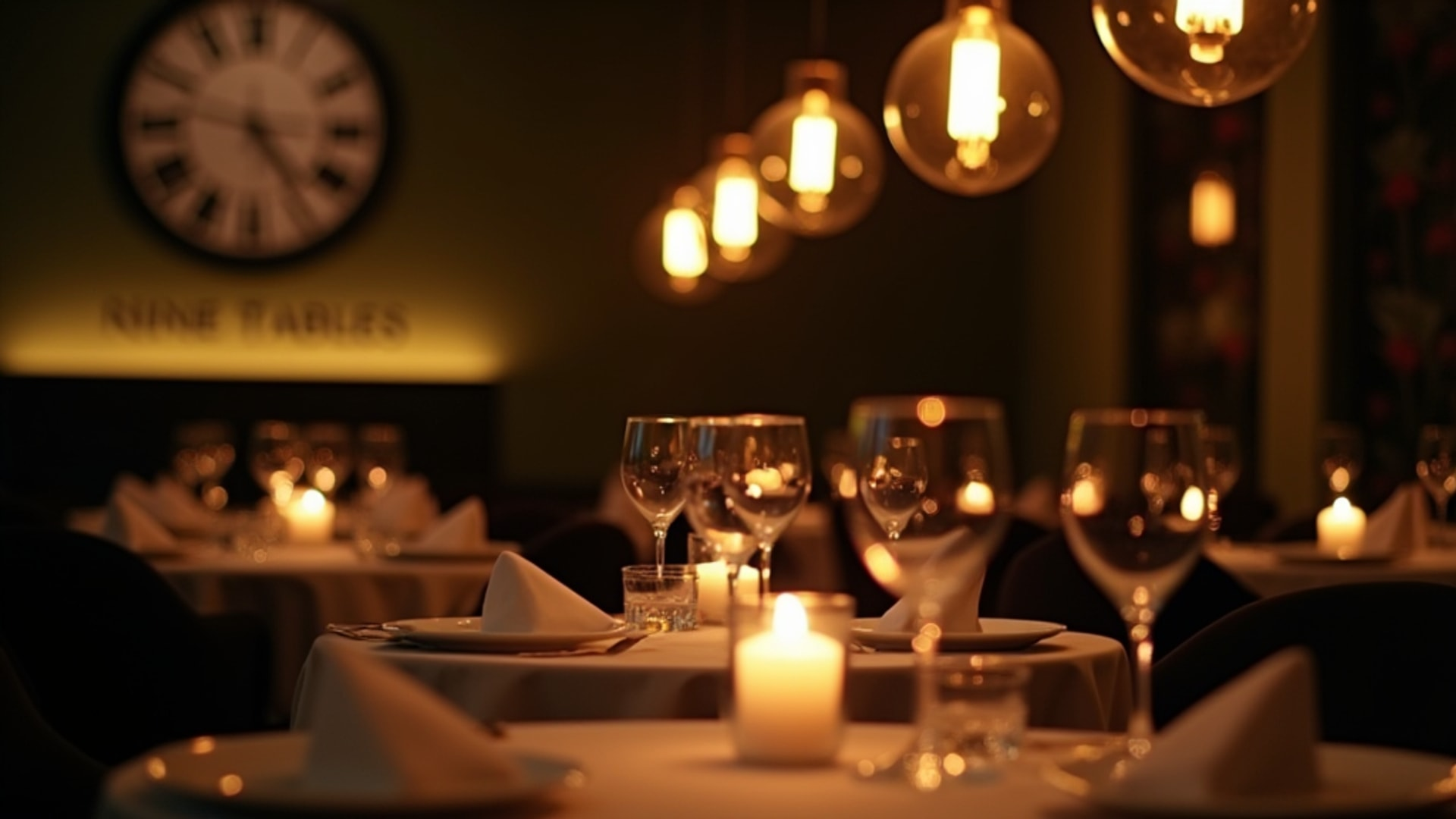
Every design decision in a restaurant influences how long guests stay, how much they spend, and whether they return — understanding the psychology turns design into a revenue tool.
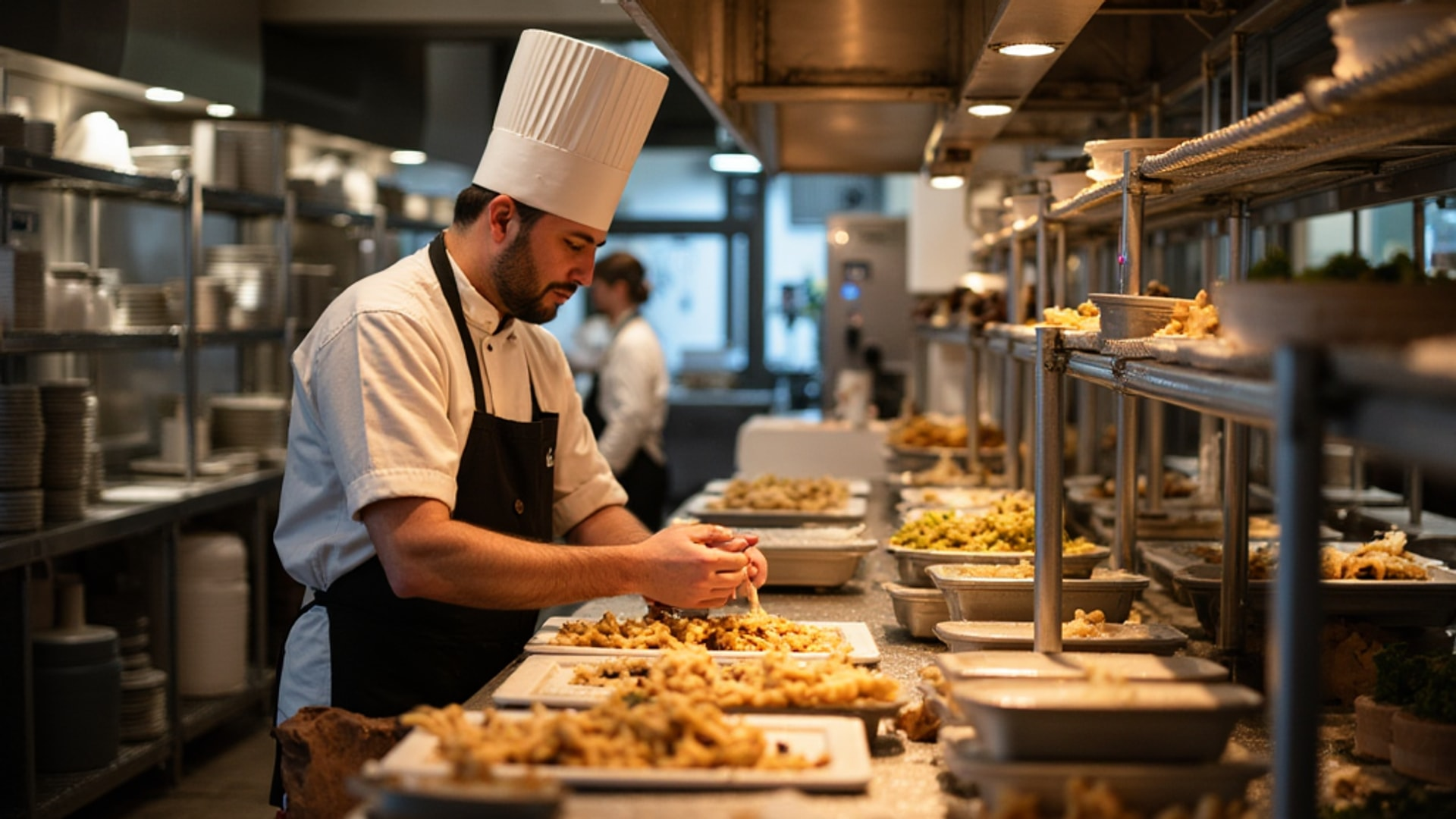
Prime cost -- food plus labor -- represents 55-65% of sales and is the most controllable factor in restaurant profitability. Operators who track it weekly improve their bottom line by 2-5%. Here is how to manage both components systematically.
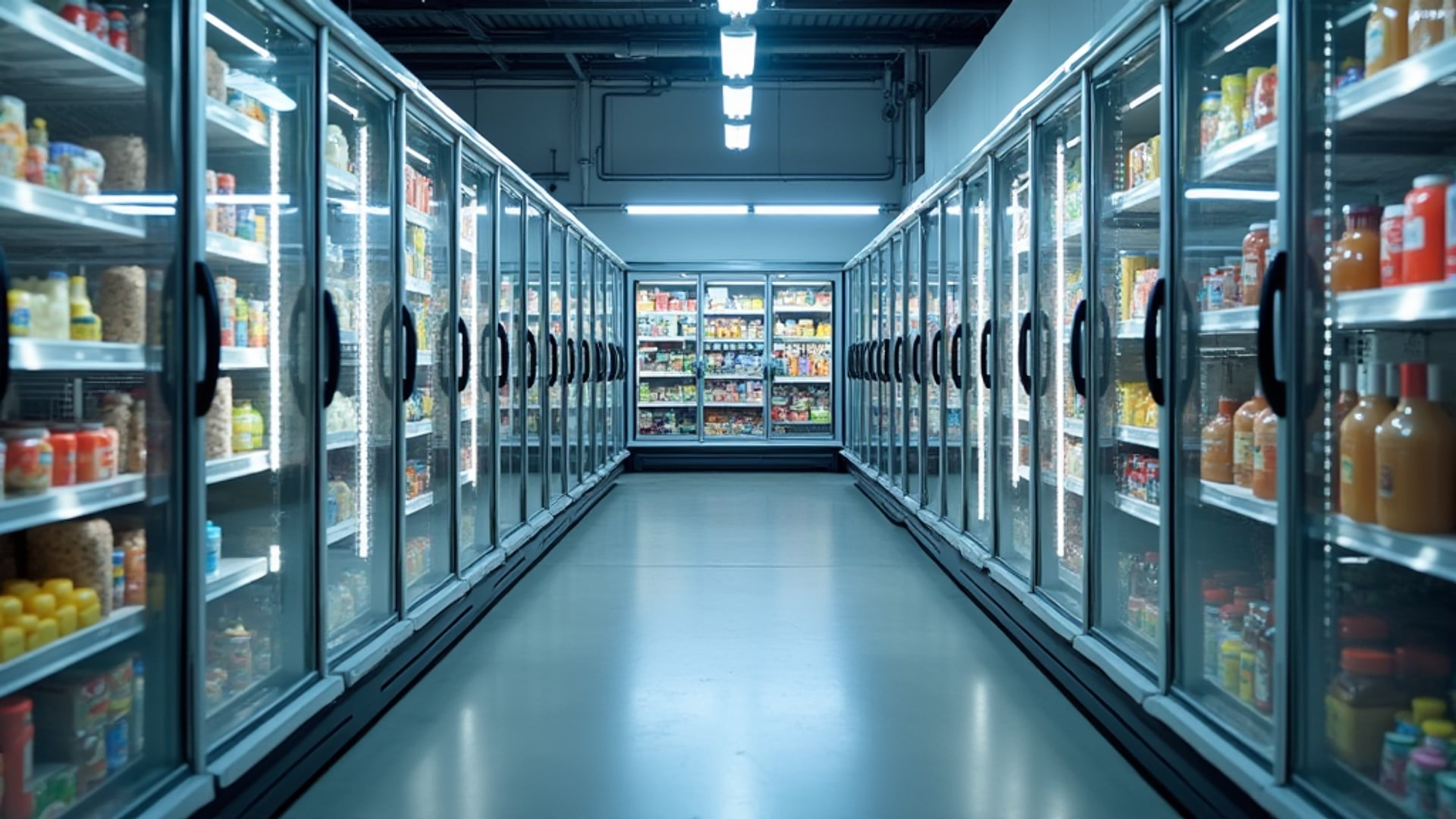
A practical guide to FDA Food Code temperature requirements, the danger zone, cold and hot holding standards, receiving inspection procedures, and FIFO rotation systems that prevent spoilage and protect your health score.
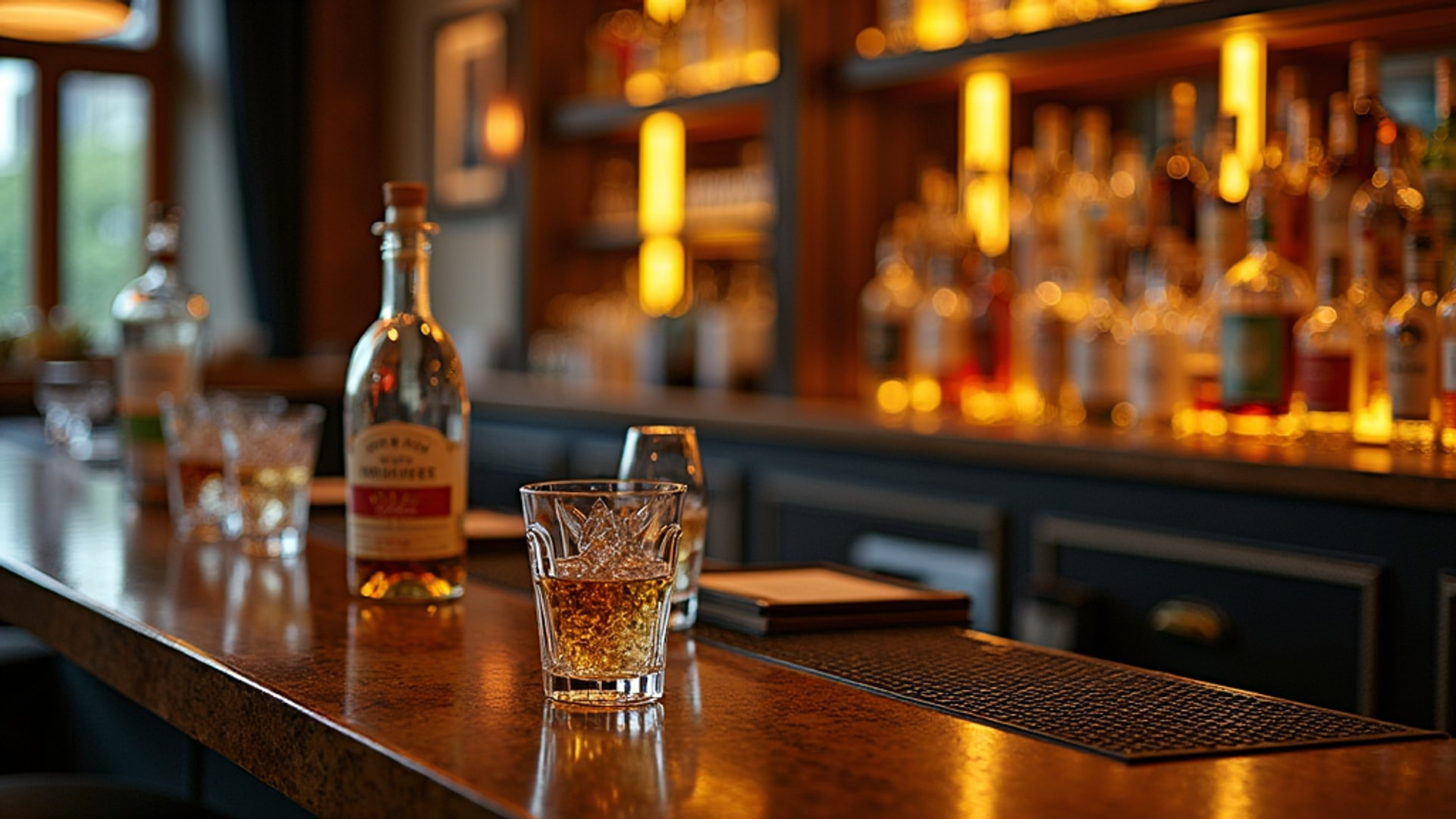
A practical breakdown of liquor license types, the application process, costs by state, and the strategic decisions every restaurant operator must make before serving alcohol.
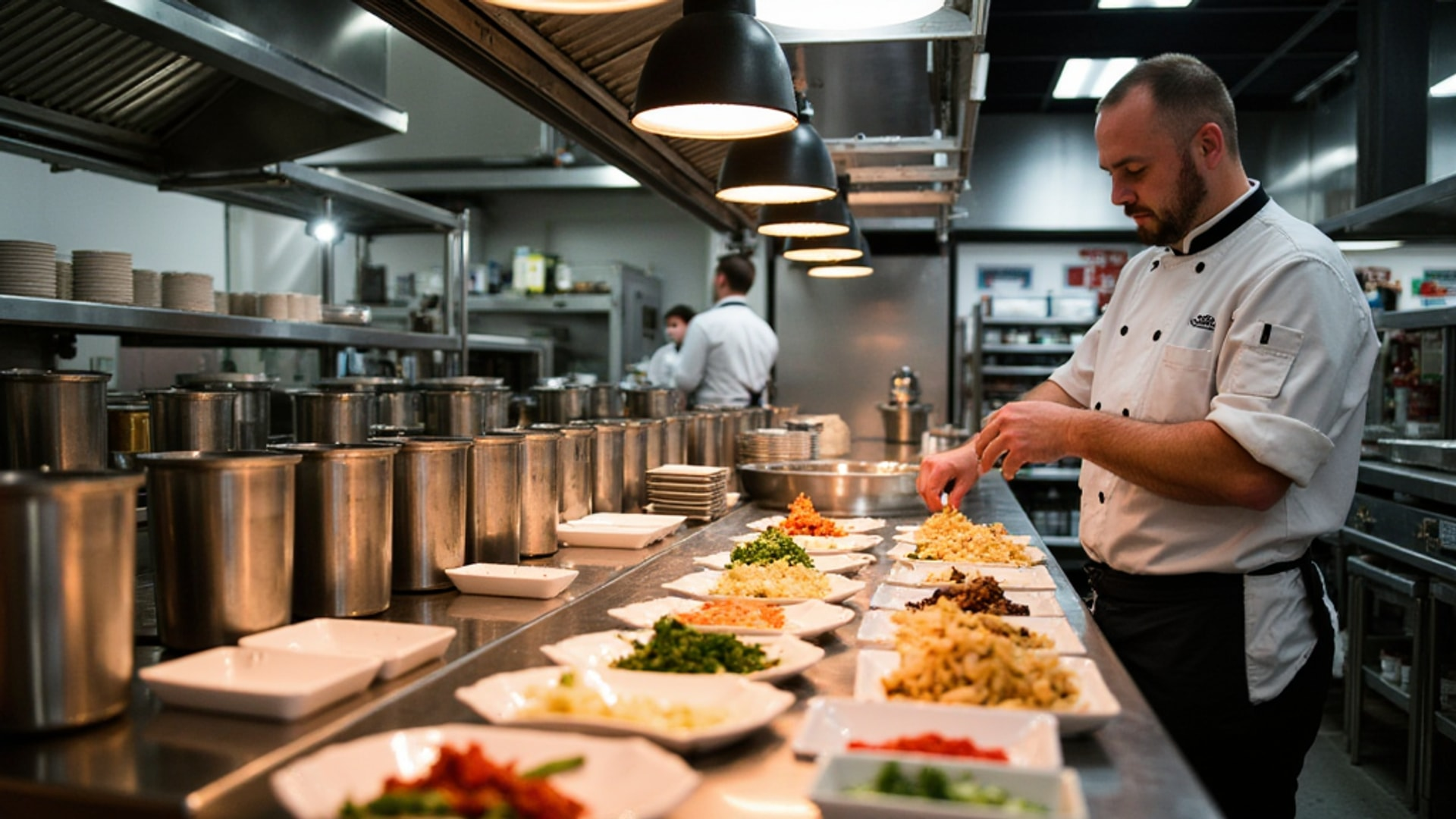
The daily, weekly, and monthly practices that control food costs — from tracking actual versus theoretical to portion discipline and supplier management.
Email marketing returns $42 for every $1 spent -- a 4,200% ROI. Here are the nine essential campaign types, the send times that maximize opens, segmentation strategies that boost return visits by up to 20%, and the metrics that actually matter.
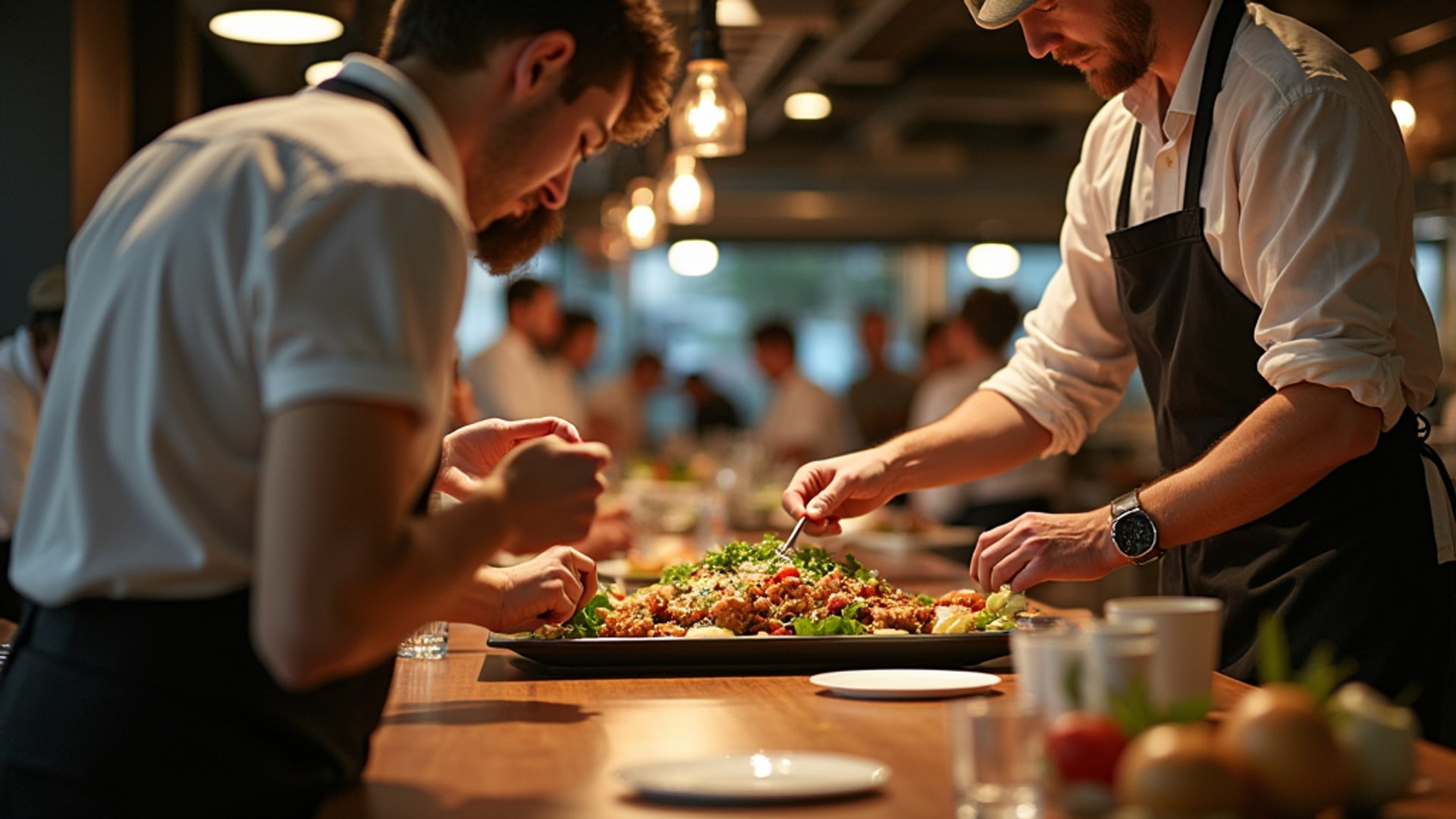
Operational consistency separates profitable restaurants from those that slowly bleed money. Here's the complete daily workflow — from opening prep to closing procedures — with the checklists and metrics that hold it all together.

Labor is your largest controllable cost, and most restaurants are both overstaffed at the wrong times and understaffed at the wrong times — fixing that gap is where the savings are.
Location is the one decision you can't redo. Learn how to evaluate trade areas, score candidate sites, analyze demographics and competition, negotiate a lease, and avoid the mistakes that sink restaurants before they serve a single meal.
A clear-eyed look at what DoorDash, Uber Eats, and Grubhub actually cost restaurants, and when building your own ordering channel makes more financial sense.