· Marketing · 10 min read
Restaurant Grand Opening Marketing: The Complete Playbook for a Successful Launch
Your grand opening is the single biggest marketing moment your restaurant will ever have. Here is the complete playbook: pre-launch buzz building, soft opening strategy, event-day tactics, common mistakes to avoid, and post-opening momentum.
Your grand opening is the single biggest marketing moment your restaurant will ever have. You will never again have this combination of newness, curiosity, and community attention focused on your business. According to GloriaFood, planning should start 2-3 months in advance, coordinating digital, traditional, and experiential tactics into a unified campaign.
But a grand opening is not just a party. It is the beginning of a multi-week campaign that builds anticipation before the event, creates a memorable experience during it, and maintains momentum afterward. According to TouchBistro, the grand opening is not a single event but a multi-week campaign that requires coordinating multiple marketing channels into a unified timeline.
This guide covers everything: the pre-launch phase that builds buzz, the soft opening strategy that prepares your team, the event-day tactics that maximize impact, the common mistakes that sink openings, and the post-opening follow-up that converts first-time visitors into regulars.
Pre-Launch Phase: 8-12 Weeks Before Opening
The pre-launch phase is where you build anticipation and prepare your operation for the spotlight.
Build Your Email List Early
According to TouchBistro, setting up a “Coming Soon” landing page with email registration should be one of your first marketing actions. Every person who signs up is a potential opening-day guest and a long-term marketing contact.
Your landing page should include:
- Your restaurant name, concept, and location
- An email signup form with a compelling reason to join (early access, exclusive offers, opening-day discounts)
- Your target opening date (even a rough timeframe like “Spring 2026”)
- Links to your social media profiles
Launch Social Media 6-8 Weeks Out
According to TouchBistro, social media promotion should begin at least two weeks before the grand opening, but starting earlier gives you more time to build an audience. Create profiles on all relevant platforms — Instagram, TikTok, Facebook — and build a content calendar.
Content that builds anticipation:
- Construction and buildout progress — people love watching a space transform
- Menu teasers — close-up shots of signature dishes
- Interior reveals — show the space coming together
- Team introductions — put faces to the brand
- Behind-the-scenes kitchen prep — build credibility and authenticity
- Countdown posts as the opening date approaches
Press and Influencer Outreach
According to TouchBistro, press releases with newsworthy angles should emphasize what makes the concept unique in your market. Local food editors, bloggers, and lifestyle writers are looking for stories, not press releases. Give them something specific: the chef’s background, an unusual concept, a commitment to local sourcing, or a notable design feature.
→ Read more: PR and Media Outreach for Restaurants: How to Earn Coverage That Money Can’t Buy
According to TouchBistro, influencer outreach should identify local food and lifestyle influencers aligned with your restaurant concept. Send personalized invitations — not form letters — with context about why their audience would be interested.
The Soft Opening: Your Operational Dress Rehearsal
Do not skip the soft opening. It is your last chance to find and fix problems before the public and the press form their first impressions.
Three-Tier Soft Opening Strategy
According to GloriaFood, a three-tiered approach works well:
Tier 1: Friends and Family
Invite your closest circle first. Their job is to provide honest feedback on food, service, and the overall experience. This audience is forgiving, which lets your team make mistakes and learn without the pressure of public scrutiny.
Tier 2: Local Business Owners
Invite neighboring business owners and community leaders. This builds the local relationships that will sustain your restaurant long after the grand opening buzz fades. According to Nation’s Restaurant News, community engagement transforms a restaurant from a business into a neighborhood institution.
Tier 3: Media and Influencers
Your final soft opening round should include press and influencers. By this point, your team has already worked through the worst operational issues, and you can deliver a polished experience that earns positive coverage.
What to Test During Soft Opening
Run your soft opening exactly like a real service:
- Full menu execution under time pressure
- POS system and payment processing under load
- Server workflow from greeting to check presentation
- Kitchen communication and ticket timing
- Bar service and beverage preparation
- Table turnover speed and bussing efficiency
Common Grand Opening Mistakes
According to MarketMan, experienced operators consistently identify the same critical errors. Avoiding these gives you a significant advantage.
Mistake 1: Underinvesting in Staff Training
According to MarketMan, owners often focus obsessively on food, decor, and launch marketing while underinvesting in staff training. The result is beautiful food served by a team that is not ready for prime time.
The fix: conduct full dress rehearsals simulating rush conditions. According to MarketMan, practice table turnover, payment flow, order-taking, and complaint resolution under pressure. Speed under pressure must be tested before the doors open.
Mistake 2: Untested Technology
According to MarketMan, launching without fully testing the technology stack — POS systems, printers, Wi-Fi, kitchen communication screens — leads to chaos on opening day. A slow POS system during your first service causes delays, missed orders, and frustrated customers.
The fix: test every component under simulated load. Process dozens of test orders through your entire system, from tablet ordering to kitchen printer to payment processing. Test your Wi-Fi with the number of devices that will be connected during a busy service.
Mistake 3: Too Many Menu Items
According to MarketMan, starting with an overly long menu creates kitchen inconsistency and customer indecision. On opening day, your kitchen team is still finding their rhythm. A 40-item menu makes that exponentially harder.
The fix: launch with a focused menu that your kitchen can execute reliably. You can always add items once operations stabilize.
Mistake 4: Spending Everything Before Opening
According to MarketMan, it takes at least two to three months to build up sales volumes after opening. Having reserves to cover losses during this period is essential.
The fix: budget your marketing and operating capital so you have at least three months of reserves after opening day, not zero. The grand opening generates excitement, but the slow weeks that follow are when many new restaurants fail.
Mistake 5: No Business Plan
According to MarketMan, starting without a solid business plan leads to unclear objectives and misaligned strategies during the high-stress opening period. When everything is chaotic (and it will be), a business plan serves as your decision-making framework.
Event Day: Making It Count
Your grand opening event is where all the planning pays off. Here are the tactics that maximize impact.
Opening Promotions
According to GloriaFood, core promotional strategies include:
- Opening discounts — 20% off the entire menu or BOGO on main dishes creates immediate incentive for first visits
- Digital coupons — personalized discount codes (like “OPENING10”) encourage repeat online orders after the event
- Giveaways and contests — prize drawings collect customer emails, building your marketing database from day one
Entertainment and Atmosphere
According to GloriaFood, live entertainment from local performers — singers, musicians, or other entertainers — creates a celebration atmosphere that differentiates your grand opening from a regular service night. This gives guests something to talk about and share.
Social Media Integration
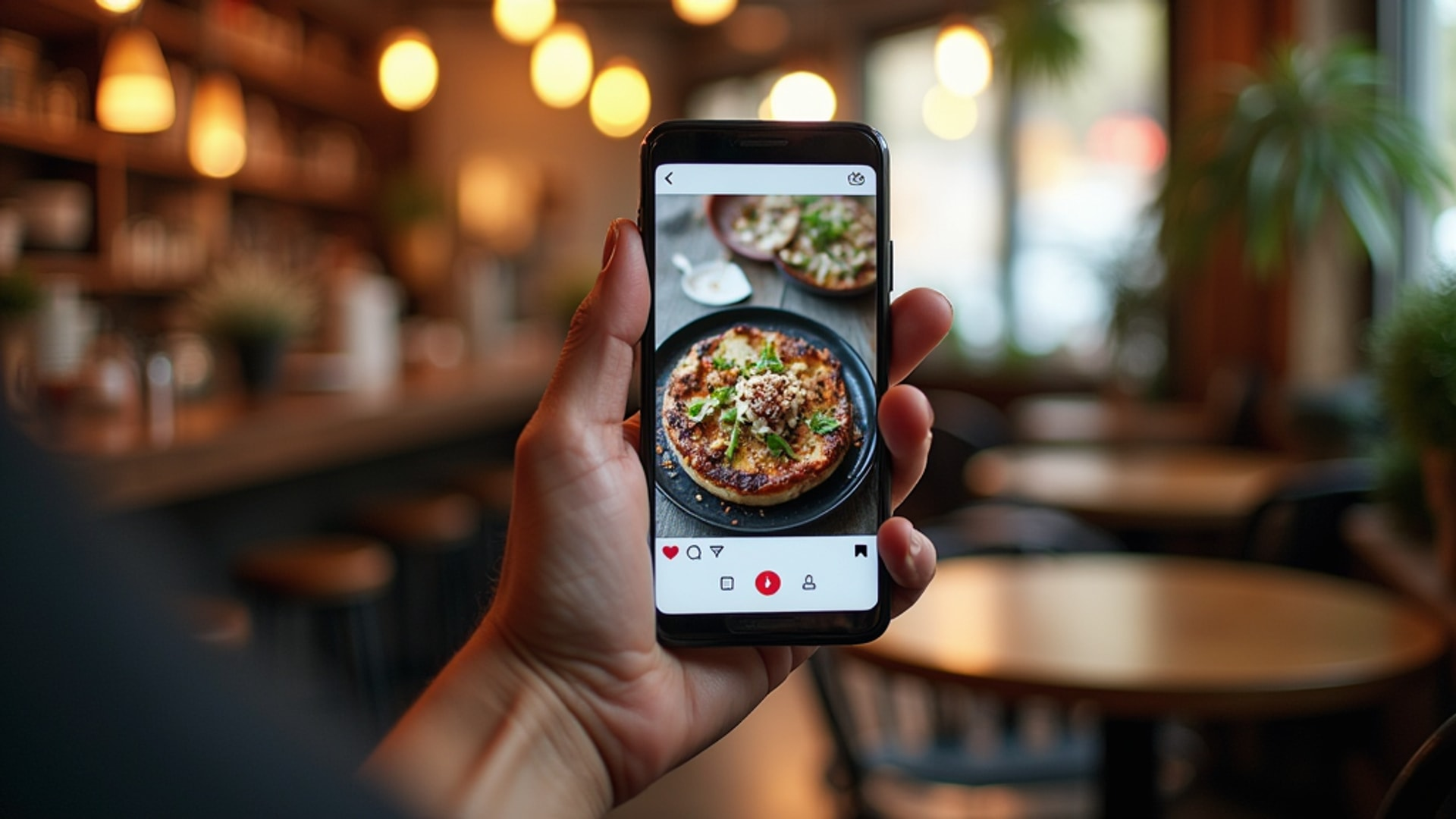
According to GloriaFood, creating an Instagrammable backdrop featuring your restaurant’s social media handle turns every guest into a potential promoter. Position it in good lighting, make it photogenic, and include your handle prominently.
According to TouchBistro, branded photo backdrops or selfie stations make it easy for guests to create and share content. Offer complimentary menu items to first attendees with limited quantities to create urgency.
Capacity Management
According to GloriaFood, advanced reservations with integrated pre-ordering manage capacity and increase table turnover during the rush. You do not want your grand opening remembered for two-hour waits and frustrated guests.
Consider staggering reservations in 15-minute blocks rather than seating everyone at once. This smooths the workload for both your kitchen and your service team.
Data Collection
Every guest at your grand opening is a potential long-term customer. According to TouchBistro, a loyalty signup drive that exchanges freebies for customer contact information converts opening-day guests into long-term marketing targets.
Methods for collecting contact information:
- Loyalty program signup in exchange for a free appetizer or dessert
- Prize drawing entry cards (physical or digital)
- QR code to your email list landing page on every table
- Follow-for-a-chance-to-win social media contests
Post-Opening: Maintaining Momentum
The grand opening generates a spike of attention. What you do in the weeks after determines whether that spike becomes sustainable traffic or a one-time event.
Follow Up Within One Week
According to TouchBistro, follow-up communications within the first week keep the restaurant top-of-mind while the experience is fresh. Send a thank-you email to everyone who signed up for your list, including:
- A thank-you message referencing the grand opening
- A “comeback” offer (percentage off, free appetizer on next visit)
- Links to your social media and review profiles
- Your reservation link
Build Community Connections
According to Nation’s Restaurant News, community engagement drives tangible business results beyond brand awareness. Restaurants embedded in their communities enjoy higher customer retention rates, stronger word-of-mouth referrals, and increased local media coverage.
Post-opening community strategies:
- Event sponsorships — support local sports teams, school programs, or cultural events. According to Nation’s Restaurant News, this demonstrates long-term commitment to the community.
- Charitable partnerships — host nights where a portion of proceeds benefits local nonprofits. This generates goodwill and positive word-of-mouth.
- Cross-promotions — partner with complementary local businesses (retailers, wineries, entertainment venues) to expose your restaurant to new customer bases.
- Local sourcing — according to Nation’s Restaurant News, partnerships with nearby farms and producers enable authentic farm-to-table marketing that customers value.
Sustain Social Media Momentum
Your social media should not go quiet after the grand opening. Continue posting:
- Guest photos and user-generated content (with permission)
- New menu items and seasonal specials
- Behind-the-scenes content from the kitchen
- Staff spotlights
- Community involvement and partnership announcements
Monitor and Respond to Reviews
Your first reviews are forming within days of opening. Monitor Google Business Profile, Yelp, and other platforms daily. Respond to every review — positive and negative — professionally and promptly. These early reviews will influence potential guests for months to come.
Your Grand Opening Timeline
12 Weeks Before Opening
- Finalize restaurant name, concept, and branding
- Create “Coming Soon” landing page with email signup
- Set up social media profiles
- Begin documenting buildout progress for content
8 Weeks Before
- Start regular social media posting (3-5 times per week)
- Begin press and influencer outreach
- Finalize menu for opening
- Hire and begin training staff
4 Weeks Before
- Schedule soft opening dates (three tiers)
- Install and test all technology systems
- Begin email marketing to growing list
- Confirm entertainment and event details
2 Weeks Before
- Conduct Tier 1 soft opening (friends and family)
- Fix issues identified in first soft opening
- Ramp up social media teaser content
- Confirm media and influencer RSVPs
1 Week Before
- Conduct Tier 2 soft opening (local business owners)
- Conduct Tier 3 soft opening (media and influencers)
- Full dress rehearsal with rush-condition simulation
- Prepare all grand opening promotional materials
Opening Day
- Execute event with all planned promotions
- Collect guest contact information at every opportunity
- Document the event with professional photography and video
- Monitor social media mentions and engage in real time
Week 1 After Opening
- Send thank-you emails to all contacts collected
- Include comeback offer in follow-up communication
- Monitor and respond to all reviews
- Debrief with team on what worked and what needs improvement
Weeks 2-12 After Opening
- Maintain consistent social media posting
- Launch community engagement initiatives
- Track sales trends and guest counts weekly
- Adjust marketing tactics based on performance data
The Bottom Line
Your grand opening is a once-in-a-lifetime opportunity. You will never again have the combined attention of local media, food influencers, curious neighbors, and the general public focused on your restaurant at the same time.
But according to MarketMan, it takes at least two to three months to build up sales volumes after opening. The grand opening generates awareness; the weeks and months that follow convert that awareness into sustainable business.
Plan 2-3 months in advance. Run a thorough soft opening. Avoid the five common mistakes. Collect every email and phone number you can on opening day. Follow up within a week. And then invest in the community relationships that will sustain your restaurant long after the opening-day excitement fades.
→ Read more: Community Engagement: Local Marketing That Builds Loyalty → Read more: Restaurant Customer Retention: Beyond Loyalty Programs → Read more: Local SEO and Google Business Profile: The Free Marketing Channel Most Restaurants Ignore