· Marketing · 15 min read
Restaurant Loyalty Programs: How to Design a Retention Engine That Pays for Itself
Loyalty program members spend 18-30% more per visit than non-members, and acquiring a new customer costs 5-25x more than retaining one. Here is how to design a program that drives frequency without eroding your margins.
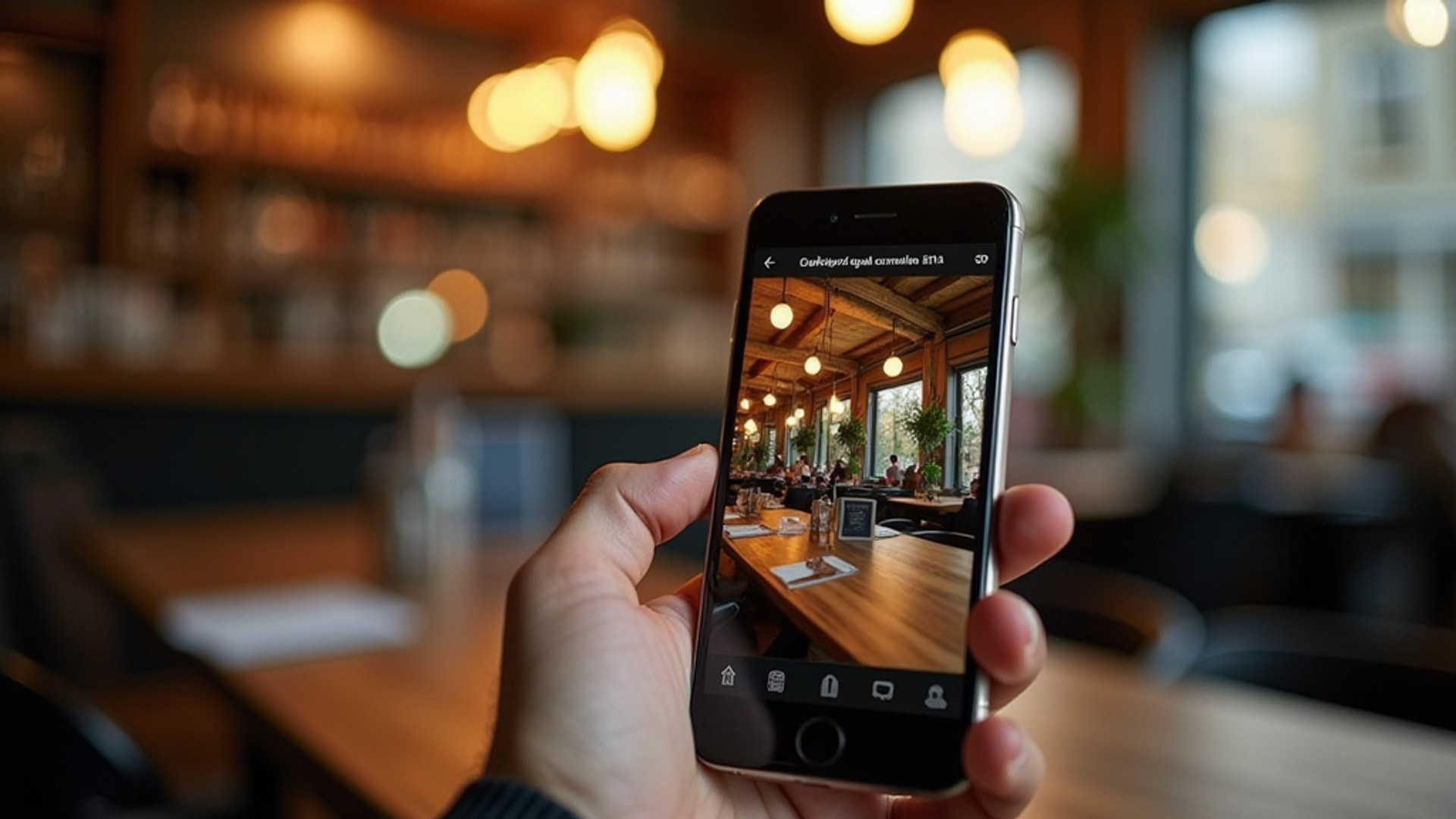
Most restaurant loyalty programs fail. They launch with enthusiasm, burn through margins on blanket discounts, and quietly fade when the numbers stop making sense. The programs that succeed share a different DNA: they are designed for frequency rather than average order value, they reward behavior rather than just spending, and they protect margins while delivering genuine value.
The business case is not subtle. According to Open Loyalty, loyalty program members spend 18-30% more per visit than non-members. According to Harvard Business Review data cited in multiple industry analyses, increasing customer retention by just 5% can boost profits by 25-95%. And according to Learn With Shopify, acquiring a new customer costs 5-25 times more than retaining an existing one.
This guide covers the program models that work, the design principles that protect your margins, and the implementation details that determine whether your program becomes a revenue engine or a costly distraction.
Why Retention Beats Acquisition
The math is simple. A new customer requires awareness, trust-building, and a first visit before generating any revenue. An existing loyal customer returns regularly, orders more confidently (often choosing higher-margin items), and recommends the restaurant to others. According to SevenRooms, 52% of consumers recommend restaurants they are most loyal to.
Nearly 70% of consumers are interested in joining a loyalty program for brands they like, according to Learn With Shopify research. And almost 60% of loyal customers will spend more with a preferred brand even when cheaper alternatives exist. When you make it easy for satisfied customers to become repeat customers, you are building a revenue base that compounds over time.
→ Read more: Restaurant Customer Retention: Beyond Loyalty Programs
The Economics of Retention
Understanding the numbers behind retention helps justify the investment in a loyalty program and guides design decisions.
The retention advantage starts with acquisition cost. According to MarketMan, every restaurant marketing plan should track customer acquisition cost (CAC). When you factor in the advertising, promotions, and operational effort required to bring in a first-time guest, the cost is substantial. A returning customer costs essentially nothing to acquire on their second, fifth, or fiftieth visit. Every return visit is almost pure margin improvement on the acquisition investment.
Beyond repeat visits, loyal customers drive revenue in ways that new customers cannot. They order with confidence, often choosing higher-margin items they have learned to love. They visit during off-peak hours because they are coming for the experience, not just because they happened to search for a restaurant nearby. And they bring friends, effectively functioning as unpaid marketing.
According to Restroworks, investing in the local community through sponsoring events, partnering with organizations, and sourcing from nearby suppliers strengthens connections with customers and generates authentic word-of-mouth. When this community investment is connected to a loyalty program, it creates a virtuous cycle: the program gives loyal customers a reason to keep coming, and their word-of-mouth recommendations bring in new customers who then enter the program.
Four Program Models That Work
Not every loyalty structure fits every restaurant. The right model depends on your concept, your transaction frequency, and your technology infrastructure.
Points-Based Systems
The simplest model to understand and implement. Customers earn points per dollar spent and redeem them for rewards. According to Open Loyalty, Pizza Hut’s Hut Rewards program earns 2 points per dollar with a free medium pizza at 200 points. McDonald’s MyMcDonald’s Rewards program awards 100 points per dollar across four reward tiers.
Points programs work best for fast-casual and quick-service concepts where transaction frequency is naturally high. They are straightforward for staff to explain and for guests to understand. The risk is that they can feel purely transactional if not supplemented with relationship-building elements.
For independent restaurants, a points program can be as simple as a digital punch card. The critical design question is how many visits or dollars it takes to earn a reward. Too many, and customers disengage. Too few, and you erode margins. The sweet spot is typically 5-10 visits for a meaningful reward, keeping the goal visible and achievable.
Tiered Membership
Progressive benefits based on spending or visit levels create aspirational goals that motivate increased frequency. According to Open Loyalty, Subway’s MVP Rewards uses three tiers — Pro, Captain, and All-Star — with over 32 million members. Chick-fil-A One has four membership levels earning 10-13 points per dollar depending on tier. Starbucks Rewards, the industry leader with 30.4 million US members, uses Green and Gold status tiers with deep mobile payment integration.
Tiered programs create a psychological drive to reach the next level. For a restaurant, tiers might look like: a base level with basic recognition, a silver tier with birthday dessert and priority seating, a gold tier with exclusive menu items or chef’s table access, and a top tier with private dining events and first access to new menu launches.
Subscription Models
Fixed monthly or annual fees for premium benefits generate predictable recurring revenue. According to Antavo, Panera’s Unlimited Sip Club is the leading restaurant example, offering unlimited beverages for a monthly fee. The upfront payment creates psychological commitment that drives repeat visits — members who have already paid feel compelled to visit frequently to get their money’s worth.
Subscriptions work for restaurants with enthusiastic fan bases. A monthly membership might include one free entree, unlimited coffee, or exclusive event invitations. The key is pricing the subscription to generate net positive revenue after accounting for redemptions.
Hybrid Approaches
Most major chains now combine points, exclusive offers, and gamified mechanics. According to Open Loyalty, Chipotle Rewards has over 30 million members and combines points with gamified challenges and badge achievements. According to Antavo, MyPanera Rewards peaked at 40 million members with visit-based rewards and personalized birthday surprises.
Hybrid models offer maximum flexibility but require more sophisticated technology and communication. They work best when built around a mobile app that handles the complexity behind a simple user interface.
Five Design Principles That Protect Margins
The difference between a profitable loyalty program and a margin-eroding discount scheme comes down to design. These principles apply regardless of which model you choose.
Quick-Earn, Quick-Burn
According to Antavo, people are more motivated as they get closer to a goal. Programs with distant, hard-to-reach thresholds see lower engagement. Make rewards accessible enough that customers can earn and redeem within a reasonable number of visits. A coffee shop that requires 50 visits for a free drink will lose members to a competitor offering one after 9.
Short reward cycles keep customers engaged and feeling that the program delivers real value. The first redemption is the most important — it validates the customer’s decision to join and sets the habit of participation.
Low-Cost, High-Perceived Value
This is where the real margin protection happens. According to Antavo, free treat offers with an order consistently outperform cash-equivalent discounts. A complimentary dessert costs the restaurant far less than a $10 discount but feels more valuable to the customer.
Think about what you can give away that costs you little but delights guests: a signature appetizer with a food cost of $2, a house cocktail, a special off-menu item, access to a preferred table. The goal is generosity that is sustainable, not discounts that train customers to wait for deals.
Gamification
Turning the loyalty journey into something engaging beyond transactions drives participation. According to Antavo, KFC UK uses a Rewards Arcade with game-based mechanics. Chipotle integrates challenges and badge achievements that add entertainment value.
Gamification does not require complex technology. Simple challenges work: try all five signature sandwiches and earn a reward, visit during three different dayparts in a month, bring a friend who joins the program. These mechanics create engagement that feels playful rather than purely commercial.
Personalization
According to Open Loyalty, tailored offers based on purchase history and preferences drive higher redemption rates. If your data shows that a member always orders the chicken entree, sending them a personalized offer for a complimentary side with their next chicken order feels relevant and appreciated. A generic 10% off coupon does not.
According to Campaign Monitor, personalized email campaigns are 26% more likely to be opened. The combination of loyalty program data and targeted communication creates a feedback loop where every interaction becomes more relevant.
Omnichannel Integration
According to Antavo, programs must work seamlessly across in-store, app, website, and delivery platforms. Customers expect to earn and redeem rewards regardless of ordering channel. A program that only works at the register but not through your delivery platform frustrates the growing number of customers who order online.
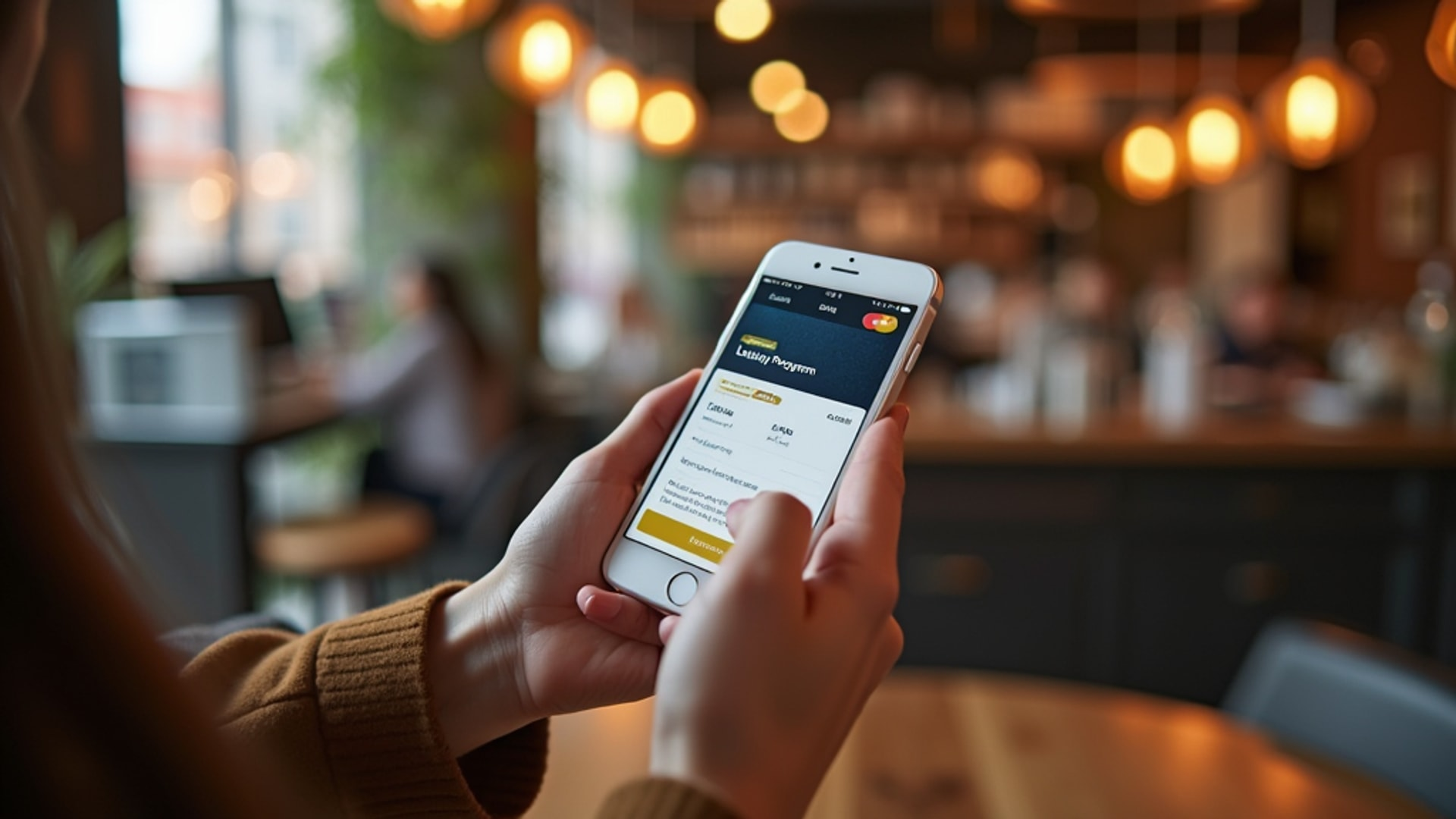
According to Open Loyalty, all top-performing programs integrate deeply with dedicated mobile apps for seamless point tracking and payment. The app becomes the interface that ties the entire program together.
Six Critical Success Factors
Analysis of the most successful restaurant loyalty programs reveals six shared traits that separate programs that thrive from those that fade.
- Simplicity — Easy-to-understand earning and redemption rules that can be explained in one sentence
- Mobile-first design — Deep app integration for seamless tracking, payment, and communication
- Tiered structures — Progressive benefits that motivate members to increase visit frequency
- Personalization — Tailored offers based on purchase history and individual preferences
- Gamification — Challenges, badges, and achievements that add engagement beyond transactions
- Multi-channel redemption — Flexibility through app, QR codes, digital cards, and in-store options
Look at any program that has reached scale — Starbucks at 30.4 million members, Chipotle at over 30 million, Subway at over 32 million — and you will find all six traits present. The programs that stall at a few thousand members are typically missing two or three of these elements.
Building Your Email List Through the Program
A loyalty program is also one of the most effective email list-building tools available. Every enrollment captures a customer’s contact information with their explicit consent, creating a direct communication channel that does not depend on social media algorithms or paid advertising.
According to Campaign Monitor, the restaurant industry sees an average open rate of 18.5% for email campaigns, a click-through rate of 2.0%, and an unsubscribe rate of just 0.1%. These are strong engagement numbers that make email one of the most cost-effective marketing channels available.
List-building strategies that work alongside a loyalty program include:
- QR codes on table tents and receipts linking to program enrollment
- Website forms offering immediate value, such as a free appetizer for signing up
- Point-of-sale staff training for natural enrollment conversations during checkout
- Social media giveaways requiring email signup and program enrollment to enter
According to Campaign Monitor, over 70% of email is read on mobile devices. Every loyalty program email should be mobile-optimized with clear, tappable call-to-action buttons.
Supporting Your Program with Email
A loyalty program does not operate in isolation. According to Campaign Monitor, email marketing delivers a 4,200% ROI with 43% open rates in the restaurant industry, making it the ideal channel to support program engagement.
Essential email campaigns for loyalty program support include:
- Welcome sequences — Deliver an immediate incentive when someone joins, showcase menu highlights by day 3, share testimonials by day 7. According to Campaign Monitor, welcome emails achieve a 91.43% open rate.
- Milestone notifications — “You are only 50 points away from a free entree” messages create urgency and motivate the next visit.
- Birthday and anniversary emails — Schedule 7-10 days before the occasion for optimal conversion.
- Re-engagement campaigns — “We miss you” offers with incentives for members inactive 30+ days.
- Loyalty tier updates — Celebrate when members reach a new level to reinforce the aspirational element.
According to Campaign Monitor, optimal send times for restaurant promotions are 9:30-10:30 AM for lunch and 3:00-4:00 PM for dinner, when people are actively thinking about their next meal.
The Staff Factor: Your Front Line for Enrollment
Technology and design are important, but your loyalty program lives or dies based on what happens at the point of customer interaction. Staff enthusiasm and training determine enrollment rates more than any other factor.
Train servers and counter staff to mention the program naturally during service. The most effective approach is a brief, low-pressure mention during checkout or when a customer expresses satisfaction. A server who says “By the way, are you part of our rewards program? You would have earned a free appetizer with tonight’s order” is far more persuasive than a sign on the wall.
According to Peblla, a friendly, confident team drives organic engagement. Staff who genuinely believe in the program and can explain its benefits in one or two sentences enroll more members than any promotional campaign. Make sure your team understands not just the mechanics of the program but the genuine value it offers — and that they are rewarded for successful enrollments.
Consider setting team enrollment targets and celebrating milestones. When your staff sees the loyalty program as part of their job rather than an afterthought, enrollment rates climb.
Value-Based Programs: The Emerging Alternative
Not every loyalty program needs to be transactional. According to Learn With Shopify, value-based programs align with customer values rather than offering direct rewards. A restaurant might plant a tree for every 10 visits, donate a meal to a food bank for every loyalty milestone, or fund local farm partnerships through program participation.
This approach resonates with consumers who increasingly want their spending to reflect their values. The key insight from the research is clear: customers are not just looking for discounts. They want meaningful connections with brands they support. For restaurants with a strong sustainability or community mission, a value-based program can reinforce brand identity while building loyalty.
Common Mistakes That Kill Loyalty Programs
Even well-intentioned programs fail when operators make avoidable errors.
Setting the bar too high. If earning a reward requires 20 visits or $500 in spending, most customers will never get close enough to care. The first reward must be achievable within 3-5 visits to create the habit of participation.
Relying on discounts as the primary reward. Percentage-off coupons train customers to wait for deals rather than visiting on their own schedule. According to Antavo, low-cost, high-perceived-value rewards like complimentary treats protect margins while delivering satisfaction that discounts cannot.
Ignoring the enrollment experience. If signing up requires filling out a lengthy form, downloading an unfamiliar app, or waiting in line, customers will walk away. The enrollment process should take under 30 seconds.
Failing to communicate. A program that customers forget about delivers no value. Regular email communication, milestone alerts, and personalized offers keep the program top of mind. According to Campaign Monitor, the ideal cadence includes welcome sequences, milestone notifications, and periodic re-engagement campaigns.
Not tracking results. A loyalty program without data is just a cost center. Track enrollment rates, active member percentages, redemption rates, visit frequency changes, and average ticket comparisons between members and non-members. Review these metrics quarterly and adjust the program design based on what the data reveals.
Implementation Checklist
- Define your program model (points, tiered, subscription, or hybrid)
- Set reward thresholds that are achievable within 3-5 visits
- Design rewards that are low-cost but high-perceived value
- Choose technology (dedicated app, POS integration, or third-party platform)
- Train staff to explain the program naturally and enroll customers
- Build email sequences for welcome, milestones, birthdays, and re-engagement
- Ensure the program works across all ordering channels
- Define KPIs: enrollment rate, active member percentage, redemption rate, visit frequency change
- Set a review cadence to evaluate program economics quarterly
Measuring Program Success
A loyalty program without measurement is just a cost center. Track these metrics monthly and review the program design quarterly.
Enrollment rate — What percentage of customers are joining the program? If enrollment is low, the signup process may be too cumbersome or staff may not be promoting it effectively.
Active member percentage — What percentage of enrolled members have earned or redeemed in the last 90 days? A high enrollment rate with low active participation means the program is not engaging enough.
Redemption rate — What percentage of earned rewards are being redeemed? Very low redemption means rewards feel inaccessible. Very high redemption with no visit frequency increase means you are giving away rewards without changing behavior.
Visit frequency change — Are members visiting more often after joining than they did before? This is the single most important metric. If the program is not increasing visit frequency, it is not working.
Average ticket comparison — Compare average spend per visit for members versus non-members. According to Open Loyalty, members should be spending 18-30% more.
Program ROI — Calculate the total cost of rewards redeemed plus technology and communication costs. Compare against the incremental revenue from increased visit frequency and higher average tickets. A well-designed program should pay for itself within the first year.
The Bottom Line
The best loyalty programs do not feel like marketing. They feel like appreciation. According to Learn With Shopify, the most effective programs make customers feel valued, not just incentivized. When you design for genuine relationship-building rather than pure transaction optimization, you create something that customers want to participate in — and that is when the economics take care of themselves.
Start with your existing regulars. Understand what brings them back. Build a program that formalizes and amplifies whatever is already working. Then let the data guide you toward refinement. The restaurants that get loyalty right do not just retain more customers — they turn those customers into advocates who do the most valuable marketing of all: telling their friends.
→ Read more: Referral Programs: Building a System That Makes Your Customers Do Your Marketing → Read more: Restaurant Mobile App Marketing: Doubling Orders with Push Notifications and First-Party Data → Read more: Restaurant CRM and Data-Driven Marketing: Turning Guest Data into Revenue