· Marketing · 7 min read
Pop-Up Restaurant Marketing: Using Temporary Concepts to Build Permanent Buzz
How restaurants use pop-up concepts as a marketing and revenue strategy — to test new ideas, reach new audiences, and generate the kind of buzz that a permanent location cannot manufacture.
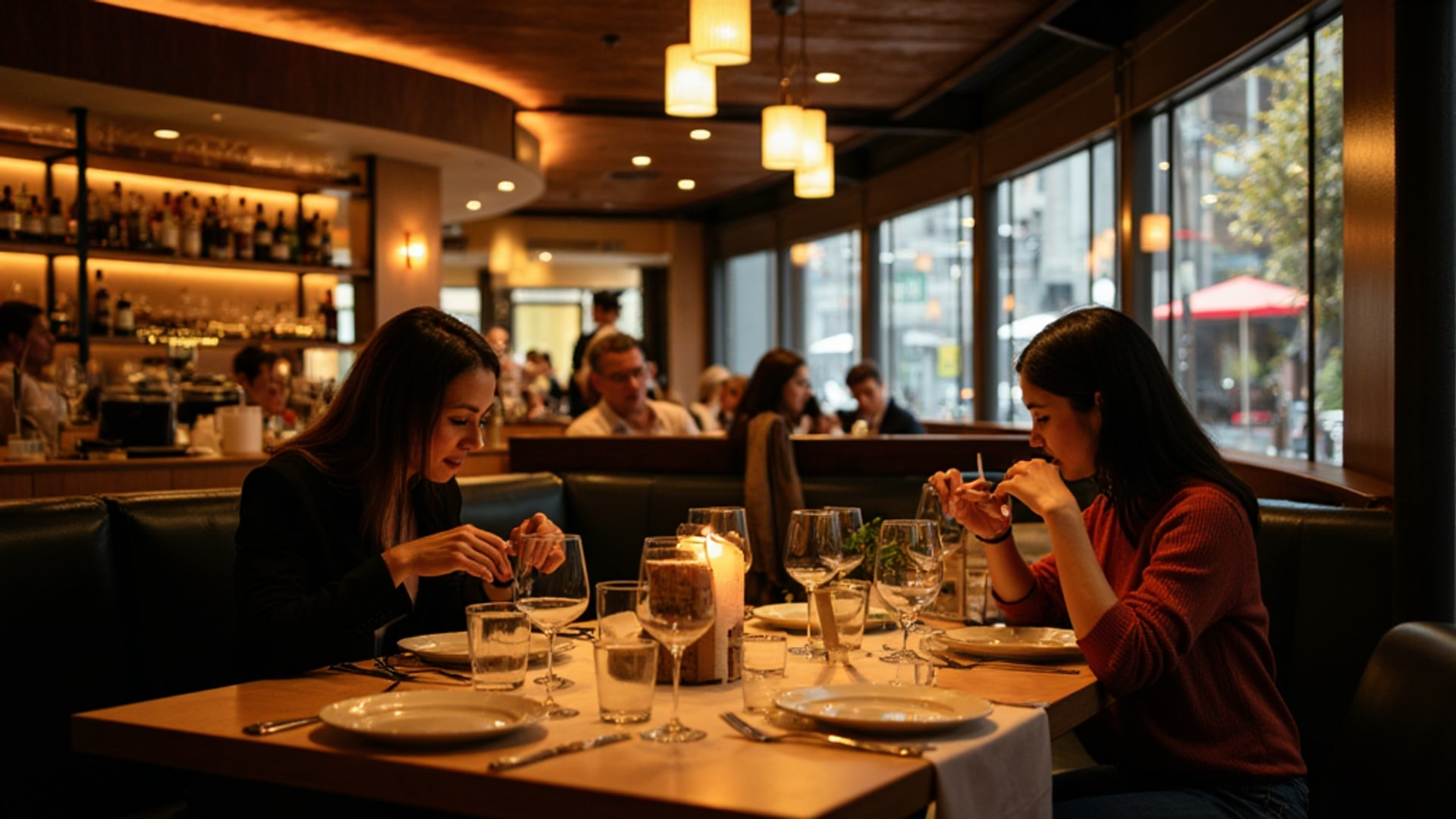
Pop-up restaurants operate for a limited time in non-traditional locations — days, weeks, or months — hosted in existing restaurants on off days, bars, arcades, bowling alleys, theaters, or private homes. Toast describes them as a low-cost, flexible entry point for testing new concepts, menus, or markets.
But the real reason operators should care about pop-ups is marketing. The scarcity that defines a pop-up — available only here, only now — is the most powerful urgency driver in the restaurant industry. When diners know an experience is genuinely temporary, they act immediately rather than indefinitely postponing. Pop-ups are natural social media conversation starters, word-of-mouth generators, and media magnets.
Why Pop-Ups Work as Marketing Strategy
The psychology behind pop-up success is straightforward: scarcity creates urgency. When diners know a pop-up experience is available only for a limited period, they book immediately rather than procrastinate. This scarcity psychology makes pop-ups natural social media content that people want to share before it disappears.
The marketing flywheel of a well-executed pop-up:
- Pre-launch announcement builds anticipation and email signups
- Limited availability creates urgency and early sell-outs
- Social sharing by attendees amplifies reach during the event
- Media coverage before and after extends the audience
- Post-event recap content builds the story for the next one
- Customer data collected becomes the foundation for future marketing
Each step generates the next. A pop-up that sells out quickly generates more buzz than one with available seats — so building controlled scarcity into the launch strategy is worth doing intentionally.
Pop-Up Formats for Different Goals
Toast identifies several distinct purposes for pop-up concepts. Match the format to the goal or you will not know what success looks like.
For Established Restaurants: The Test Kitchen Pop-Up
Use a pop-up to experiment with a new cuisine style, a seasonal menu, or an alternative brand concept without risking the core business. Host it in your own space on a closed night (Monday or Tuesday), give it a distinct name and identity, and price it separately from your regular menu.
Benefits:
- Test market response to new dishes before committing them to the permanent menu
- Create press and social media interest in what you are working on
- Attract food enthusiast customers who specifically seek new experiences
- Use the feedback to refine the concept before a permanent launch
Example: A French bistro hosts “Monday Night Izakaya” — a Japanese small plates pop-up in the same space, with different plating, different music, and a different reservation experience. If it sells out three weeks running, it earns a permanent place on the calendar. If response is modest, the data was cheap to collect.
For Aspiring Restaurateurs: The Concept Validation Pop-Up
Before signing a lease, a pop-up validates demand, builds a customer list, and demonstrates operational capability to potential investors. This is the cheapest market research you will ever do.
What a pre-launch pop-up accomplishes:
- Builds an email list of interested customers before the permanent location opens
- Tests the menu with paying customers and collects real feedback
- Generates press coverage as a “restaurant to watch”
- Identifies which dishes become signature items through actual ordering data
- Builds the operational team’s confidence and cohesion before full service
For Reaching New Neighborhoods: The Market Expansion Pop-Up
Test demand in a neighborhood before committing to a new location. Operate for 4-8 weeks at a temporary location in the target area, tracking customer origin ZIP codes, average check, and repeat visit rate. If the numbers do not support a permanent location, you saved yourself a catastrophic lease commitment.
Building the Pre-Launch Buzz Campaign
The marketing campaign for a pop-up follows a distinct pattern. The pre-launch phase is where the business value is built or squandered.
8-6 weeks before:
- Announce the concept on social media with a strong teaser (no dates yet — build the email list first)
- Create a simple landing page with a “Join the waitlist” email capture
- Brief 5-8 local food influencers with an exclusive preview or sneak peek
- Pitch the story to local food media: “New temporary concept announces dates next week”
4-2 weeks before:
- Email the waitlist with first access to reservations, 24 hours before public release
- Announce publicly on social media with reservation link
- Post behind-the-scenes content: kitchen setup, menu development, space transformation
- Activate influencer coverage with preview photos and personal endorsements
1 week before:
- “Almost sold out” update if inventory is moving (never lie about this — it destroys trust)
- Final media outreach for press coverage during the event
- Staff briefing on the experience and how to tell the story to guests
During the pop-up:
- Post real-time content: full dining room, service in action, reactions
- Encourage guest sharing with a branded hashtag specific to the pop-up
- Capture media moments for post-event content
- Collect email addresses from walk-in inquiries for the next pop-up
Themed Pop-Ups: The Social Media Multiplier
Themed pop-ups have gained particular traction in the social media era. Immersive dining experiences with distinctive decor, storytelling elements, and Instagram-worthy moments generate organic sharing that extends marketing reach far beyond the attendee count.
Themes that generate high social sharing:
- Decade-specific: 1970s disco dinner, 1990s diner revival — guests come in period clothing
- Culinary traditions: Oaxacan mole dinner with a visiting Mexican chef, Sicilian seafood feast
- Collaborative concept: Brought in a guest chef from another city, creating a one-night collaboration
- Ingredient focus: The whole truffle dinner, the 12-course tomato menu during peak season
- Cultural event tie-in: Pop-up tied to a local food festival, art opening, or film screening
The key is that the experience must be genuinely worth photographing and sharing. Restaurant Engine puts it well: the environment acts as a content prompt. Design intentional moments that guests want to document.
Financial Viability of Pop-Ups
Pop-ups can be highly profitable due to lower overhead, limited staff requirements, and premium pricing for exclusive experiences. The financial model typically looks like:
| Cost Category | Pop-Up Advantage |
|---|---|
| Rent | Zero or minimal (using existing space off-hours or shared venues) |
| Labor | Tightly scoped — exact staff needed for exact number of covers |
| Menu complexity | Controlled — limited, curated menu reduces waste |
| Marketing | Primarily organic social — lower paid media spend |
| Pricing | Premium justified by exclusivity and limited availability |
A pop-up running Friday through Sunday with 40 covers per night at a $75 average check generates $9,000 in revenue over one weekend. With controlled food costs (30-35%) and lean staffing, net revenue after costs can exceed $4,000-$5,000 for three days of operation.
What to Do After the Pop-Up
The post-event period is where most operators leave marketing value on the table.
Post-pop-up marketing actions:
- Send a recap email to attendees within 48 hours: photos, highlights, what you learned
- Post a recap video or photo series on social media — this is often the highest-engagement content in the whole campaign
- Reach out to anyone who joined the waitlist but did not get in — first priority for the next event
- Pitch the coverage story to local media: “Sold out three nights — here’s what happened”
- Announce the next one while audience interest is peak: “Round 2 coming in six weeks — waitlist opens Monday”
The customer list you build through pop-ups is an asset. Every email captured is a person who was interested enough to register. Nurture that list. They are your most qualified leads for the permanent restaurant.
Pop-Ups as a Long-Term Strategy
The most successful operators do not treat pop-ups as one-off events. They build a pop-up program — quarterly or monthly recurring concepts that generate ongoing buzz, cultivate a dedicated audience, and test new ideas continuously.
This turns a marketing tactic into a marketing system. Each pop-up feeds the next. The audience grows. The media familiarity deepens. The operational expertise compounds. And the permanent business benefits from the perpetual sense that something interesting is always happening here.
→ Read more: Marketing Experiential Dining: Selling Memories, Not Just Meals → Read more: Guerrilla Marketing for Restaurants: Low-Cost, High-Impact Tactics → Read more: PR and Media Outreach for Restaurants: How to Earn Coverage That Money Can’t Buy