· Marketing · 7 min read
Private Dining and Event Marketing: Turning Your Dining Room into a Revenue Machine
How to market and sell private dining and special events as a 30-40% revenue booster, with strategies that work year-round, not just during the holidays.
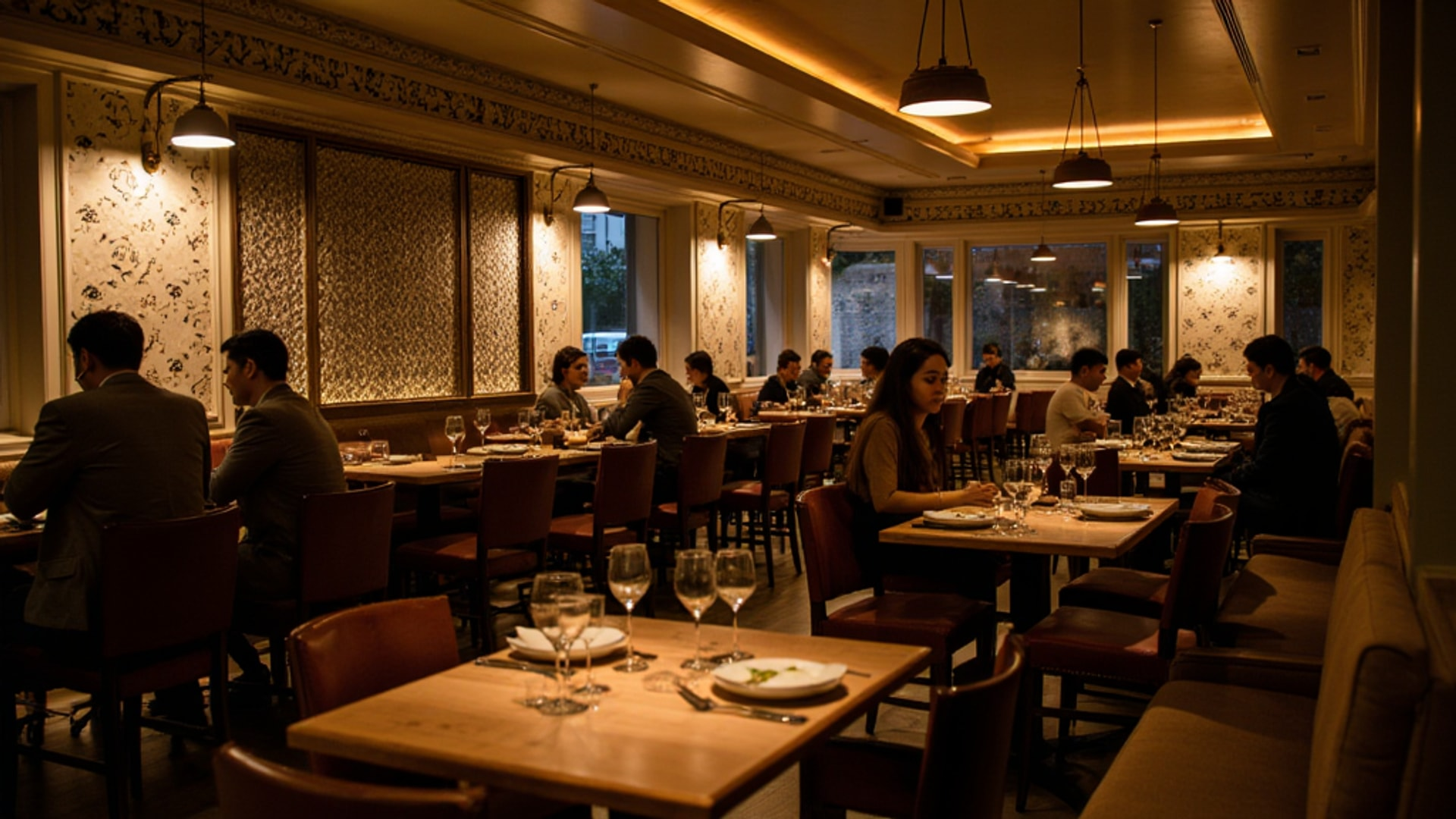
According to OpenTable, nearly 72% of people interested in private events would choose a restaurant or hotel as their venue. Private events can increase restaurant revenue by 30-40%. And experience dining — the category that includes private events, chef’s tables, wine dinners, and interactive experiences — increased 27% in 2024 versus 2023.
Most restaurants treat private dining as a convenient side income that shows up when someone calls and asks about it. The operators making real money from it treat private dining as a year-round marketing priority with its own strategy, its own sales funnel, and its own content calendar.
The Revenue Math
Private dining deserves serious strategic attention because of its financial profile:
- Higher average check: Private events command premium pricing — per-head minimums, beverage packages, and service charges push average revenue well above regular dining
- Predictable revenue: Deposits and advance bookings provide cash flow visibility
- Efficient labor: A party of 20 in a private room requires fewer servers than 20 guests spread across multiple tables
- Upsell opportunities: AV equipment, custom menus, floral arrangements, photography services, specialty cake — all add revenue
A restaurant that hosts eight private events per month at an average of $1,500 net revenue generates $12,000 monthly from a space that might otherwise be partially empty on Monday through Thursday evenings.
The 12-Month Marketing Mindset
OpenTable’s data makes the case that marketing private dining spaces is a 12-months-a-year effort, not just a seasonal push. The event calendar is always full somewhere:
| Month | Primary Event Type | Target Audience |
|---|---|---|
| January–February | Valentine’s dinners, anniversary celebrations | Couples, romantics |
| March–April | Spring business dinners, nonprofit fundraisers | Corporate, nonprofits |
| May | Mother’s Day, graduations, spring weddings | Families, celebrants |
| June–August | Summer networking events, team celebrations | Corporate, social groups |
| September–October | Corporate Q3/Q4 kick-offs, fall celebrations | Corporate |
| November–December | Holiday parties, year-end celebrations | Corporate, families |
| Year-round | Birthdays, anniversaries, milestone celebrations | Social guests |
If your private dining marketing only ramps up in October and November, you are leaving eight months of potential revenue on the table.
Social Media: Showing the Space and the Possibility
OpenTable’s research confirms that social media spotlights of private dining setups, special dishes, and satisfied guests drive bookings. The key insight is showing potential: people do not book a private dining room — they book a vision of their celebration or meeting happening in that space.
Content that converts:
- Table setup shots before a private event: flowers, custom menus, elegant place settings
- Behind-the-scenes preparation: kitchen team creating a custom menu
- Post-event coverage: the table after a beautiful dinner, with guest permission
- Video walkthroughs of the private dining space with ambient lighting
- Staff preparing personalized details (custom name cards, special occasion decorations)
- Partnerships with local florists, photographers, and AV vendors presented as a full package
Caption strategy: Do not just describe the space. Describe the occasion. “Planning a milestone birthday dinner for someone special? Our private dining room seats up to 24 guests with a custom menu designed around your preferences. Inquiries: [link]“
Email Marketing: Targeting the Right People
Your existing customer database contains people who have already chosen your restaurant for celebrations. They are your highest-probability private dining prospects.
OpenTable found that personalized email invitations to existing customers generate direct private event interest. Segment your email list:
- High-spend diners (top 20% by average check): Most likely to book premium private events
- Frequent celebratory visitors (birthdays, anniversaries tagged in reservation notes): Already know your space
- Corporate card users: Likely to book business events
- Loyalty program members: Engaged enough to be targeted with special opportunities
Email message cadence for private dining:
- Announcement email: “Did you know we have a private dining room?” with photos and capacity information
- Seasonal prompt: “Planning a holiday party? Our private dining room is now taking bookings for November and December”
- Post-event follow-up: After every private event, email the host: “We hope the celebration was perfect. We would love to host you again.”
- Quarterly reminder: Feature private dining in your regular email newsletter with a recent event photo
The Event Inquiry Funnel: From Inquiry to Deposit
The fastest way to lose private dining revenue is a slow, disorganized response to inquiries. Private event planners contact multiple venues simultaneously. Speed and professionalism win the booking.
Response protocol:
- Respond to all private dining inquiries within 2 hours during business hours
- Provide a complete information package: room capacity, menu options, pricing, minimum spends, deposit requirements, and available dates
- Include high-quality photos of the space in multiple setups
- Offer a site visit within 48 hours
Convert the inquiry to a deposit within 5 days. After 5 days without a deposit, the probability of booking drops sharply. Send a gentle follow-up on day 3 if you have not heard back.
Trending Event Formats That Sell
Experience dining is up 27% year-over-year (OpenTable). Specific formats that are driving bookings:
Wine and beverage pairing dinners: Partner with a local winery, brewery, or distillery for a multi-course dinner with paired drinks. These co-branding partnerships double the marketing reach because both the restaurant and the beverage producer promote to their respective audiences.
Chef’s table experiences: A dedicated table adjacent to the kitchen, with the chef presenting each course. Limited to 6-10 guests, premium-priced, typically sold as a complete experience rather than a standard menu.
Cooking class dinners: Guests participate in preparing 2-3 courses before sitting down to eat the full meal. Works well for corporate team-building and couples.
Themed immersive evenings: Decade-themed dinners, cultural cuisine deep-dives, farm-to-table dinners with the farmer present. These generate significant social media content because guests want to document the experience.
Private milestone celebrations: The restaurant designs the entire experience around one occasion — a 50th birthday, a retirement, a significant anniversary. Custom menu, custom decorations, custom printed menus as keepsakes. Premium pricing justified by full personalization.
Word-of-Mouth: Your Best Private Dining Salesperson
Word-of-mouth from satisfied private dining clients is the most cost-effective marketing channel you have. A guest who has a perfect birthday dinner in your private dining room will recommend you to every friend who asks about venues for the next five years.
Capture and amplify this word-of-mouth:
- Send a thank-you email within 24 hours of every private event
- Ask the host for a review specifically mentioning the private dining experience
- Request a testimonial for your website if they are willing
- Feature their event (anonymized or with permission) in social media content
- Send a 6-month follow-up: “Your anniversary dinner was last year — we would love to host you again”
One satisfied private dining client can refer 3-5 future events over the following year. Treat every private event host as a long-term relationship, not a single transaction.
Setting Up the Infrastructure
Private dining marketing only works if the operational foundation supports it:
Private dining information page on your website (separate from the general menu): Include capacity, room photos, pricing minimums, sample menus, and an inquiry form. This page should be optimized for search terms like “private dining [city]” and “private event venue [city]” — use Google Search Console to monitor which queries drive traffic to this page.
Dedicated email address: privatedinings@yourrestaurant.com with a guaranteed response time. This signals professionalism and ensures inquiries are not lost.
Event package documents: A PDF package with room photos, capacity charts, menu options, pricing, and terms. Have this ready to send within minutes of receiving an inquiry.
Deposit and contract process: Require a deposit (typically 25-50% of minimum spend) to hold a date. This eliminates casual inquiries and converts serious ones to committed bookings.
The private dining revenue opportunity is real and year-round. Build the marketing system, respond quickly, and deliver experiences worth talking about. The word-of-mouth takes care of itself after that.
→ Read more: Marketing Experiential Dining: Selling Memories, Not Just Meals → Read more: Seasonal Marketing Campaigns: The Restaurant Operator’s Full-Year Playbook → Read more: Social Proof for Restaurants: Building the Trust That Fills Dining Rooms