· Operations · 11 min read
Catering and Event Operations: Expanding Revenue Beyond Your Dining Room
The U.S. catering market is projected to reach $124 billion by 2032 — restaurants that build operational catering programs tap a revenue stream that leverages existing kitchen infrastructure and brand equity.
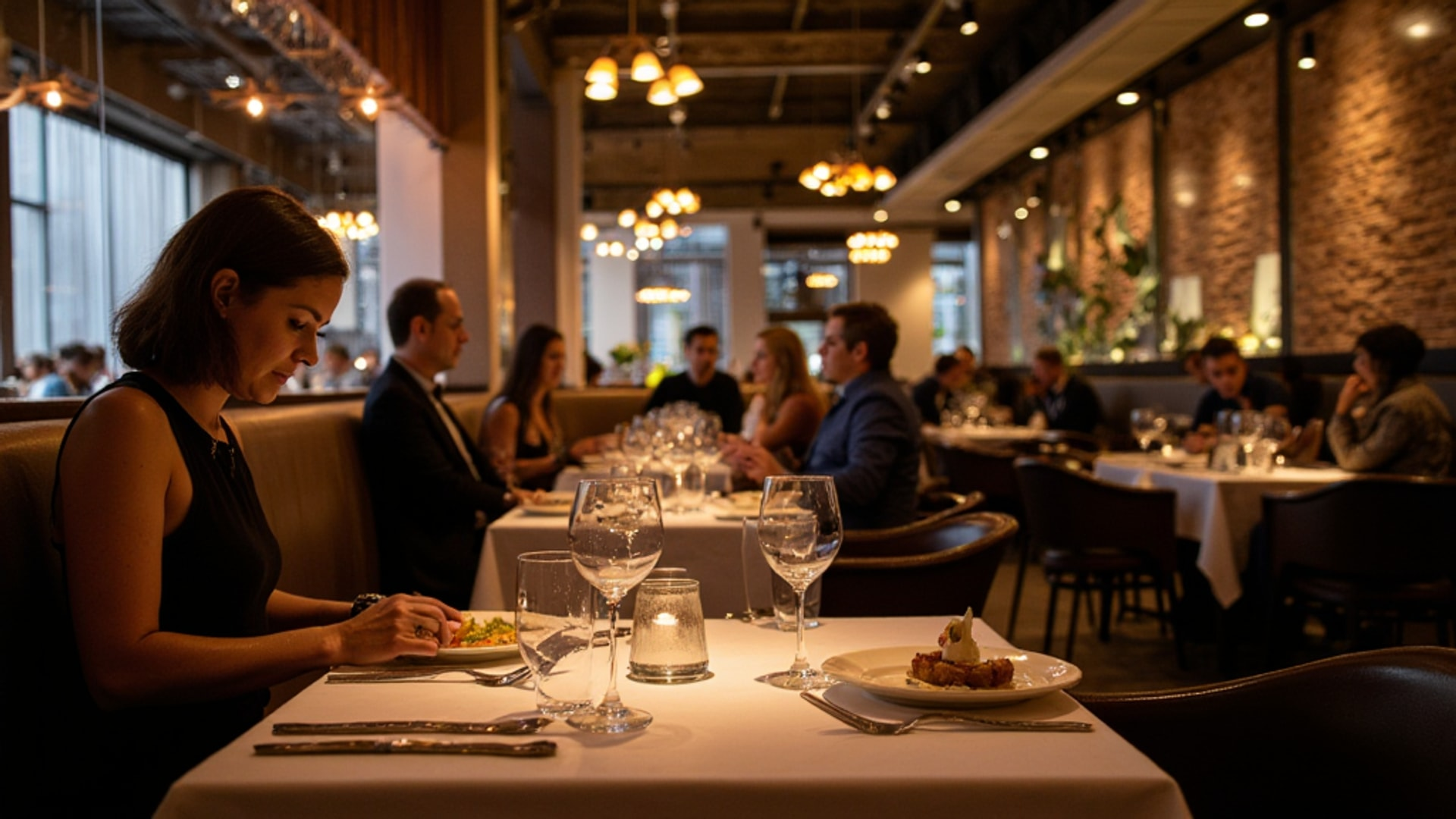
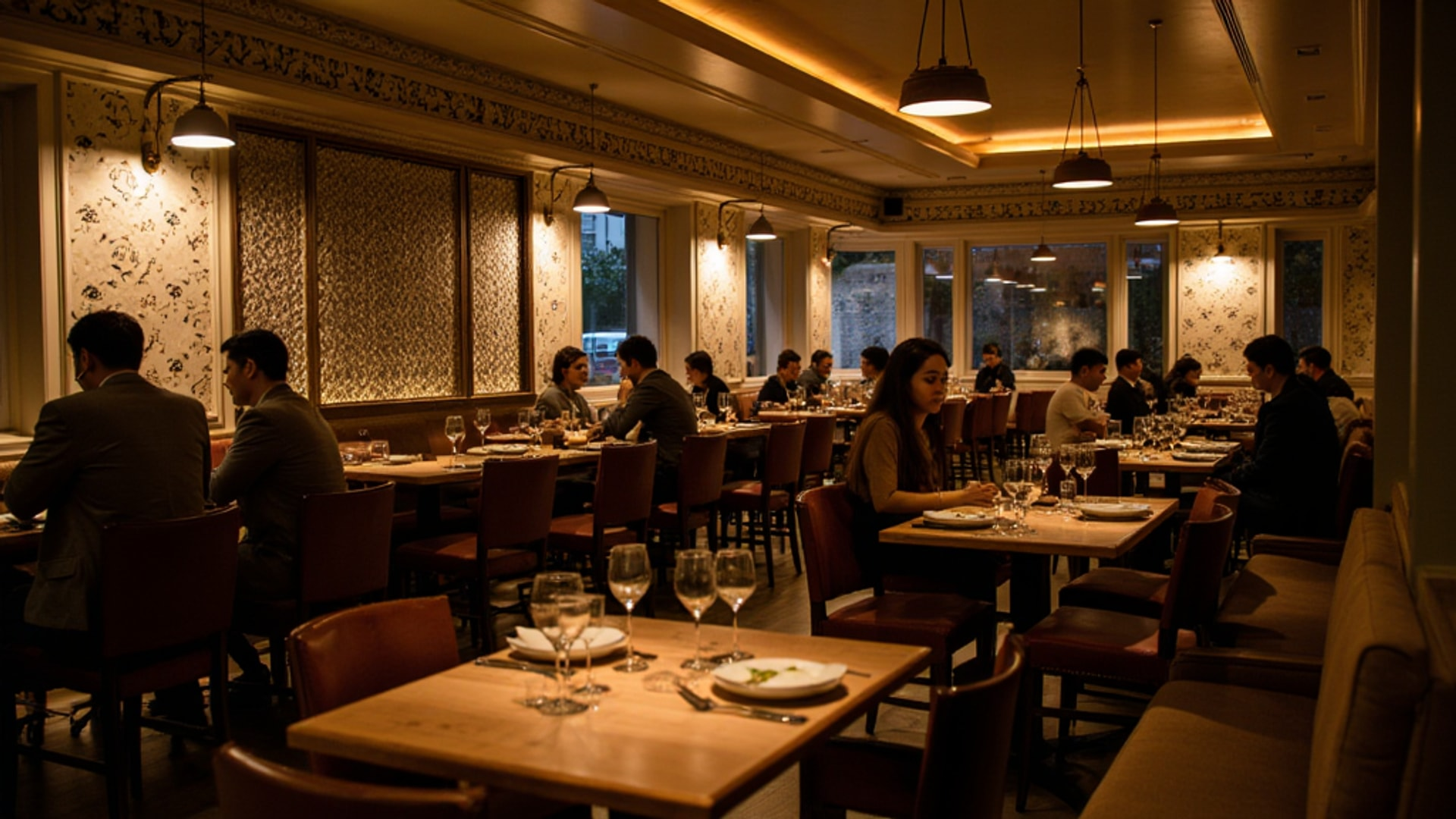
Most restaurants operate one revenue channel: guests come in, sit down, eat, and pay. Catering and private events create a second channel that uses the same kitchen, the same staff, and the same food knowledge — but generates revenue outside of regular service hours and reduces the operational variability that comes with unpredictable table counts. For a broader view of how to diversify beyond the dining room, see Restaurant Revenue Streams: Diversifying Beyond the Dining Room.
Eat App valued the U.S. catering industry at $70.5 billion in 2022, projecting growth to $138.2 billion. Tripleseat’s analysis projects growth from $70 billion in 2024 to $124 billion by 2032. The opportunity is large and expanding. Restaurants that build operational catering programs capture a portion of that market while reducing dependence on dine-in revenue alone.
Here is the part most operators get wrong: catering requires different thinking than dine-in service. The menu engineering, staffing model, logistics, technology, and sales approach are all meaningfully different. Operators who approach catering as simply “dine-in food but bigger quantities” consistently struggle. Those who build catering as a distinct operational capability alongside their core business create a sustainable second revenue stream.
The Catering Revenue Case
Before addressing operations, the financial case is worth stating clearly. Catering revenue tends to have different characteristics than dine-in revenue:
Predictability. Catering orders are placed in advance with confirmed guest counts, menu selections, and payment deposits. This predictability allows precise food purchasing, prep planning, and staffing — eliminating the over-preparation and labor waste that variable dine-in demand creates.
Higher per-transaction value. A catering order for 50 guests generates more revenue in a single transaction than 50 individual cover transactions, with lower per-cover service complexity since the food is typically delivered or served buffet-style rather than requiring individual course sequencing.
Margin on existing infrastructure. Kitchen equipment that sits idle between service periods, staff who could be productive during slow dine-in shifts, and brand equity built through dine-in reputation — catering puts all of these to productive use without proportional overhead increases.
Tripleseat’s data shows that upselling within catering programs can increase catering revenue by up to 30 percent through package add-ons such as beverage stations, upgraded serviceware, event staffing, and decorations.
Designing a Catering-Specific Menu
The first and most important operational decision in building a catering program is menu design — and it cannot be a copy-paste of your dine-in menu. Catering menus must consider food transportability, holding time tolerances, large-batch preparation feasibility, and visual presentation at scale.
Dishes that execute beautifully in a restaurant setting frequently fail in a catering context for specific reasons:
Temperature maintenance during transit. Food that must hold for 45 to 90 minutes between leaving your kitchen and being served at a venue requires different engineering than food served immediately at the table. Proteins that hold temperature and texture well (braised meats, roasted proteins, grains) outperform delicate items (pan-seared fish, soufflés, items with textural contrast that depends on immediate service).
Scaling logistics. A dish that requires individual plating and finishing in the kitchen may be operationally viable for 10 guests but impractical for 100. Catering menus should favor dishes that can be produced in large batches and served buffet, family, or drop-off style without individual last-minute assembly.
Ingredient cross-utilization. The best catering menus use ingredients that also appear in your dine-in menu wherever possible. This reduces dedicated catering inventory carrying costs and allows flexible deployment of ingredients between channels when demand fluctuates.
Allergen management at scale. As Owner.com emphasizes, catering menus must account for guest dietary restrictions and allergen requirements — and at a 50-person event, the probability of encountering guests with multiple dietary needs is significant. Design the menu with visible allergen information and clear modification options. Failing to accommodate dietary needs at a corporate event is the fastest path to losing that corporate account permanently.
Create tiered catering packages — small group drop-off, mid-size buffet, full-service event — with different price points, menu options, and service levels. This makes the ordering process simpler for clients and creates natural upsell pathways.
Staffing the Catering Operation
Catering staffing requires careful capacity planning because it runs parallel to your core dine-in business, not instead of it. Eat App’s operational guidance stresses balancing catering commitments against core dine-in operations to avoid degrading either service channel.
Options for catering staffing:
Scheduling catering events during lower-volume dine-in periods. Weekday corporate drops, morning event setup, and midday catering deliveries can often be staffed by existing employees during their scheduled shifts. This is the most cost-efficient approach but limits catering volume to what your regular schedule can absorb.
Building a dedicated catering team. As catering volume grows, a dedicated catering coordinator and a small crew of catering-trained kitchen and service staff allows the catering business to scale without impacting dine-in operations. The coordinator role is particularly valuable — managing client communication, scheduling, event logistics, and billing is a significant administrative burden that should not fall on the restaurant’s general management team.
Engaging qualified temporary staff for larger events. Staffing agencies that specialize in event and catering labor provide experienced servers, bartenders, and kitchen assistants for large one-time events. This variable staffing model allows you to take large event business without carrying permanent headcount that is idle between events.
Regardless of staffing model, all catering staff require specific training on catering-specific procedures: setup and breakdown protocols, temperature maintenance during transport, event-specific service standards, communication with event coordinators, and allergen protocols.
Technology for Catering Management
Managing catering without dedicated technology becomes chaotic very quickly. Client details, event specifications, menu selections, pricing, deposits, final payments, staffing assignments, and logistics coordination spread across email threads, notes, and memory create errors and missed details that damage client relationships.
Eat App recommends specialized software platforms — Tripleseat, Planning Pod, and Caterease are cited as examples — manage the full event lifecycle. Key features to look for in catering management technology:
Inquiry and proposal management. Track every incoming inquiry from initial contact through proposal delivery, client approval, and contract execution. Automated follow-up sequences prevent leads from going cold when the coordinator is managing multiple events simultaneously.
Menu customization and pricing. The system should allow building customized menus with pricing that adjusts based on guest count, service style, add-ons, and special requirements. Manual pricing calculations on custom catering orders are slow and error-prone.
Communication logs. Every client communication — email, phone, in-person conversation notes — is documented in the client record. When a client calls to discuss their event, the coordinator has full history regardless of whether they personally handled previous communications.
Timeline management. Multi-course events, setup/breakdown scheduling, delivery timing, and service timing all require precise coordination. The system should generate event runsheets that the day-of team can execute from, not rely on coordinator verbal instructions.
Deposit and payment tracking. Catering operations typically collect deposits at booking and final payment before or at the event. Automated payment reminders, deposit tracking, and final invoice generation protect cash flow and reduce administrative labor.
Off-Premise Catering: The Additional Complexity
On-site private dining (using a dedicated private dining room in your restaurant) is operationally simpler than off-premise catering, which carries the additional complexity of transportation and venue logistics.
Off-premise catering introduces considerations that on-site events avoid entirely:
Transportation planning. How is food transported? What vehicles are required? Who drives? What is the route and timing for arrival? Food that sits in a vehicle for 45 minutes needs different packaging and temperature management than food carried 50 feet from your kitchen to a private dining room.
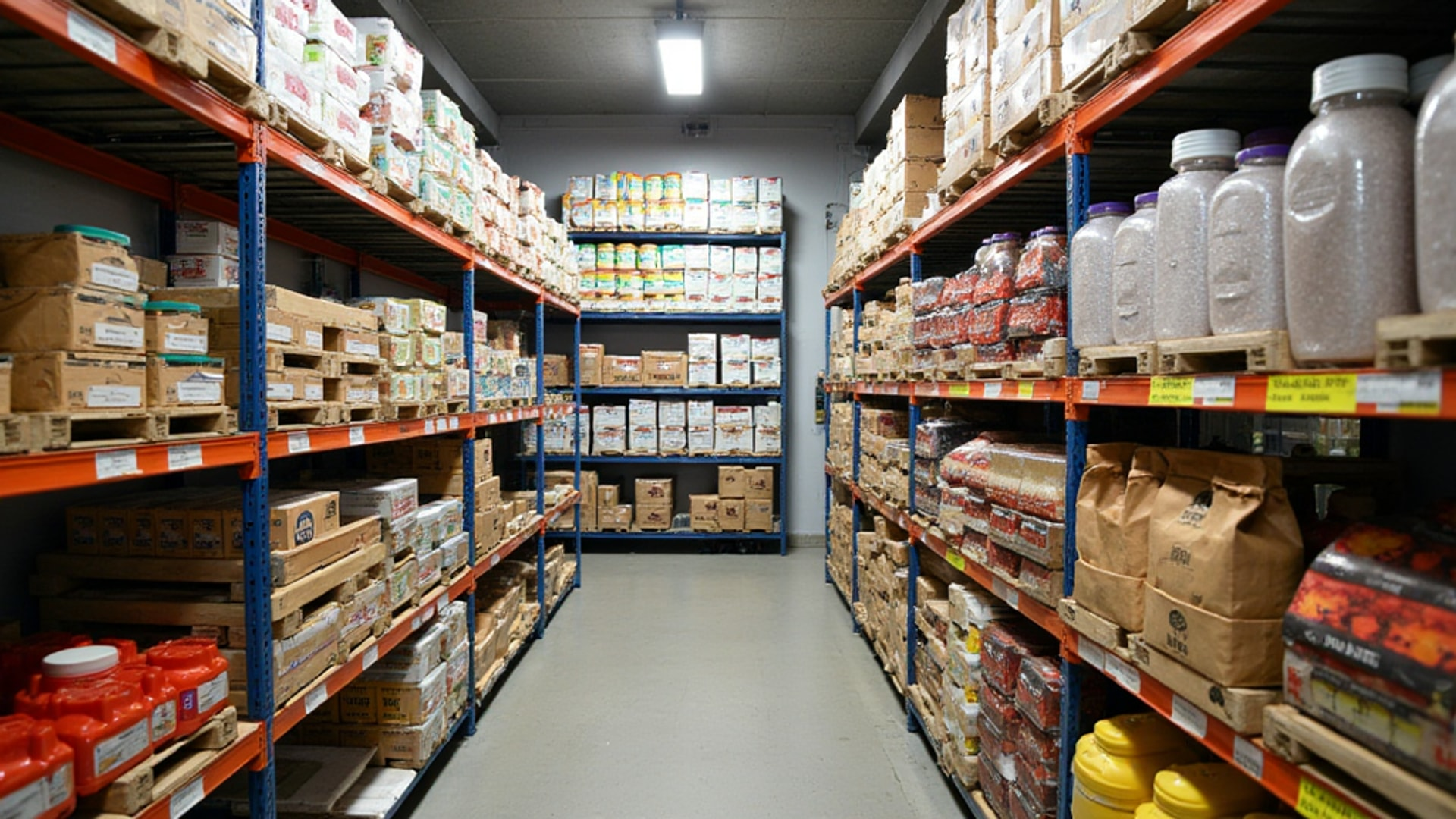
Portable equipment requirements. Chafing dishes, portable fuel sources, serving utensils, serving vessels, carving boards, presentation equipment, and service supplies all need to be inventoried, packed, transported, set up, used, cleaned, and returned. Building and maintaining a dedicated catering equipment inventory is an ongoing operational task.
Venue assessment. What kitchen facilities, if any, exist at the venue? Where will food be held before service? Where do vehicles park for loading and unloading? Is there access to electricity for warming equipment? What are the venue’s specific rules about food service? These questions need answers during the sales process, not on the day of the event.
Temperature maintenance during transport and holding. This is the most critical food safety element in off-premise catering. Food that leaves your kitchen at safe temperatures must arrive and be held at safe temperatures until service. Proper insulated containers and transport equipment, temperature monitoring, and clearly documented maximum holding times are non-negotiable. Temperature maintenance during transport and holding requires proper equipment and contingency plans. The FDA Food Code specifies exact time-temperature requirements for transported food.
Pricing Catering Correctly
Catering pricing must account for costs that do not appear in your dine-in food cost calculation. The standard restaurant food cost calculation (ingredient cost divided by menu price) misses several catering-specific cost components:
Labor above standard kitchen labor. Catering prep, packing, transportation, setup, service, and breakdown all require labor hours. If a four-person crew spends six hours on an event, that is 24 labor hours that need to be in the pricing.
Equipment and supplies. Disposable serviceware, chafing fuel, packaging materials, and any rental equipment add direct costs per event.
Transportation. Vehicle cost, fuel, and driver labor.
Coordinator labor. The administrative time to sell, plan, and manage the event is a real cost even if it does not feel like one.
Contingency margin. Catering events have higher per-event risk than individual dine-in covers. A large event going wrong — food safety problem, delivery delay, staffing failure — can generate a full refund demand and reputational damage. Build margin to absorb occasional problems.
Tripleseat’s catering marketing research recommends per-person pricing with package tiers as the most effective format: it simplifies client decision-making, builds in the full cost structure, and creates natural upsell pathways for add-ons and premium options.
Selling the Catering Program
A catering operation that nobody knows about generates no revenue. The marketing approach for catering differs significantly from dine-in marketing because the decision-makers, purchase process, and competitive dynamics are different.
Corporate catering targets. Corporate catering’s real decision-makers are administrative assistants and office managers, not executives. These individuals control catering budgets for meetings, team lunches, and corporate events. They respond to direct relationship-building and demonstrated reliability — not the social media content that drives consumer dining decisions. Owner.com highlights a proven direct outreach tactic: physically bringing sample platters to receptionists at large office buildings in your delivery area, creating immediate product trial and personal relationships with decision-makers.
Digital presence. Tripleseat’s research shows that an online ordering platform that allows clients to book catering, select menus, and pay deposits 24/7 removes barriers to entry and captures sales outside business hours. Your restaurant’s website needs a dedicated catering page with high-quality food photography, package options with pricing, minimum order information, delivery area coverage, and a streamlined inquiry or booking mechanism. Owner.com calls high-quality photos of catering spreads and platters “the single most valuable catering marketing asset.”
Seasonal concentration. Q4 — the October through December period — is the highest-revenue catering season as companies plan end-of-year appreciation events, holiday celebrations, and annual gatherings. Marketing pushes aligned with corporate event planning timelines (typically 4 to 6 weeks before major periods) maximize booking capture.
Email marketing. Email marketing for catering achieves 4,200% ROI — $42 for every $1 spent, per Owner.com’s data — when targeting past catering clients and qualified corporate contacts. A well-maintained email list of previous clients, regular seasonal promotions, and advance notice of new menu options keeps your catering program top-of-mind when the next event booking decision occurs.
Social proof. Potential catering clients trust reviews from other local businesses significantly more than the restaurant’s own marketing (Tripleseat). Post-event follow-up requesting reviews — automated emails sent 48 hours after an event, thanking the client and requesting a review — builds the social proof that converts prospects into clients.
Building Toward Scale
Most restaurants start catering operations as an opportunistic add-on and build systematically as volume justifies infrastructure. The scaling sequence typically looks like this:
Stage 1: Small drop-off orders for local businesses using existing staff, simple menu, minimal dedicated equipment. Goal is to test the market, refine the menu, and identify operational gaps.
Stage 2: Dedicated catering menu, catering management software, designated catering coordinator role (even if part-time), basic catering equipment inventory. Goal is consistent execution at moderate volume.
Stage 3: Full catering staffing team, premium event packages, private dining program if applicable, systematic corporate client development. Goal is catering as a meaningful standalone revenue line contributing 15 to 25 percent or more of total revenue.
The restaurants that reach Stage 3 treat catering as a business within the business — with its own P&L tracking, its own client relationships, its own marketing investment, and its own operational standards. The underlying kitchen and brand equity belong to the parent restaurant, but the catering operation has the strategic focus of a dedicated enterprise.
That focus is what separates catering programs that drift along as occasional opportunistic revenue from programs that systematically expand a restaurant’s revenue ceiling.
→ Read more: Private Dining Room Design: Partitions, Acoustics, and Flexible Revenue Spaces → Read more: Allergen Management Protocol: The System That Keeps Guests Safe and Your Restaurant Protected → Read more: Labor Scheduling Tools: Build Smarter Schedules and Control Your Biggest Cost