· Culture & Sustainability · 9 min read
Consumer Behavior Trends: How Gen Z, Delivery Culture, and Experience-Seeking Are Reshaping Restaurants
From Gen Z's paradoxical love of print menus to the $430 billion delivery economy, consumer behavior is transforming how restaurants operate. Here's what the data says and how to respond.
Consumer behavior in the restaurant industry is shifting faster than most operators can track. A generation raised on smartphones still wants physical menus. People who order delivery three times a week also crave immersive dining experiences. And a majority of your customers now factor your sustainability practices into whether they walk through your door at all.
Understanding these contradictions is not optional. It is the foundation of every strategic decision you make, from menu design to technology investment to how you train your front-of-house team.
Gen Z: Your Most Important (and Most Contradictory) Customer
Generation Z is no longer the next wave of diners. They are the wave. YouGov and Toast data show 71 percent of Gen Z consumers planned to dine out more in 2025 than the previous year. But here is the nuance that changes everything: nearly two-thirds (61 percent) consider dining out a treat reserved for special occasions, not an everyday habit.
That single data point should reshape how you think about marketing, pricing, and experience design. When Gen Z does dine out, they expect something worth celebrating. This is not the casual Tuesday night dinner crowd. This is a customer who has been researching your restaurant on TikTok, reading your reviews, and judging whether your space is worth their limited dining-out budget.
Flavor Adventure Is Non-Negotiable
Nearly three in four Gen Z consumers (73 percent) say they enjoy trying new cuisines (YouGov). This generation is driving demand for what the industry calls “swicy” (sweet-spicy), “swalty” (sweet-salty), and “newstalgic” (nostalgic dishes with a modern twist) flavor profiles.
If your menu plays it safe, you are invisible to this demographic. Consider:
- Rotating specials that introduce global flavors weekly
- Limited-time offers that create urgency and social media buzz
- Fusion concepts that blend familiar comfort food with unexpected ingredients
The Print Menu Paradox
Perhaps the most surprising data point in recent consumer research: approximately 90 percent of Gen Z diners prefer physical menus, up from 69 percent the prior year. Despite being digital natives who discover restaurants online and order through apps, they want a tangible, tactile experience when they sit down.
This tells you something important. Technology is a tool for convenience, but the dining experience itself should feel analog, personal, and real. If you replaced your menus with QR codes during the pandemic and never went back, you may be undermining the in-restaurant experience for your most important emerging customer base.
Values Drive Spending
Gen Z does not separate a restaurant’s food from its values. YouGov’s research shows younger diners are significantly more likely to support businesses that align with their social and ethical beliefs. This extends beyond sourcing and sustainability to include labor treatment, community engagement, and public social stances.
This is not about performative activism. Gen Z can spot inauthenticity instantly. It is about genuine operational practices that you communicate transparently.
The Delivery Economy: $430 Billion and Growing
The online food delivery market reached projected revenue of $429.90 billion in 2025, representing a 21.7 percent increase from 2024, according to Deliverect’s industry analysis. The sector is expected to continue growing at a compound annual rate of 6.99 percent, reaching $563.40 billion by 2029.
These are not numbers you can ignore. Online orders now contribute approximately 40 percent of total restaurant sales, and over 60 percent of orders are placed through mobile apps.
Who Is Ordering and Why
The delivery landscape has matured well beyond its pandemic-era explosion:
| Metric | Data Point |
|---|---|
| Consumers who say takeout is “essential” | 51% of all US consumers |
| Gen Z and millennials who say takeout is “essential” | ~66% |
| Millennials using mobile ordering | 74% |
| Gen Z adults using mobile ordering | 65% |
| Growth in employee meal programs | 32% year-over-year |
| Delivery orders motivated by work | 38% |
Deliverect’s data shows Gen Z has become the most frequent user demographic for delivery apps. But the fastest-growing segment is workplace ordering. The return-to-office trend has driven a 32 percent year-over-year increase in employee meal programs, with 38 percent of delivery orders now motivated by work needs.
Platform Economics You Cannot Ignore
DoorDash dominates with 67 percent market share, followed by Uber Eats at 23 percent. While online ordering has boosted takeout profits by 15 to 30 percent for adopting restaurants, the economics remain challenging. High commission fees and the $24 billion the industry spends annually on disposable food containers create real margin pressure.
Practical steps to improve your delivery economics:
- Negotiate commission rates based on volume commitments
- Design a delivery-specific menu with items that travel well and have higher margins
- Invest in branded packaging that builds recognition outside your four walls
- Track your actual profit per delivery order, not just revenue
- Consider a direct ordering channel to reduce platform dependency
The Experience Economy: When Atmosphere Beats Food
Here is a statistic that should make every operator pause: an OpenTable survey found 68 percent of consumers prefer restaurants that offer unique experiences, even if the food is not necessarily better than a competitor’s.
Read that again. Two-thirds of your potential customers will choose atmosphere over food quality. The experience has become the product.
What “Experiential” Actually Means
An OpenTable survey found that 42 percent of diners are more interested in experiential dining in 2025 compared to 2024. But experiential dining is not limited to elaborate multi-sensory installations or virtual reality headsets. Rolling Stone Culture Council’s industry reporting shows the most successful experiential restaurants design across all senses simultaneously. Temperature, light, scent, and sound are orchestrated to complement dishes and create a cohesive narrative.
The concept scales to every price point:
- Quick-service: Personalized greetings, local artwork, curated playlists
- Fast-casual: Interactive ordering, visible kitchen theater, communal seating
- Casual dining: Themed evenings, seasonal space transformations, live demonstrations
- Fine dining: Multi-sensory tasting menus, narrative-driven courses, scent design
Making It Shareable
Gen Z’s social media behavior amplifies experiential concepts dramatically. Every shareable moment generates organic marketing that traditional advertising simply cannot match. Design at least one moment in your dining experience that practically demands a photo or video.
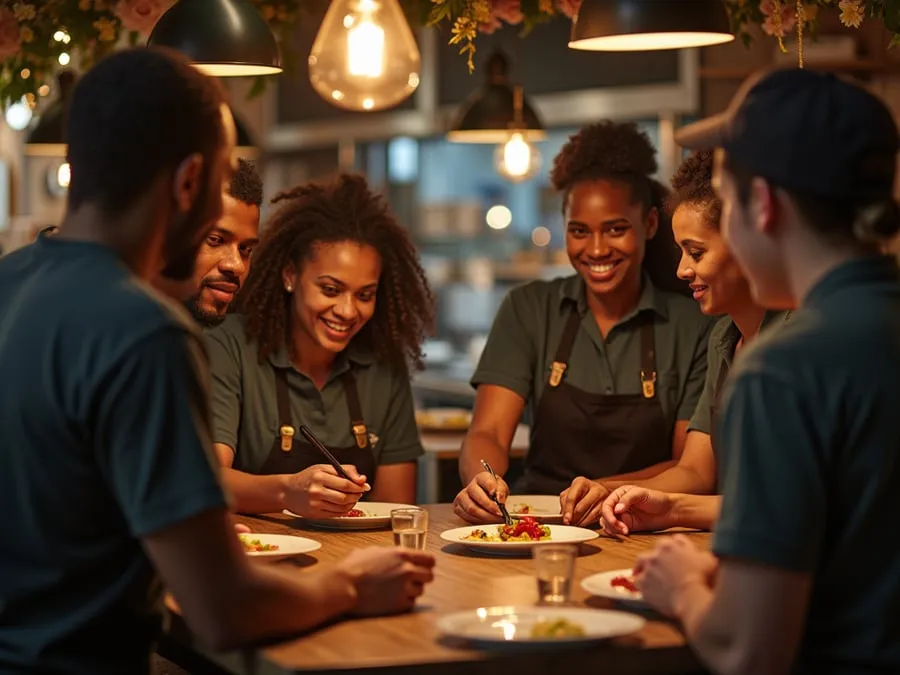
The Value Equation: More Complicated Than Price
The Auguste Escoffier School of Culinary Arts found 55 percent of consumers reported spending less on dining out in Q3 2024, and 57 percent now eat at home more frequently than before the pandemic. Consumers are actively managing their check sizes by skipping add-ons like beverages.
But value does not mean cheap. It means the customer feels the experience justified the cost.
How Different Segments Define Value
- Quick-service diners want aggressive price points and promotional bundles
- Fast-casual diners want quality at accessible prices
- Full-service diners want perceived value through portion size, quality, and experience
- Experience-seekers will pay premium prices if the experience feels unique
Escoffier’s analysis shows casual dining brands that successfully communicate value propositions are outperforming the broader market. The winners are not necessarily the cheapest. They are the ones who make the value equation obvious.
Subscriptions and Loyalty: Locking In the Repeat Visit
The subscription economy has arrived in restaurants, and the data suggests it is here to stay. Square data shows merchants offering subscriptions grew 54 percent year over year. The National Restaurant Association found that 81 percent of Gen Z adults and 79 percent of millennials say they would likely participate in a meal subscription program.
What Works in Restaurant Subscriptions
Nation’s Restaurant News reports the average American managed 6.7 subscriptions in 2022, up from 4.2 in 2019. Panera’s coffee subscription launched at $8.99 per month for unlimited coffee and attracted nearly 500,000 paid subscribers within six months. Beyond subscription revenue, the program drove significant incremental food purchases as subscribers visited more frequently.
Subscription models that restaurants are testing:
| Model | Example | Benefit |
|---|---|---|
| Beverage subscription | Unlimited coffee or tea for monthly fee | Daily traffic driver |
| Meal bundle | Set number of meals per month at discount | Predictable revenue |
| VIP membership | Priority seating, exclusive events, early access | Premium loyalty |
| Community-supported | Annual fee for seasonal dining experiences | Upfront cash flow |
Independent restaurants are adapting the concept through “community-supported restaurant” models that offer seasonal dining experiences for an annual fee, creating both financial stability and deeper community connection.
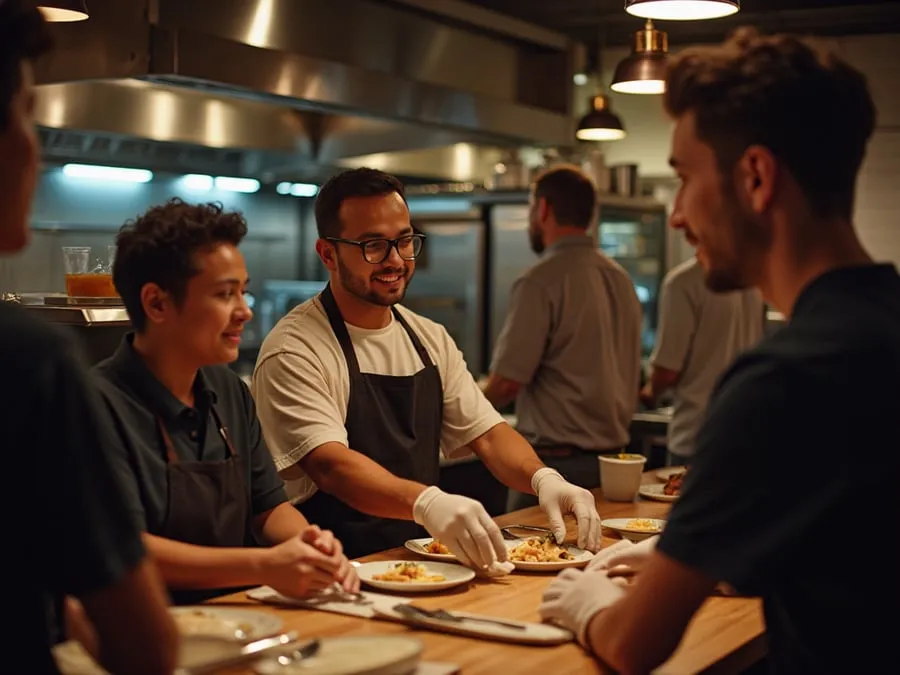
Health and Transparency: The UPF Reckoning
The scrutiny of ultra-processed foods is creating both risk and opportunity for restaurants. NPR’s reporting on CDC data shows ultra-processed foods account for 55 percent of total calories consumed in the US. In July 2025, HHS, FDA, and USDA jointly addressed the health risks of ultra-processed foods, working to establish uniform definitions for better consumer transparency.
The National Restaurant Association’s 2025 What’s Hot Culinary Forecast identified health and nutrition as central forces driving the industry forward. Five trends are emerging:
- Kid-focused nutrition emphasizing whole ingredients with reduced sodium and added sugars
- Wellness beverages supporting hydration and mood enhancement
- Practical protein from both animal and plant sources
- Clean, limited-ingredient meals prioritizing whole foods
- Regulatory compliance as new rules push reformulation
Restaurants that feature real ingredients, transparent sourcing, and simplified preparations are turning this regulatory challenge into a competitive advantage. The farm-to-table ethos has evolved from a niche marketing angle to a mainstream consumer expectation.
Sustainability as Table Stakes
Escoffier’s analysis found 73 percent of diners now consider sustainability important when choosing a restaurant. Nearly three-quarters pay attention to local sourcing, waste reduction, and eco-friendly packaging.
This is no longer a differentiator. It is a baseline expectation. Restaurants that lag on sustainability face real competitive consequences as consumers make environmentally informed choices.
Putting It All Together: An Action Checklist
The data points toward a consumer who is more demanding, more informed, and more contradictory than ever. Here is how to respond:
Menu and Product:
- Rotate global flavors and adventurous specials regularly
- Offer a delivery-optimized menu with travel-friendly, higher-margin items
- Feature clean-label, whole-ingredient options prominently
- Create at least one “newstalgic” or fusion signature item
Technology and Channels:
- Maintain both robust digital ordering and physical menus
- Optimize your presence across delivery platforms
- Build a direct ordering channel to reduce commission dependency
- Use AI-powered personalization (52% of diners are comfortable with it)
Experience and Design:
- Design at least one shareable, photo-worthy moment in your space
- Invest in sensory design: music, lighting, scent, temperature
- Create seasonal or themed experiences that drive repeat visits
Loyalty and Revenue:
- Test a subscription or membership model
- Target workplace meal programs (fastest-growing delivery segment)
- Communicate your value proposition clearly across all channels
Values and Transparency:
- Document and communicate your sustainability practices
- Be transparent about sourcing, ingredients, and labor practices
- Align your public stance with genuine operational practices
The restaurants that thrive in this environment will not be the ones that chase every trend. They will be the ones that understand the underlying consumer psychology: people want convenience and connection, digital efficiency and analog warmth, value and premium quality. Your job is to deliver both sides of the paradox, authentically and consistently.
-> Read more: Gen Z Dining Preferences
-> Read more: The Food Delivery Shift