· Culture & Sustainability · 9 min read
QR Code Menus: From Pandemic Necessity to Digital Strategy
Over 85% of restaurants now offer QR menus, and a restaurant serving 3,000 diners monthly could save $35,000 per year in printing costs. But 88% of consumers still prefer paper menus. Here is how to navigate the tension between operational efficiency and guest preference.
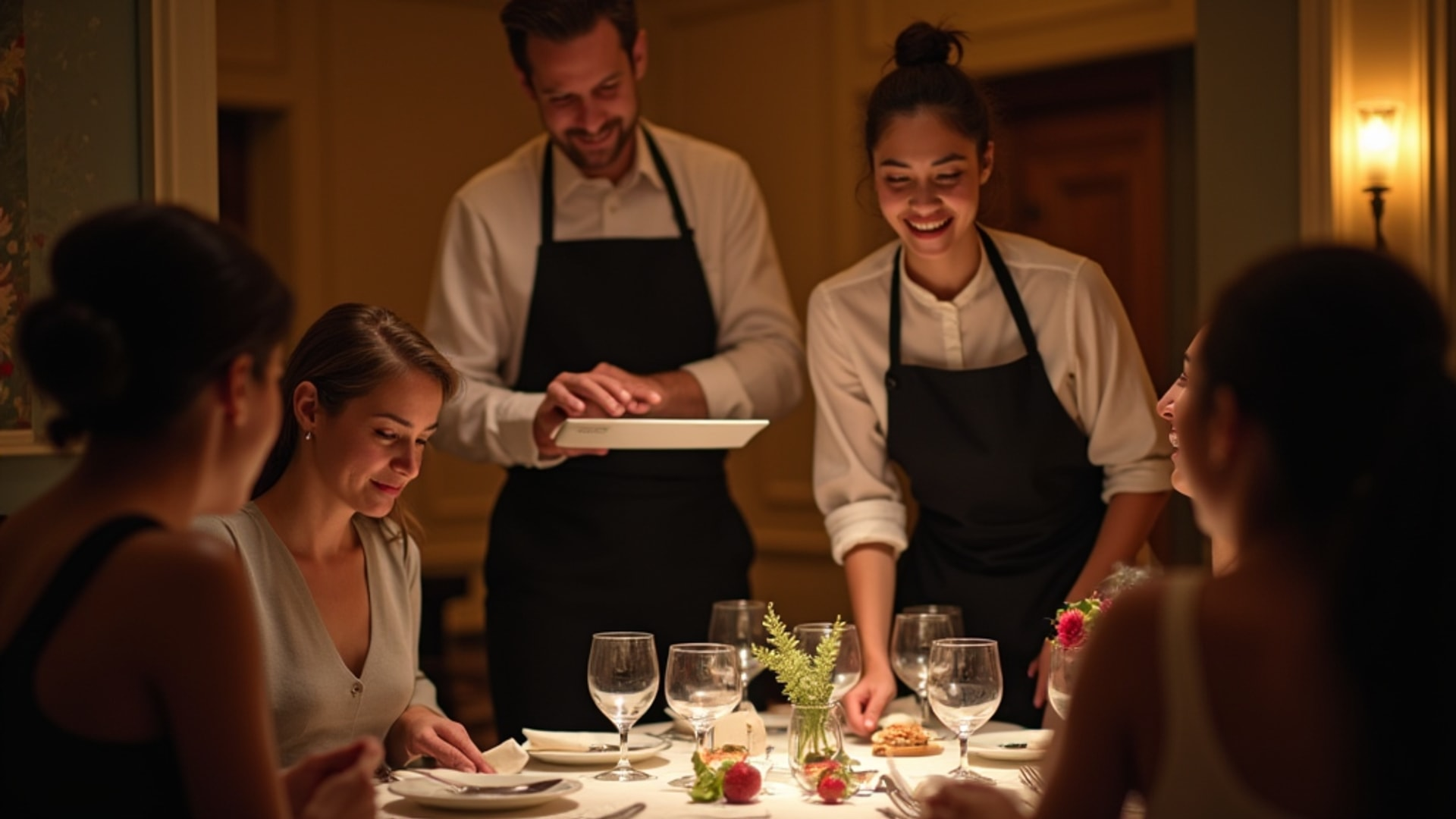
The QR code menu was the restaurant industry’s fastest pandemic technology adoption, going from niche novelty to near-universal deployment in a matter of months. As of 2025, over 85 percent of restaurants offer QR-accessible menus, according to research by Back of House. That’s a remarkable penetration rate for any restaurant technology, achieved in under four years.
But high adoption doesn’t equal universal enthusiasm. The same research ecosystem that documents QR code prevalence also documents significant consumer resistance. A Technomic survey found that 88 percent of consumers still prefer paper menus. Restaurants are reverting. The debate is active.
Understanding this tension requires looking clearly at what QR codes actually deliver, what they don’t, and where the smart equilibrium is.
Why Restaurants Adopted QR Codes
The pandemic’s initial motivation was hygiene. Physical menus, touched by hundreds of guests daily, became a perceived infection vector during COVID-19 restrictions. QR codes eliminated the shared physical object and let restaurants reopen under distancing protocols. The adoption was reactive and rapid, driven by necessity rather than strategic technology planning.
But the reasons restaurants kept QR codes after COVID restrictions lifted were different, and more compelling economically.
Printing cost elimination is the most concrete benefit. Back of House’s research found that a restaurant serving 3,000 diners monthly could save approximately $35,000 per year in menu printing costs by switching to digital menus. For a multi-unit operator or a restaurant with frequent menu changes, this number can be even higher. Physical menus wear out, require reprinting when prices or items change, and accumulate replacement costs that are easy to underestimate because they’re spread across the year.
Instant updates represent a different category of value. A restaurant with a printed menu cannot update prices, 86 an item, or change descriptions without reprinting. A QR-accessed digital menu can be updated in minutes — from any device, without reprinting or table resets. During periods of volatile ingredient costs, this flexibility has direct operational value. A salmon entree whose market price fluctuates $3-5 per week is cheaper and operationally cleaner to manage with a digital menu that updates instantly than with printed menus that require either absorbing margin swings or paying for reprints.
Extended functionality beyond the menu itself has been the most interesting development. Some restaurants have expanded QR code use to include ordering (guests browse and submit orders without server interaction), payment processing, loyalty program check-in, allergy and nutritional information, and feedback collection. When QR codes work as a multi-function guest interface rather than just a menu access point, the efficiency gains outweigh the cost savings from eliminated printing alone.
Waste reduction is a sustainability argument with real merit. Physical menus that become outdated, stained, or damaged create waste. A restaurant with 50 tables, replacing its menu books twice per year, discards 100 menu objects annually. At scale, across thousands of restaurants, this is a meaningful waste stream that digital menus eliminate.
The Consumer Resistance Reality
The case for QR codes is strongest from the operator’s perspective. From the consumer’s perspective, the picture is more complicated.
The 88 percent preference for paper menus in the Technomic survey isn’t driven by technophobia. Older demographics do show more friction with QR codes, but the preference for physical menus extends to younger consumers as well. The reasons are worth understanding because they point to specific failure modes in QR code implementation.
The social experience disruption. When a table of four each pulls out their individual phones to look at a menu, the social experience of dining together shifts. Physical menus invite shared browsing, pointing, asking “what are you thinking about?”, the small social rituals of collaborative decision-making that are part of the pleasure of eating out with others. QR codes dissolve that shared experience into four individual interactions with personal devices.
The browsing experience difference. Physical menus are designed for browsing. Good menu design guides the eye through a narrative, leads guests toward high-margin items, and creates visual hierarchy that makes discovery feel effortless. Digital menus, particularly those that are simply PDFs or photos of the physical menu, are poorly suited for touch browsing on a phone screen. The experience of zooming and scrolling through a menu image on a smartphone is genuinely worse than reading a well-designed physical menu.
Battery anxiety and connectivity. A guest whose phone is at 15 percent battery may feel genuine frustration at being asked to use it for something as basic as looking at the menu. In restaurants without reliable WiFi, or where guests are on international data plans, connectivity issues compound the problem. Physical menus are always available, always functional, and don’t require any device or connection.
The hospitality signal. Physical menus communicate something about a restaurant’s attitude toward hospitality. A beautifully designed, high-quality menu book signals that the operator has invested in the physical experience of dining — that details matter, that the guest’s comfort and experience is worth material investment. A QR code, in certain dining contexts, signals the reverse: that the operator has prioritized operational efficiency over the guest experience. In fine dining particularly, the physical menu is part of the guest experience, not just a vehicle for information delivery.
Who Is Reverting and Why
The restaurants reverting from QR codes to physical menus are concentrated in specific segments. Fine dining and upscale casual restaurants are returning to physical menus at the highest rates, because the hospitality signal argument is strongest in these contexts. Guests paying $80-150 per person per meal have clear expectations about the physical quality of the dining experience, and a QR code menu fails to meet those expectations.
Some fast casual and casual dining operators are also reverting, having discovered that the efficiency gains from QR codes are partially offset by increased service friction: servers spending time helping guests with QR codes, addressing complaints about the digital experience, and managing connectivity issues at specific tables.
The reversion signals that the initial pandemic-driven adoption was broader than the sustainable adoption level. Not all 85 percent of restaurants that currently offer QR menus will maintain them as the primary menu format long-term. The equilibrium will likely settle somewhere below universal QR adoption, with format selection varying by dining segment.
The Hybrid Model: Where the Market Is Going
The most operationally rational outcome, and increasingly the most common practice in successful restaurants, is a hybrid approach that offers both formats and lets guests choose.
A physical menu is available at every table, by default, for guests who want it. A QR code is also available (printed on the menu itself, on a small card, or on a table tent) for guests who prefer digital access, want additional information like allergen details, or are dining at a format that benefits from contactless ordering.
This approach eliminates the forced-choice problem that drives much of the consumer backlash against QR codes. Guests who want a phone experience get one. Guests who want a physical menu get one. The operator maintains the cost savings on items like allergen menus (which can be heavy, expensive to update, and rarely requested) while preserving the physical menu quality signal for the core dining experience.
The hybrid model does require some discipline. If the physical menu is obviously an afterthought (poorly maintained, visually inconsistent with the brand, available reluctantly), the negative signal is worse than either pure approach. Both formats need to be genuinely good.
Practical QR Code Design
For operators who are committing to QR codes as a primary or supplementary menu channel, the quality of execution matters enormously. A QR code that links to a poorly designed digital experience creates worse impressions than a physical menu that needs reprinting.
Invest in a proper digital menu platform. A PDF or JPG of your printed menu is not a digital menu. It’s a digital copy of a print document. Real digital menu platforms (Toast, Square, Popmenu, and others) present your menu in a format optimized for mobile browsing, with proper navigation, search functionality, and the ability to show current availability. The difference in user experience is significant.
Update it constantly. The flexibility of digital menus is only valuable if you actually use it. A digital menu that is three months out of date, with items that are no longer available and prices that have changed, creates more guest friction than a slightly outdated physical menu, because guests assume digital = current.
Make the QR code scannable. This sounds obvious but is regularly violated in practice. QR codes need to be large enough to scan reliably from a normal seating distance, printed with sufficient contrast, and placed where phone cameras can access them without awkward angles. Test your QR codes with multiple devices and in the actual lighting conditions of your dining room.
Consider adding WiFi credentials alongside the QR code. Removing the connectivity barrier, particularly for guests on international plans or with limited data, meaningfully improves the digital menu experience and reduces the frustration that drives negative reactions to the format.
The Real Strategic Question
The QR code menu debate is ultimately a question about where you want to invest your hospitality signal. Every physical menu in your dining room costs money to design, print, and maintain. That investment communicates something to guests. Every decision to eliminate that cost communicates something different.
Neither choice is inherently correct. A high-volume fast casual lunch spot serving 500 guests per day on 30-minute turns has a very different hospitality calculus than a prix-fixe dinner restaurant serving 40 guests per evening at premium prices. The QR code that is a natural fit in one context is a hospitality misfire in the other.
The operators who navigate this best make the decision deliberately. They understand what they are trading off, design both their physical and digital experiences to a high standard, and optimize for the guest experience they are trying to deliver rather than for the technology trend of the moment.
-> Read more: Restaurant Technology, AI, and Automation: A Practical Guide for Operators
-> Read more: Digital Menu Psychology: Optimizing Online Ordering for Higher Revenue