· Culture & Sustainability · 9 min read
Experiential and Immersive Dining: Creating Memorable Restaurant Experiences
Experiential dining grew 27% in a single year and 75% of diners say they'll pay more for a unique experience — but building one that actually works requires more than projection mapping.

The experience economy has arrived in restaurants. An OpenTable survey found that 42 percent of diners are more interested in experiential dining in 2025 compared to 2024. More significantly, 68 percent said they prefer restaurants that offer unique experiences, even if the food isn’t necessarily better than a competitor’s.
That last statistic is worth sitting with for a moment. Two-thirds of diners will actively choose a restaurant with a weaker menu over one with better food, if the experiential dimension of the weaker restaurant is stronger. That’s either alarming or clarifying, depending on your perspective. It doesn’t mean food quality doesn’t matter. It means the context in which food is served matters more than most operators have historically assumed.
The Numbers Behind the Trend
Lightspeed’s 2024 research documented a 27 percent year-over-year increase in experiential dining bookings. Yelp data from early 2025 shows searches for immersive dining concepts rising sharply. CKitchen’s analysis of the broader experiential dining category found that 75 percent of diners would pay more for a unique dining experience, citing Eventbrite research.
Lightspeed’s consumer research is more specific about what experiential diners actually want: 84 percent want a surprising menu or theme, 76 percent want a memorable location, and 74 percent want a one-of-a-kind experience. The order of those priorities is revealing: menu and theme come first, then location. The experience itself, not just the physical setting, is the primary draw.
What Experiential Dining Actually Means
The term covers a wide spectrum, from relatively modest additions (a dramatic tableside preparation, a chef’s table position in an open kitchen, a wine pairing presented as a guided journey) to fully immersive productions that cost millions to create and require significant advance booking.
At the high end: Sublimotion in Ibiza combines food, technology, and performance art in a 12-seat, 360-degree projection environment that costs several thousand dollars per person. Ultraviolet by Paul Pairet in Shanghai serves a 10-course meal in a single-table room where each course is paired with a completely different sensory environment. Dinner in the Sky hoists diners 150 feet in the air at crane-suspended tables above city skylines. These concepts compete in a category defined by extreme scarcity and extreme pricing.
Most operators won’t build Sublimotion. But understanding what makes these concepts work illuminates what’s possible at more accessible scale.
The core principle across all successful experiential dining is multisensory coherence: the deliberate design of sound, light, scent, temperature, and physical environment to complement and enhance the food. Research confirms that all senses influence food perception and enjoyment. What you hear while eating affects how food tastes. Ambient light temperature affects mood and pacing. Scent primes the palate before a dish arrives.
Most restaurants handle these variables by default rather than by design. Choosing to design them intentionally is the fundamental move that separates experiential dining from conventional dining.
The Social Media Engine
The business case for experiential dining runs directly through social media.
When a dining experience is photogenic, theatrical, and unique, guests create and share content documenting it. This organic sharing generates marketing reach that no advertising budget can replicate. Each guest who posts about an extraordinary dining moment becomes a content creator for the restaurant, reaching their personal networks with authentic, unsponsored content.
Lightspeed’s analysis is direct: the Instagram and TikTok era has accelerated demand for photogenic, shareable dining experiences. Gen Z values experiences over material goods and is willing to pay premium prices for immersive dining that delivers novelty and entertainment, and this generation’s social media behavior amplifies the reach of experiential concepts.
The practical implication is that designing for shareability is not a superficial marketing exercise. It’s part of the product design. Dishes that arrive dramatically. Moments that create natural pauses where guests instinctively reach for their phones. Environments that look different from everything else someone has photographed in a restaurant. These aren’t just nice to have; they’re how experiential dining concepts grow.
Technology as a Design Tool
Restaurants are deploying projection mapping, scent design, curated soundscapes, and in some cases virtual reality headsets to create multisensory environments. Rolling Stone Culture Council’s 2025 analysis projects that 75 percent of people will regularly use augmented reality by end of 2025, making it an increasingly mainstream component of how diners can interact with food and dining environments.
Lightspeed documents the emerging toolkit: augmented reality overlays that add visual storytelling when diners scan dishes with their phones, interactive tables with touchscreen surfaces that allow guests to customize aspects of their experience, and projection mapping that transforms dining room walls into immersive visual environments that change course by course.
These technologies exist at a range of price points. A simple AR element (a QR code on a dish that launches a video from the chef explaining the provenance of a key ingredient) costs almost nothing to produce and creates a memorable touchpoint. Full-room projection mapping for a dedicated immersive dining space is a significant capital investment.
The question isn’t whether to use technology but which technological elements genuinely enhance the experience versus which are novelties that distract from the food. The most successful experiential dining concepts integrate technology into a coherent narrative rather than deploying it for its own sake.
Sensory Design Principles
The most effective multisensory design starts with the food and works outward, designing the environment to complement what’s on the plate rather than treating sound, light, and scent as generic ambiance.
Sound. Curated playlists and acoustic management aren’t new, but systematic pairing of sound to menu is. Restaurants that change the audio environment by course, or that use live music specifically designed to interact with the dining experience, create something qualitatively different from background music.
Light. Lighting temperature affects perceived food quality. Warm, lower-intensity light creates intimacy and makes food appear more appetizing. Dynamic lighting that changes through a tasting menu experience (brighter and more energetic at the start, dimmer and more contemplative toward dessert) can guide the emotional arc of a meal.
Scent. Some restaurants use subtle scent diffusion to prime guests before certain courses. The research on scent and taste interaction is well established: olfactory priming enhances flavor perception significantly.
Temperature and pacing. The physical temperature of the dining room, and the deliberate pacing of courses, affect how diners experience a meal. Faster pacing creates energy and excitement; slower pacing creates contemplation and attention to each dish.

Beyond Fine Dining: The Democratization of Experience
Experiential dining is not limited to high-end venues, and this is a significant evolution from even five years ago. Quick-service restaurants are adding personalized greetings, local artwork, and curated playlists. Food halls incorporate live music and interactive cooking demonstrations. Casual dining operators are experimenting with themed evenings and seasonal space transformations.
The key insight from Rolling Stone Culture Council’s analysis is that the principles of experiential design are format-agnostic. A fast-casual counter can create a shareable moment through an extraordinary product presentation. A neighborhood bar can create an immersive experience through expert storytelling by a well-trained bartender. A casual dining chain can create a seasonal event that generates social media buzz without a permanent installation.
The investment required scales with ambition. The principle, designing the experience deliberately rather than letting it happen by default, applies at any budget.
Operational Realities
Creating genuine experiential dining requires investment in design, technology, and training, and this is where many operators underestimate what’s involved.
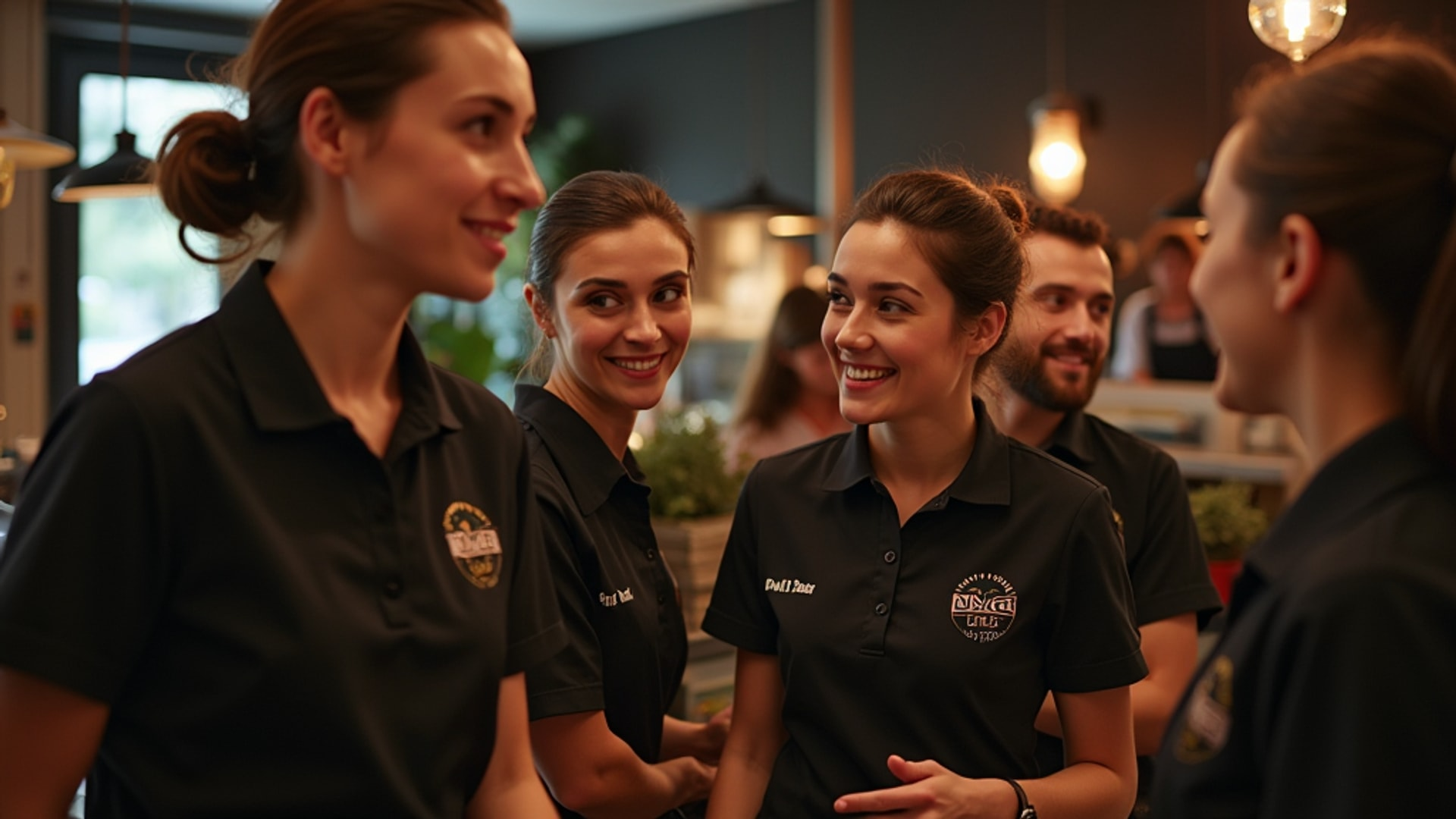
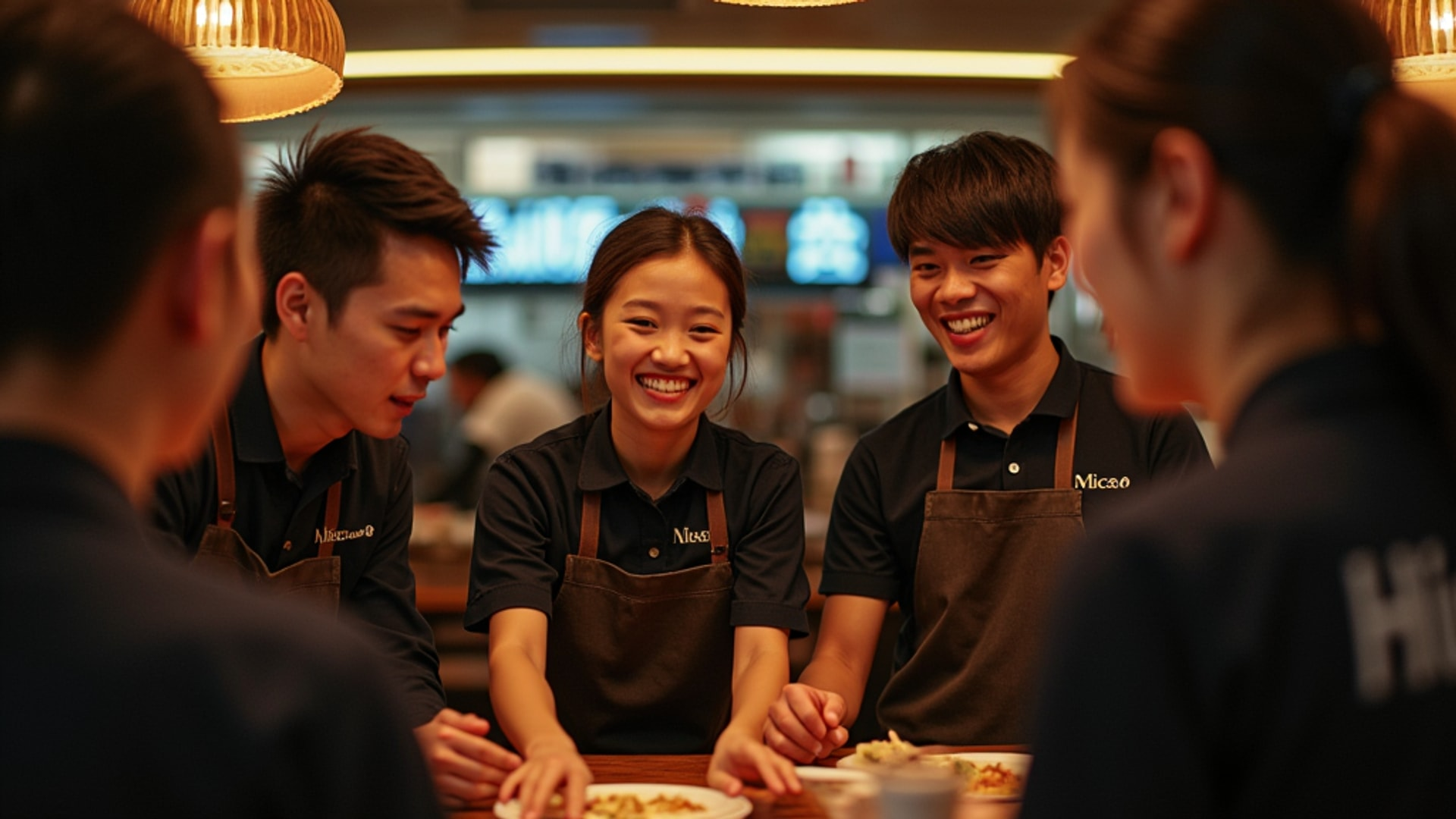
Staff training is non-negotiable. An immersive dining concept can be destroyed by a server who can’t articulate what the experience is or why it’s been designed the way it has. Experiential dining requires staff who are performers as much as service professionals, people who understand the narrative they’re part of and can enhance rather than undercut it.
Repeatability is the hardest problem. First-time visitors to an extraordinary experiential dining concept generate the social sharing and word-of-mouth that drives growth. But a concept that delivers the same experience to the same diner twice is one that loses its primary audience. The most successful experiential dining concepts build in seasonal evolution, rotating elements, or modular design that allows the experience to feel different on repeat visits.
Pricing must reflect investment. Because experiential dining offers something genuinely unique and difficult to replicate at home or at conventional restaurants, premium pricing is both justified and expected. The additional production costs (design, technology, training, content creation) must be covered by the premium. Operators who build experiential elements without pricing for them will find the economics don’t work.
Integration beats decoration. The experiences that fail are usually ones where the theatrical elements feel bolted onto an otherwise conventional restaurant. The experiences that succeed integrate the experiential design into the food itself, where the dish is part of the story, not just something served in an unusual room.
Who Benefits Most
The demand for experiential dining is highest among Gen Z, though it extends across demographics. Lightspeed’s analysis specifically identifies Gen Z as the primary audience, using restaurants to reward themselves and seeking dining as a meaningful social occasion rather than a routine transaction.
Groups dining together (friend groups, couples celebrating occasions, colleagues doing team events) represent the highest-value segment. These are diners who have specifically chosen this occasion as something to invest in, who are looking for something to talk about and photograph, and who are willing to pay premium prices for the right experience.
Restaurants targeting this segment should design accordingly: social group formats, shareable dishes, moments designed for conversation and photography, and pricing that matches the occasion mentality.
The Practical Starting Point
For operators who want to move in this direction without a complete reimagining of their restaurant, the entry points are more accessible than the extreme examples suggest.
Start with one signature moment. A single dish with a dramatic presentation. A tableside element that creates theater. A signature cocktail served in a way that demands to be photographed. One thing that generates consistent organic sharing is worth more than a dozen mediocre experiential touches.
Then build outward from that moment. What does the sound environment do before and after it? What does the lighting do? What does the server say? How does the room design frame it? The goal is to make that single moment feel like the natural expression of a coherent vision, not a gimmick.
The restaurants that are winning in this space have figured out something simple: experiential dining is great hospitality with intentional design. It’s the frame that makes people care about the food more.
-> Read more: Restaurant Interior Design: How Concept, Color, and Space Shape the Guest Experience
-> Read more: Marketing Experiential Dining: Selling Memories, Not Just Meals
-> Read more: Consumer Behavior Trends: How Gen Z, Delivery Culture, and Experience-Seeking Are Reshaping Restaurants