· Operations · 10 min read
Ghost Kitchens and Virtual Brands: Operating Without a Dining Room
Ghost kitchens strip restaurant operations to their production core — no dining room, no servers, no storefront — and the model is projected to reach $157 billion globally by 2030.
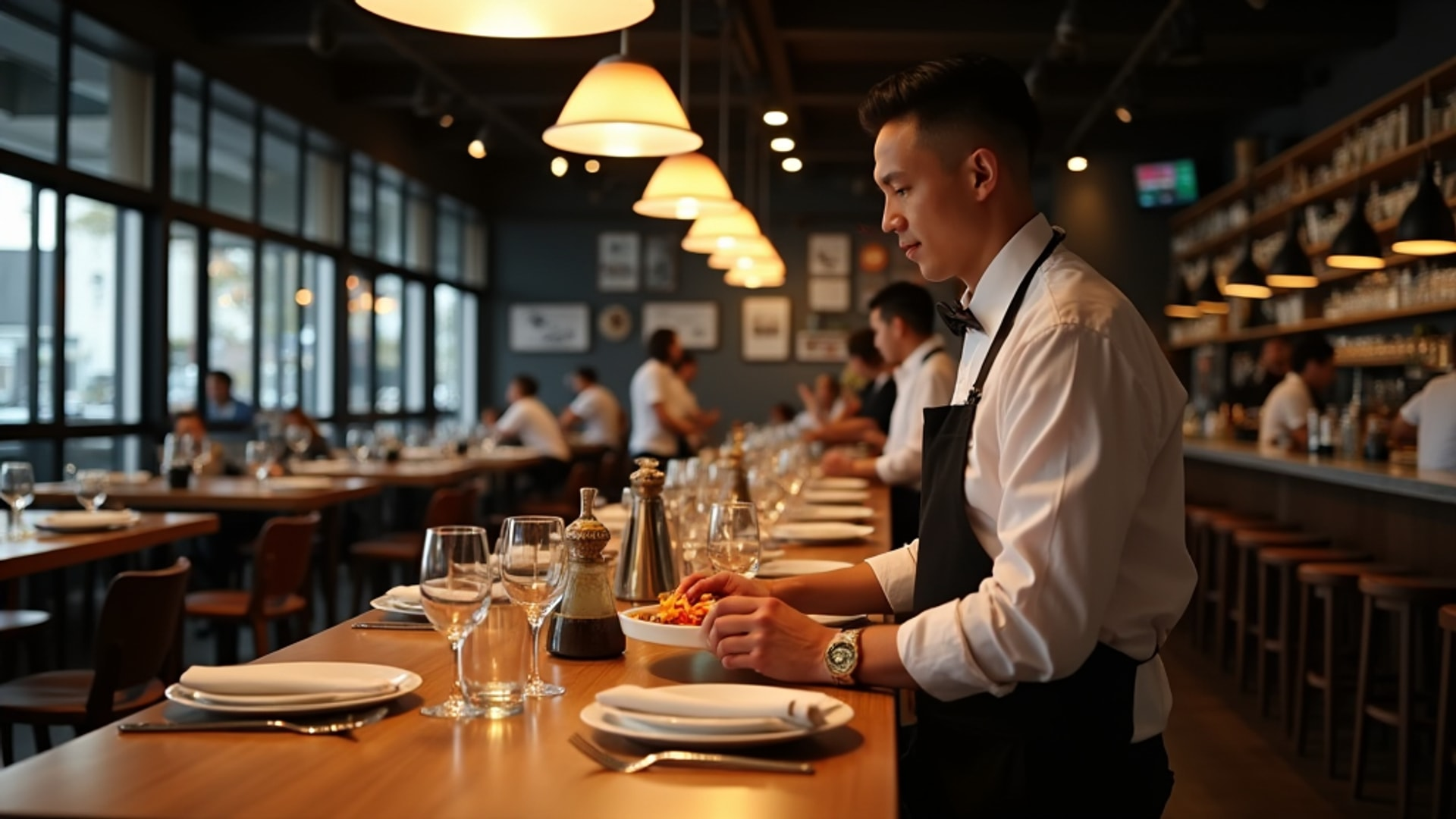
The dining room is optional. That is the foundational insight behind the ghost kitchen model, and it has reshaped how a growing number of operators think about launching and scaling restaurant concepts.
According to Toast’s 2025 Ghost Kitchen Setup and Operations Guide, the global ghost kitchen market reached approximately $71 billion in 2023 and is projected to grow to roughly $157 billion by 2030. The model works because it eliminates the largest fixed cost in traditional restaurants — the customer-facing space — while preserving the revenue-generating part: food production and delivery.
This is not a trend for startups only. Established restaurants are using the ghost kitchen model to launch virtual brands from their existing kitchens, essentially opening new revenue streams without signing a new lease. Understanding how the model works operationally is valuable whether you are launching a standalone ghost kitchen, adding a virtual brand to an existing restaurant, or evaluating whether the economics make sense for your market.
What a Ghost Kitchen Actually Is
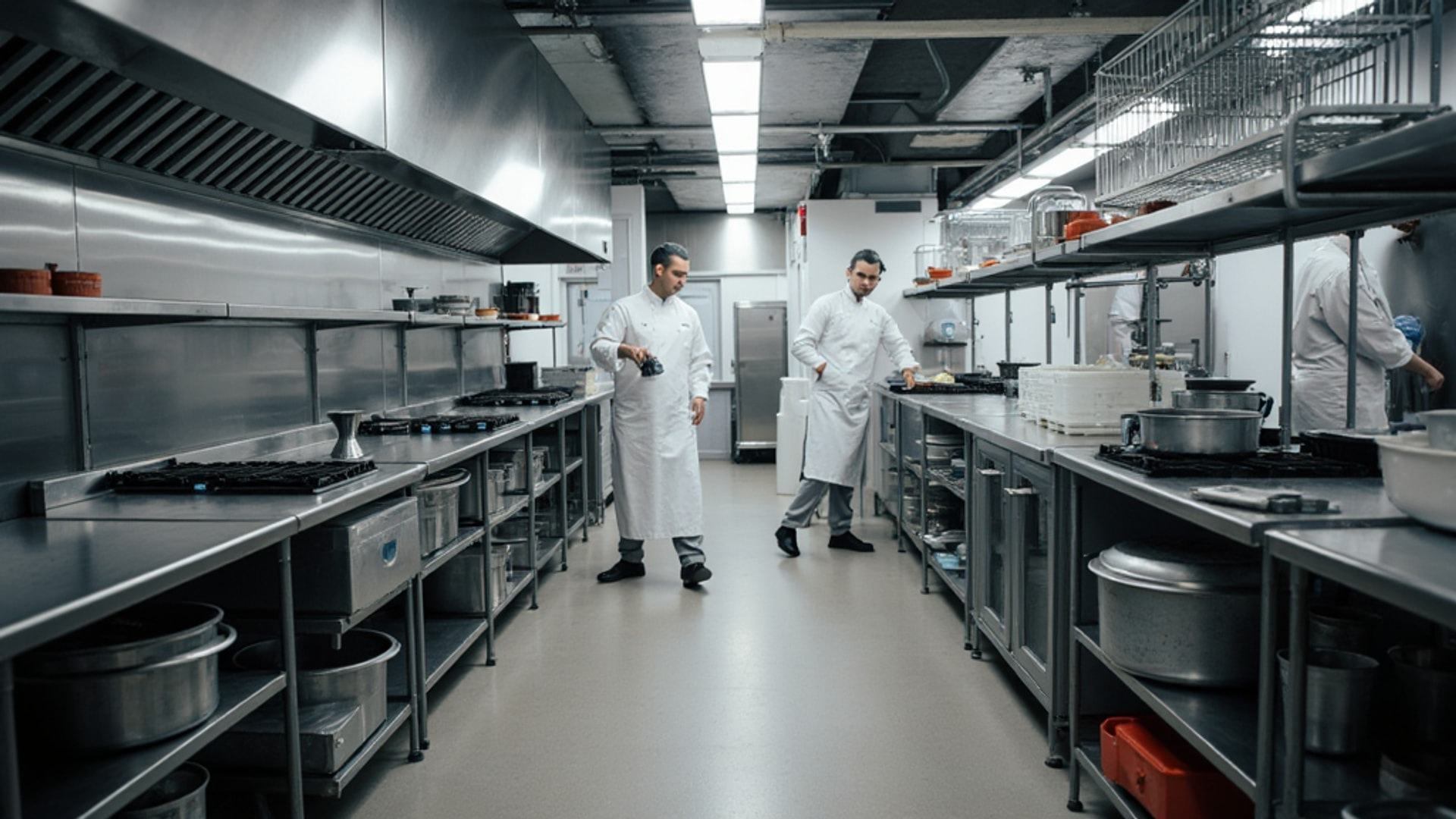
A ghost kitchen — also called a dark kitchen, virtual kitchen, or cloud kitchen — is a licensed commercial food production facility that exists exclusively to fulfill delivery orders. There is no dining room, no cashier counter, no signage for walk-in traffic. Everything goes out the door in delivery bags.
According to CloudKitchens, a ghost kitchen can launch with as few as two to three staff focused on order processing, preparation, and delivery coordination. The operational simplicity is the point. By removing front-of-house infrastructure entirely, ghost kitchen operators eliminate server labor costs, host labor, dining room maintenance, expensive real estate in high-visibility locations, interior design costs, and the complexity of managing a dine-in guest experience simultaneously with production.
The tradeoff is total dependence on delivery channels for revenue, and the loss of the in-person dining experience that traditional restaurants use to build guest relationships.
Three Operational Models
Ghost kitchen operations typically take one of three forms:
Standalone ghost kitchen. A new business built from scratch as a delivery-only operation. The operator leases or builds a commercial kitchen space, obtains all required permits, and launches entirely through delivery platforms. This is the highest-risk, highest-flexibility option.
Shared/commissary kitchen space. The operator rents time or space in an existing licensed commercial kitchen shared with other operators. Lower startup cost, less control over space and scheduling. Good for testing a concept before committing to dedicated infrastructure.
Virtual brand from an existing restaurant. An established restaurant uses its current kitchen, staff, and equipment to operate additional delivery-only concepts under different brand names. The same kitchen might run its dine-in menu, a virtual burger brand, and a virtual wing concept simultaneously. This is arguably the most capital-efficient model because the kitchen infrastructure cost is already sunk. It connects directly to restaurant revenue streams diversification strategy.
Selecting a Location
Location still matters for ghost kitchens, despite the absence of foot traffic concerns. According to Toast’s 2025 guide, the key criteria are proximity to the target customer base, adequate parking or staging areas for delivery drivers, and compliance with local zoning for food preparation.
Urban areas and densely populated suburbs generate higher delivery order volumes. The delivery radius from your kitchen determines which customers you can serve within acceptable delivery time windows — typically 15 to 30 minutes for food that maintains quality on arrival. Before committing to a location, analyze the competitor offerings, delivery demand, and demographic data in the area.
Ghost kitchens can operate from lower-rent industrial or commercial spaces since storefront visibility is irrelevant. This frequently means acceptable facilities at 30 to 50 percent of the cost per square foot of a high-visibility restaurant location. The savings on rent are a primary driver of ghost kitchen economics.
Licensing and Permitting
The absence of a dining room does not reduce the regulatory requirements. According to Toast, ghost kitchens require the same core permits as traditional restaurants: business license, employer identification number, certificate of occupancy, food service permits, and food handler certifications for all kitchen staff. Some jurisdictions have specific ghost kitchen or commissary kitchen regulations worth verifying with your local health department.
Health department inspections are required and typically follow the same standards applied to traditional restaurant kitchens. Some operators are surprised to discover that the regulatory burden is nearly identical to a full-service restaurant — the only savings are on the permits related to public-facing space (liquor licenses, capacity permits, etc.).
Menu Engineering for Delivery
The most important menu decision in a ghost kitchen is what not to serve. Menu engineering must prioritize items that maintain quality during packaging and transit. According to CloudKitchens, food must travel well and maintain temperature, texture, and presentation quality during a 20 to 45 minute delivery window.
This constraint eliminates several dish categories: anything with a crispy element that becomes soggy within 10 minutes (unsauced fried items, fresh salads with delicate greens, soufflés), anything requiring tableside assembly or last-minute finishing, and anything where temperature degradation fundamentally changes the eating experience.
What it creates opportunities for: dishes specifically engineered for delivery, where packaging is part of the product design. Burgers with sauces incorporated to prevent sogginess. Bowls that travel well. Braised proteins that hold temperature. Sauced pasta that does not overcook in the container.
Menu size should be tighter than a typical dine-in operation. A focused menu of 10 to 20 items is easier to maintain quality and speed on than a broad menu of 50. Each additional item increases prep complexity, ingredient count, and the risk of quality inconsistency during delivery.
Technology: The Infrastructure of a Ghost Kitchen
If a traditional restaurant’s infrastructure is its dining room, a ghost kitchen’s infrastructure is its technology stack. According to CloudKitchens, the operational challenge is managing order flow from multiple delivery platforms simultaneously without the chaos of juggling separate tablets for each.
Order aggregation. Middleware solutions aggregate orders from DoorDash, Uber Eats, Grubhub, and any branded direct-ordering channels into a single kitchen display system. This is essential at any meaningful volume. Managing separate interfaces for three or four platforms simultaneously creates errors, missed orders, and timing failures that damage ratings and reduce repeat orders.
Kitchen Display Systems (KDS). Replace paper tickets with digital displays that show preparation priorities, timing targets, and order modifications. KDS systems designed for ghost kitchens can route different virtual brand orders to the same display while maintaining brand-separated packaging queues.
POS integration. The POS system connects the ordering channel to the kitchen and to financial reporting. In a ghost kitchen without a cashier, the POS must handle all digital transactions, track per-brand performance, and integrate with delivery platform accounting.
Delivery platform dashboards. Each delivery platform provides its own analytics: average preparation time, order accuracy ratings, delivery time performance, and customer satisfaction metrics. These metrics directly affect your placement in search results within each platform’s algorithm. Managing them systematically — not reactively — is what separates well-run ghost kitchens from struggling ones.
Operating Multiple Virtual Brands
Running multiple virtual brands from a single kitchen is the highest-leverage configuration for an established restaurant operator. A kitchen that is already producing food for dine-in service has spare capacity during prep periods and off-peak hours. Virtual brands fill that capacity without proportional cost increases.
The practical requirements for adding a virtual brand to an existing kitchen:
- The virtual brand menu must be producible with existing equipment and a reasonable set of additional ingredients
- The additional order volume must be absorbable without degrading core dine-in service
- Each brand needs its own photography, packaging, and delivery platform presence
- Financial tracking must separate brand-level costs and revenue to measure actual performance
Toast’s 2025 guide describes operators running a burger brand, a wing brand, and a salad brand simultaneously from a single kitchen — each with its own listing and branding across multiple delivery platforms. The kitchen team handles all three, and the revenue from the virtual brands contributes to covering fixed kitchen costs.
Staffing and Workflow
Ghost kitchen operations require a different staffing model than traditional restaurants. According to CloudKitchens, the operation can function with two to three staff for smaller volumes — one handling order intake and packaging, one or two on production. As volume grows, the kitchen line scales similarly to a traditional kitchen, but without front-of-house roles.
The workflow runs on a tighter loop than dine-in service. Orders arrive digitally. The kitchen display shows preparation requirements and timing. Food is prepared, packaged, labeled, and staged for pickup. Delivery drivers arrive, collect orders, and depart. There are no tables to turn, no guests to check on, no ambient service flow. The kitchen is purely a production operation.
This compression of roles means kitchen efficiency directly determines profitability. Unlike traditional restaurants where front-of-house can compensate for kitchen variability through hospitality, ghost kitchen guests experience the food and only the food. Consistency and execution quality are the entire guest experience.
Building Brand Recognition Without a Dining Room
The biggest operational challenge unique to ghost kitchens is building customer loyalty without in-person interaction. According to CloudKitchens, photography quality, packaging design, delivery consistency, and digital marketing become the primary tools for brand building.
Photography for delivery platforms is not optional. High-quality food images on your delivery platform listing are the equivalent of a welcoming dining room. Operators who invest in professional photography consistently outperform those who use phone photos, even controlling for other variables.
Packaging is a brand touchpoint. A logo on the bag, a thank-you card inside, sustainable packaging materials — these details create the impression of intentionality that guests associate with quality brands. The unboxing experience is the only hospitality moment in a ghost kitchen operation, and it matters.
Ratings on delivery platforms function as public reputation. Respond to negative reviews professionally and promptly. A pattern of slow preparation or missing items, reflected in one-star reviews, compounds into lower algorithmic placement and reduced order volume. Ghost kitchen operators need to monitor platform ratings with the same attention that traditional operators give to Yelp and Google reviews.
Financial Model
The ghost kitchen financial model trades high fixed costs (real estate, front-of-house labor) for high variable costs (delivery platform commissions). Third-party delivery platforms typically charge 15 to 30 percent commission on every order, which directly compresses margins on every sale.
Managing this requires either negotiating direct-ordering channels (branded apps or websites where you capture the full order value) or achieving sufficient volume that the per-order economics work despite the commission. Some ghost kitchen operators split traffic: using third-party platforms for discovery and new customer acquisition, then driving repeat customers toward direct ordering channels through packaging inserts and loyalty programs. For a full analysis of the platform economics, see The Real Impact of Delivery Platforms on Restaurant Profitability.
For an existing restaurant launching virtual brands, the incremental revenue from additional delivery orders — even after platform commissions — typically improves overall kitchen economics by spreading fixed overhead over more total covers. The calculation changes if the virtual brand volume is high enough to require dedicated staff or equipment; at that point, the marginal cost structure needs to be assessed separately.
Ghost kitchens are not magic. They are a specific operational model with specific advantages and constraints. Operators who understand those constraints and design their menus, technology, and workflows around them can build efficient, scalable delivery businesses. Those who approach it as simply “a regular restaurant without tables” struggle with the delivery-specific execution demands that make the model work.
→ Read more: Delivery and Takeout Operations: How to Build a Profitable Off-Premise Channel → Read more: Ghost Kitchen Design: Layout and Infrastructure for Delivery-Only Concepts → Read more: Ghost Kitchen Operations: The Real Economics of Delivery-Only Restaurants