· Operations · 15 min read
Restaurant Automation and AI: What Actually Works and What to Skip
Automation is delivering real results — 15% lower labor costs, 20% higher sales — but only when deployed strategically, not when chased as a trend.
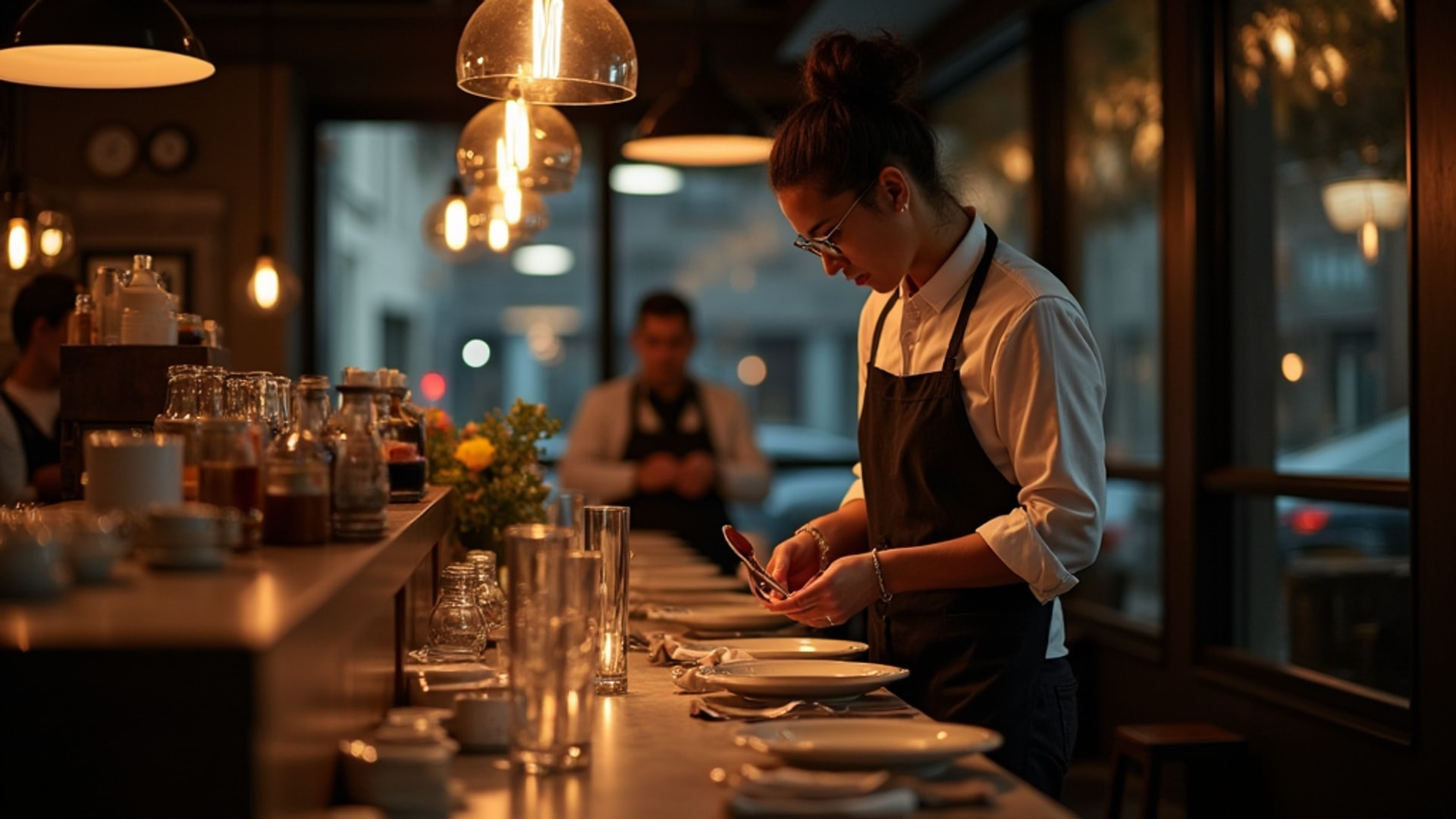
Restaurant technology is moving faster than it has in decades. According to the National Restaurant Association’s 2024 Technology Landscape Report, 73% of operators increased technology investments in 2024, the highest rate of digital adoption the sector has ever recorded. The global restaurant technology market is projected to grow from $59.3 billion in 2024 to $314.85 billion by 2033. McKinsey identifies AI as a transformative force for 2026, with applications spanning demand forecasting, pricing optimization, menu design, and customer experience enhancement.
But here is the question that matters: which of these technologies actually improve your operation, and which ones are solutions looking for problems?
The answer, backed by data from multiple industry sources, is that automation delivers measurable returns when it targets specific operational pain points. According to Tableo, restaurants implementing automation have seen labor costs decrease by 15%, monthly sales increase by 20%, and customer satisfaction improve by 10%. Those are not marginal improvements. On a restaurant doing $1 million in revenue, a 15% reduction in labor costs could mean $45,000 to $60,000 back in your pocket annually.
The key is knowing where to invest and how to implement. Not every new tool deserves your attention, and not every vendor’s ROI claims survive contact with reality. What follows is a practical guide to the automation technologies that have documented results, the ones still maturing, and the implementation approach that separates success from expensive failure.
AI That Is Already Working
Artificial intelligence in restaurants is no longer experimental. According to Barmetrix, 73% of restaurant operators plan to invest in AI solutions. The applications that are delivering results today fall into three categories.
Predictive Analytics and Demand Forecasting
This is arguably the highest-impact AI application for most restaurants. According to Barmetrix, restaurants using analytics platforms report 15% lower food costs and 22% improved forecast accuracy. The systems work by incorporating historical sales data, weather patterns, local events, and seasonal trends to generate automated purchasing recommendations, staffing schedules, and prep lists.
The practical impact: instead of guessing how much chicken to prep on a Tuesday in March, the system tells you based on what Tuesdays in March have looked like for the past two years, adjusted for weather and local events. That precision reduces waste, prevents 86’d items, and right-sizes your labor.
According to Barmetrix, smart inventory systems specifically reduce costs by 2 to 5% through real-time waste and variance tracking. On food purchases of $300,000 annually, that is $6,000 to $15,000 in savings from one system.
Voice AI for Ordering
According to both Quantic POS and Barmetrix, voice AI now handles food orders with 97% accuracy and 35% faster processing than traditional methods. This is most impactful in drive-through and phone ordering, where systems process complex orders including modifications, substitutions, and special requests while consistently upselling.
The economic case is straightforward: if a voice AI system costs $500 per month but saves you one full-time equivalent position in order-taking labor, the ROI is immediate.
The technology is also consistent. Unlike human order-takers who vary in upselling discipline depending on how busy or tired they are, voice AI systems deliver the same upselling prompts on every order. That consistency compounds over thousands of transactions.
Menu Optimization
According to FoodHub, AI-powered menu optimization adjusts recommendations based on current inventory levels and demand patterns. If you are overstocked on an ingredient, the system can promote dishes that use it. If a particular item is underperforming, the data highlights it before you lose money on it for another quarter.
Personalized Customer Engagement
According to FoodHub, personalization technology enables dish recommendations based on order history, customized promotions, allergen filtering, and handheld order customization. When your POS captures guest data through a loyalty program, AI can use that data to send targeted offers that drive repeat visits.
According to the NRA, 7 in 10 adults actively seek promotional deals when ordering takeout, delivery, or dining in. An AI system that automatically identifies which customers have not visited in 30 days and sends them a relevant offer does work that no manager has time to do manually.
Automation on the Floor
Self-Service Kiosks
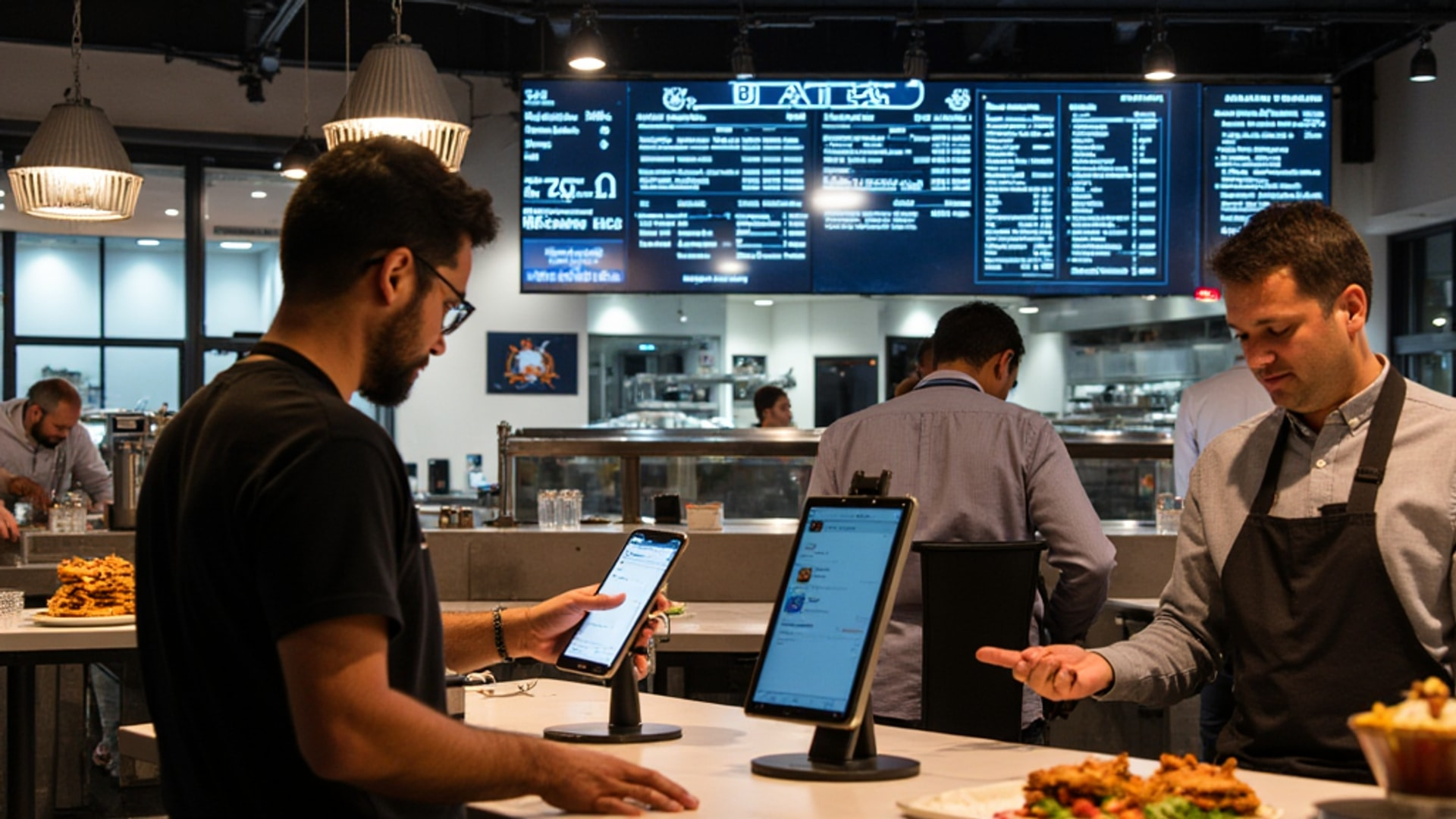
According to Quantic POS, 61% of consumers prefer self-service kiosks for their accuracy, convenience, and speed. For quick-service and fast-casual operations, kiosks reduce labor requirements at the order counter while maintaining consistent upselling. According to the NRA, quick-service restaurants saw a 5% increase in transactions and 8% rise in profits in 2024, driven substantially by digital engagement including kiosk ordering.
Kiosks work best in high-volume, limited-service environments. They are not a fit for fine dining or full-service restaurants where the personal interaction is part of the experience.
One underappreciated benefit: kiosks remove the social pressure that causes some guests to order less than they want. When ordering from a screen rather than a person, guests are more likely to add extras, upsize, and explore the menu at their own pace. That behavioral shift drives higher average check values.
QR Code Ordering
According to BentoBox, QR codes enable contactless ordering and payments while streamlining menu updates. Tabletop QR codes allow real-time menu modifications without printing costs. This technology accelerated during the pandemic and has stuck because it solves a real problem: guests can order and pay at their own pace, reducing wait times and freeing servers to focus on hospitality rather than order-taking.
Mobile POS
According to Restaurant Business Online, mobile point-of-sale systems eliminate paper tickets and enable instant kitchen updates. These systems reduce order mistakes, minimize confusion when orders change, and strengthen collaboration between front-of-house and back-of-house. According to BentoBox, digital ordering systems reduce order errors by up to 30%.
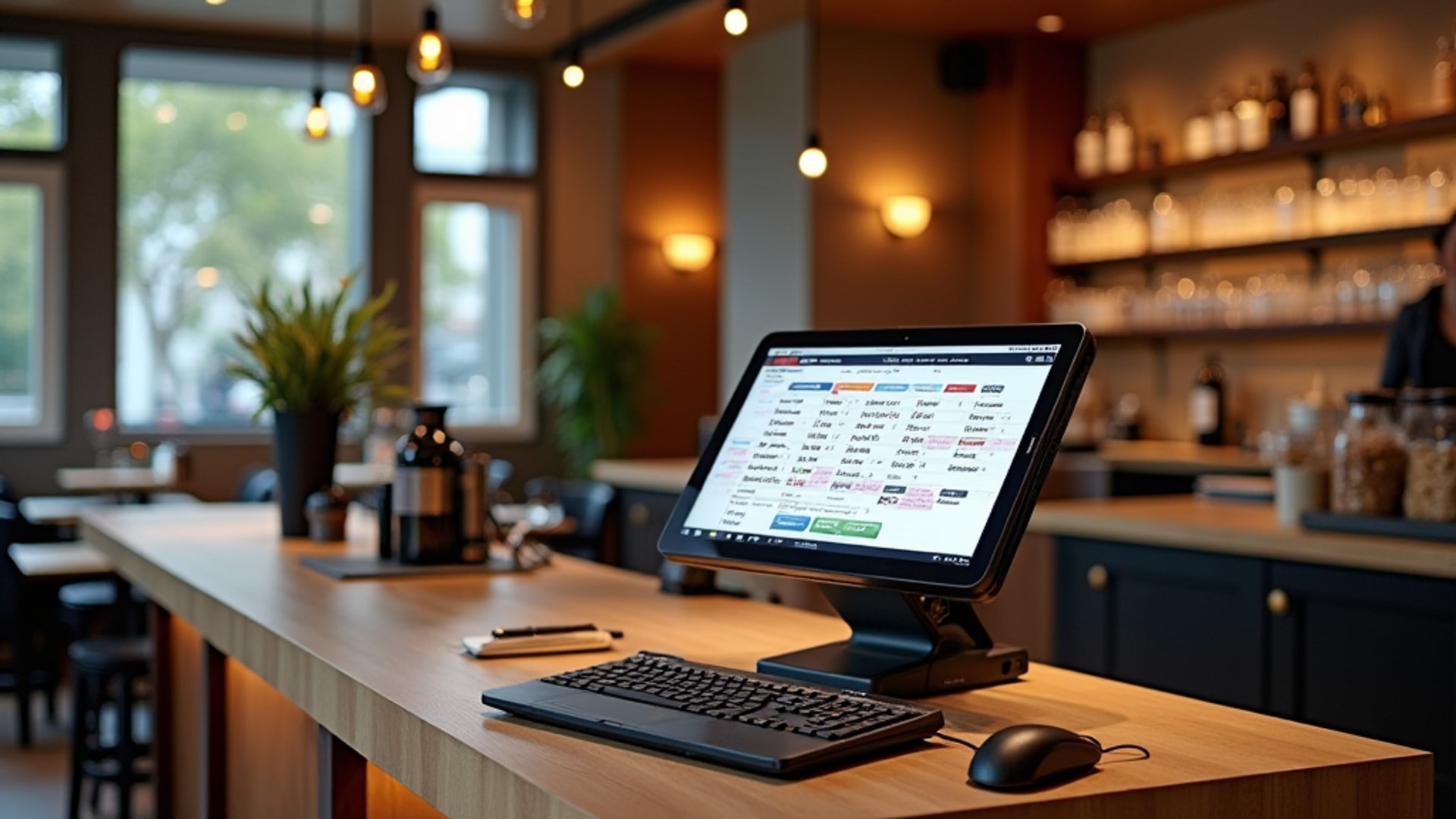
For full-service restaurants, the mobile POS also changes the server workflow. Instead of writing an order, walking to a terminal, and entering it, the server enters the order tableside and it routes to the kitchen instantly. According to the YouTube extract on POS systems from Point of Sale USA, this capability is now a standard feature across major POS platforms.
Kitchen Automation
Kitchen Display Systems
According to Restaurant365, KDS implementation can reduce order fulfillment time by up to 40% and decrease food waste by up to 25% through better order coordination. When orders enter from any channel — dine-in, online, third-party delivery — they appear instantly on the correct station screen, automatically routed and organized by priority.
The coordination benefit is significant for multi-component orders. KDS systems time the preparation of different dishes within a single order so they finish simultaneously, preventing the common problem of some dishes getting cold while others are still cooking. Color-coded alerts flag tickets approaching target preparation times.
An underutilized KDS capability is data capture. According to Restaurant365, the system automatically records preparation times by dish, station, time of day, and individual cook. This reveals which dishes consistently take longer than expected, which stations become bottlenecks during peak periods, and how individual team members perform. Management can use these insights to adjust recipes, rebalance station assignments, or target training efforts where they will have the most impact.
Robotic Systems
According to Restaurant Business Online, robotic kitchen systems are advancing rapidly. DoorDash launched a delivery robot called Dot. Wonder acquired Sweetgreen’s salad-making robot technology. Miso Robotics acquired Zignyl and created an AI dashboard called Zippy. And according to Restaurant Business Online, 40% of consumers say they would try menu items made by robots, indicating growing acceptance.
According to Barmetrix, kitchen automation is moving from pilot programs to operational scale, with robotic systems handling repetitive, high-volume tasks like frying, grilling, and assembly with consistent quality and timing.
According to Restaurant Business Online, automated kitchen equipment with programmable settings ensures consistent cooking results for items like bread and hamburgers. The consistency factor matters: a robotic fryer produces the same result on the thousandth order that it did on the first, eliminating the variability that comes with human fatigue and distraction during long shifts.
That said, full kitchen robotics remain expensive and best suited to high-volume operations with standardized menus. Most independent restaurants will benefit more from KDS, predictive analytics, and smart inventory tools than from robotic fryers. The technology is advancing quickly, but for most operators the ROI timeline on full robotics does not yet justify the investment.
Automated Food Safety Monitoring
According to Restaurant Business Online, Bluetooth temperature sensors wirelessly record temperature data in HACCP logs, eliminating paper documentation. Refrigeration monitoring systems alert staff when temperatures rise above safe levels, and handheld probes measure food temperatures within seconds.
According to Tableo, IoT deployments now include temperature-monitoring sensors for food freshness, automated inventory reordering triggered by sensor data, and energy consumption optimization across HVAC and kitchen equipment. These systems operate continuously without human intervention, catching problems that shift-based manual monitoring would miss.
This is one of those unglamorous automations that pays for itself by preventing a single foodborne illness incident or equipment failure. According to Restaurant Business Online, 74% of consumers prioritize speed and accuracy in restaurant service. Food safety failures damage both of those priorities and can shut an operation down entirely.
Sustainability Technology
According to FoodHub, sustainability technology is gaining traction as both a cost-saving and brand-building tool. Waste tracking systems quantify exactly how much food you throw away and where in the process it happens — overproduction, spoilage, plate waste. Carbon menu labeling lets environmentally conscious guests make informed choices. Energy-efficient equipment reduces utility costs that have been rising alongside every other input.
Digital menus eliminate the printing costs and waste of paper menus while enabling real-time updates — a practical benefit that also happens to reduce your environmental footprint. Energy-efficient kitchen equipment, while requiring upfront investment, reduces utility bills that have been climbing alongside every other input cost.
For restaurants targeting younger demographics, visible sustainability practices are becoming a competitive differentiator rather than a nice-to-have. Technology makes it possible to quantify and communicate your environmental impact in ways that resonate with value-driven consumers.
The IoT Layer
The Internet of Things is the infrastructure that connects all of these systems. According to Barmetrix, IoT sensors enable automated temperature monitoring, equipment performance tracking, and predictive maintenance. Temperature sensors in walk-in coolers, energy consumption monitors on kitchen equipment, and foot-traffic counters all feed data into management dashboards.
According to Barmetrix, predictive maintenance alerts based on equipment performance patterns prevent costly breakdowns before they occur. A walk-in cooler that fails on a Friday night can cost thousands in spoiled inventory. A sensor that flags the compressor running hot on Wednesday gives you time to schedule a repair.
AI in Restaurant Discovery
There is one more AI trend that affects every restaurant, whether you invest in it or not. According to Restaurant Business Online, Google’s AI Overview is changing how restaurants appear in search results, while ChatGPT and AI agents increasingly browse and purchase on behalf of consumers. AI-driven traffic surged 800% on Black Friday.
This means your restaurant’s online presence — website, menu accuracy, business listings — is no longer just about human searchers. AI systems are reading your data and making recommendations to consumers. If your menu is not online, your hours are wrong, or your website is not crawlable, you are invisible to a growing segment of potential customers.
What you can do about it: make sure your website has an accurate, crawlable menu. Keep your Google Business Profile updated. Ensure your hours, address, and phone number are consistent across every listing. According to BentoBox, 77% of diners visit restaurant websites before arriving — and now AI agents are doing the same thing on their behalf.
The Industry Consolidation Context
Before investing in any automation tool, understand the landscape. According to Restaurant Business Online, the 2025 technology landscape is defined by aggressive acquisitions. DoorDash acquired Deliveroo, SevenRooms, and ad-tech firm Symbiosys. Wonder acquired Grubhub, Blue Apron, Tastemade, and Sweetgreen’s robot technology, raising $600 million at a $7 billion valuation. Olo went private for $2 billion. Miso Robotics acquired Zignyl.
The implication: delivery platforms are becoming full-stack technology companies competing across reservations, POS, advertising, and kitchen automation. Single-function vendors face increasing pressure. When evaluating automation tools, consider whether the vendor is likely to remain independent, get acquired, or get squeezed out. A tool from a well-positioned vendor is more likely to keep receiving updates and integrations.
According to Eat App, the recent DoorDash acquisition of SevenRooms signals that reservation technology, once a standalone category, is being absorbed into larger platform plays. The same dynamic applies to POS add-ons, loyalty tools, and inventory systems. Today’s best-of-breed vendor may be tomorrow’s discontinued product line.
How to Implement Without Disaster
According to Tableo, successful technology adoption requires four steps.
1. Strategic Compatibility Assessment
Before buying anything, map your existing systems and check integration compatibility. According to FoodHub, the dominant trend is convergence — individual point solutions being replaced by integrated platforms. Adding a new tool that does not connect to your POS, inventory system, or accounting software creates data silos and manual workarounds that negate the efficiency gains.
2. Role-Specific Staff Training
Different team members have different comfort levels with technology. A 22-year-old server will pick up a tablet POS in hours. A veteran line cook may need patient, hands-on training with a new KDS. According to Restaurant Business Online, digital training tools accelerate staff development through video content that employees can rewatch independently — particularly effective for younger staff accustomed to online learning.
3. Phased Implementation
Do not roll out everything at once. Start with the highest-impact area and expand from there. According to Restaurant365, KDS implementation should begin at the station with the greatest need and expand systematically, allowing the team to adapt gradually. The same principle applies to any technology deployment.
4. Continuous Performance Evaluation
According to Tableo, technology adoption is an ongoing operational evolution, not a one-time purchase. Measure actual impact against expectations. If a system is not delivering the projected ROI after a reasonable period, adjust the implementation or cut the loss.
Set specific benchmarks before implementation. If the vendor says a KDS will reduce ticket times by 40%, track your average ticket time for a month before installation and compare it to the month after. If they say predictive analytics will cut food costs by 15%, measure your actual food cost percentage before and after. Without baseline measurements, you cannot distinguish a successful implementation from a failed one.
The Hospitality Tension
According to FoodHub, technology should support rather than replace the personal touch that defines hospitality. Yet the data shows clear financial benefits from automation. According to the NRA, 80% of consumers prefer restaurants offering technology-enhanced experiences.
The resolution is straightforward: use technology to handle routine, repetitive tasks — order entry, ticket routing, temperature logging, inventory counting — and redirect the human time you save toward personalized guest interaction. The server who no longer writes orders on a pad has more mental bandwidth to read the table, anticipate needs, and create memorable moments.
That is not theory. It is the operating model that the data supports.
According to Tableo, restaurants that deployed automation saw customer satisfaction improve by 10%. The improvement comes not from the automation itself but from the reallocation: when servers spend less time punching in orders and more time reading tables, guests notice. When kitchen staff spend less time deciphering handwritten tickets and more time plating beautifully, food quality improves. The technology handles the mechanical parts of the job so humans can focus on the parts that require judgment, creativity, and warmth.
What to Prioritize
If you are deciding where to start, here is a practical priority list based on impact and accessibility.
- Cloud-based POS with integrated reporting — the foundation everything else connects to
- Kitchen display system — 40% faster order fulfillment, 25% less food waste
- Online ordering through your own website — 20-30% more revenue per order versus third-party platforms
- Predictive analytics for purchasing and scheduling — 15% lower food costs, 22% better forecast accuracy
- Automated temperature and food safety monitoring — continuous HACCP compliance without manual logs
- Self-service kiosks (QSR/fast-casual only) — preferred by 61% of consumers
Each of these has documented ROI from multiple industry sources. Start at the top of the list and work down as budget and bandwidth allow.
Automation ROI Quick Reference
| Technology | Documented Impact | Best For |
|---|---|---|
| Predictive analytics | 15% lower food costs, 22% better forecasts | All restaurants |
| Kitchen display system | 40% faster fulfillment, 25% less waste | All restaurants with a kitchen |
| Direct online ordering | 20-30% more revenue per order vs. third-party | All restaurants |
| Voice AI ordering | 97% accuracy, 35% faster processing | QSR, drive-through, phone ordering |
| Self-service kiosks | 61% consumer preference, reduced labor | QSR, fast-casual |
| Smart inventory | 2-5% cost reduction | All restaurants |
| IoT food safety sensors | Continuous HACCP compliance | All restaurants |
| Full kitchen robotics | Consistent high-volume output | High-volume, standardized menus |
The data is clear. The question is not whether to automate — it is where to start and how fast to move.
The Bottom Line
According to McKinsey, AI and technology are transformative forces for 2026 across the entire restaurant value chain. According to Quantic POS, 46% of operators expect to increase technology budgets over other spending categories. The investment is happening across the industry.
But the operators who win are not the ones who adopt every new tool. They are the ones who match technology to specific operational problems, implement in phases, train their teams thoroughly, and measure results honestly. According to the NRA, the right approach is matching technology investments to the customer base served rather than pursuing cutting-edge solutions universally.
Automate the repetitive. Measure the results. Keep the hospitality human.
The technology is here and the data backs it up. What separates the restaurants that benefit from those that waste money is not the technology itself — it is the discipline to implement it correctly, train on it thoroughly, and hold it accountable to the numbers that matter. That discipline is the real competitive advantage. The technology is just the tool.
→ Read more: POS Systems for Restaurants: How to Choose the Right Platform in 2026 → Read more: Building Your Restaurant Technology Stack: POS, KDS, Reservations, and Everything In Between → Read more: Technology-Driven Restaurant Success: The Digital Investments That Actually Pay Off