· Case Studies · 8 min read
Eataly's Eat-Shop-Learn Model: Reinventing the Food Hall
Eataly built a business that defies category — part restaurant, part grocery store, part cooking school — and turned the blurring of those categories into a self-reinforcing commercial ecosystem that generates higher margins than any single format could alone.
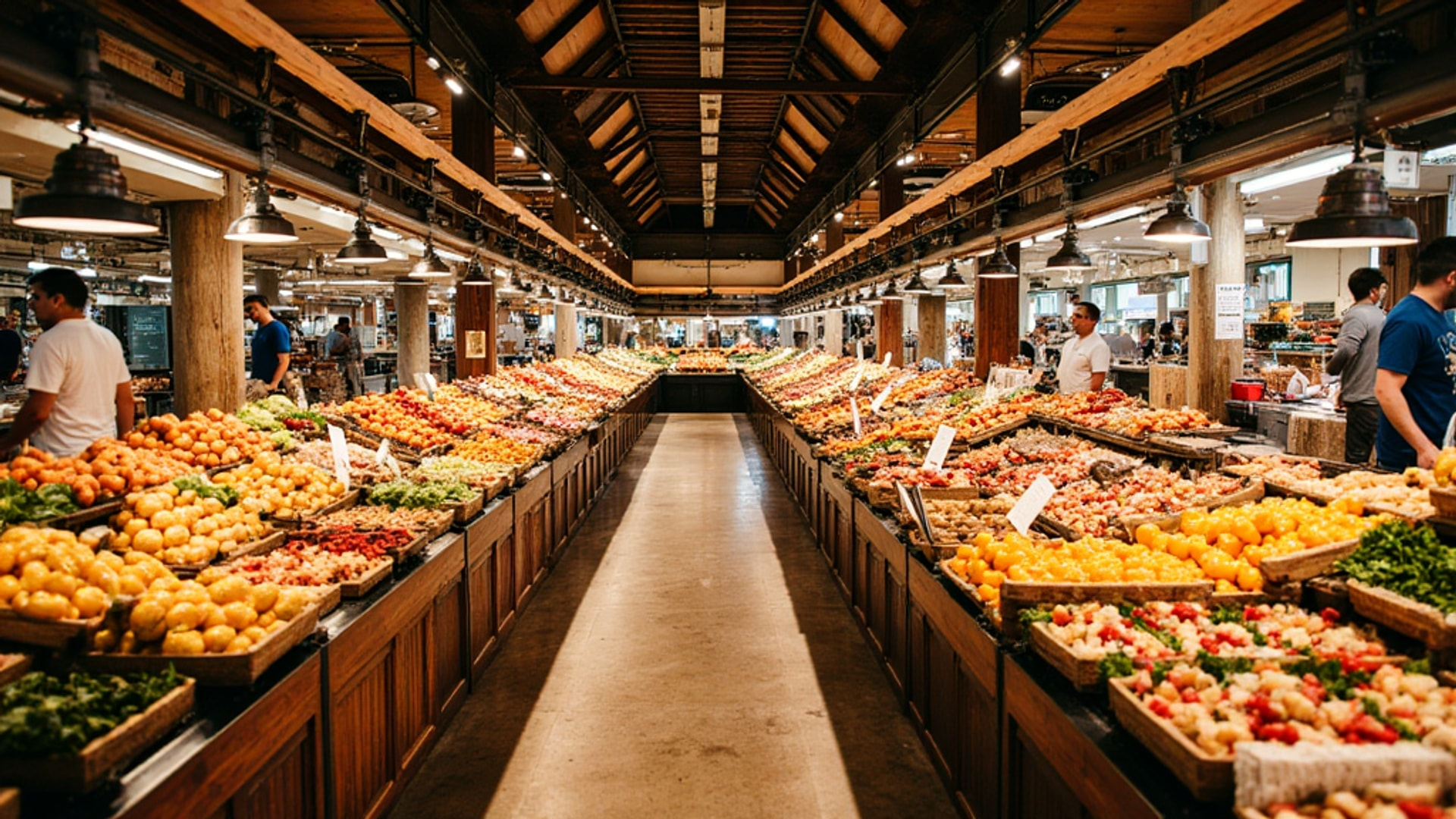
The challenge with categorizing Eataly is precisely the point. Describe it as a restaurant and you miss the grocery store. Describe it as a grocery store and you miss the cooking school. Describe it as a cooking school and you’ve left out the wine bar, the casual restaurant, the fine dining room, and the event space.
Eataly is not any of these things. It is the deliberate combination of all of them, built around a single coherent identity (Italian food culture) and designed so that each element makes the others more valuable.
The Origin: Turin, 2007
Eataly opened its first location in Turin, Italy in 2007. The founding concept, articulated in the Latterly analysis of the company’s marketing strategy, was the “Eat-Shop-Learn” model: three interlinked revenue streams built around the experience of Italian food.
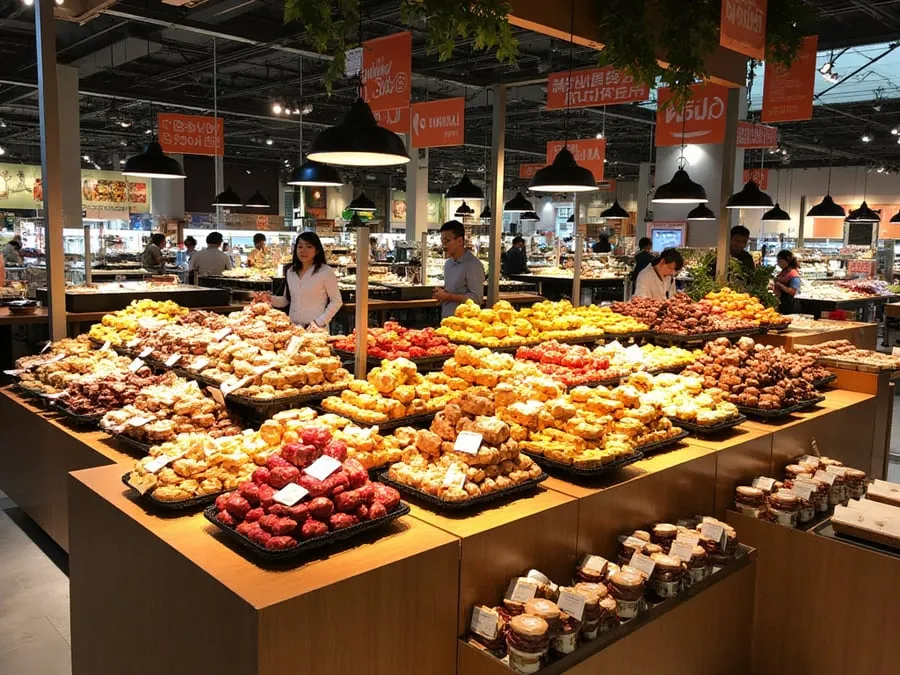
Eat: restaurants and food stalls serving regional Italian cuisine. Shop: premium retail grocery selling the artisanal ingredients, wines, and products featured in the restaurants. Learn: cooking classes, educational programming, and food-focused events.
The sequence matters. A customer who tastes a remarkable Sicilian pasta dish in the restaurant then passes through a retail section selling the same pasta, the same imported tomatoes, the same olive oil. The restaurant experience creates a desire to recreate the experience at home. The retail section provides the means. The cooking class explains the technique. Each activity drives engagement with the others.
This self-reinforcing loop is the strategic core of the Eataly model. It is not three businesses sharing real estate. It is one business with three delivery mechanisms, each of which increases the value of the other two.
Revenue Diversification and Margin Structure
A standalone restaurant operates on one revenue stream: food and beverage sales. A standalone grocery store operates on another: product sales. Both industries are challenging. Restaurants typically operate on margins of 3-9%. Grocery stores are notoriously thin-margin operations, often running at 1-3% net margin.
Eataly’s hybrid model generates revenue through multiple streams simultaneously and creates margin advantages that neither standalone format achieves.
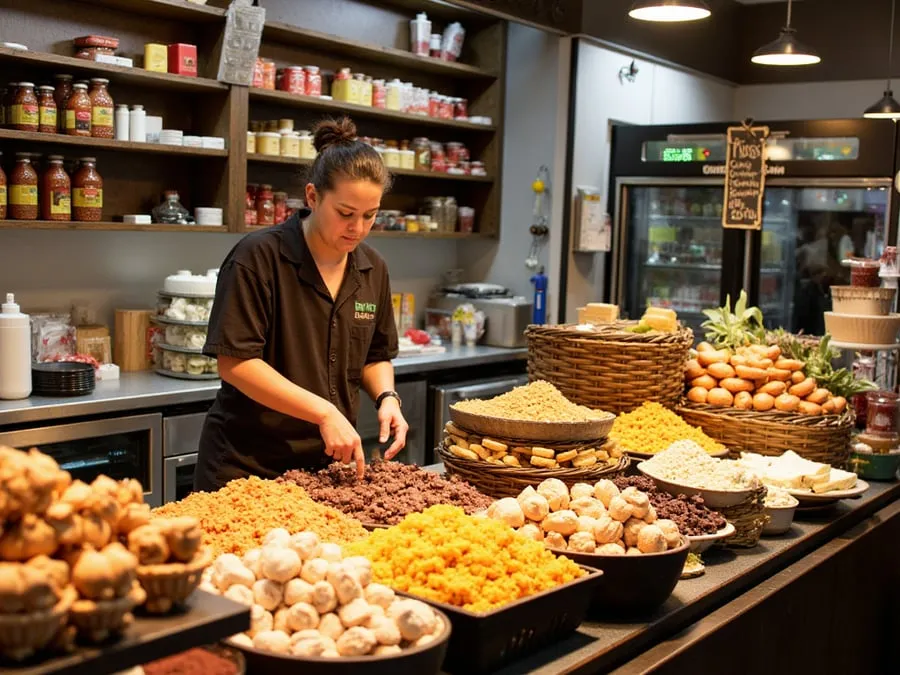
The premium retail pricing enabled by the brand’s authority commands substantially higher margins than conventional grocery. Eataly is not selling commodity products at commodity prices. It is selling artisanal Italian products in an environment that educates customers on their quality and context. A customer who has eaten a meal where the olive oil played a noticeable role is a different kind of buyer than a customer choosing between identical-looking bottles on a supermarket shelf. The restaurant experience creates informed buyers willing to pay premium prices.
The educational programming adds a third revenue stream that carries high margins because the primary input is instructor time and the physical infrastructure (kitchen demonstration space) already exists for operational purposes. Each cooking class converts participants into more deeply engaged customers of the restaurant and retail operations.
The event space (product launches, corporate events, private dining) provides additional revenue from existing physical infrastructure during periods when the primary operations have capacity.
The International Expansion Playbook
Eataly’s New York City flagship opened in 2010, marking the beginning of international expansion. The success of the New York location attracted institutional investment: $198 million from the Italian private equity firm Investindustrial, funding accelerated expansion to Las Vegas, Dallas, Silicon Valley, Toronto, and beyond.
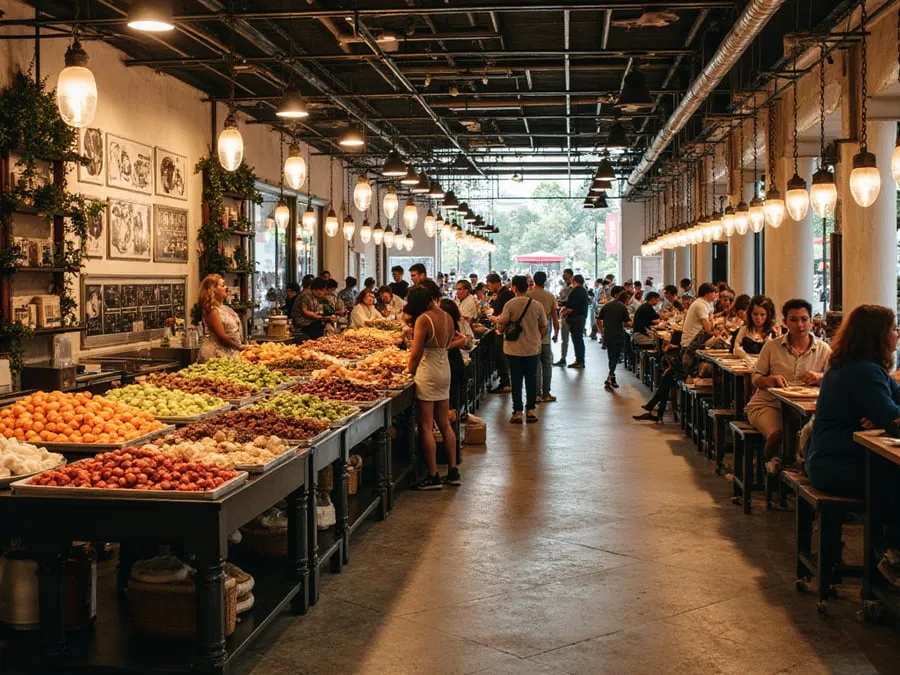
The expansion model rejects the standard chain restaurant approach of standardized templates that minimize variation across locations. According to Latterly’s analysis, each Eataly location is designed to reflect its local environment rather than following a rigid standardized template, allowing each location to feel both authentically Italian and locally relevant.
When entering new markets, Eataly partners with local celebrity chefs and restaurateurs. These partnerships bring specific advantages: local credibility that an Italian import cannot generate independently, existing customer relationships that seed early traffic, and local knowledge about customer preferences and regulatory environments. The local partner model acknowledges that Italian food culture, however universal its appeal, needs a local interpreter to connect with any specific market.
This localization strategy creates locations that are recognizably Eataly while feeling genuinely embedded in their city. The New York Eataly feels different from the Los Angeles Eataly, which feels different from locations in international markets. The core identity, Italian food culture, remains consistent, while the expression adapts.
The Capital Requirements of This Model
Eataly is not an accessible model for most operators. The premium locations required by the concept (high-traffic urban areas with sufficient foot traffic and the affluent demographics to support premium pricing) command premium rents. The physical build-out required to house restaurants, retail operations, demonstration kitchens, event spaces, and storage under one roof requires substantial square footage and significant capital investment.
The $198 million institutional investment from Investindustrial was not seed capital for a startup. It was growth capital for a proven concept that needed resources to build the quality of physical environment the brand requires in new markets. High-end food hall buildouts are expensive; the materials, equipment, and design quality that make the experience credible cannot be achieved at economy prices.
This capital intensity is both a barrier and a moat. Few operators can replicate Eataly at the quality level required to compete with it, because few operators can access the capital required to build it. The institutional investment that funded Eataly’s expansion also validated the business model’s scalability in a way that enabled access to additional capital and better lease terms in premium locations.

Why the Model Has Survived Economic Disruptions
Eataly opened its first location just before the 2008 financial crisis, not an ideal time to launch a premium food concept. Yet the model survived and expanded through that downturn, through subsequent economic pressures, and through the pandemic period.
The multi-revenue-stream structure provides resilience that single-format businesses lack. When restaurant dining traffic declined during economic downturns, retail sales provided a buffer because customers who might have dinner out less often continued to shop for quality ingredients. When physical retail traffic faced pressure during pandemic restrictions, the model’s omnichannel character and the loyalty built through educational programming maintained customer engagement.
The educational dimension also creates a particular form of customer loyalty. A customer who has taken a pasta-making class at Eataly has a relationship with the brand that is qualitatively different from a customer who has simply shopped there. The investment of time and engagement produces attachment. These customers are more likely to return, more likely to recommend the experience, and more resistant to competitive alternatives.
The Premium Positioning That Makes It Work
Every element of the Eataly model depends on premium positioning. The retail margins are only achievable on artisanal products with compelling stories. The restaurant pricing is only sustainable in an environment where the entire experience justifies it. The cooking class fees are only collectible from customers who have already bought into the authenticity of the Italian food culture proposition.
This premium positioning is not accidental or incidental. It is the structural requirement of the model. A discounted or commodity version of the Eataly concept would destroy the margin structure that makes multiple revenue streams viable and replace it with the thin margins of conventional grocery or casual dining, while retaining all the capital and operational complexity of a hybrid format.
The implication for operators considering hybrid models is that the concept requires a clear, credible, premium identity. The “Eat-Shop-Learn” formula works for Eataly because Italian food culture has authentic depth, global appeal, and a built-in education story. The same formula applied to a less compelling culinary identity would produce the complexity without the premium pricing power.

What Independent Operators Can Learn
Most restaurant operators cannot replicate Eataly. The capital requirements, real estate demands, and operational complexity are genuinely beyond what a single-unit independent operator can execute. But the strategic principles are transferable.
Multiple revenue streams from a single customer relationship reduce dependence on any single format. A restaurant that also sells jarred sauces, offers cooking classes, or provides catering is less vulnerable to the variability of restaurant dining traffic than one that has only one way to generate revenue from its customer relationships.
Retail extends the customer relationship beyond the dining occasion. When a customer can buy a product from your restaurant to use at home, they interact with your brand daily, not just on the occasions they visit. Each use of that product reinforces the brand relationship.
Education builds loyalty that transactions cannot. A customer who has learned something from you has a relationship of a different character than a customer who has simply bought something from you. The educational dimension of the Eataly model is not a marketing gimmick. It is a genuine loyalty mechanism that creates customers with a stake in the brand’s success.
The physical environment is itself a revenue generator. Eataly’s locations are designed using experiential dining principles to invite extended visits.
→ Read more: Restaurant Interior Design Customers who stay longer spend more. Designing your physical space to encourage lingering (comfortable seating, engaging visual merchandising, demonstrated preparation) is not just hospitality; it’s revenue strategy.
→ Read more: Restaurant Concept Development
The Eataly model demonstrates that the categories food businesses occupy (restaurant, grocery, school, event space) are not fixed categories imposed by some external authority. They are choices, and different configurations of those choices produce different economic outcomes. The most interesting restaurant businesses of the next decade will likely be those that question those category boundaries most aggressively.