· Kitchen · 9 min read
Setting Up a Ghost Kitchen: Equipment, Layout, and Operational Requirements
Ghost kitchens eliminate front-of-house costs and can launch with two to three staff — here is the complete operational setup guide.
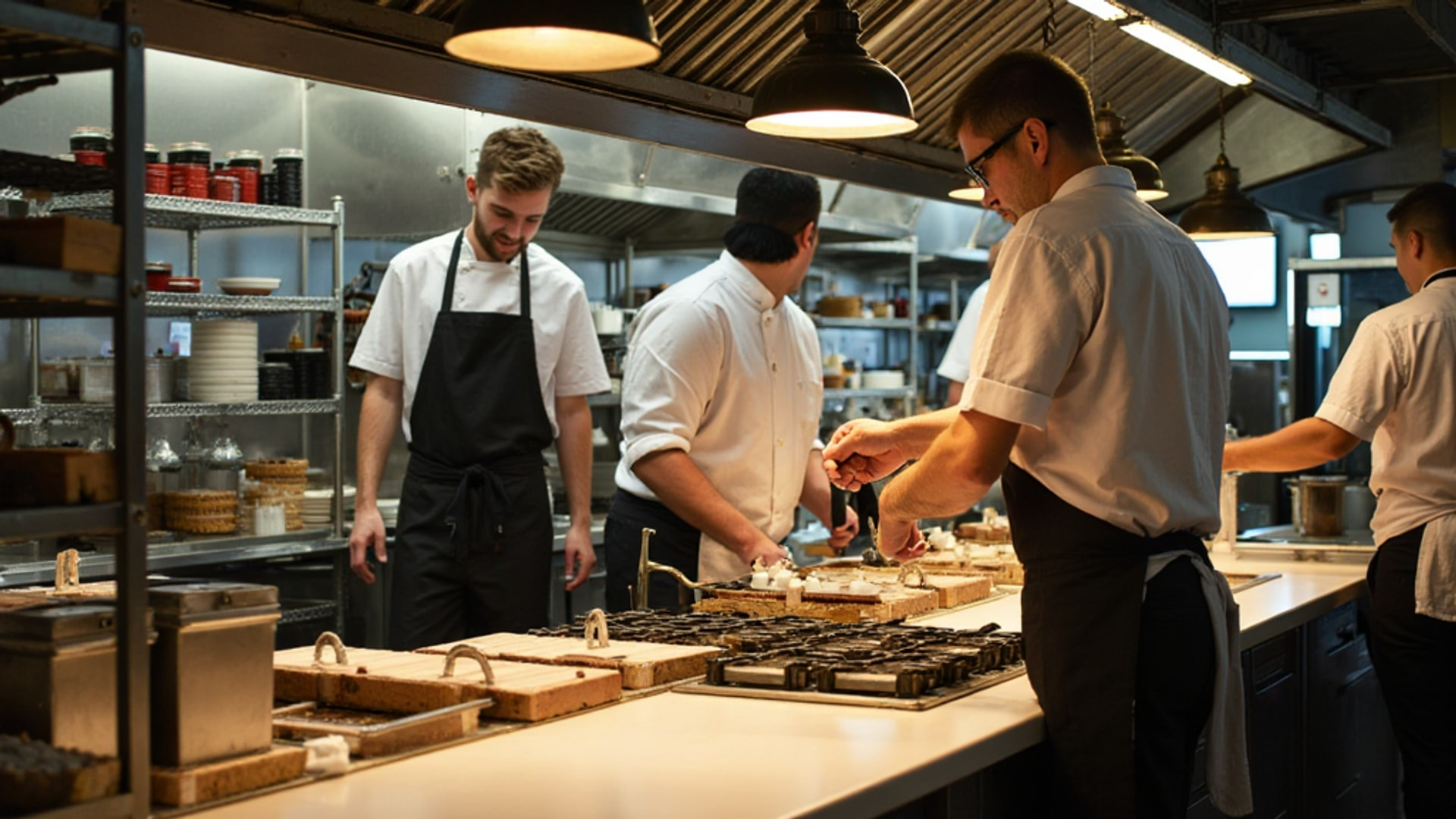
Ghost kitchens have moved from novelty to established restaurant model in a short period. According to Toast’s 2025 analysis of the ghost kitchen sector, the global ghost kitchen market was projected to grow from approximately $71 billion in 2023 toward $157 billion by 2030 — a trajectory that reflects sustained demand for delivery-optimized food production rather than a passing trend.
The basic premise is straightforward: a ghost kitchen (also called a dark kitchen, virtual kitchen, or cloud kitchen) is a delivery-only operation without a customer-facing dining room. No waitstaff, no dining room decor, no host stand. The entire operation is production and dispatch. This eliminates a substantial portion of traditional restaurant overhead, but it replaces it with its own set of operational requirements that are distinct from those of a full-service restaurant.
Understanding what those requirements are before committing to the model prevents the common mistake of underestimating the technology infrastructure, delivery integration complexity, and menu engineering requirements specific to delivery-only operations.
The Core Business Case
Ghost kitchens eliminate front-of-house costs that typically represent a significant portion of a traditional restaurant’s overhead. No dining room means no dining room square footage, no waitstaff payroll, no decor investment, no host labor, and no bar program overhead. According to Toast’s analysis, a ghost kitchen can launch and operate with as few as two to three staff focused on order processing, preparation, and delivery coordination.
The cost advantages are real, but they do not eliminate the need for strategic thinking. A ghost kitchen that opens in the wrong location, offers a menu poorly suited to delivery, or fails to build volume on delivery platforms will fail for the same reason any restaurant fails: insufficient revenue relative to costs. The front-of-house savings are only meaningful if the kitchen generates enough order volume to cover its own fixed costs.
Location: Different Criteria Than a Traditional Restaurant
Ghost kitchen location decisions are fundamentally different from traditional restaurant site selection. Visibility, street traffic, and storefront aesthetics are irrelevant. What matters is proximity to the customer base and delivery logistics.
According to Toast’s analysis, urban areas and densely populated suburbs typically generate higher delivery order volumes. The reasoning is both geographic (shorter delivery radii serve more potential customers) and behavioral (delivery ordering is more habitual in high-density urban environments).
The key location criteria for a ghost kitchen:
- Proximity to target customers: Longer delivery distances degrade food quality and increase delivery times, which directly affects platform ratings
- Adequate parking and access for delivery drivers: If drivers have difficulty accessing the building or have no clear waiting area, pickup times slow and driver ratings suffer
- Lower-cost commercial or industrial zoning: Ghost kitchens can operate from lower-rent spaces than traditional restaurants since visibility and foot traffic are not factors
- Local zoning compliance for food preparation: Some jurisdictions have specific ghost kitchen or commissary kitchen regulations separate from traditional food service regulations
When evaluating a specific location, order delivery data from the major platforms in the target area. Most platforms provide general data about demand density that can inform location decisions before signing a lease.
Licensing and Permitting
Toast’s analysis is clear that ghost kitchens follow the same food safety regulatory framework as traditional restaurants. The delivery-only model does not reduce food safety requirements — in some jurisdictions, it may add commissary-specific requirements.
Required documentation typically includes:
- Business license
- Employer Identification Number (EIN)
- Certificate of Occupancy for the specific space
- Food service establishment permit from the local health department
- Food handler certifications for all staff who prepare food
- Potentially: specific commissary kitchen permit or ghost kitchen operator registration depending on jurisdiction
Health department inspections follow the same standards as traditional restaurants. The kitchen must meet the same sanitation, equipment, food storage, and workflow requirements regardless of whether customers will ever enter the space.
Some municipalities have enacted ghost kitchen-specific regulations in response to rapid sector growth. Check with the local health department and zoning authority before committing to a space to confirm what permits apply and whether the specific space use is permitted under current zoning.
Menu Engineering for Delivery
This is where ghost kitchen menus must differ fundamentally from dine-in menus. According to Toast, food must travel well — maintaining quality during the 15 to 30 minute delivery window between kitchen and customer. This requirement eliminates or severely limits menu items that degrade during transport.
Fried items lose crispness within minutes of packaging. Delicate fresh salads wilt under heat. Dishes where sauce and starchy components (pasta, rice) continue to absorb liquid during transport arrive in a degraded state. Burgers with steam-trapped buns go soft. These are not problems that packaging alone can fully solve, though good packaging selection mitigates some of them.
Menu design for delivery success favors:
- Proteins that hold temperature well (braised, roasted, or grilled proteins that retain moisture)
- Sauces and toppings packaged separately when possible
- Items with natural delivery resilience (tacos, burritos, bowls, pizza, wings, sandwiches with robust components)
- Portion sizes that feel generous relative to price after platform commission deductions
- Simple, fast execution that maintains consistent quality under volume
The multi-brand strategy is one of the most effective ways to optimize a ghost kitchen’s revenue from a single physical space. According to Toast, a single kitchen can operate two or more virtual restaurant concepts simultaneously — a burger brand, a wing brand, and a salad brand, for example, each with its own delivery platform listing and branding. This maximizes equipment utilization and generates multiple revenue streams from the same fixed overhead.
Multi-brand strategy requires careful menu engineering to ensure the different concepts can share equipment and prep time without creating scheduling conflicts. The best ghost kitchen multi-brand setups share a core set of proteins and components with different finishing and branding.
Equipment Selection and Layout
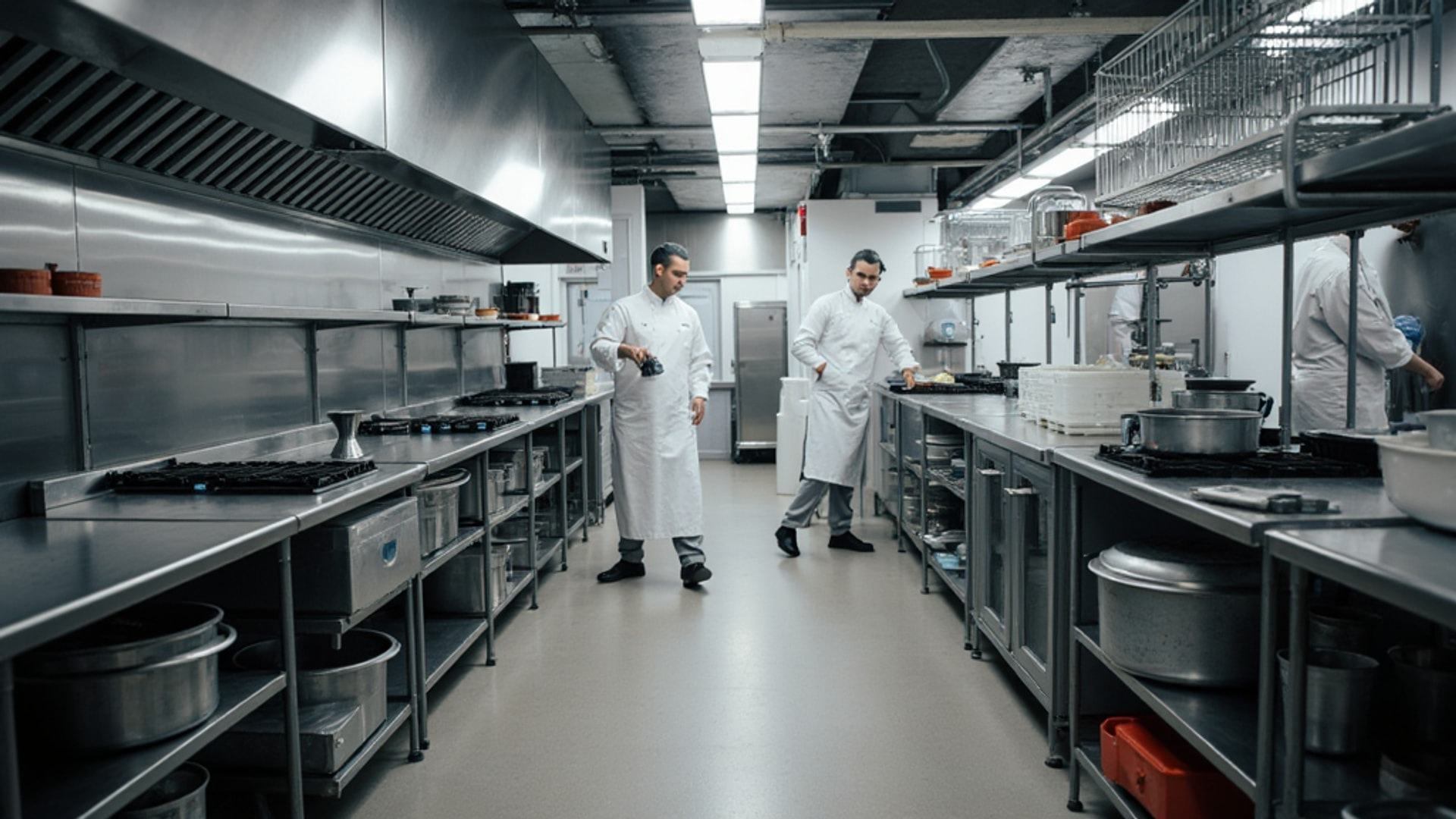
Equipment needs for a ghost kitchen mirror a traditional kitchen with one important difference: the menu is typically more focused, so equipment can be more targeted. According to Toast, ghost kitchens benefit from menus optimized for delivery, which allows operators to avoid purchasing equipment for techniques or menu items that are not delivery-viable.
A typical ghost kitchen equipment setup for a focused delivery concept:
- Primary cooking equipment: Matched to menu — combi oven for versatility, fryer bank for fried concepts, flat-top and char grill for burger-forward menus
- Refrigeration: Reach-in or undercounter refrigeration for line storage, a walk-in for larger volume operations
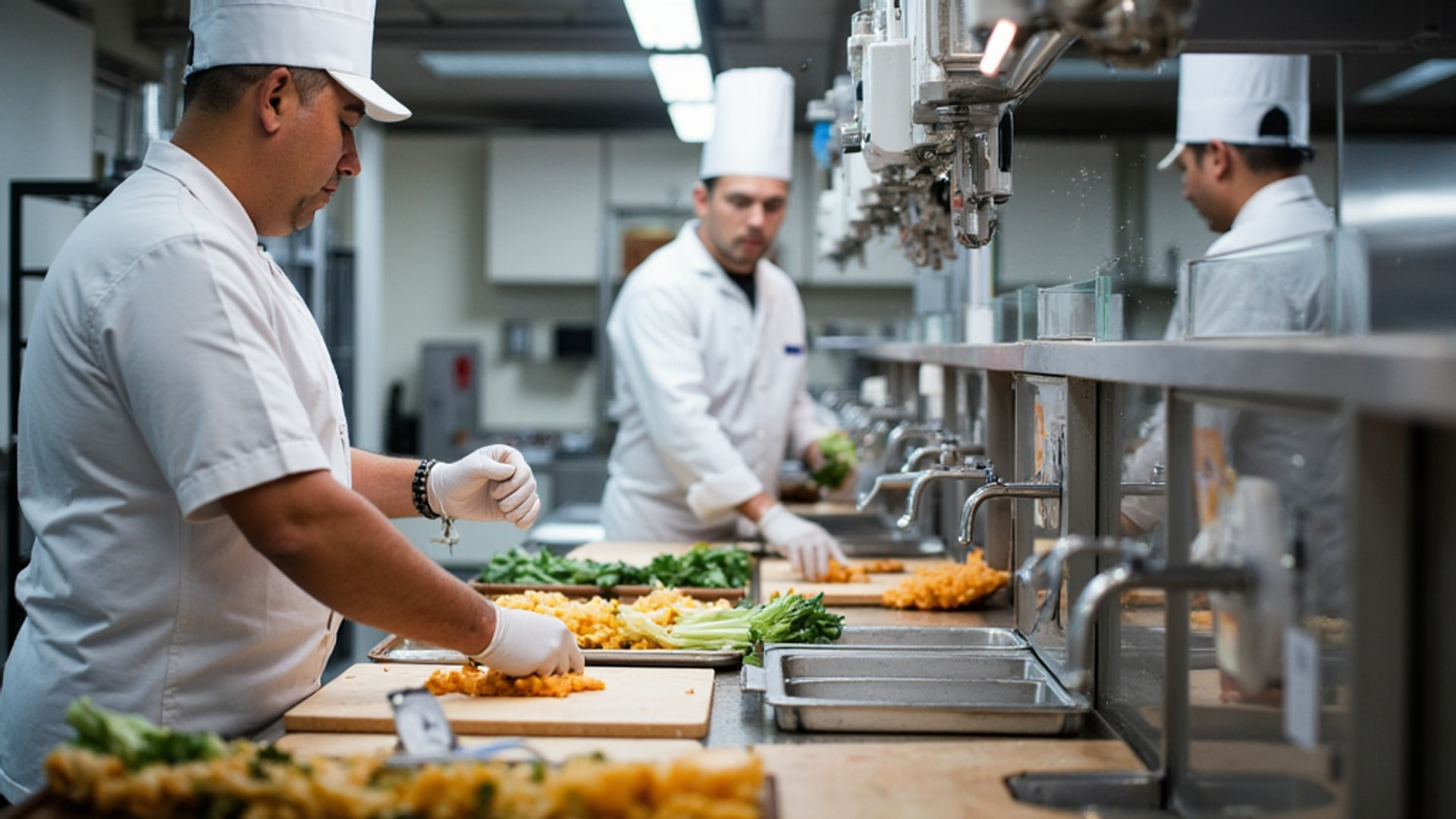
- Prep equipment: Food processor, mixer, vacuum sealer depending on menu
- Packaging station: A dedicated area for assembly and packaging before dispatch is essential and often poorly planned
- Holding equipment: Heat lamps or a holding cabinet for managing orders during driver wait times
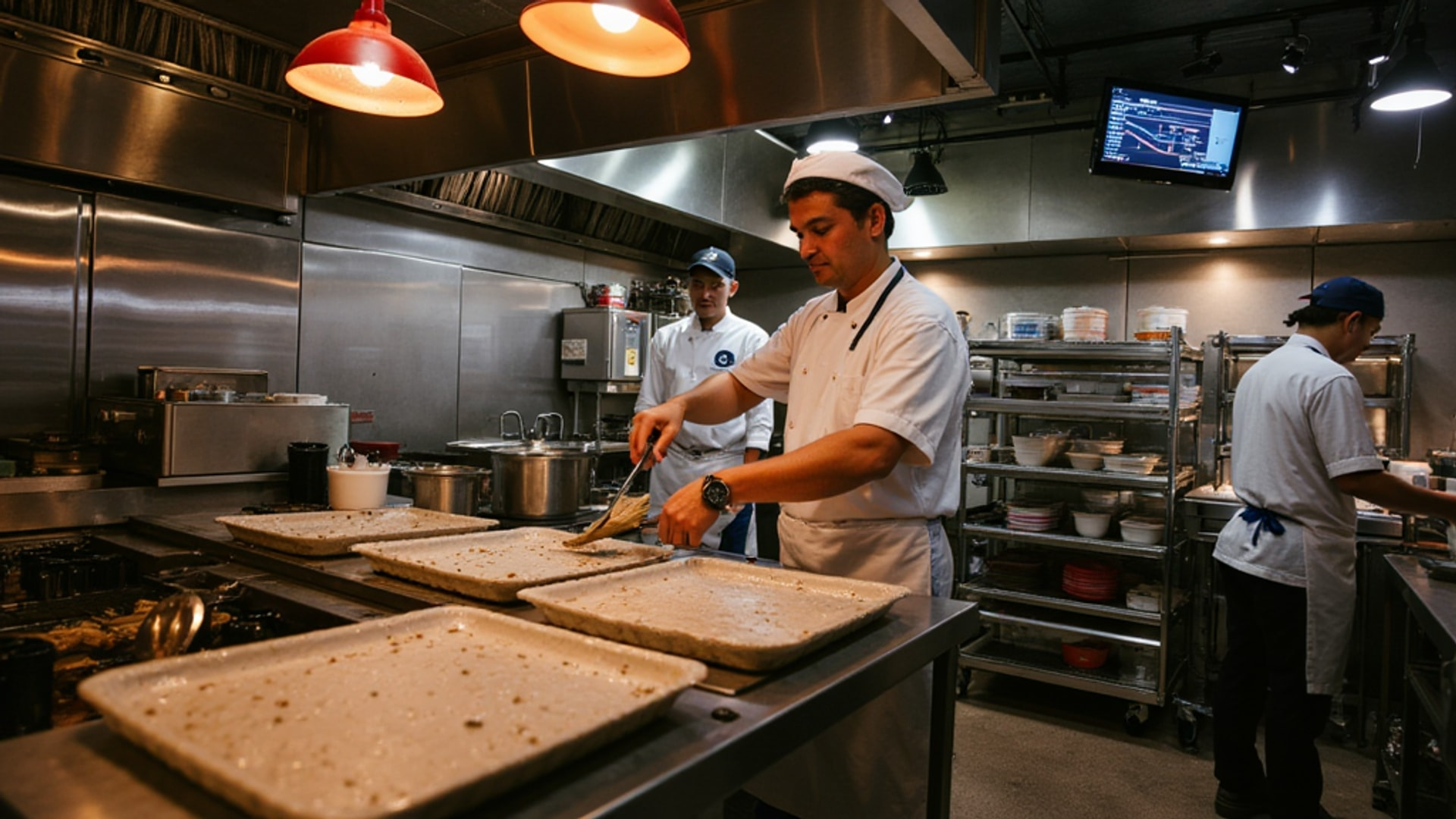
The packaging station deserves specific attention. Unlike a traditional restaurant where plated food moves immediately to the table, every ghost kitchen order requires assembly into packaging that will travel. A poorly designed packaging area creates errors, slow dispatch times, and inconsistent presentation. The station should have clear organization for packaging materials by size, labeling supplies, bag sealing equipment, and space to stage multiple orders simultaneously during peak periods.
Layout optimization for a ghost kitchen differs from a dine-in restaurant in that there is no pass or expo station in the traditional sense — the “pass” is the delivery handoff area where drivers receive completed orders. This area needs to be clearly designated, easily accessible from outside, and organized so drivers can retrieve orders without entering the production area.
Technology Infrastructure
This is the operational category most frequently underestimated by ghost kitchen operators. According to Toast, ghost kitchens rely on technology infrastructure that a traditional restaurant does not require at the same level:
Multi-platform integration: Major delivery platforms (DoorDash, Uber Eats, Grubhub) each have their own tablet, order management system, and operational requirements. An operator running all three major platforms simultaneously manages three separate incoming order streams.
Order management consolidation: More sophisticated operations use aggregation software that pulls orders from all delivery platforms into a single dashboard and routes tickets to a KDS system. This eliminates the three-tablet setup and reduces the risk of missing orders or misreading platform-specific UIs during high-volume periods.
Kitchen Display System: A KDS routes incoming orders to the appropriate station in the kitchen and tracks ticket timing. This is as important in a ghost kitchen as in a traditional restaurant — arguably more so, because there is no front-of-house team to catch errors before they reach the customer.
POS integration: A POS system that integrates with the delivery platforms simplifies reporting, financial reconciliation, and menu management. Updating menu prices or 86ing a sold-out item across all platforms simultaneously from a single system is far more manageable than updating each platform individually.
Managing Delivery Partner Relationships
Ghost kitchen economics depend heavily on delivery platform commission structures, which typically range from 15 to 30 percent of order revenue depending on the platform and the service level selected. Understanding and managing these commissions is essential financial discipline for ghost kitchen operators.
Commission rates are negotiable for operators achieving sufficient volume thresholds on a given platform. Building volume on one platform before expanding to others creates negotiating leverage. Some operators supplement platform orders with direct ordering systems — their own website or app with commission-free ordering — particularly as they build a customer base with repeat ordering habits. CloudKitchens’ operational guide provides additional context on how established ghost kitchen operators manage multi-platform economics.
Platform ratings are directly visible to customers and significantly affect order volume. Driver ratings, food quality ratings, and accuracy ratings all appear publicly. A ghost kitchen that consistently delivers accurate, quality food within estimated delivery windows builds the platform rating that drives organic discovery on each platform.
Staffing for a Lean Model
The two-to-three staff minimum identified by Toast reflects the leanest viable ghost kitchen operation. These staff roles typically cover order management and communication with delivery drivers (one person who monitors incoming orders, confirms driver pickups, and manages any order issues), food preparation and cooking, and packaging and dispatch.
At higher volume, the packaging and dispatch role often becomes a dedicated position. The order management role may be handled by the same person doing assembly during slower periods. Cross-training everyone on all three functions creates resilience during absences.
The absence of front-of-house staff means there is no human buffer between kitchen errors and customer experience. Every mistake in preparation, portioning, or packaging is a complaint delivered directly through the platform’s review system. The quality control discipline that a good expo brings to a traditional kitchen must be built into the ghost kitchen workflow as a self-checking process among the small team.
→ Read more: Ghost Kitchen Operations: The Real Economics of Delivery-Only Restaurants
→ Read more: Ghost Kitchen Menu Strategy: Building Menus for Delivery-Only Operations